
Construction project management software has rapidly evolved, driven by the need for precise control, actionable insights, and seamless collaboration across complex job sites. As digital construction tools have proliferated, many teams wrestle with the question: Should we consolidate our workflows into an integrated platform or continue juggling multiple specialized tools? In this blog, we examine why integrated platforms, like Zepth Core—an AI-driven construction management and compliance powerhouse—demonstrate clear superiority over fragmented toolsets for modern construction success.
The Problem with Fragmented Construction Tech Stacks
It’s common for construction teams to rely on an array of standalone applications for inspections, document management, daily reporting, financial tracking, and risk management. While each tool might excel at its niche, problems arise when these tools must work together:
- Data Silos: Project information, from RFIs to cost changes, becomes scattered across platforms. Synchronizing updates between tools is error-prone and slow.
- Inefficient Workflows: Team members replicate effort as they transfer data or status updates from one app to another. Communication gaps widen because workflows are not truly connected.
- Limited Analytics: Without unified data, teams struggle to generate holistic, real-time project insights. Decision-makers lack a single source of truth for forecasting and risk management.
- Obscured Compliance: Ensuring adherence to regulations and safety protocols grows more complex when compliance-related data lives in disconnected systems.
Many construction professionals ask, What are the benefits of using an integrated construction management platform versus separate tools? The answer lies in eliminating the friction points above—unlocking a unified, data-centric approach, where teams execute smarter, not harder.
How Integrated Platforms Transform Construction Management
At the heart of an integrated construction platform is a common data environment for construction—a centralized hub that merges jobsite management, document workflows, financials, and risk tracking. Zepth Core exemplifies this model, offering specialist modules interconnected on a single digital backbone. This approach unlocks five major advantages for the construction industry’s digital transformation:
1. Seamless Data Flow and Single Source of Truth
With Zepth Core’s modular suite, daily reports, inspections, submittal approvals, incidents, and cost movements feed into a unified database. This single data source ensures everyone works from the latest, most accurate information—whether accessing AI-powered project management insights, construction document management, or project budgeting tools for construction.
Can integrated construction software improve communication? Absolutely. When all stakeholders—contractors, consultants, owners—have synchronized access to project data and correspondence, misunderstandings decrease and trust increases. Teams see real-time site conditions, responses to RFIs, overdue submittals, or risk escalations on one clear dashboard.
2. Unified Workflows and Automation
Instead of manually hopping between safety apps and procurement trackers, integrated construction platforms allow for end-to-end workflow automation. For instance, a snag identified during inspection in Zepth Core instantly updates the Non-Conformance and Risk Register, triggering notifications, corrective actions, and cost overlays—connecting the dots from field observations to risk mitigation in construction, and budget adjustments without delay.
Additionally, smart modules such as Zepth360 (visual project reporting) and AI risk management in construction add layers of intelligence, surfacing issues before they escalate and assigning tasks programmatically based on evolving site dynamics.
3. Advanced Analytics and AI-Driven Insights
Fragmented tools can only offer piecemeal analytics, but platforms with integrated data and AI-powered construction analytics give leaders predictive visibility. Zepth Core’s Insights & Analytics module collates safety violations, material inspections, financial milestones, and site observations for trend analysis and actionable intelligence. Construction executives and project managers use these dashboards to compare baseline plans against real progress, analyze cost overrun risks, and proactively manage project performance.
What features should you look for in construction analytics and insights? Look for modules capable of blending site observations, financial tracking, and compliance data. Solutions like Zepth provide customizable dashboards, real-time drilldowns, and automated risk mapping—essential for accurate forecasting and foresight.
Powerful Feature Highlights: Zepth Core in Action
Zepth Core isn’t just an integrated platform by design; it is built from the ground up to tackle all critical phases of construction lifecycle management with precision. Some standout modules include:
- Jobsite Management Tools: Modules for inspections, daily jobsite updates, incident logging, and automated safety alerts make jobsite oversight comprehensive and consistent.
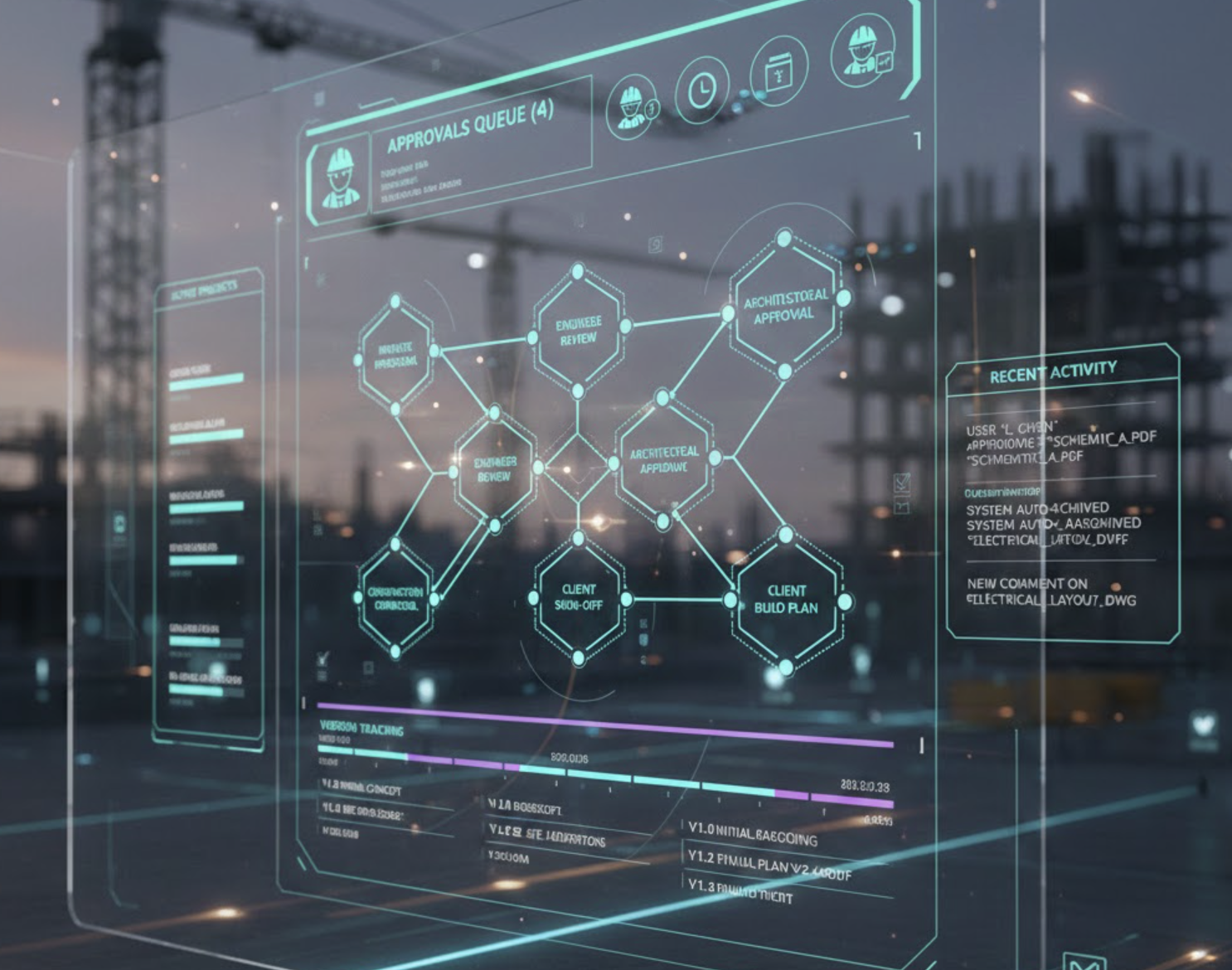
- Document Management Excellence: The Document Register, Mail, and RFI Management modules ensure contracts, drawings, and site communication have robust, version-controlled, secure repositories—enabling powerful construction submittal software and traceable transmittals.
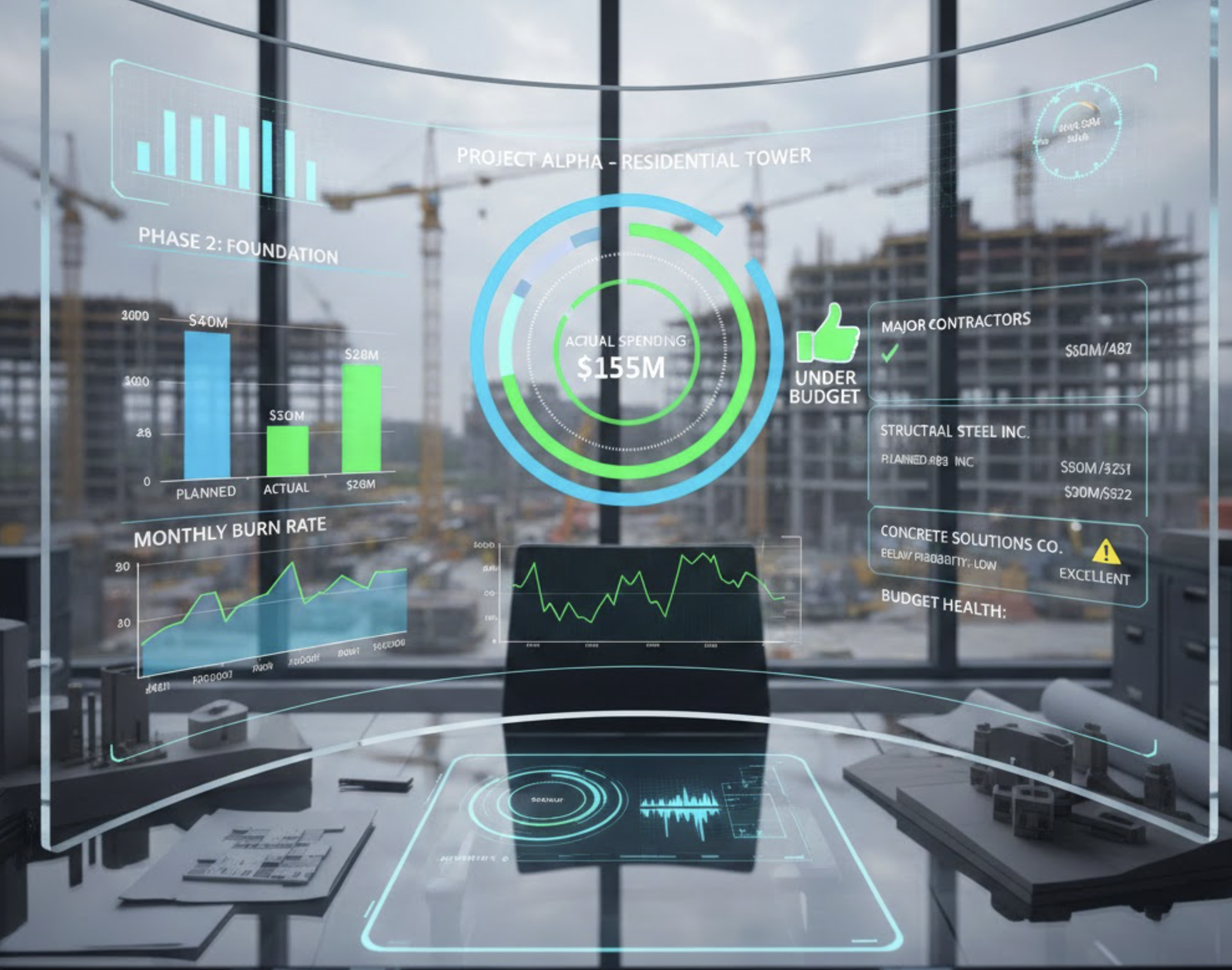
- Construction Financial Management Tools: Project Cost Control and construction forecasting tools support rigorous budget tracking, with direct inputs from field progress data.
- Robust Risk Management: The platform’s integrated Risk Register, Mitigation Plans, and automated Risk Reporting empower proactive, data-driven decisions throughout the project lifespan.
- Compliance Support: With best-in-class HSE Compliance, Incident Reporting, and Authority Approvals, the software doubles as effective construction compliance software—ensuring regulatory and contract alignment.
This ecosystem also readily interoperates with BIM (Building Information Modeling) integration, digital twins in construction, and mobile-first site capture tools (Zepth Bldz)—extending agility and visibility.
Breaking Down Silos: Enhanced Collaboration and Control
Construction projects run on effective coordination. Integrated platforms transform collaboration by making cross-functional information—plans, RFIs, snag lists—accessible and actionable for all. Zepth’s task management and Minutes of Meeting (MOM) modules, for example, let project leaders delegate and monitor action items in real time, keeping everyone aligned toward shared milestones.
How does cloud-based construction management increase project efficiency? By hosting all modules and data on the cloud, teams can work from anywhere, track changes as they happen, and react to issues instantly. No more waiting for paper handoffs or delayed status emails—every update, site instruction, or safety observation feeds into one live workspace.
Supporting Sustainable Construction and Future-Ready Growth
Modern construction also demands smarter, more sustainable project delivery. Integrated platforms are uniquely positioned to capture ESG compliance information, monitor resource use, and automate sustainability checks. With Zepth’s centralized Insights & Analytics, managers push for greener, more efficient operations—reducing rework, waste, and compliance violations throughout project execution.
The end result is a future-ready project culture, where AI in construction and construction tech innovation combine to unlock safe, timely, and cost-effective delivery. Zepth’s intelligent ecosystem also evolves with new AI tools for construction, supporting asset management (Zepth Edge), procurement (Zepth Flow), and construction automation (Zepth Anly) on a singular, scalable cloud backbone.
Conclusion: Why Integrated Construction Management Platforms Win
Choosing an integrated construction management platform over fragmented tools isn’t just a matter of convenience—it’s a strategic necessity for organizations facing tighter deadlines, complex compliance, and a digital-first economy. Unified platforms deliver:
- A single source of accurate, real-time project data
- Frictionless workflow automation from field to office
- Comprehensive analytics for smarter risk and financial management
- Cloud-native accessibility and easier project tracking
- Faster response to evolving site dynamics and compliance requirements
For companies looking to streamline project delivery and foster true collaboration, integrated platforms like Zepth Core offer the smart, connected foundation to consistently outperform siloed tech stacks. In an era of accelerated construction industry digital transformation, integration isn’t just a differentiator—it’s the new baseline for excellence.