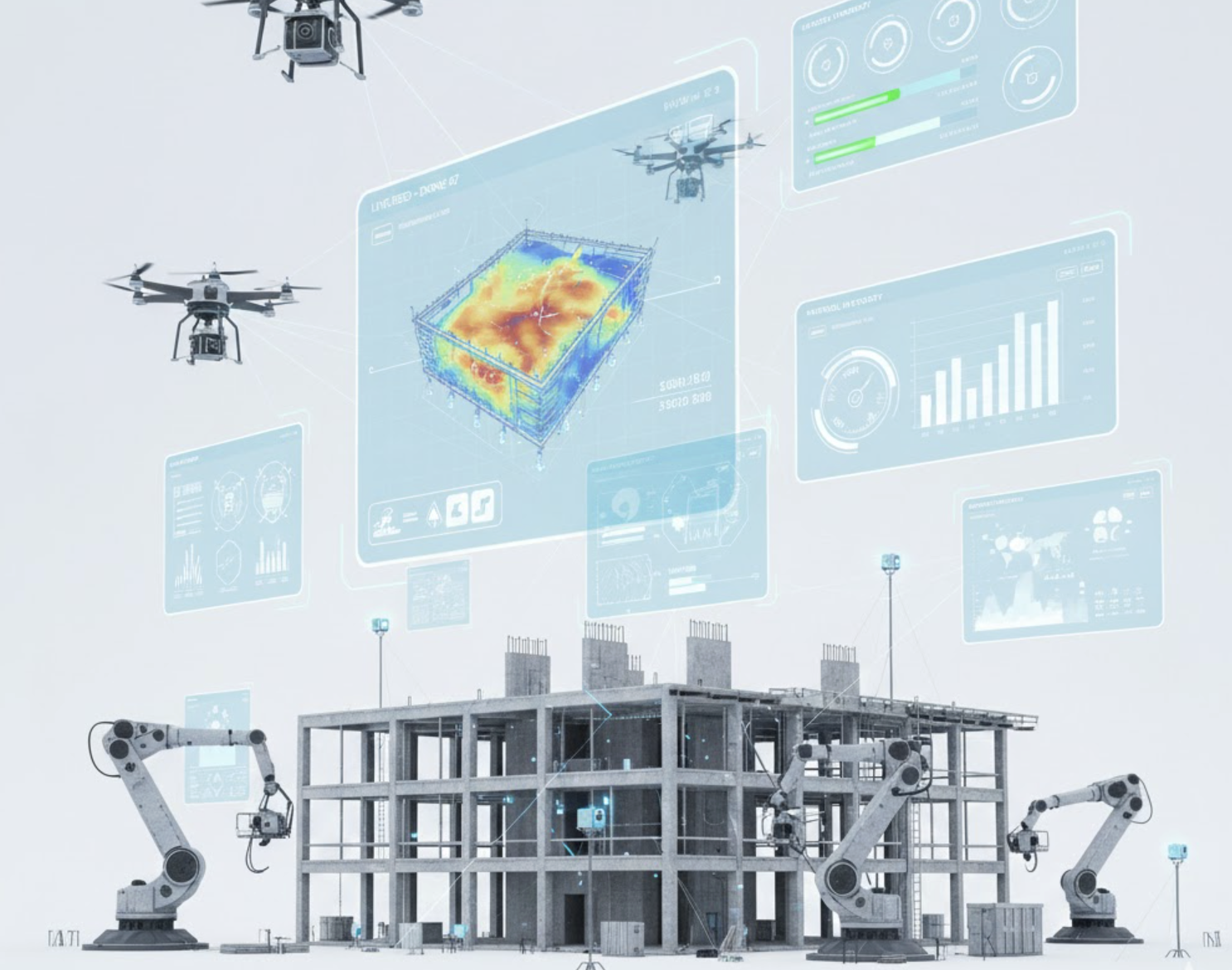

Construction project management software is more than a digital upgrade to blueprints and spreadsheets—it’s a powerful force multiplier for transforming productivity, risk management, and project delivery across the industry. In construction, where margins run thin and complexity compounds risk, leaders increasingly seek tools and strategies that amplify capabilities without requiring a proportional increase in resources. Enter the era of force multipliers like AI in construction, integrated digital platforms, and seamless jobsite management tools. This shift is essential for scaling efficiency, enforcing compliance, and fostering profitability as projects grow ever larger and more intricate.
Why Force Multipliers Matter in Construction
In military parlance, a force multiplier is something that amplifies the effectiveness of your existing resources. In construction, where hundreds of simultaneous tasks, endless documentation, tight regulatory controls, and dynamic site conditions are the norm, traditional approaches can only stretch so far before teams hit a bottleneck. With the advent of AI-driven construction management and connected, cloud-based platforms, companies can now unlock new levels of performance, turning digital innovations into practical, daily competitive advantages.
Consider common jobsite challenges: missed inspections, lagging snag resolutions, missed compliance steps, and data silos that keep decision makers in the dark. Force multipliers, when embedded into every facet of operations—like those found in Zepth Core—enable not just speed, but also smarter choices, predictive risk insight, and real-time construction project data that feeds every stakeholder the information they need, precisely when they need it. This means less firefighting and more proactive construction risk management, minimizing costly rework and delays.
The Building Blocks of Smart Construction Force Multipliers
Zepth Core, as an enterprise construction management platform, exemplifies how digital force multipliers can redefine site productivity and assurance. Its jobsite management tools—from digital inspections to safety violation tracking—eliminate manual handovers and paper trails that historically bog down projects. Modules such as HSE compliance, incident reporting, and snag list management underscore how operational risks are caught and corrected early, shrinking the window for issues to escalate.
Force multipliers in construction also address a key pain point: data fragmentation. Construction document management is notorious for version confusion, lost submittals, and disconnected approvals. Zepth Core’s document register, mail module, and powerful submittal workflows centralize all project correspondence, drawings, and product data, fostering a true common data environment for construction. This streamlines communication, improves traceability—and with built-in AI-powered smart search, stakeholders retrieve critical information instantly. A key question might arise: How can a common data environment reduce errors and delays in construction? By ensuring everyone works from the same, most up-to-date information, costly mistakes from miscommunication are drastically reduced.
From Project Tracking to Predictive, Data-Driven Decisions
Modern construction demands real-time visibility—something that traditional Gantt charts and spreadsheets can’t deliver. Advanced construction project tracking software tools, like Zepth360 and deep analytics dashboards, become the linchpin for agile progress monitoring and instant reporting. With Zepth Core, field teams capture daily updates, progress reports, and even visual site records (photos, videos, and 360-degree imagery), linked to locations or models, feeding decision-makers a rich tapestry of live data.
- Daily Reports track work progress, site conditions, and resource allocations, streamlining team updates and accountability.
- Progress Reports compare planned versus actual timelines, facilitating rapid intervention when delays surface.
- Non-conformance tracking identifies deviations, driving immediate corrective actions without waiting for formal audits.
But data collection alone isn’t enough—embedded AI-powered project management helps analyze trends, flag emerging issues, and even forecast outcomes. Zepth Core’s insights & analytics module transforms siloed updates into interactive dashboards, putting actionable intelligence front and center. Curious about how AI is changing construction management? Modern AI and machine learning can sift through thousands of data points—incidents, financial line items, RFIs—to predict where risks may appear or where spending might drift off course, allowing managers to act before minor issues become major problems.
Financial and Risk Management as Multipliers, Not Afterthoughts
Many project teams grapple with untracked costs, slow budget approvals, and opaque risk registers until a crisis hits. Force multipliers like construction financial management tools and AI risk management in construction shift risk and cost control from the back office to a core, daily discipline. Zepth Core lets users set up a robust project cost control framework, dynamically tracking expenditure, forecasting overruns, and streamlining change management—all within the same platform as jobsite updates and documentation.
The risk register and mitigation plan features centralize risk identification, assessment, and response strategies, ensuring all exposures, from compliance gaps to supply chain threats, are visible and actionable. With AI construction automation, patterns in incident reporting, safety violations, or financial drift are flagged for immediate review, supporting faster, data-driven interventions. This integrated approach not only protects the bottom line but helps construction leaders sleep better, knowing their teams are shielded from surprises.
Technology as the New Enabler: Scaling Performance Without Scaling Headcount
It’s important to address a common question: What are the main benefits of using construction project management software? The answer lies in workflow consolidation, reduced manual duplication, faster communication, and data-driven project control. Force multipliers let even small teams manage complex, multi-site projects with enterprise rigor—boosting transparency, accountability, and profitability at every stage.
Solutions powered by AI tools for construction and designed as true construction industry digital transformation platforms, like the Zepth Ecosystem, enable features such as:
- Cloud-based construction management for secure, anywhere access and seamless collaboration
- Construction lifecycle management software to support every project phase, from design to handover
- Integration with BIM (Building Information Modeling) and support for digital twins in construction
- Rich analytics and AI-driven forecasting for sustainable construction management
Another common inquiry: How does digital transformation improve construction safety and compliance? Automated documentation, instant notifications, and AI insights help catch safety violations, manage compliance logs, and ensure regulatory steps aren’t missed—even across multiple, complex sites. All these force multipliers increase project performance, but more importantly, protect the workforce and reputation of the business.
Multiplying Impact with Zepth Core
The push for construction tech innovation is less about replacing human expertise, and more about multiplying its effect. Platforms like Zepth Core let teams harness smart construction management tools that enhance every process—from incident reporting to cost control, document management, and beyond. Instead of wrestling with fragmented tools, construction professionals can focus on delivery, supported by a unified system where one update triggers all the right workflows, notifications, and analytics automatically.
As construction projects become ever more complex, the need for force multipliers isn’t optional—it’s existential. By leveraging a robust, AI construction platform built for flexibility and scale, and integrating it across the project lifecycle, companies position themselves for safer jobsites, predictable costs, faster closeout, and higher margins. In the modern construction industry, force multipliers like Zepth Core aren’t just a nice-to-have—they’re the new foundation for success.