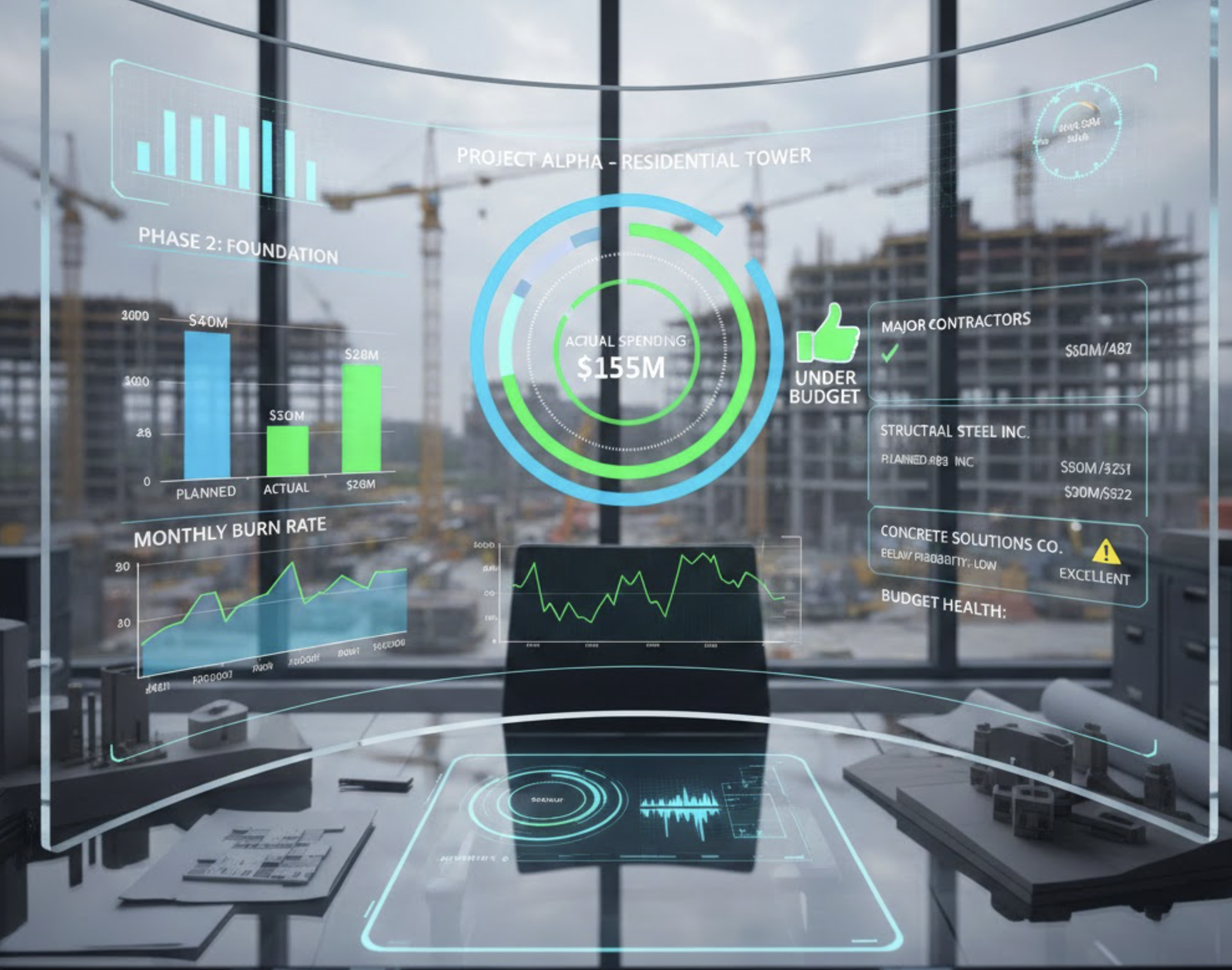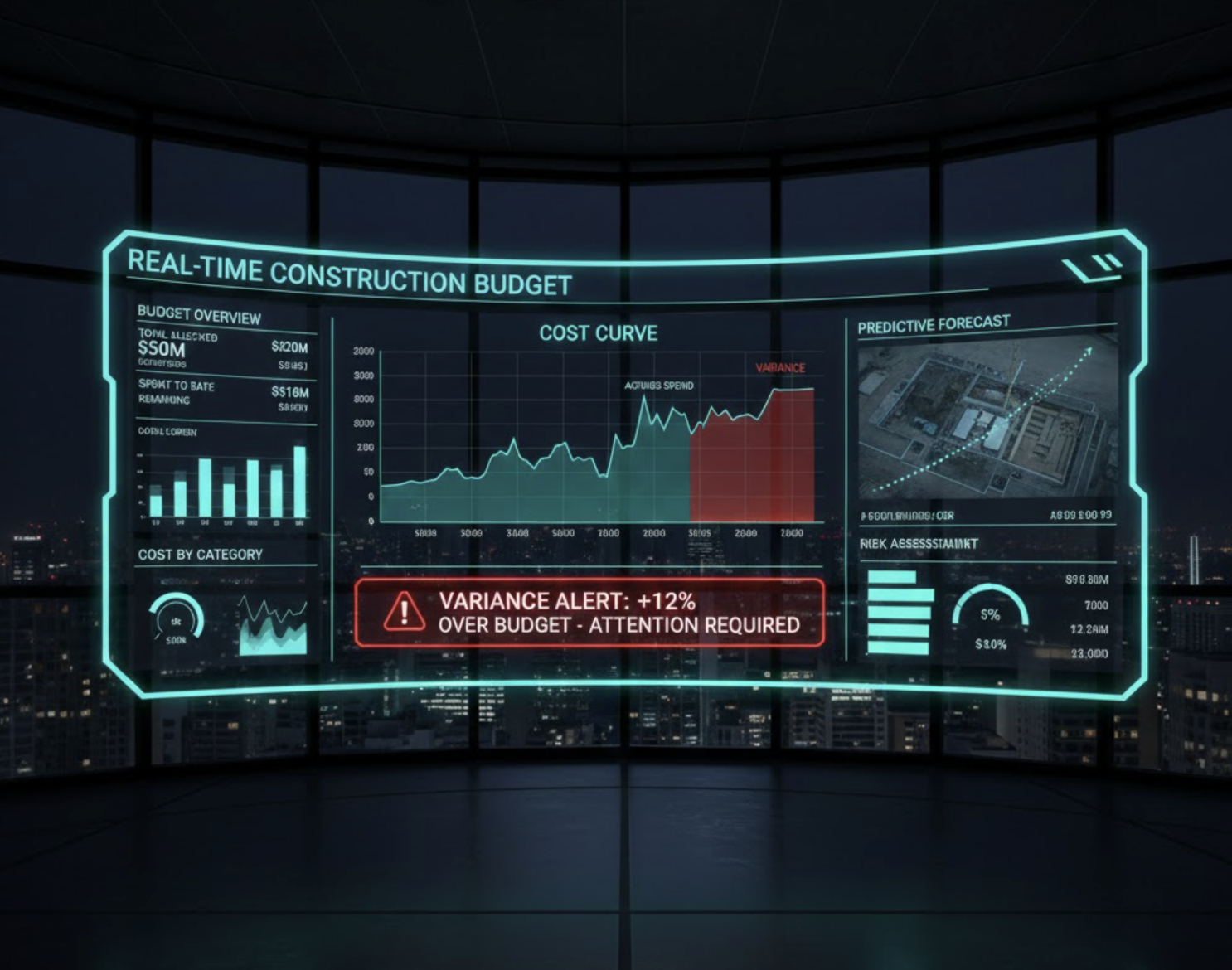

Construction project management software has transformed how UAE projects handle risk, making risk registers indispensable for proactive oversight. In the dynamic Middle Eastern market, with regulatory complexities and ambitious developments, robust risk management unites compliance, efficiency, and stakeholder trust. With modern platforms like Zepth Core, digital risk registers are no longer optional—they’re foundational to construction risk management and operational resilience.
Risk Registers: The Backbone of Construction Risk Management in the UAE
Construction risk management in the UAE isn’t just about reaction—it’s about prediction, prevention, and continuous improvement. The sheer scale and pace of UAE development projects demand visibility into everything that could undermine cost, schedule, or safety. A risk register centralizes and tracks all potential threats, from design deviations to compliance breaches, allowing project leaders to spot patterns before they amplify into bigger barriers.
Digital risk registers within comprehensive construction project management software like Zepth Core create a living document. Here, users log, classify, update, and monitor every risk in real-time, accessible by all stakeholders in a secure, common data environment for construction. This means no critical risk slips through the cracks, ensuring that nothing from unapproved material changes to unforeseen supply chain delays goes unnoticed.
Why Are Risk Registers Vital for Compliance and Safety?
Strict adherence to health, safety, and environmental regulations is non-negotiable in the UAE. With growing emphasis on sustainable construction management and evolving compliance standards, a well-maintained risk register ensures all hazards—be it site safety violations or regulatory submission lags—are visible and trackable.
Teams leveraging Zepth’s HSE Compliance and Incident Reporting modules can instantly report, assign, investigate, and mitigate issues. Risks identified are transferred directly into the central risk register, where Zepth’s AI-driven construction management platform analyzes trends and offers recommendations, sharply reducing manual oversight and accelerating intervention. Frequently, field teams wonder, “What is a risk register, and why do we need one on construction sites?” The answer is direct: without it, you can’t systemize lessons learned or create targeted mitigation plans—both are essential for superior safety and compliance.
Proactive Mitigation and Reporting With Zepth Core
The true strength of a risk register emerges in the ability to move from observation to action. Zepth Core empowers UAE construction professionals by integrating modules that connect risk, document management, and financial exposure. Whenever a risk is entered in the Risk Register, project managers can instantly assign mitigation plans, schedule reviews, and set automated reminders. This streamlines collaboration and accountability, especially important in multi-lingual, multi-vendor environments typical of the UAE.
Equally vital is risk reporting. With Zepth’s Insights & Analytics, projects generate automated dashboards highlighting risk trends, areas of recurring non-conformance, and overall risk exposure. Through structured data, project leaders answer questions like, “How do you use a risk register to improve project outcomes?” The answer—in the UAE context—is clear: real-time risk data fosters faster, smarter decisions and keeps teams agile in the face of change.
- Centrally log and classify risks by source, probability, and impact
- Link risks to specific jobsite or document management modules
- Set roles and permissions for risk owners and review cycles
- Integrate with construction cost control software to quantify financial impact
- Use AI tools for construction to automatically identify emerging risks
By digitizing every step—from identification through to closed mitigation—Zepth enables continuous improvement and institutional memory, both vital for the rapid progress and strict standards in UAE construction.
AI and Analytics: Elevating Risk Registers to New Heights
As construction industry digital transformation accelerates across the UAE, AI-powered project management is becoming a game changer. Zepth’s platform harnesses AI construction automation for deep project analytics, surfacing not just risks but also their root causes and probable development patterns. This smart construction management tool leverages predictive insights, making risk registers more than repositories—they become engines for foresight.
For example, Zepth integrates project financial tracking software and construction analytics and insights. When project budgets look strained, or progress stalls, the system will automatically flag relevant risks and initiate mitigation workflows. This advanced use of construction forecasting tools supports project budgeting tools for construction, offering early warnings for cost overruns or timeline drifts without the need for manual tracking.
An often-asked question is, “How does AI strengthen risk management in construction projects?” With Zepth, AI not only processes data rapidly but suggests mitigation strategies, connects risks to document workflows, and learns from past incidents to prioritize action in the next cycle—raising the project team’s intelligence exponentially.
Integrating Risk Management Across The Construction Lifecycle
A risk register’s power amplifies when it’s woven tightly with the rest of the digital construction ecosystem. In UAE projects, document management and risk management must interlock. Zepth Core’s Document Register, Submittal Management, and RFI workflows ensure all document-based risks—like late approvals or specification discrepancies—are instantly visible to risk owners. This cloud-based construction management approach guarantees the risk register remains current, actionable, and connected to real-time construction project data.
Further, outputs like Zepth360 allow teams to visually link risks with physical project areas and stages, utilizing BIM integration and paving the way for digital twins in construction. The ability to see, in a single platform, where risks concentrate across the site or project timeline aids prioritization and deepens understanding, essential for sustainable construction management in the resource-sensitive UAE.
The best construction project tracking software doesn’t work in isolation. Zepth breaks information silos with a true common data environment for construction. Project financials, document management, compliance logs, and schedules all feed into the risk register, boosting traceability, audit capability, and cross-team coordination throughout the project lifecycle.
Conclusion: The Strategic Value of Digital Risk Registers for UAE Projects
Modern UAE projects, defined by scale, ambition, and regulatory scrutiny, demand more than checklist-based risk control. Digital risk registers—especially when powered by AI construction platforms like Zepth—deliver 360-degree visibility, seamless collaboration, and actionable insights for rapid mitigation. For stakeholders and leaders determined to harness construction tech innovation, investing in advanced risk management is no longer optional. It’s the foundation of resilient, compliant, and cost-effective project delivery in the heart of the UAE’s built environment.