Modern construction project management software is evolving rapidly, thanks to the integration of artificial intelligence (AI) into every phase of project delivery. The shift from traditional planning methods to AI-powered project management marks a pivotal moment in the construction industry’s digital transformation. Leveraging AI in construction empowers planners, engineers, and project managers to make data-driven decisions, optimize their schedules, and utilize resources more effectively than ever before.
The AI Revolution in Construction Project Planning
AI’s entrance into the construction sector is not just a trend—it’s reshaping how teams approach analytics, project tracking, and jobsite coordination. With construction tech innovation, AI in construction project planning brings powerful benefits: streamlined workflows, improved accuracy, and proactive risk identification. AI-driven construction management platforms, such as those built by Zepth, deliver capabilities like schedule prediction, resource demand forecasting, and AI-based construction risk management. These tools allow teams to adjust project plans dynamically based on real-time data, ensuring more predictable project outcomes.
As a simple example, many project managers ask, “How does AI help in construction schedule optimization?” AI algorithms analyze historical project data, current progress, weather patterns, and supply chain conditions to flag potential bottlenecks early. This lets managers preempt delays, reallocate resources, and keep projects on track—something difficult with manual or spreadsheet-based approaches.
Resource Optimization: Maximizing Efficiency with AI
Resource management in construction is as crucial as schedule adherence. Over or under-allocation leads to cost overruns and wasted effort. AI tools for construction assess labor requirements, equipment availability, and material delivery timelines to propose the most efficient allocation strategy. Using Zepth Core’s Daily Reports and Progress Reports modules, site teams enter real-time updates, so AI systems continuously refine schedules and resource plans, even responding to unexpected changes such as weather disruptions or delivery delays.
Some benefits of AI-driven resource optimization include:
- Improved forecasting accuracy – Project budgeting tools for construction become smarter as AI learns from historical project data and vendor performance.
- Automated equipment utilization – AI construction automation reallocates machinery to where it’s needed most.
- Dynamic labor planning – Construction analytics and insights help teams match skills to specific site tasks, boosting productivity.
Frequently, teams wonder if construction cost control software powered by AI can really prevent overruns. In practice, these solutions flag excessive overtime, spot material wastage, and highlight unexpected costs before they impact the bottom line—streamlining the entire financial tracking process with smarter tools like those in Zepth Core’s Project Cost Control module.
Centralizing Data for Smarter Decisions: The Common Data Environment
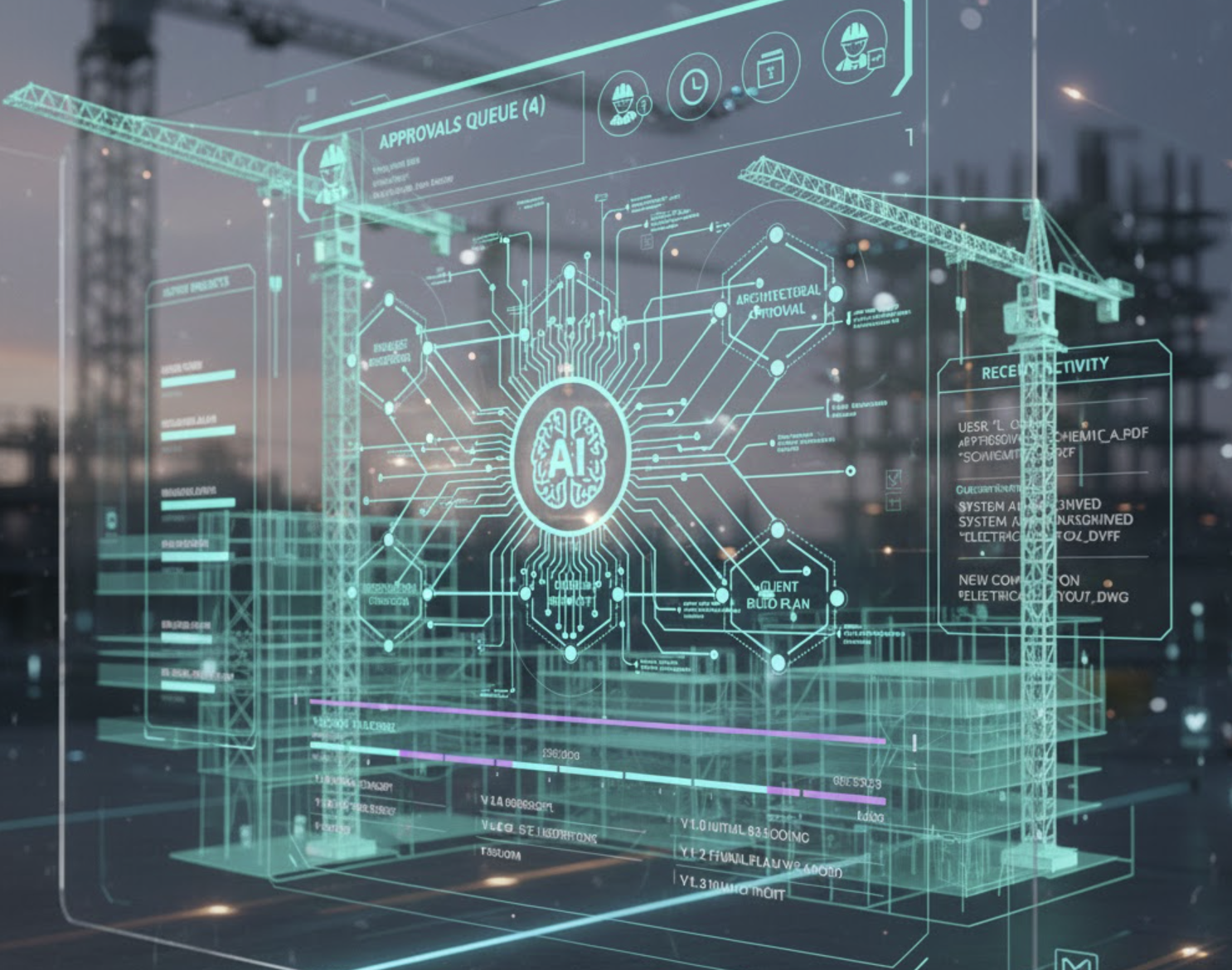
The role of a common data environment for construction has expanded as digital project information grows. With AI-integrated construction document management, all drawings, RFIs, submittals, and daily jobsite reports are organized and accessible in real time. Zepth Core’s Document Register, RFI Management, Submittals, and Mail features create a central hub, where AI algorithms analyze communications, cross-link construction documents, and highlight discrepancies.
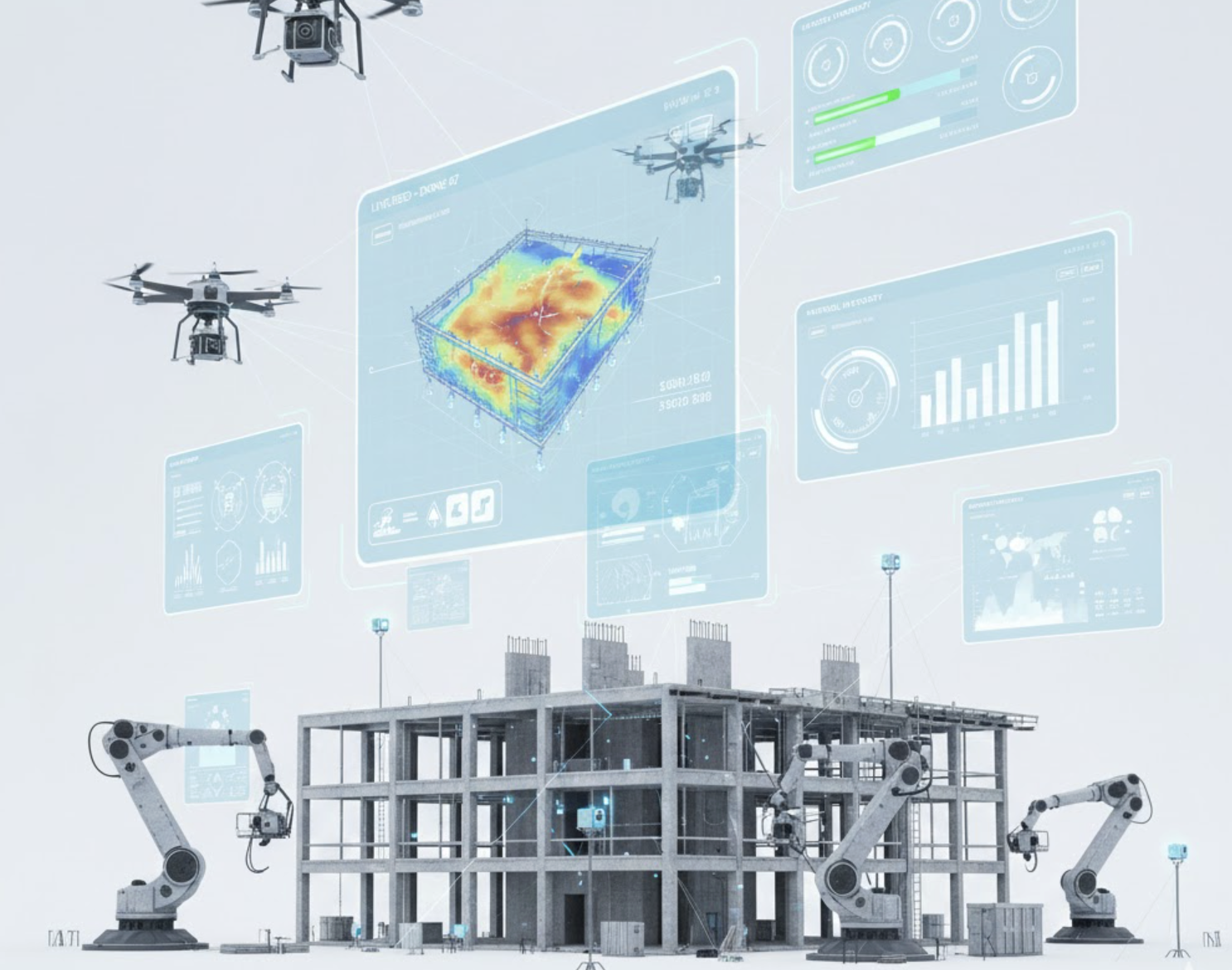
This centralized workflow enables smarter decision-making, fosters collaboration, and eliminates the risks of outdated information. When project teams ask, “What is the value of cloud-based construction management?” the answer is rapid access to a single source of truth, supported by AI-powered insights. Cloud-based systems make it possible to collaborate across distributed teams, while digital twins in construction—virtual models updated with real-time data—enhance monitoring and planning. Zepth360, for example, links photos and 360-degree updates directly to the project model or physical site, providing visual confirmation of progress and integrating seamlessly with BIM (Building Information Modeling) workflows.
AI-Enabled Risk Management and Compliance
Every construction project faces risk—delays, quality issues, safety incidents. AI risk management in construction automates the identification, assessment, and mitigation of these risks. Zepth Core’s Risk Register, Mitigation Plans, and Risk Reporting modules offer AI-driven dashboards that constantly scan project data, jobsite compliance logs, and progress analytics. The systematic documentation of HSE Compliance, Incident Reporting, and Non-Conformance ensures that potential hazards are flagged immediately and tracked until resolution.
For teams striving for excellence, construction compliance software anchored in AI maintains audit trails, ensures regulatory adherence, and forecasts safety trends. “How can AI improve safety in construction?” Project managers leverage dynamic alerts and predictive analytics, catching non-compliance or recurring risks before they escalate—leading to safer and more reliable outcomes every time.
From Planning to Execution: The Zepth Approach to Smart Construction
In the journey from concept to handover, robust construction project tracking software keeps everyone accountable and aligned. Zepth Core excels at orchestrating these complex processes with a suite of smart construction management tools:
- Jobsite Management modules streamline inspections, handle site instructions, track material quality, and manage safety violations efficiently.
- Document Management features offer a modern construction submittal software solution with version control, approval workflows, and secure correspondence.
- Real-time Insights & Analytics with interactive dashboards empower leadership with up-to-the-minute project forecasting tools and actionable intelligence.
- AI-driven Automation from Zepth Anly extends across the ecosystem, integrating AI-powered algorithms into planning, execution, and reporting workflows—enabling digital twins in construction and supporting lifecycle management.
This integrated approach unlocks transparency and control over the entire construction lifecycle management software landscape. Whether leading a major enterprise or running a specialized team, organizations can rely on Zepth to deliver smarter scheduling, real-time risk assessment, and advanced resource optimization—all driven by a foundation of trusted data and AI construction platform capabilities.
Shaping the Future: Sustainable and Smart Construction
The future of project delivery lies in sustainable construction management and cutting-edge technology adoption. With growing industry demands for accountability, efficiency, and environmental stewardship, organizations turn to digital, AI-infused platforms not only to optimize project schedules and resources, but to drive measurable improvements in sustainability. Automated document management, paperless workflows, and predictive insights support green initiatives, ensuring that savings in time and resources also mean a lighter footprint on the environment.
As the industry continues to evolve, construction stakeholders—from contractors and engineers to developers and owners—benefit from the seamless integration of AI tools for construction into every aspect of project planning and management. The adoption of platforms like Zepth Core signals a new era, where optimized schedules and resource strategies are just the beginning, and where AI-driven processes deliver lasting value across the project lifecycle.
In short, smart construction management tools built around AI and a common data environment are setting new standards in how teams plan, monitor, and execute with precision.