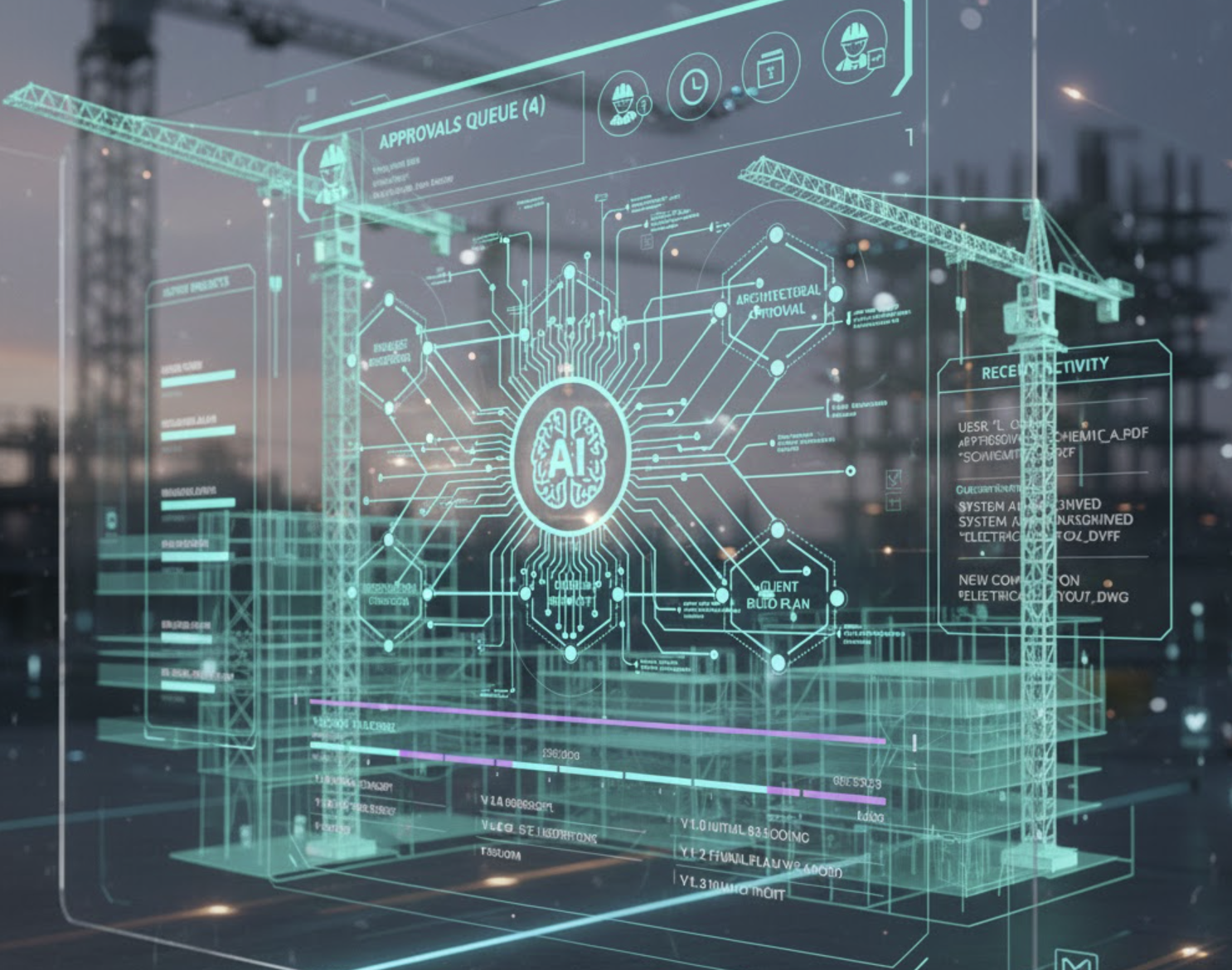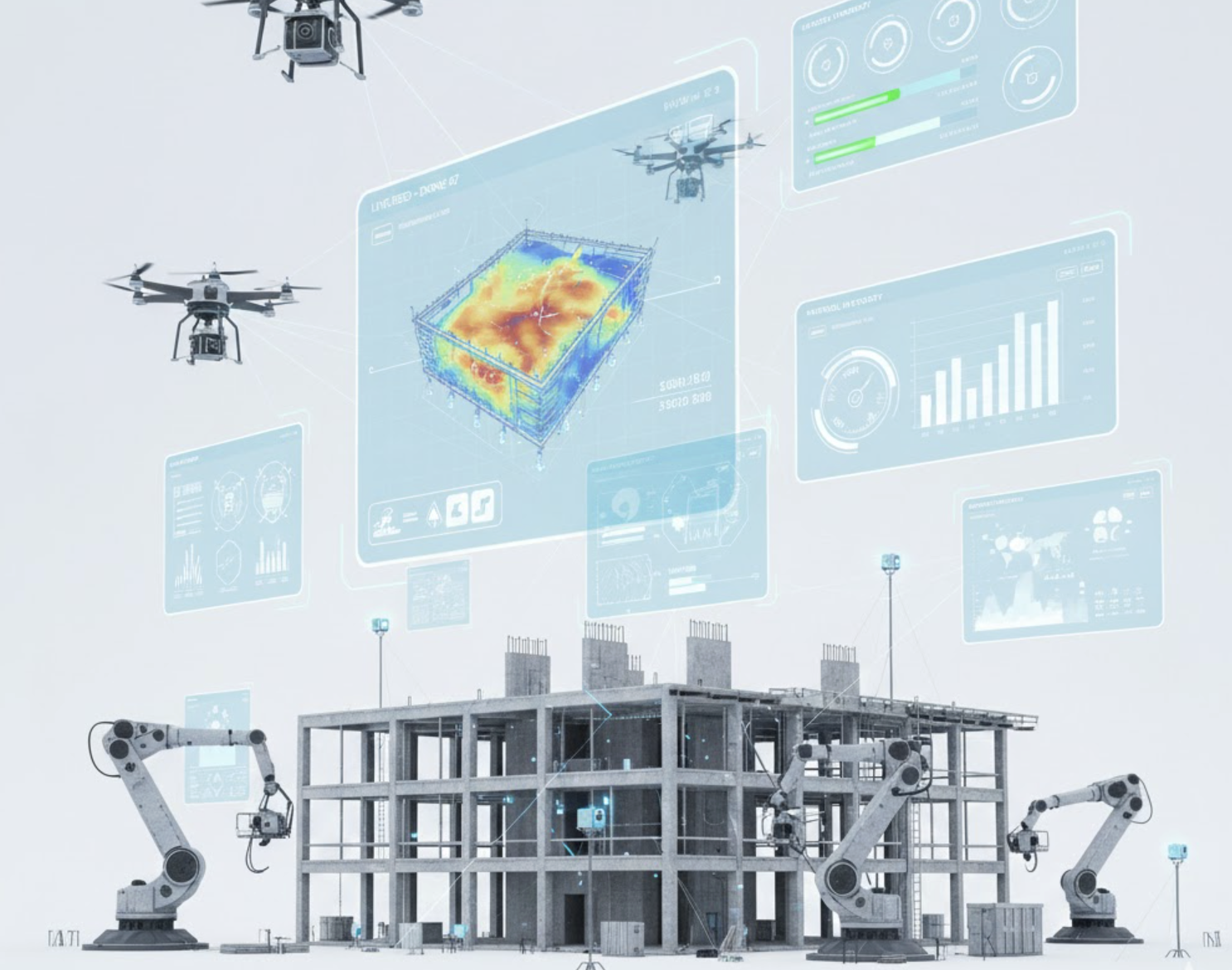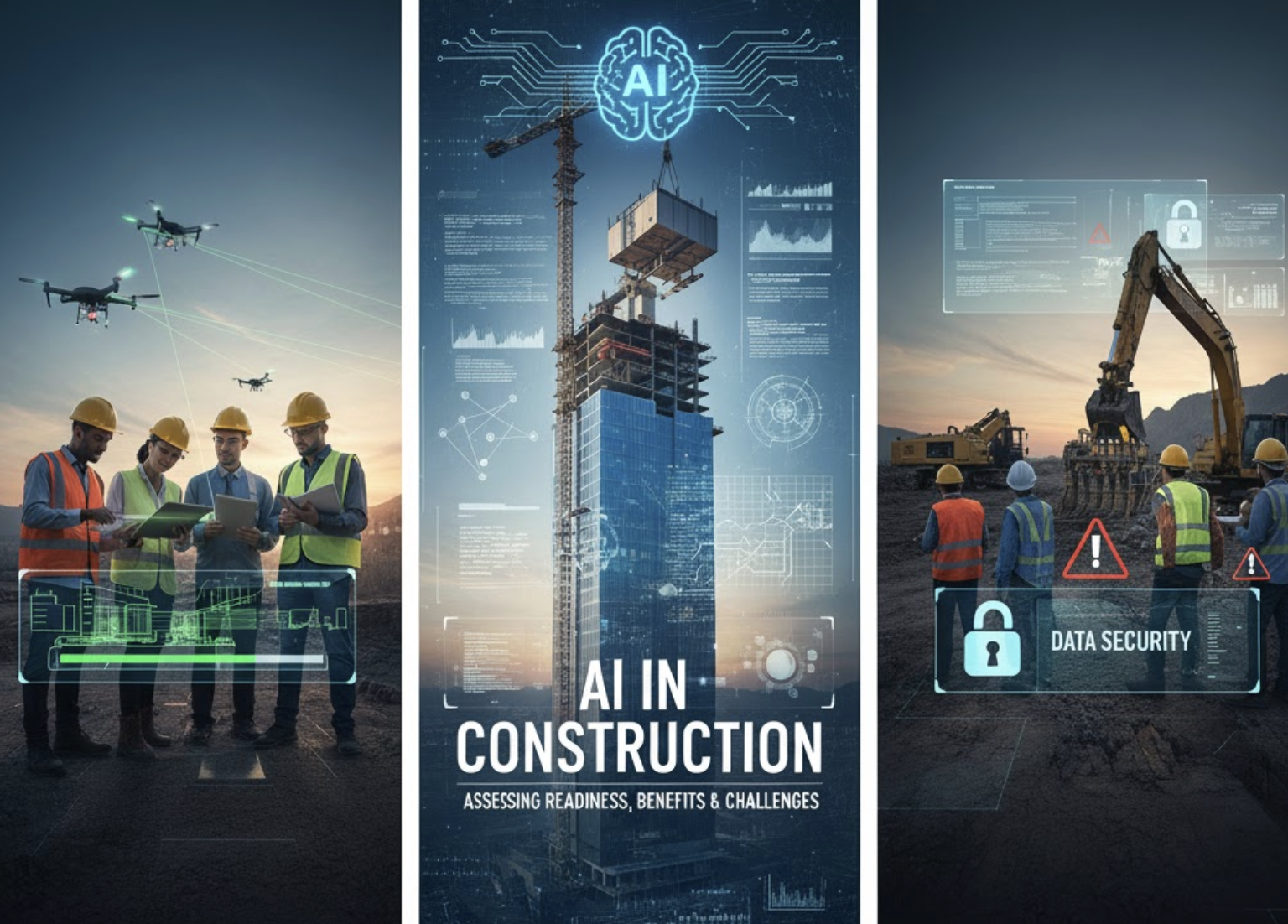

AI for construction project planning is transforming the way builders, contractors, and developers approach complex schedules and resource management. As the industry faces mounting pressure for efficiency, timely delivery, and cost control, leveraging AI-driven construction project management software becomes essential to outpace challenges. In this article, we delve into how AI tools optimize construction schedules, reduce risk, and automate resource allocation—highlighting how platforms like Zepth Core are leading this digital transformation in the built world.
How AI Transforms Construction Project Scheduling
The process of developing an effective construction project schedule covers many moving parts—task sequencing, resource leveling, dependencies, and unexpected disruptions. Traditionally, these functions have relied on manual processes, spreadsheets, and fragmented communications that often fall short as project scale and complexity increase. With the advent of AI in construction, project teams now gain access to sophisticated algorithms capable of handling dynamic data and predicting future bottlenecks.
AI-powered project management platforms analyze extensive historical and real-time project data such as labor productivity, equipment use, weather, and site conditions. These platforms, including Zepth Core, process this data to generate optimized schedules that factor in resource constraints, risk probabilities, and even supply chain variables. Construction project tracking software with embedded AI makes it possible to:
- Dynamically update schedules in response to jobsite issues or material delays
- Forecast project milestones using simulation and machine learning
- Identify critical path risks before they impact delivery
- Automate re-sequencing of tasks to maximize crew and equipment efficiency
This new approach answers an often-asked question: How can construction schedules be made more accurate and reliable? The answer lies in AI’s ability to minimize assumptions and react to live project data, reducing guesswork and enabling continuous refinement. With tools like Zepth’s Progress Reports and Zepth360 visual tracking, project leads see at-a-glance how their operations are measuring against plans.
Optimizing Resource Allocation with AI-Driven Insights
Resource management remains a focal challenge in construction lifecycle management software. Inefficient use of labor, equipment, and materials can erode profit margins and introduce costly delays. AI-powered resource planning within platforms like Zepth Core interprets historical productivity, weather forecasts, material procurement schedules, and workforce availability, providing clear recommendations on optimal task assignment and deployment.
The process goes beyond simple allocation: AI construction automation detects underutilized assets, predicts shortages, and flags issues before they escalate. Team leaders receive actionable insights into:
- Real-time equipment tracking and utilization
- Optimal crew size and deployment per work package
- Anticipated material needs aligned with schedule changes
- Potential supply chain bottlenecks and recommended mitigations
This is central to a question frequently raised: What are the benefits of AI tools for construction resource management? The benefits include cost savings, productivity boosts, and more flexible response to jobsite changes. Zepth Core’s Material Inspection and Jobsite Management features automate tracking of resource inflows, while Insights & Analytics dashboards bring together key project performance indicators for faster decisions.
AI and Risk Mitigation in Construction Scheduling
No construction project is free from risk—delays, compliance failures, accidents, and unexpected site conditions can disrupt even the most meticulously planned jobs. The advantage of AI risk management in construction is its ability to synthesize project risk data, from contract deviations to weather threats. Zepth Core integrates with modules like Risk Register and Mitigation Plans to automate the identification, classification, and escalation of threats as soon as they emerge on the jobsite or in documentation workflow.
Moreover, these modules answer another critical query: How can construction teams proactively manage risks to project timelines? AI-backed construction risk management tools allow project leaders to:
- Anticipate high-risk timeframes or cost overruns through predictive analytics
- Monitor HSE compliance and incident trends in real-time using non-conformance and incident reporting modules
- Visualize risk scenarios mapped to schedule dependencies
- Seamlessly adjust mitigation plans and communicate changes to all stakeholders instantly
This data-driven approach promotes timely, risk-informed decisions rather than reactive crisis management. Zepth Core’s AI-driven construction management ecosystem continuously learns from past incidents and project outcomes to improve future risk predictions.
Smart Document Management and Data-Driven Planning
The backbone of modern project planning is a robust common data environment for construction. AI document management software, as provided by Zepth Core’s Document Register, Submittals, and RFI Management modules, enables teams to digitize, organize, and retrieve essential project information with ease. Streamlined construction document management workflows ensure that all stakeholders work from the correct versions of plans, specifications, and approvals—eliminating the confusion and delays stemming from paper-based or siloed file systems.
By automating document review and routing processes, AI speeds up submissions, detects missing or expired documents, and safeguards compliance. One simple question in the field often surfaces: How does construction submittal software improve project planning and coordination? The answer is efficiency—by centralizing document control, automating notifications, and linking documents to site instructions, inspections, or authority approvals, the risk of miscommunication drops dramatically.
Zepth Core’s document modules, paired with smart mail and minutes of meeting features, turn unstructured communications into traceable, actionable records. As construction tech innovation moves toward advanced digital twins and BIM integration, seamless data exchange with project financials and risk modules powers holistic construction analytics and insights.
The Zepth Advantage: Integrating AI Across the Construction Lifecycle
Choosing an AI construction platform is a strategic step for any firm looking to embrace the future of construction industry digital transformation. Zepth Core stands apart with its modular, enterprise-grade architecture—offering end-to-end construction scheduling, document management, cost control, and risk tracking features in a unified cloud-based system.
From project initiation to closeout, Zepth enables teams to:
- Capture and analyze real-time construction project data via daily and progress reports
- Orchestrate jobsite management with automated inspections, snag lists, and safety audits
- Support construction cost control software functions with live budgeting and forecasting
- Link risk, compliance, and document workflows for full lifecycle transparency
- Leverage construction forecasting tools for sustainable construction management
With support for mobile jobsite tools and deep analytics, Zepth Core ensures smarter allocation of resources and clearer scheduling paths—empowering project managers with data, not just intuition. Whether you ask, What technologies are driving digital twins in construction? or How does AI enable continuous project improvement?, the answer increasingly involves robust platforms like Zepth, designed to bring data, people, and processes together in powerful new ways.
In summary, the integration of AI-powered project management, smart construction management tools, and comprehensive risk modules enables the construction sector to meet new challenges with precision and agility. Construction project management software like Zepth Core turns complexity into clarity, optimizes schedules and resource use, and delivers measurable results. For forward-thinking builders and contractors, the future of construction project planning is not just digital—it’s truly intelligent.