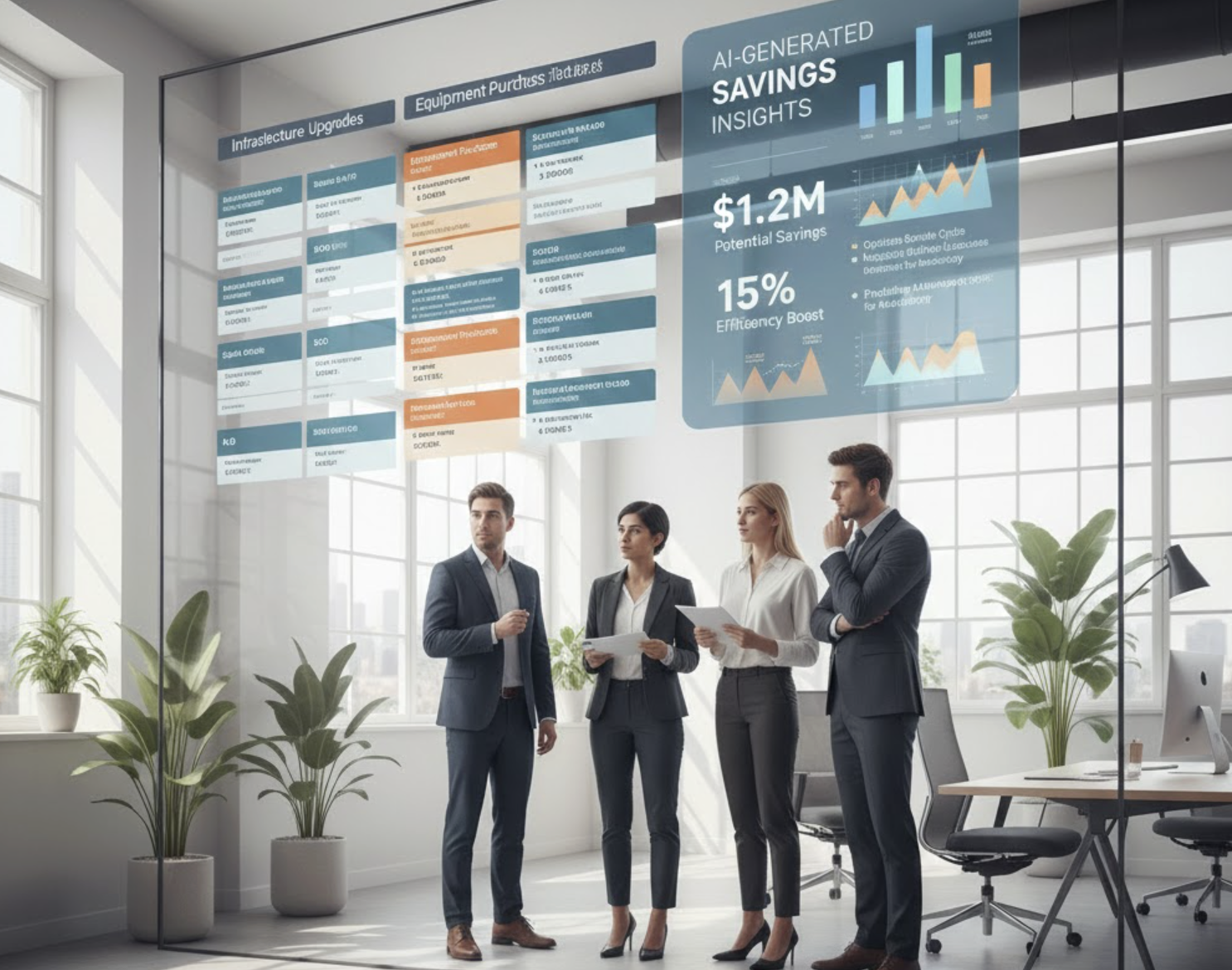

Construction project management software stands at the heart of modern contractor operations. Nowhere are its advantages more acute than in variation control, where each change can directly impact project budgets, timelines, and ultimately, contractor margins. Contractors often face margin erosion due to poorly tracked variations, late submittals, and uncontrolled change orders. Mastery of variation control not only drives project success, but also protects those hard-earned profits in a fiercely competitive industry, especially as AI-driven construction management becomes a transformative force.
The Unseen Margin Erosion: Why Variation Control Is Paramount
Construction jobs rarely, if ever, adhere perfectly to the original scope. On even the best-managed sites, there will be design adjustments, material substitutions, unforeseen conditions, or client-initiated changes. Each variation—no matter how minor—has the potential to impact financial outcomes. The real threat to margins emerges not solely from the number of variations, but from incomplete tracking, slow approval cycles, or a lack of real-time data. When variations slip through the cracks, contractors face escalating costs, disputes, missed billing opportunities, and extended project lifecycles.
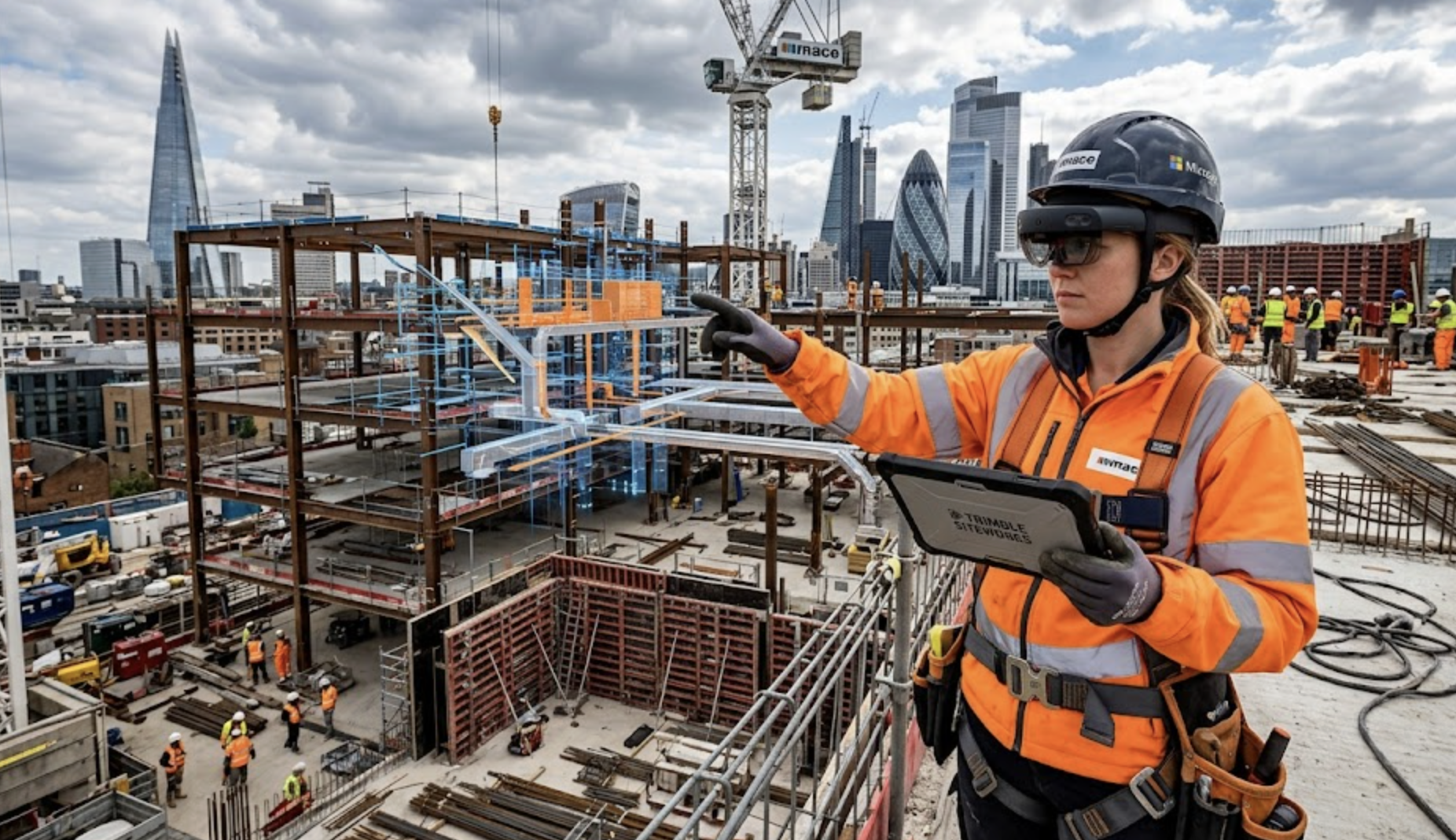
Modern jobsite management tools like those in Zepth Core directly address these risks. By centralizing communications, capturing real-time change documentation, and connecting the field and office seamlessly, software-powered variation control delivers:
- Clear, auditable records of every change request and approval
- Automated workflows for fast, transparent processing
- Integration of cost and schedule adjustments in real time
- Definitive links between drawings, RFIs, submittals, and change orders
- Immediate visibility into current project budgets and margins
Embracing AI-Powered Project Management: A Game-Changer for Contractors
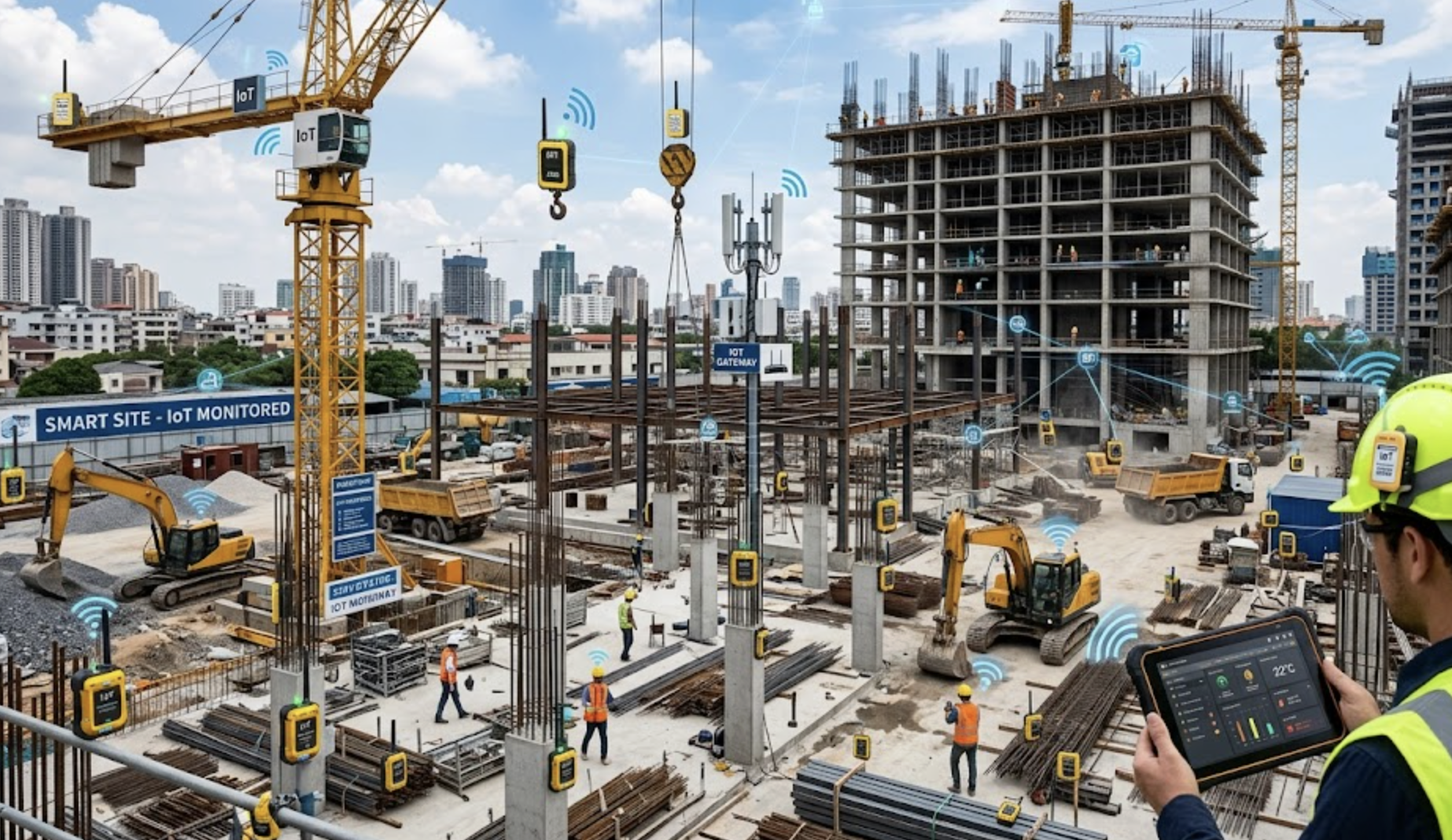
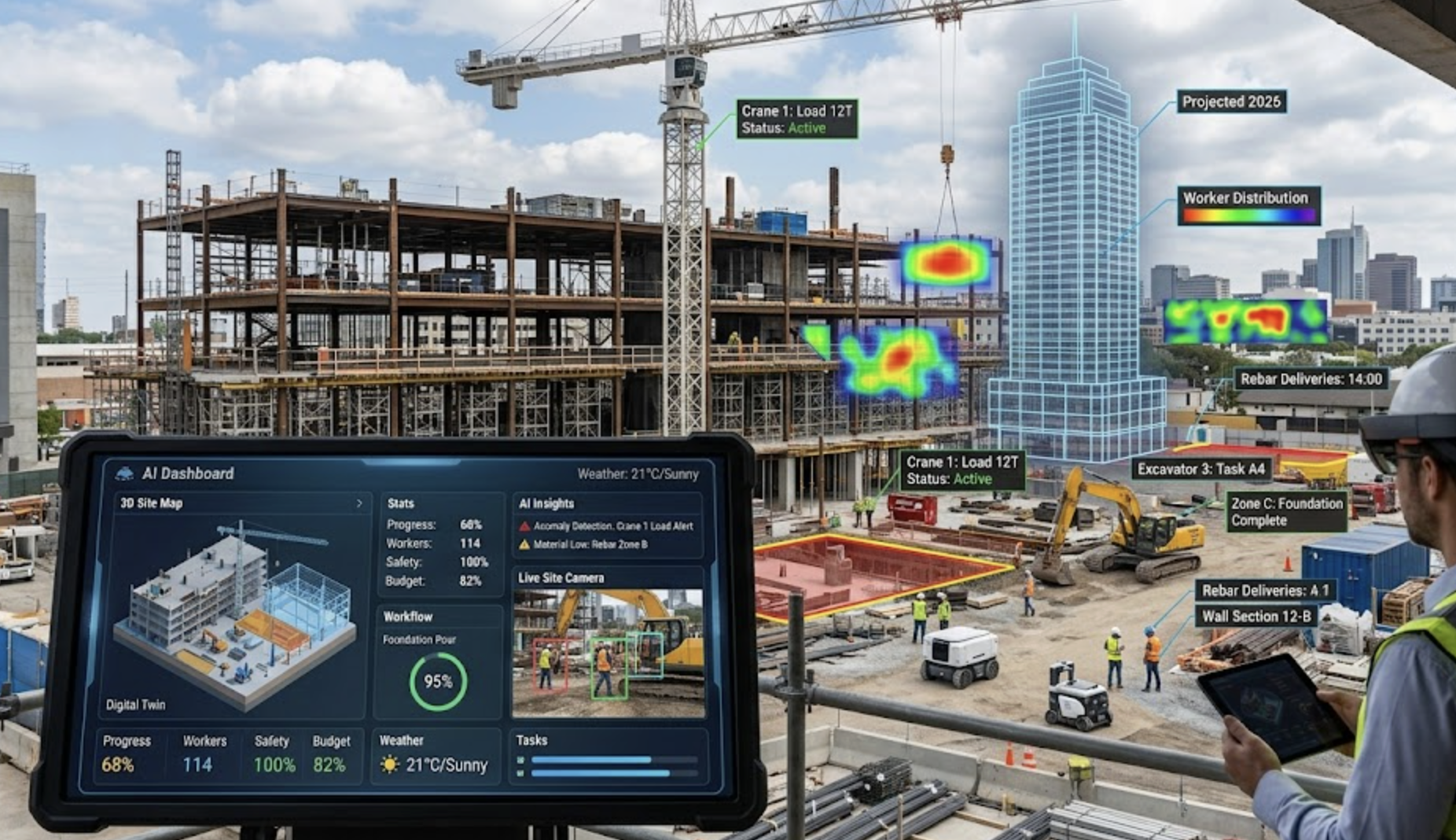
What does AI construction automation mean for variation control? While traditionally, project managers relied on manual spreadsheets, email threads, or siloed software to track changes, today’s AI tools for construction automate much of this heavy lifting. Platforms like Zepth Core offer an always-on common data environment for construction, using machine-learning algorithms to flag unusual cost trends, predict the impact of pending variations, and suggest proactive course corrections.
Suppose a contractor receives multiple design clarifications and updated submittals mid-project. With AI construction analytics and insights, the platform can:
- Automatically assess which change orders are likely to collide with critical path tasks
- Forecast cumulative cost impact on overall project budgets
- Highlight non-standard contract language that could affect entitlement to payment
- Alert the project manager about outstanding approvals or unresolved information requests
These smart construction management tools act as a digital co-pilot, reducing the burden on project teams and ensuring that no profitable opportunity is missed due to oversight or slow workflows. In fact, one common question professionals ask is: “How can AI-powered project management improve visibility into project changes?” The answer lies in the real-time data aggregation and predictive insights AI tools provide, drastically reducing margin leakage from missed or poorly managed variations.
Zepth Core: Holistic Variation Control Built In
Zepth Core seamlessly integrates variation/change order management across its modules, delivering true construction lifecycle management software that never loses sight of margin protection. Its feature set, designed by construction professionals, assures full capture, evaluation, and approval of all project changes:
- Submittals & RFI Management: Every change or clarification runs through an auditable workflow, ensuring nothing goes undocumented or unapproved before work proceeds.
- Project Cost Control: Budget impacts are calculated in real time. Contractors always know their current financial standing, with built-in construction financial tracking software for immediately reconciling new instructions or scope growth with the baseline budget.
- Insights & Analytics: Dashboards deliver actionable information: open variations, processing delays, total value, pending approvals, and projected margin change. This is supported by construction analytics and insights powered by AI.
- Document Management: The document register and transmittals link every variation back to contract drawings, addenda, and specifications in a common data environment for construction, maintaining robust version control.
- Risk Register & Mitigation Plans: New variations automatically prompt a risk re-assessment, allowing for dynamic risk mitigation in construction and preventing cost blowouts from compounding risk factors.
- Zepth360 & Progress Reports: Visual documentation tools connect the variation source (such as an unforeseen site condition) directly to change order paperwork, so nothing is missed from the field to the finance office.
Such integration allows contractors to transform variation management from a reactive process to a core competency. Many contractors wonder, “What is the best way to track change orders in construction?” Zepth’s clear, interconnected modules demonstrate that the answer centers on integrated, workflow-driven platforms that bridge the gap from field conditions to executive financial forecasts.
Proactive Margin Protection: Beyond just Documenting Variations
Robust construction document management and construction submittal software create clarity and prevent disputes, but the most advanced platforms go further. Sustainable construction management means not only controlling immediate project costs, but building capacity for repeatable, profitable execution. Zepth’s focus on AI construction platform innovation ensures that lessons learned from every project feed back into smarter forecasting and better risk allocation. Cloud-based construction management supports distributed teams that work anywhere, keeping variation workflows moving whether the team is in the field, at the office, or remote.
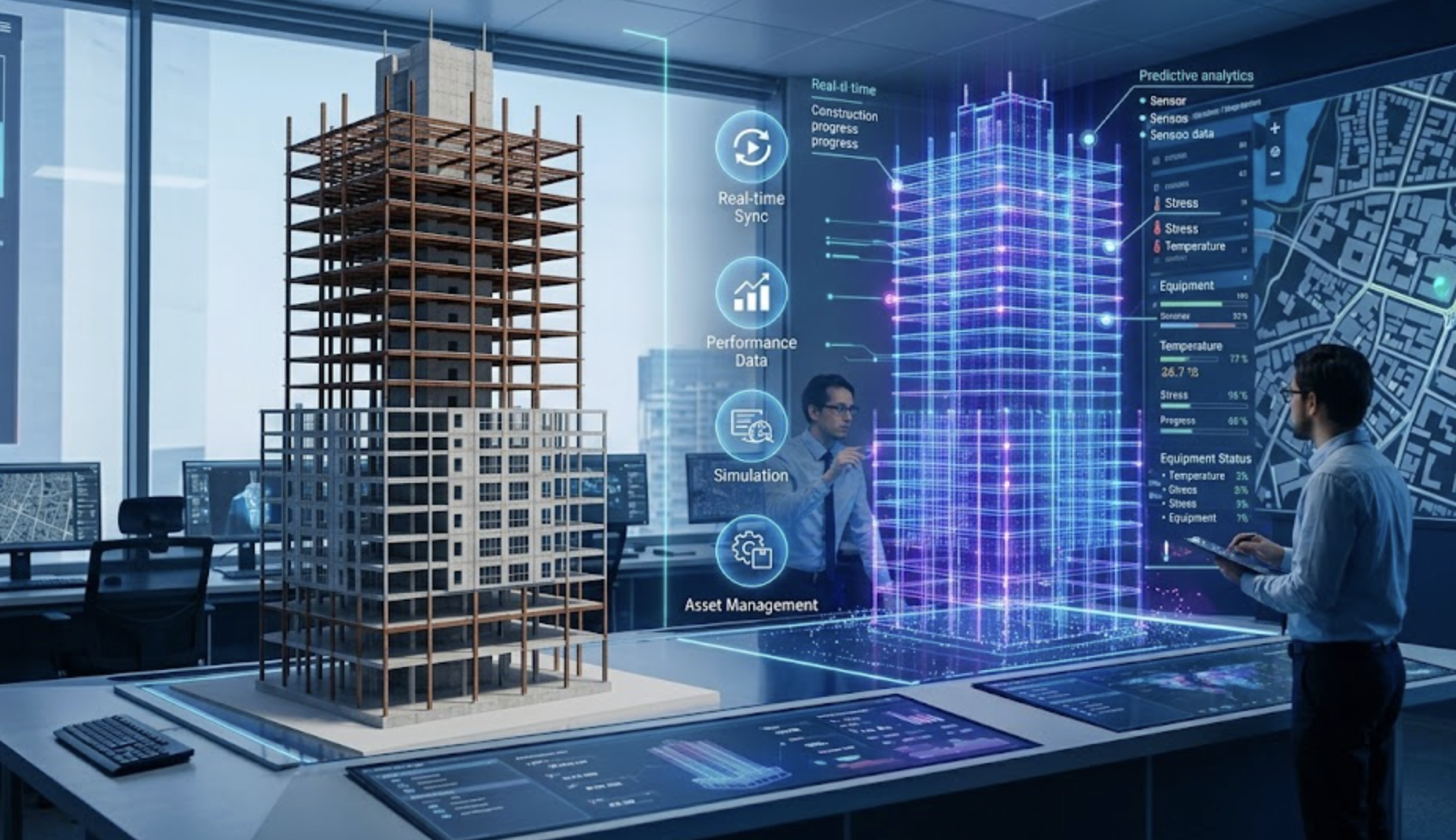
Zepth takes digital transformation seriously, supporting digital twins in construction. This means that every change to the “real” project automatically updates the digital model, supporting both real-time construction project data capture and long-term asset management. As a result, contractors face fewer surprises, faster approvals, and superior forecasting tools—key to defending slim margins in an era of rising input costs and regulatory complexity.
Future-Proofing Profitability: Technology and Culture
While technology forms the backbone of successful variation control, true margin protection requires a culture of shared responsibility. Teams must be trained to document everything, escalate issues early, and treat digital change management as a fundamental business process. AI in construction will continue to evolve—expect even deeper integrations with BIM, more intuitive interfaces, and further automation of routine decision-making. Contractors who invest in these smart construction management tools and align their processes to support variation tracking grow not only their profitability, but also client trust and repeat business.
In conclusion, effective variation control protects contractor margins by tying together contract administration, project tracking, cost forecasting, and risk analytics. With the support of a comprehensive platform like Zepth Core, change can become an opportunity, not a threat.