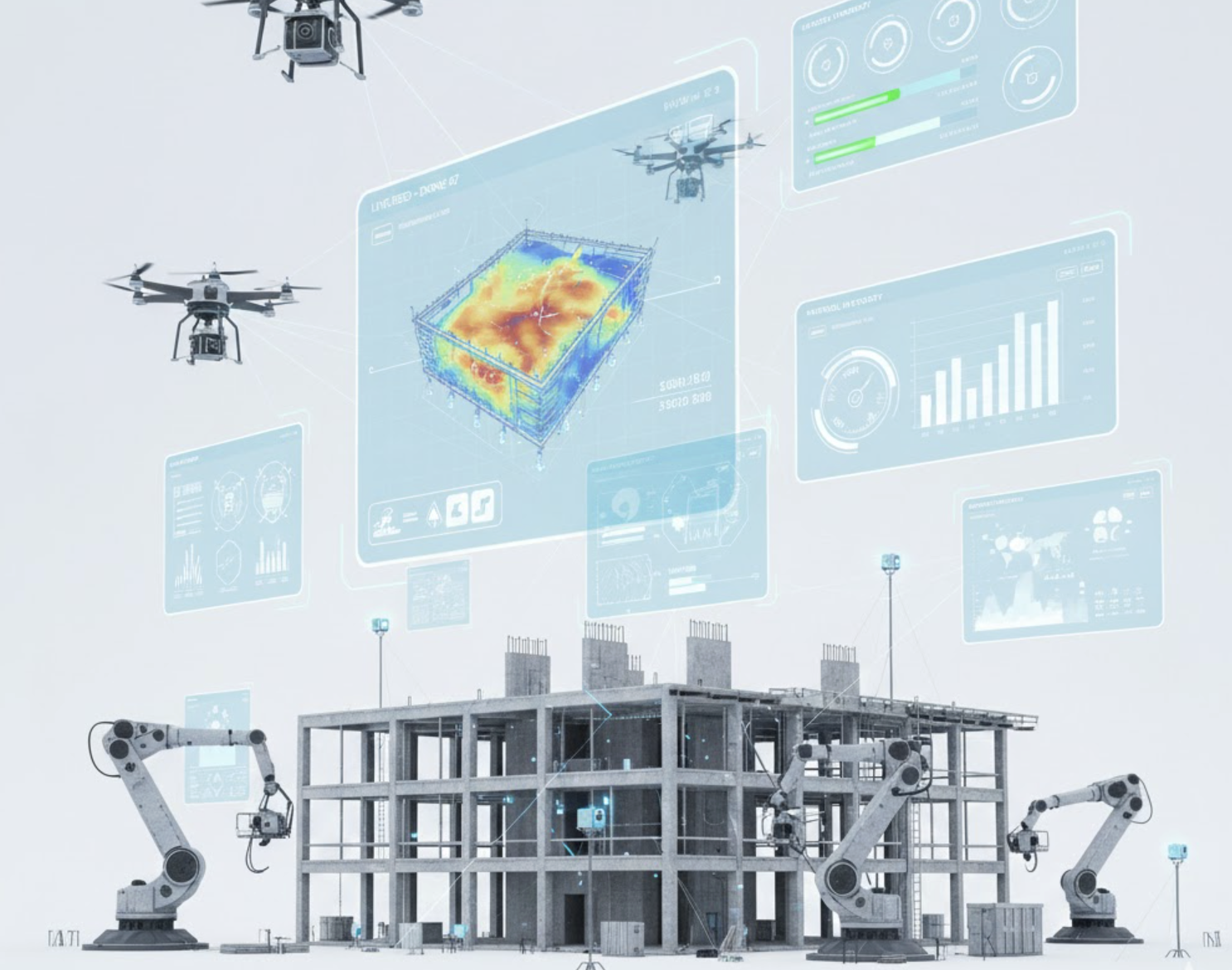

Predictive procurement intelligence has rewritten the rules for construction procurement management software, shifting teams from reactive, manual chaos to proactive, data-driven decision-making. As market dynamics grow more volatile and complex, construction leaders are increasingly turning to digital procurement solutions powered by artificial intelligence and advanced analytics. With platforms like Zepth Flow, enterprises gain the speed, transparency, and continuous improvement their projects demand—making the leap from transactional to strategic procurement.
What Is Predictive Procurement Intelligence?
Predictive procurement intelligence represents the cutting edge of enterprise procurement platforms. By harnessing AI, machine learning, and procurement analytics, this approach forecasts future purchasing needs, market price changes, supplier risks, and even project outcomes—turning procurement into a foresight-driven function. Where traditional workflows rely on manual tracking and often react after issues arise, digital procurement solutions equipped with predictive intelligence anticipate potential challenges weeks or months ahead. This empowers organizations to align orders with genuine demand, secure optimal pricing, and mitigate supply chain bottlenecks before they happen.
In construction, the impact is profound. Materials can make up 50–70% of a project’s total cost, and delays in sourcing or price shocks can derail the most carefully crafted schedules. Predictive tools draw from historical data (such as purchase orders and supplier performance), real-time site activity, and external signals (like commodity indexes, weather, and regulatory updates). Integrated within a connected enterprise procurement ecosystem, these technologies form the backbone for resilient, agile supply chains.
Why Predictive Procurement Intelligence Matters
Construction supply chains today face growing complexity. As the global construction market heads toward $15.5 trillion by 2030, pressure mounts around cost control, regulatory compliance, and risk management. Issues like pandemic-induced supply chain shocks and geopolitical disruptions have shown that price volatility and uncertain lead times are now the norm.
- McKinsey estimates up to 10% cost reduction and 50–60% productivity gains are possible with best-in-class procurement automation tools and lean approaches.
- Traditional procurement frequently produces up to 30% material wastage from over-ordering and poor coordination.
- Procurement transformation strategies emphasizing AI and end-to-end visibility are now among the top investment priorities for construction business leaders.
The value of embracing digital tendering software and AI sourcing platforms is clear: enterprises achieve more accurate spend forecasts, reduce costly rush orders, and get earlier warning of supplier or logistics disruptions. A common user question is, “How can predictive procurement help reduce material waste and costs in construction projects?” The answer: by using AI to continuously match projected demand with on-site consumption and external risks, firms prevent over-buying and avoid expensive last-minute orders—directly improving the bottom line.
Core Capabilities of Predictive Procurement Intelligence
Demand Forecasting for Materials and Equipment
Enterprise sourcing software such as Zepth Flow taps into unified project schedules, issue tracking, RFIs, and change orders to power accurate material demand forecasts. Machine learning models ingest historical purchase patterns, digital blueprints, and on-site progress updates, generating real-time projections of what materials are needed, when, and how much—enabling just-in-time delivery and group purchasing across projects. This reduces both stockouts and surplus inventory that strain cash flow.
Price and Cost Forecasting
Smart procurement solutions use regression and time-series models to predict price trends for steel, cement, aggregates, and key equipment. External indices (commodity prices, freight rates, fuel) are blended with internal purchase data, enabling teams to benchmark supplier quotes, plan procurement timing to hedge against market spikes, and proactively manage cost overruns. With Zepth’s cost management tools, users are alerted when forecasts exceed budget thresholds, which becomes critical for tender evaluation automation and contract lifecycle management.
Supplier Performance and Risk Scoring
AI supplier evaluation tools go beyond basic compliance filtering. By aggregating quality incidents, on-time delivery statistics, non-compliance events, and financial health metrics, predictive platforms calculate objective vendor scores. These feed into automated vendor management systems, highlighting preferred partners and flagging at-risk suppliers before contracts are finalized. A frequent query is, “What are the benefits of using AI for supplier evaluation in procurement?” Data-driven scoring leads to fewer quality issues and dramatically reduces schedule risks, replacing relationship-based decisions with transparent, auditable selection.
Lead Time and Logistics Prediction
Procurement workflow automation platforms use AI sourcing platforms to forecast delivery lead times by learning from prior shipments, site bottlenecks, and global logistics data. Predictive alerts warn of potential customs, weather, or route delays in advance—enabling alternate sourcing or resequencing of project milestones. Zepth Flow’s integration of procurement and scheduling ensures real-time feedback if a predicted delivery jeopardizes a critical date, strengthening contract lifecycle management.
Scenario Planning and What-If Analysis
Powerful scenario planning tools let teams simulate various disruptions—price surges, supply gaps, or vendor failures—and instantly gauge their effect on cost, schedule, and cash flow. This allows informed decision-making about mitigation: early purchase vs. just-in-time, alternative vendors, or material substitutions. In Zepth, these analytics are tied directly to project and portfolio strategy, promoting smart sourcing and evaluation consistent with long-term business goals.
Construction Use Cases: Real-World Impact
Predictive procurement intelligence adapts across every construction sector. On major infrastructure and public works, it powers long-term forecasting for steel, concrete, and bulk logistics, supporting complex stakeholder coordination and regional risk management. In commercial and residential building, where design changes are commonplace and finish schedules are tight, AI-powered procurement automation helps teams anticipate change orders and coordinate the delivery of long-lead items like elevators, facades, and HVAC components. For industrial and data center projects, predictive models enable reliable scheduling for critical systems and avoid contractual penalties linked to late delivery.
Frequently, construction managers ask, “How can AI-driven procurement reduce risk on large-scale projects?” The answer: by continually scoring supplier reliability and modeling lead time scenarios, these tools enable early intervention, vendor diversification, or revised phasing—reducing exposure to costly delays.
Best Practices for Implementing Predictive Procurement
The foundation lies in robust data integration. Zepth provides a single source of truth by consolidating purchase orders, RFQs, invoices, supplier performance, and project controls data. Next, organizations should target high-spend or high-risk categories—such as steel or MEP—prioritizing initial pilots where AI-driven insights can quickly prove their value. Embedding these insights into daily processes is just as important: rather than isolated dashboards, recommendations and alerts should appear contextually in procurement workflows, tender management, and approval screens.
Collaboration is also essential. Construction procurement thrives when procurement, project management, site, and finance teams all operate with unified forecasts and risk thresholds. Transparent, collaborative procurement ecosystems—like those built within Zepth—help align incentives and drive consistent adoption of AI insights. Over time, continuous learning cycles refine the models: each project’s actual outcomes are reintegrated, training AI for even greater accuracy and impact in future sourcing.
Emerging Innovations in Predictive Procurement
With digital transformation in procurement accelerating, several frontiers are rapidly advancing. BIM (Building Information Modeling) integration allows AI models to link design changes directly to updated procurement forecasts and cost curves. Autonomous or semi-autonomous procurement is within reach: AI can soon draft RFQs, shortlist preferred vendors, and propose award recommendations to decision-makers, all tracked within procurement compliance software.
Sustainability is now a critical driver. Predictive procurement workflows increasingly factor in carbon intensity, recycled content, and ESG ratings—aligning spend with corporate responsibility and green regulatory mandates. IoT and on-site sensors feed real-time inventory and material consumption into smart procurement solutions, enabling near-instant order adjustments and cutting down on both waste and costly supply gaps.
Zepth’s cloud-based procurement platform is designed to evolve with these shifts, providing AI-powered data intelligence not only for cost and efficiency, but for sustainable procurement management and transparent, end-to-end workflows.
How Zepth Flow Powers Predictive Procurement Intelligence
Zepth Flow stands at the forefront of the procurement transformation strategy in construction. With a unified data platform, Zepth centralizes every aspect of project and procurement information—costs, schedules, vendor records, quality, and risk—eliminating data silos that often slow or compromise traditional procurement operations. Its AI-driven analytics layer delivers actionable insights for cost overruns, schedule slips, and supplier risk, extending natural intelligence into every stage of the procurement lifecycle.
Key Zepth Flow modules—Vendor Management, Bid Management, Bid Evaluation, Contract Award, and Change Order Management—work in concert to offer:
- Shorter Sourcing Cycles: 50% reduction in bidding and tendering time via automated workflows.
- Lower Procurement Spend: Up to 15% cost savings from AI-driven demand and price forecasting, plus more accurate spend analytics.
- Real-Time Transparency: 100% visibility across bids, vendors, and contract status supports auditability and cross-team collaboration.
- Improved Supplier Performance: AI-powered supplier management boosts vendor scores and reduces quality or delivery risks by 30%.
Zepth’s collaborative procurement ecosystem brings together project managers, site teams, procurement specialists, and finance through intuitive dashboards and transparent workflows. Every recommendation and decision is fully traceable, tying predictive procurement intelligence directly to realized outcomes—be it in cost containment, schedule reliability, or supplier relationship management.
Businesses often wonder, “What distinguishes a smart, AI-powered procurement solution from traditional systems?” With Zepth Flow, it’s the seamless convergence of predictive insights, enterprise-wide data fidelity, automated compliance, and actionable analytics—all woven into a platform built for the modern built world.
Key Takeaways
Predictive procurement intelligence is transforming construction procurement from a transactional, manual discipline to a strategic, highly efficient function. By embedding AI at the core, organizations can anticipate supply chain risks, cut material waste, achieve transparency, and ensure every buy is aligned with project goals and business priorities. As digital transformation in procurement matures—with real-time procurement analytics, collaborative workflows, and sustainability front-and-center—platforms like Zepth Flow will define the next era of competitive advantage and project delivery certainty.
Ready to build smarter? Let Zepth help you power efficiency, resilience, and transparency across your procurement lifecycle.