
Managing jobsite operations across multiple stakeholders requires more than traditional oversight—modern construction demands precision, rapid communication, and seamless coordination. Construction project management software serves as the glue binding owners, general contractors, architects, subcontractors, and suppliers. As projects scale in complexity and teams become increasingly distributed, the right digital ecosystem transforms potential confusion into orchestrated efficiency.
Understanding the Stakeholder Web on Multi-Partner Jobsites
Every jobsite houses a tapestry of interests: project owners demand results, architects set the vision, contractors execute, engineers validate, and suppliers feed the workflow. Each group brings unique perspectives and responsibilities, yet the project only succeeds when these interests converge around a common goal. The increasing adoption of AI in construction and AI-powered project management platforms like Zepth Core is a direct response to the surge in multi-stakeholder collaboration. These smart construction management tools automate repetitive tasks, standardize documentation, and centralize updates—a significant leap from fragmented spreadsheets and endless email threads.
Consider this: How do project managers ensure every party receives real-time updates on RFIs, submittal reviews, or schedule changes? A robust construction project tracking software platform delivers shared dashboards, automates notifications, and ensures accountability. Features such as Zepth’s Jobsite Management modules—covering Inspections, Snag Lists, Safety Violation tracking, and Incident Reporting—ensure each stakeholder can report, respond, and resolve issues promptly from any device. It’s not just about communication—it’s about establishing a common data environment for construction, guaranteeing that everyone works from the same set of facts, drawings, and priorities.
The Role of Digital Collaboration Tools
Traditional communication methods often result in delays, misinterpretations, and redundant effort. Centralized construction document management eliminates much of this friction. A modern platform like Zepth Core transforms document distribution, version control, and correspondence through modules like Document Register, Submittals, and RFIs. Permission-based access lets stakeholders view relevant files, reducing risk of data leakage or confusion.
For practical insight, imagine a scenario where an urgent design clarification arrives. In the past, this could get lost in the noise of countless emails. Today, construction submittal software and automated workflows ensure the right expert reviews the query, responses are documented, and the resolution is instantly visible to others with dependencies. This transparency builds trust among stakeholders and keeps costly rework in check.
- Mail and Transmittals: Streamline formal communications and create an audit trail of all exchanges.
- Authority Approval tracking: Keeps tabs on regulatory submissions and interfaces with city or state authorities.
- Minutes of Meeting (MOM): Ensures every discussion and decision becomes actionable and trackable.
But what if unforeseen risks emerge? A project team might ask, “How can I manage construction risks with so many partners involved?” This challenge underscores the importance of integrated construction risk management tools. Zepth’s Risk Register, Mitigation Plans, and Risk Reporting modules help teams identify, discuss, and counter risks before they escalate, giving everyone a clear view of exposures and response strategies.
Harnessing AI and Analytics for Increased Project Intelligence
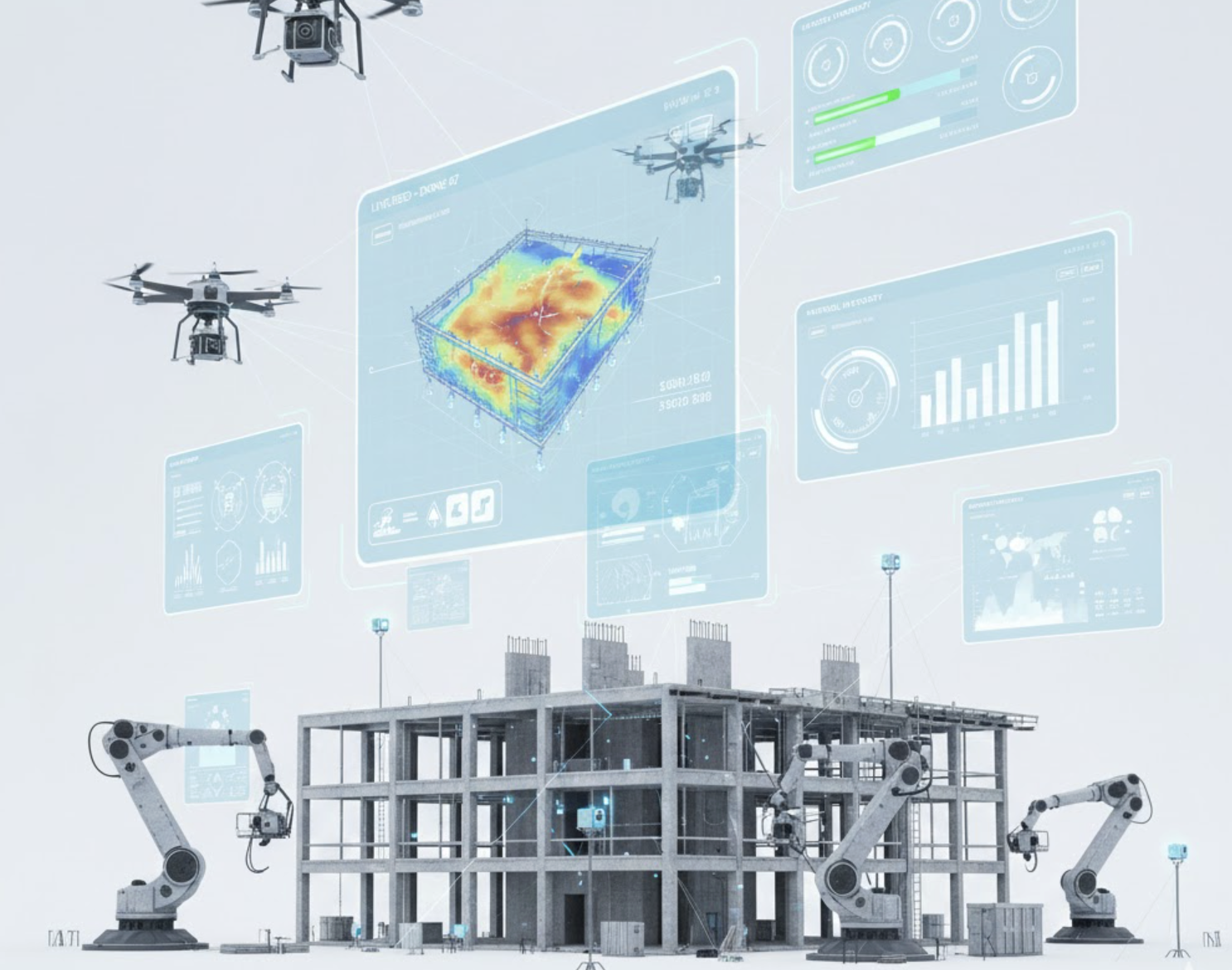
Advanced AI tools for construction elevate collaboration from reactive response to proactive oversight. With Zepth Anly, project managers harness construction analytics and insights from daily jobsite data—spotting bottlenecks, trends, or areas where tasks slip off course. Real-time dashboards draw from progress reports, non-conformance tracking, and visual updates via Zepth360, which allows image and video documentation linked directly to project activities. These AI-driven construction management and construction tech innovation features eliminate blind spots and enable data-backed decisions at every stage.
For instance, a site manager noticing a pattern in safety violations can use AI risk management in construction to flag emerging concerns and auto-generate reminders for staff training or targeted audits. Similarly, finance officers can compare actual spending against forecasts using construction financial management tools—turning potential cost overruns into controllable exceptions. Automated project budgeting tools for construction synchronize with compliance modules, offering foresight and granular visibility.
Can construction site data be accessed in real time? With cloud-based construction management and connected platforms like Zepth Core, site and back-office staff share information instantly, minimizing lag and confusion. The system’s ability to aggregate inputs from IoT sensors, drones, or BIM (Building Information Modeling) files points to a new era of construction lifecycle management software—one rooted in transparency, sustainability, and competitive performance.
Financial Tracking, Cost Control, and Compliance
With multiple stakeholders, project finances demand intense scrutiny. Construction cost control software within Zepth Core enables teams to set budgets, monitor spend versus plan, and flag concerns early. Whether it’s contract payment schedules, material invoicing, or change order approvals, every transaction is logged and cross-referenced. This simplifies not only internal audits but also builds trust with clients and funders who expect detailed, timely reporting.
Compliance is another priority—especially as industry norms shift toward sustainable construction management and stricter regulatory regimes. Zepth’s HSE Compliance and Material Inspection modules automate the capture and analysis of evidence needed for environmental certifications or safety audits. When project teams ask, “What is the best way to track construction finances and ensure compliance?”—the answer lies in integrating financial tracking, document management, and compliance workflows, ensuring each decision aligns with project and environmental objectives.
Looking Ahead: The Future of Multi-Stakeholder Jobsite Management
The digital transformation of construction is firmly underway. The tools and AI construction automation found within platforms like Zepth eliminate traditional friction points—empowering teams to collaborate with confidence and speed. Digital twins in construction promise even tighter integration between virtual models and field reality, while cloud-based, mobile-first solutions make information available to every authorized participant, anywhere, anytime.
For growing organizations, these shifts aren’t just about novelty—they’re about risk reduction, compliance, profitability, and reputation. By embracing a unified ecosystem, anchored by robust construction project management software spanning everything from inspections to analytics, the modern project team achieves the elusive goal of seamless, stakeholder-centric delivery.
Key Takeaway: With a smart common data environment and intuitive, AI-driven tools covering documentation, risk, finance, and field operations, platforms like Zepth Core ensure every stakeholder is empowered, every decision data-driven, and every outcome a testament to true construction tech innovation.