
In the hospitality and built environment, the gap between CapEx planning and asset management once seemed a minor nuisance—an administrative quirk where financial decisions and operational realities moved on parallel tracks. Today, this separation is a critical Achilles’ heel. With stakes higher than ever in asset-rich industries like hotels and real estate, integrating asset management with comprehensive CapEx plans has become pivotal. Hotel management software is no longer just about bookings and billing; the leaders recognize the value of a hotel asset management platform that orchestrates smart capital allocation, asset health, regulatory compliance, and a long-term sustainability vision. Enter next-generation systems like Zepth Edge, the intelligence edge reshaping how owners and operators approach investment strategies and property lifecycle management.
The Divide: CapEx Planning and Asset Management in Isolation
Historically, capital expenditure (CapEx) and asset management have been addressed as discrete disciplines within large organizations. CapEx is budget- and finance-driven—allocating funds for building, renovating, or upgrading key assets. Asset management, however, is typically run from the operational side—focused on maintenance, performance, and the daily realities of keeping properties humming. This siloed approach leads to misaligned investments, underperforming assets, unplanned expenses, and missed opportunities for value creation. According to IMF research, weak links between these processes result in substantial economic losses—up to a third of potential infrastructure benefits vanish due to planning and management missteps.
The industry now acknowledges that life-cycle thinking is essential. Standards like ISO 55000 push organizations to consider the health, performance, and risks associated with assets over their entire lifespan. That means CapEx is more than a spreadsheet of upcoming projects; it becomes a strategic life-cycle investment plan linked directly to asset health and business objectives.
CapEx and Asset Management Explained: A Unified Approach
What exactly does CapEx mean in the context of hotel asset management platforms and the built world? CapEx refers to the funds invested to acquire, construct, or improve tangible assets—be those buildings, infrastructure, or technology systems. Smart CapEx planning considers not only the what and when of capital projects, but the why—priority, impact, and return. In tandem, asset management as defined by ISO standards includes systematic activities to sustainably optimize asset performance, mitigating risks and controlling costs throughout the life cycle.
When these two realms are integrated, the real magic happens. Successful integration means:
- Leveraging real-time asset health and risk data to inform which CapEx projects deliver the best value and risk reduction
- Ensuring that every construction, renovation, or replacement feeds structured asset data—location, condition, history—directly into the management system post-handover
- Aligning CapEx choices with operational performance goals, service levels, ESG targets, and compliance requirements
- Facilitating cross-functional governance between finance, asset managers, operations, and compliance teams
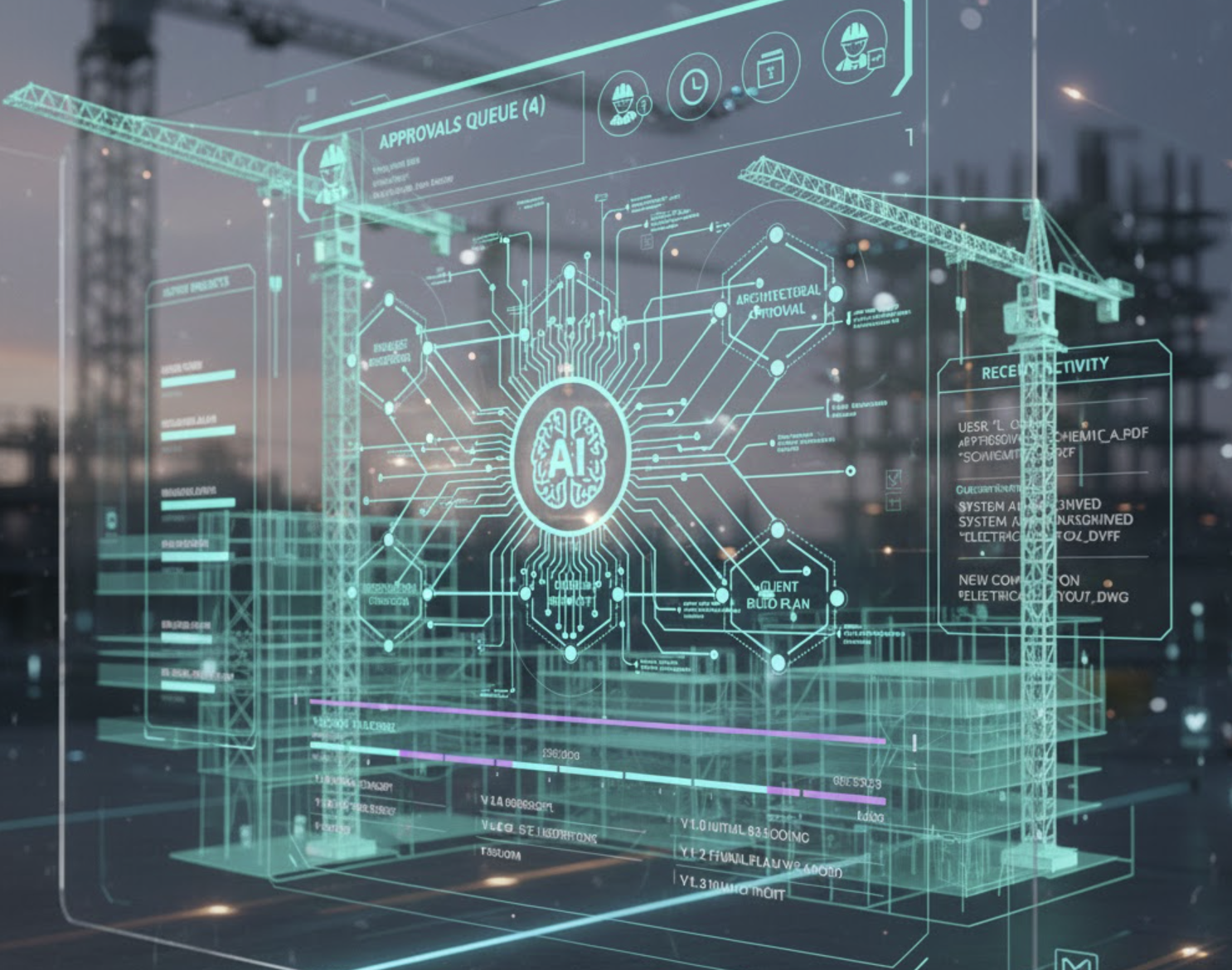
With advanced AI-powered hospitality management platforms such as Zepth Edge, organizations can now deploy AI hotel automation platforms that combine hotel CAPEX control software, asset lifecycle management for hotels, and real-time analytics for unwavering alignment between strategy and operations.
The Business Case for Integration: Why Now?
The benefits of integrating asset management and CapEx planning are tangible and well-documented. Organizations realize:
1. Better Capital Allocation: By using performance and risk data to inform CapEx prioritization, high-value or high-risk assets receive timely investment. This risk-adjusted approach reduces arbitrary spending and supports fund allocation that genuinely reduces exposure and improves service.
2. Lower Life-Cycle Costs: When decisions reflect both CapEx and Opex (operating expense) impacts—maintenance, utilities, risks, and downtime—life-cycle cost savings of 10–30% become achievable.
3. Enhanced Reliability and Uptime: Focusing CapEx on performance bottlenecks and failure-prone areas minimizes breakdowns, improves guest satisfaction, and results in fewer costly disruptions.
4. Stronger Regulatory and ESG Performance: Integration ensures timely asset renewals, improved energy efficiency, documented compliance, and evidence for sustainability disclosures—a growing requirement among lenders and investors.
5. Transparency Across Stakeholders: Clear, auditable links between strategy, assets, investment, and results build trust among boards, shareholders, and external regulators.
Simple questions in the minds of many hospitality leaders include, “What technologies help hotels optimize CAPEX and asset management?” The answer increasingly lies in leveraging digital AI tools for hotels like those found in Zepth Edge, which centralize real-time financial and asset data, enabling agile decisions and measurable returns.
Pillars of Integrated Asset–CapEx Framework: How Zepth Makes a Difference
Implementing a truly integrated framework demands investment in three fundamental areas:
1. Rich Asset Data Foundation: You need a detailed, structured asset register—tracking attributes, age, location, health, performance, and risk. Zepth Edge supports this by capturing and digitizing asset information during construction, testing, and handover, enabling seamless import into asset management systems.
2. Data-Driven Planning and Prioritization: The optimal capital plan uses condition, risk, and business data to prioritize projects, supported by scenario analyses and risk matrices. Zepth’s hotel budgeting and forecasting modules allow for mixed CapEx/Opex analysis, multi-year capital programs, and scenario modeling—all natively integrated with portfolio performance monitoring.
3. Robust Governance and Controls: Cross-functional review, stage-gate approvals, and standardized risk assessment frameworks ensure CapEx projects cannot advance without key asset and compliance checks. Zepth’s orchestrated workflows digitize and enforce these processes, while maintaining a robust audit trail for all actions.
A common question from asset managers: “How do I ensure my CapEx investments deliver long-term operational value?” The key is using an integrated cloud-based hospitality management system like Zepth Edge, which links digitized project delivery with ongoing asset performance and compliance data, supporting data-driven optimization at every stage.
Real-World Use Cases: Integration in Action
Infrastructure Owner: A public agency managing dozens of bridges and roads must prioritize renewal under budget constraints. By integrating asset inspection data and risk profiles into their CapEx roadmap—supported by Zepth’s portfolio dashboards and CAPEX tracking—the agency directs funds toward the highest-risk assets, ensuring regulatory transparency and taxpayer trust.
Commercial Real Estate Portfolio: A developer facing rising energy costs wants to optimize HVAC upgrades for multiple buildings. By leveraging Zepth Edge, they identify underperforming systems, model the NPV of various retrofit strategies, and track implementation risks, impact, and real-time savings—all in one AI-backed environment.
Industrial Operator: In manufacturing, unplanned plant downtime disrupts revenue. By tying asset reliability data to CapEx replacement decisions, and managing change with Zepth’s documentation and project controls, the operator cuts unscheduled outages and boosts throughput.
This broad applicability is why sector leaders ask, “What are best practices for integrating asset management and CapEx in hospitality?” The consensus, reflected in platforms like Zepth Edge, is to build standardized data environments, connect design/construction phases to handover, deploy life-cycle cost modeling, and enforce risk-based governance throughout the asset’s journey.
Best Practices for Integration: Lessons from the Field
Hospitality organizations with successful integration efforts typically:
- Standardize asset and project data from design to operations using common taxonomies and data structures
- Leverage digital handovers—capturing all manuals, asset tags, as-built drawings, and performance data electronically for seamless import into the management ecosystem
- Adopt life-cycle costing—incorporating maintenance, energy, and disposal into capital evaluation rather than relying on first-cost (bid price) alone
- Use consistent risk frameworks for both assets (probability/failure impact) and CapEx projects (delivery and business impacts)
- Establish clear KPIs tying investment to outcomes: downtime reduction, energy per room, return on asset, compliance incidents
Zepth Edge directly supports these practices, providing standardized data capture, digital document control, robust risk management, and AI-driven performance dashboards that underpin continuous feedback and portfolio optimization.
Emerging Technologies Making Integration Smarter
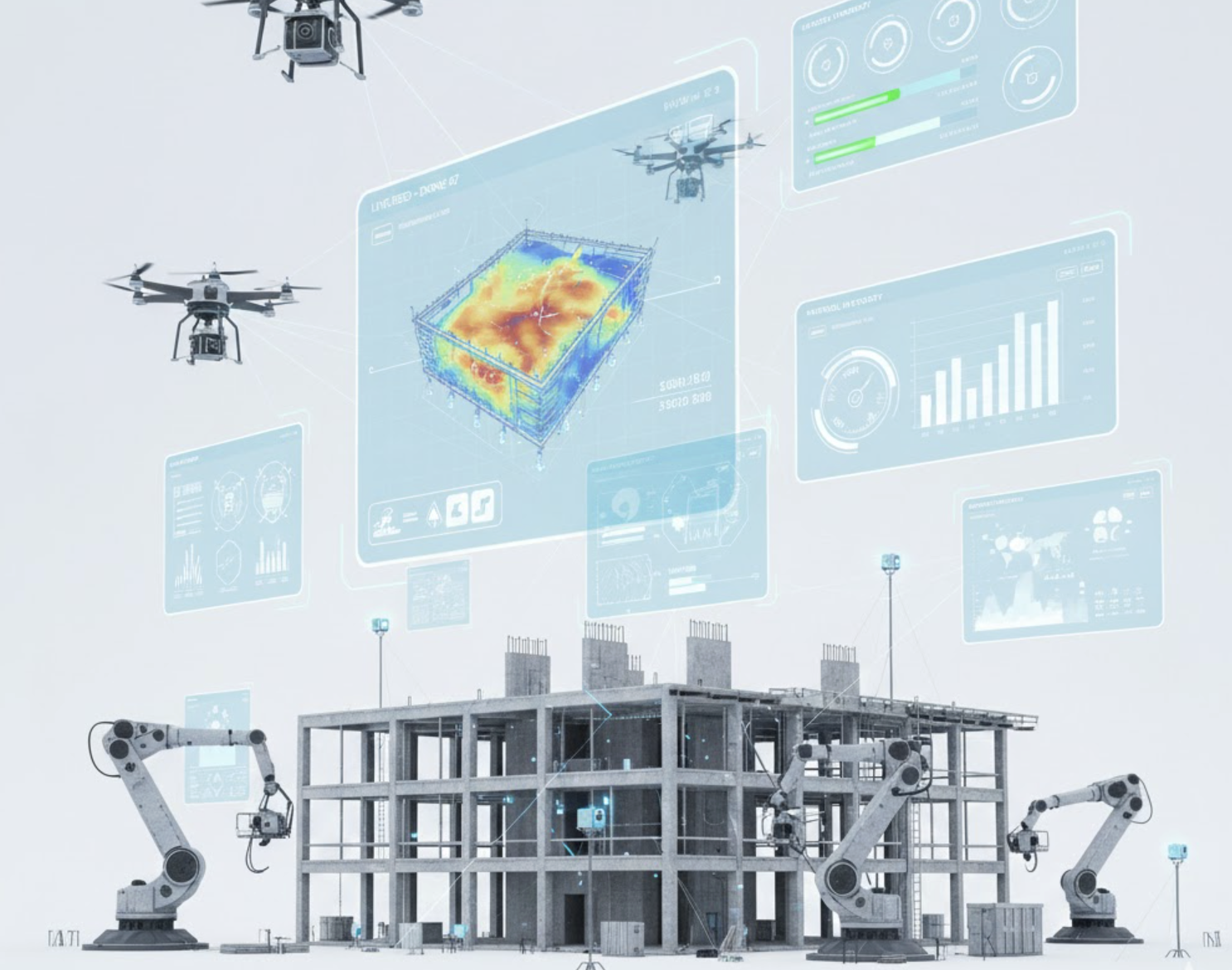
Digital tools are transforming the integration game in tangible ways. Digital twins—living models of physical hotels and assets—combine sensor data, inspection logs, and CapEx plans to simulate performance and optimize interventions. Predictive analytics and machine learning estimate failure probabilities, helping teams plan asset renewals just in time, reducing unnecessary spend and avoiding catastrophic breakdowns.
Building Information Modeling (BIM) is increasingly leveraged beyond construction—with standards like COBie enabling the transfer of structured asset data into enterprise asset management systems. Zepth Edge’s ability to consolidate project information ensures BIM, condition data, and handover quality are all synced for ongoing asset optimization.
For multi-property operators, portfolio-level planning tools now pull in asset condition and cost data from every property—enabling true portfolio foresight and optimal CapEx allocation, all from a cloud-based, AI-led hub.
Zepth Edge: The Intelligence Edge for Asset–CapEx Integration
The Zepth Edge platform provides a holistic solution built for the next generation of hospitality industry digital transformation:
- Single source of project truth: Zepth’s unified document, submittal, and cost management environment ensures high-quality data continuity from project start to asset operations.
- Integrated financial and risk management: Project controls, cost tracking, and risk modules drive realistic CapEx budgeting and highlight areas of concern requiring capital intervention.
- Quality and defect insight: Construction quality directly impacts future Opex and asset risk—Zepth’s modules drive quality assurance and capture defect resolution prior to handover.
- Structured digital handover: Complete, verified asset and project data ensure maximum readiness for operations and regulatory compliance, minimizing data loss at go-live.
- Portfolio performance management: Aggregated dashboards and scenario tools allow for optimal staging of CapEx projects, in line with both risk priorities and corporate strategy.
- Robust workflow and auditability: Every step, from asset review to CapEx approval, is tracked and reportable—supporting internal policy adherence and passing external audits with confidence.
In an era where hotel assets represent the lion’s share of company value, and returns depend on both flawless guest experience and disciplined investment, the case for integration is clear. Zepth Edge not only closes the historical divide—it delivers measurable improvements: up to 30% CapEx efficiency gains, 50% higher asset uptime, and real-time insights that drive 10% revenue uplift across hotel portfolios.
Conclusion: Moving to Asset-Centric Capital Planning
The industry is moving beyond project-by-project thinking. By linking asset management and CapEx strategies with tools like Zepth Edge, hospitality and real estate leaders can ensure decisions today set the foundation for long-term value, reliability, and sustainable growth. The next time you think about your hotel financial management software, consider how full integration—backed by AI-led operational intelligence—can transform your entire portfolio lifecycle, not just the next fiscal year’s budget.