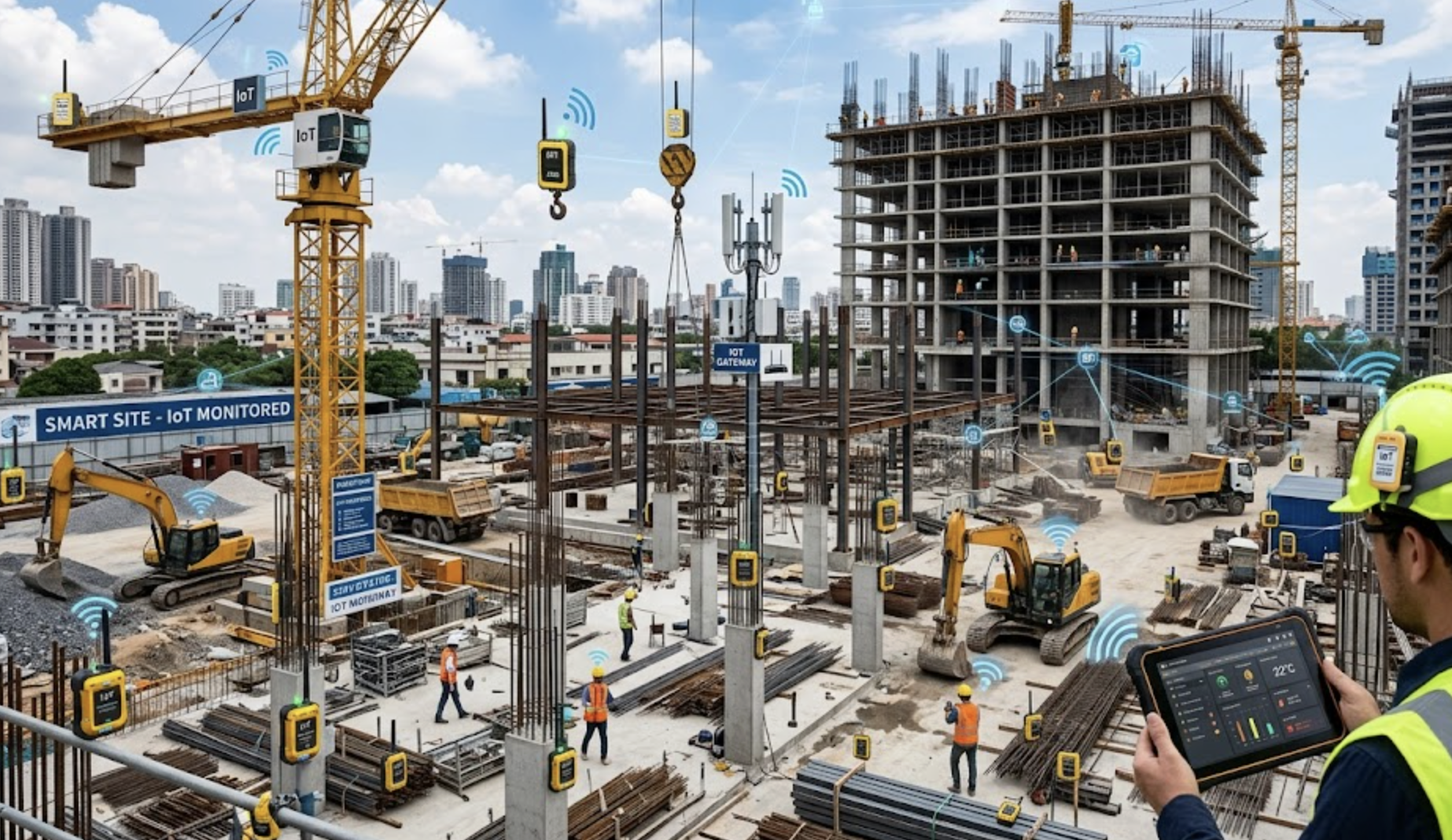

The construction industry thrives on strong partnerships, and efficient construction project management software plays an essential role in enhancing collaboration—especially when it comes to managing subcontractor relationships. From onboarding to payment, the traditional processes have often been slow, paper-heavy, and prone to error or disputes. Today, digital payments integrated into cloud-based systems are reshaping how contractors, project managers, and finance teams interact with their subcontractors. By offering real-time visibility, fast payments, and automated workflows, platforms like Zepth Core are setting new standards for trust, transparency, and efficiency in the built world.
The Case for Digital Payments in Construction
For decades, payment cycles in construction have been notoriously slow and unpredictable, causing cash flow bottlenecks and damaging relationships. The complexity only increases with multiple subcontractors, compliance requirements, and the need for documentation at every stage. By optimizing with construction financial management tools and AI-driven construction management platforms, firms can address these challenges head-on. Digital payments eliminate many manual tasks, help track charges and deductions, and create a secure, auditable flow of funds.
One of the most common questions is: How do digital payments improve subcontractor relations? The answer lies in reduced waiting times, real-time payment notifications, and immediate clarity on payment status. When subcontractors know they’ll be paid accurately and on time, they’re more motivated to deliver quality work, reducing disputes and delays. Furthermore, linking payments to construction project tracking software and compliance data ensures all financial decisions are easily traceable, adding another layer of trust.
Solving Critical Pain Points: From Paperwork to Partnerships
Manual payment processes create friction at every turn: lost paperwork, mismatched invoices, and late approvals disrupt communication between general contractors and their trade partners. With modern construction project management software like Zepth Core, digital workflows simplify the entire process. The platform enables seamless document submission (with modules for Submittals, RFIs, Document Management), ensuring subcontractors have accurate instructions and contract terms from the outset.
Automated Project Cost Control and Construction cost control software further streamline the financial lifecycle, helping contractors:
- Set clear payment schedules with real-time tracking
- Use approval workflows for invoices and submittals
- Reduce disputes through transparent, auditable records
- Monitor outstanding balances and payment history centrally
- Comply with HSE, safety, and quality protocols using linked data
Why are digital payments becoming essential in the construction industry? With regulations tightening and projects growing more complex, companies need a common data environment for construction that unifies documents, finances, and communication. This becomes particularly critical when managing international projects or multiple trade partners, as cross-currency transactions and regulatory audits demand accuracy and speed only digital workflows can offer.
Transparency, Trust, and Efficiency: The Digital Advantage
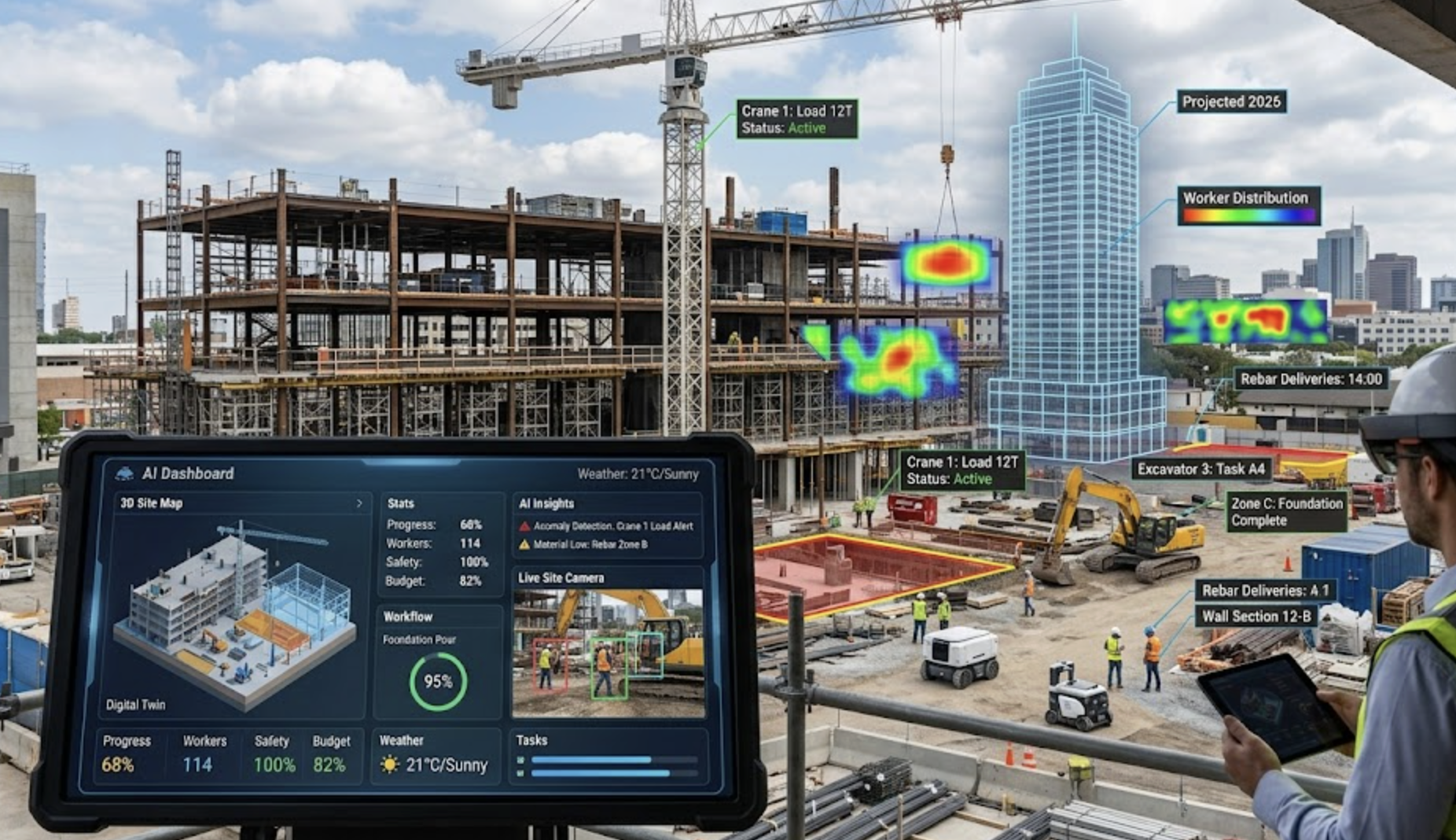
The foundation of any strong working relationship is trust, and nowhere is this more apparent than between contractors and subcontractors. Real-time payment status, automated reminders, and digital documentation foster transparency, so all involved parties are aware of deliverables, deadlines, and compliance requirements. Construction analytics and insights modules in Zepth Core visualize these details, using AI-powered project management to identify bottlenecks or potential disputes before they escalate.
Real-time data and AI tools for construction add another dimension to financial management—aiding in forecasting payments, projecting cash flow scenarios, and alerting managers to deviations or risk. This empowers both sides to make better decisions, reducing the need for lengthy reconciliations and surprise adjustments. For example, linking digital payments directly with Site Instructions or Snag List modules in Zepth Core means payment approval can synchronize exactly with verified site milestones.
What are the benefits of automating payments for subcontractors? Subcontractors save administrative time, improve their cash flow management, and reduce disputes tied to manual processes. Meanwhile, general contractors see greater reliability and improved project outcomes as motivated teams work with greater certainty.
Digital Payments: An Ecosystem Approach
Introducing digital payments is most effective when embedded as part of a larger ecosystem. Cloud-based solutions like Zepth Core integrate payment tracking across modules, from initial contract to final delivery. The Jobsite Management features allow real-time capture of progress, incidents, and site conditions. These details link tightly with document workflows—ensuring that as soon as work is verified (via Zepth360, Daily Reports, or Inspections), approvals for payments can move forward immediately.
Key modules tying payments to site activity include:
- Progress Reports and Zepth360 for milestone verification and visual evidence
- Non-Conformance, HSE Compliance, and Incident Reporting to ensure only compliant and safe work is paid
- Task Management and Risk Register for real-time notification of critical dependencies or risks that may impact payment approval
- Construction analytics and insights for robust, AI-powered dashboards that forecast, monitor, and analyze payment trends or delays
BIM (Building Information Modeling) integration, digital twins, and AI construction automation further support a seamless flow from planning, execution, to payment. By digitizing payment certifications and release forms, the approval process for each trade is fast, transparent, and tied to actual jobsite performance. This approach is central to construction industry digital transformation—boosting collaboration, sustainability, and overall profitability.
Future-Proofing Subcontractor Relations with Zepth
Looking ahead, the firms leading with digital transformation and smart construction management tools will foster the most reliable partnerships and achieve superior project performance. Zepth Core embodies this vision with its AI-driven modules for risk, compliance, and payments—helping project managers, finance leaders, and field teams work as a unified whole. Construction forecasting tools and AI risk management in construction anticipate issues and allocate resources proactively, minimizing friction and delay in supplier payments.
Notably, Zepth Core’s robust document and financial tracking delivers a holistic, data-driven solution for managing every piece of the payment puzzle. As project teams increasingly ask, “What software can help manage and track construction payments digitally?”, Zepth stands out with its user-friendly dashboards, audit-ready logs, and tightly integrated modules.
From the moment a subcontractor uploads a submittal to the instant their payment lands in their account, the entire journey is simplified, secured, and transparent. Embracing digital payments is not just about efficiency—it’s about building a culture of respect and reliability that benefits contractors, trades, and clients alike. In an industry built on deadlines and deliverables, that’s a competitive edge worth investing in.