
High-growth construction markets reveal stressed project ecosystems, where weak delivery models quickly reach breaking points. Construction project management software becomes essential as organizations juggle rapid demand, compressed schedules, and razor-thin margins. In these high-stakes markets, traditional workflows can’t keep up. The shift is clear—project owners and contractors now seek advanced, digital-first systems like Zepth Core to orchestrate tasks, control risk, and empower teams.
Why High-Growth Markets Stress Traditional Construction Project Delivery
Accelerating market dynamics—like urbanization, infrastructure investment, and shifting regulatory norms—place relentless pressure on project delivery models. Legacy systems, reliant on manual processes and siloed information, slow down teams and invite errors. In such environments, inefficiency steals precious time and directly impacts profitability. Owners and GCs face recurring pain:
- Poor visibility into on-site progress due to fragmented reporting
- Proliferation of untracked risks, leading to costly surprises
- Breakdowns in communication as teams manage documents and submittals through email or disjointed file shares
- Difficulties maintaining compliance and safety standards at scale
- Budget control slipping amidst flair-ups and scope creep
What happens when organizations in high-growth markets continue to rely on conventional delivery? Delays snowball, issues slip through the cracks, and stakeholder trust erodes. This cycle is why modern construction project tracking software and AI-powered project management tools are not optional but vital.
AI and Digital Transformation—Redefining Construction Success
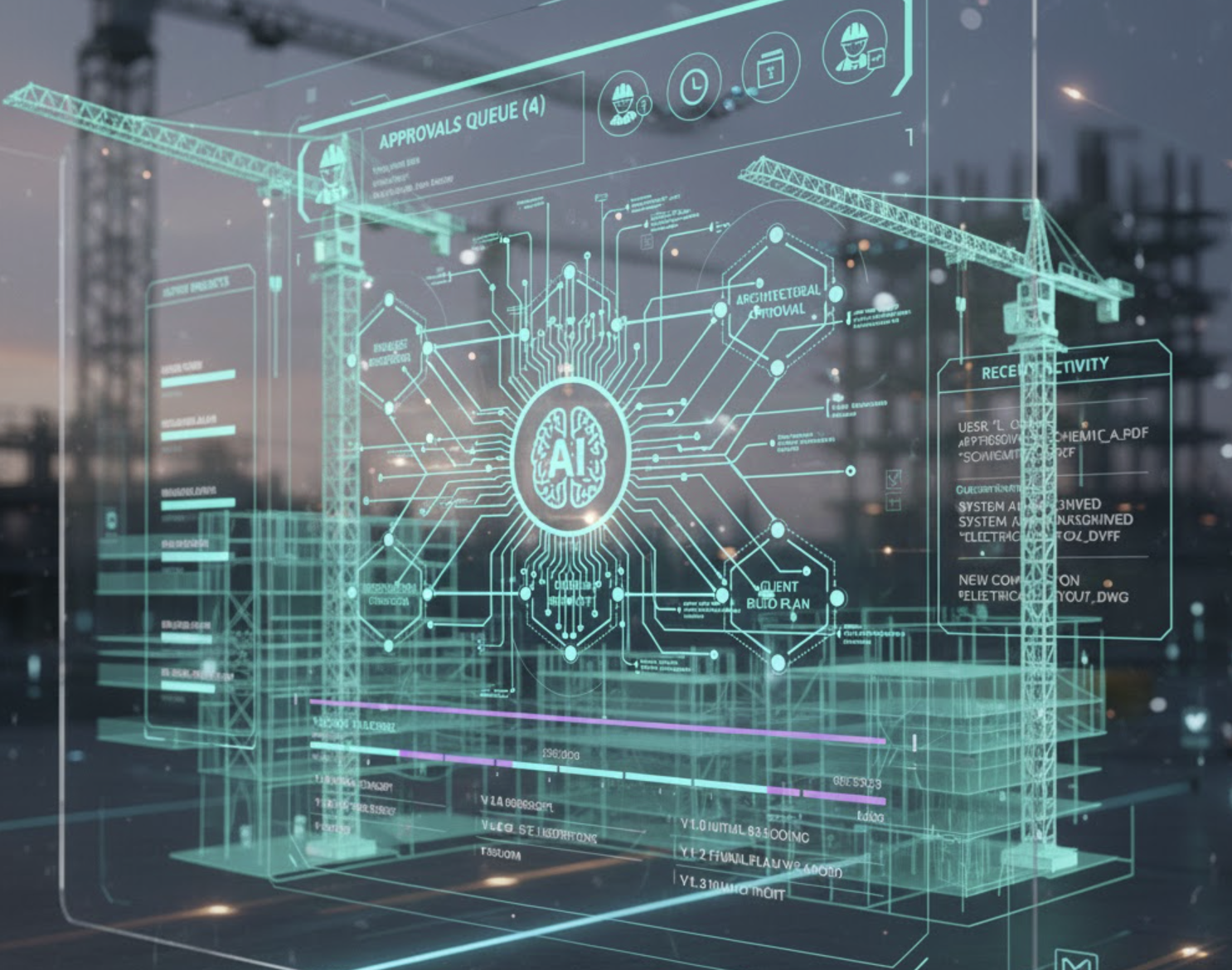
The entrance of AI in construction and robust digital workflows is rapidly raising the bar for industry standards. Rather than wrestling with disparate spreadsheets or emails, leaders now pivot to AI construction platforms like Zepth Core. These systems bring together all facets of project management under one intelligent, connected platform.
For instance, Zepth Core’s Jobsite Management suite integrates seamless tools for daily reports, incident tracking, safety violation alerts, and more. The Inspections module streamlines field quality checks, while Snag List ensures prompt closure of defects. Teams benefit from real-time collaboration, and executive stakeholders trust the consolidated jobsite data. How does AI-driven construction management fuel this shift? Smart analytics engines uncover patterns in performance, highlight emerging risks through predictive insights, and recommend adaptive actions. With a centralized common data environment for construction, all teams access the latest specifications and drawings. These improvements power both compliance and innovation—vital elements when thriving in high-growth scenarios.
One common question for industry leaders is: What is the role of technology in addressing project risk in construction? Technology consolidates risk visibility, allows real-time risk reporting, and automates mitigation tracking, making risk management far more proactive and precise than old, manual approaches.
Core Zepth Features for Resilient Project Delivery
To outperform in volatile, expanding markets, organizations must address weak spots in quality, accountability, compliance, and communication. Zepth Core’s suite covers these needs with:
- Jobsite Management: Capture and review field activities with modules for Inspections, Non-Conformance, Incident Reporting, Safety Violation, and more.
- Document Management: Securely store, share, and update critical documents with AI document management software, ensuring consistent project control across all stakeholders. Submittals, RFIs, specifications, and authority approvals move in clear, auditable workflows.
- Project Financials: Use construction cost control software and dedicated project budgeting tools for construction to monitor budgets, forecast cash flow, and identify cost overruns before they hit the bottom line.
- Risk Management: Manage an intelligent, centralized risk register, automate risk identification, and create actionable mitigation plans with AI-powered escalation reminders and reporting.
- Insights & Analytics: Make data-driven decisions with customizable dashboards, real-time construction analytics and insights, and rapid scenario modeling for problem-solving.
Each of these modules supports compliance with local and international standards—helping teams avoid regulatory pitfalls. Notably, construction compliance software is no longer an afterthought but embedded in day-to-day workflows.
Digital Twins, BIM, and the New Era of Jobsite Intelligence
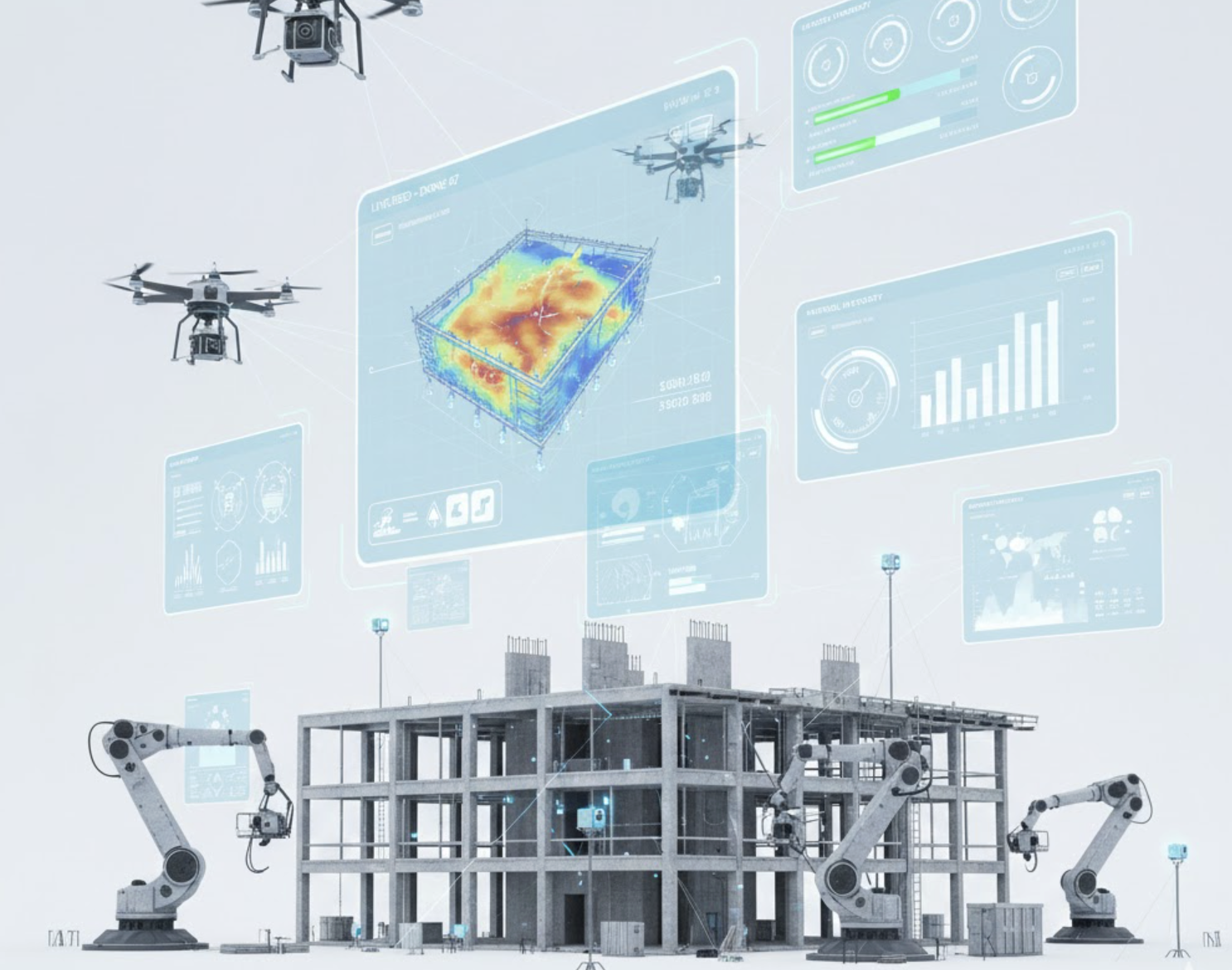
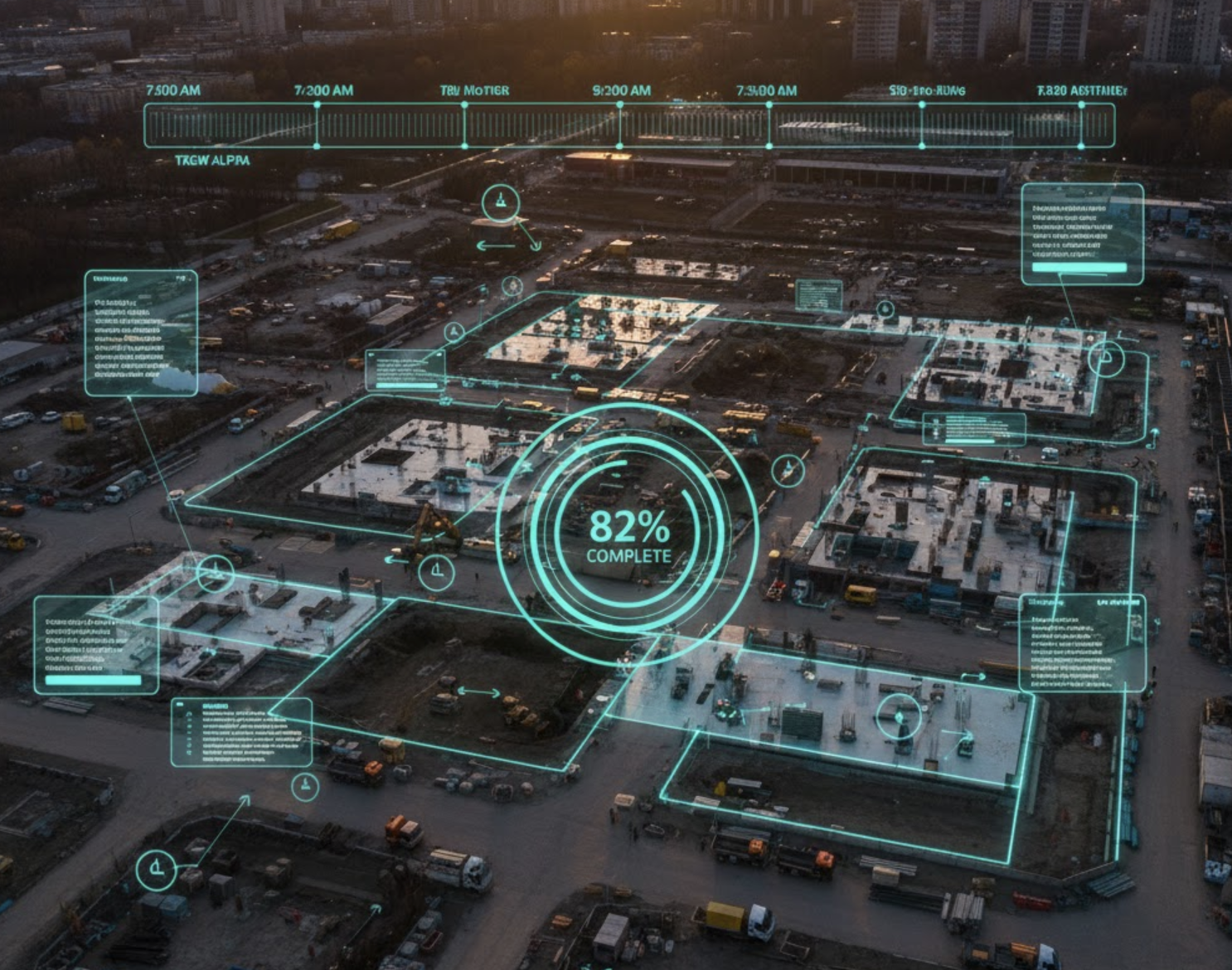
Modern construction delivery models increasingly adopt BIM (Building Information Modeling) integration and digital twins in construction. Platforms like Zepth Core empower teams with Zepth360, a visual reporting tool that connects field visuals to BIM models and project timelines. This means every progress snapshot or incident is geo-tagged and chronologically anchored, offering a powerful audit trail.
Why does this matter in high-growth markets? Digital models and twins advance collaboration across dispersed teams, reduce rework by exposing inconsistencies early, and provide real-time feedback loops for scheduling and resource allocation. Cloud-based construction management ensures these insights reach every stakeholder—field or office—without delay. Teams gain the competitive edge of real-time construction project data for confident, on-the-fly decision-making as project complexity scales.
A frequently asked question is: How does BIM integration benefit construction project management? BIM enables centralized visualization, improves clash detection, streamlines document control, and enhances collaboration, directly improving delivery speed and quality in fast-moving markets.
Financial, Operational, and Compliance Resilience at Scale
Success in high-growth construction markets requires resilient frameworks for financial tracking and compliance. Zepth Core’s robust construction financial management tools deliver instant visibility into budgets, commitments, and forecasted expenditures. Automated alerts notify managers about deviations, while granular dashboards offer direct drill-down into project or package costs. This real-time clarity empowers teams to act fast—mitigating overruns and reallocating resources where needed most.
Operationally, modules like Task Management and Mail keep accountability high and communications centralized. RFI Management and Submittals move through controlled workflows, approved by all the right hands before work proceeds. Such a framework defines smart construction management tools that lower the risk of expensive miscommunications and delays.
Sustainability and compliance are not left behind. High-growth projects, often subject to intense scrutiny, must show strong stewardship of safety, quality, and environmental goals. Seamless HSE Compliance tracking, instant non-conformance reporting, and comprehensive document management make meeting benchmarks a natural part of daily project rhythms. For organizations asking, What is construction compliance software and why is it critical?, the answer is simple: effective compliance software automates tracking, reporting, and updating to ensure nothing slips through, reducing legal and financial risks while maximizing client trust.
Conclusion: Building Competitive Strength in High-Growth Construction
High-growth construction markets mercilessly expose weak project delivery models. Survival—and real success—means harnessing the latest in digital transformation, AI, and platform integration. AI risk management in construction, AI construction automation, and construction lifecycle management software bring resilience, flexibility, and insight. Through platforms like Zepth Core, organizations gain total command across jobsite activities, document workflows, financial controls, and risk mitigation.
If your teams are feeling the pressure of increased workloads, shrinking timeframes, and demanding clients, it’s time to embrace construction tech innovation. Modern platforms don’t just patch cracks—they build new foundations for sustainable growth, robust compliance, and proactive delivery. By investing in the right AI tools for construction and embracing smart delivery, your organization can turn high-growth disruption into high-performance outcomes.