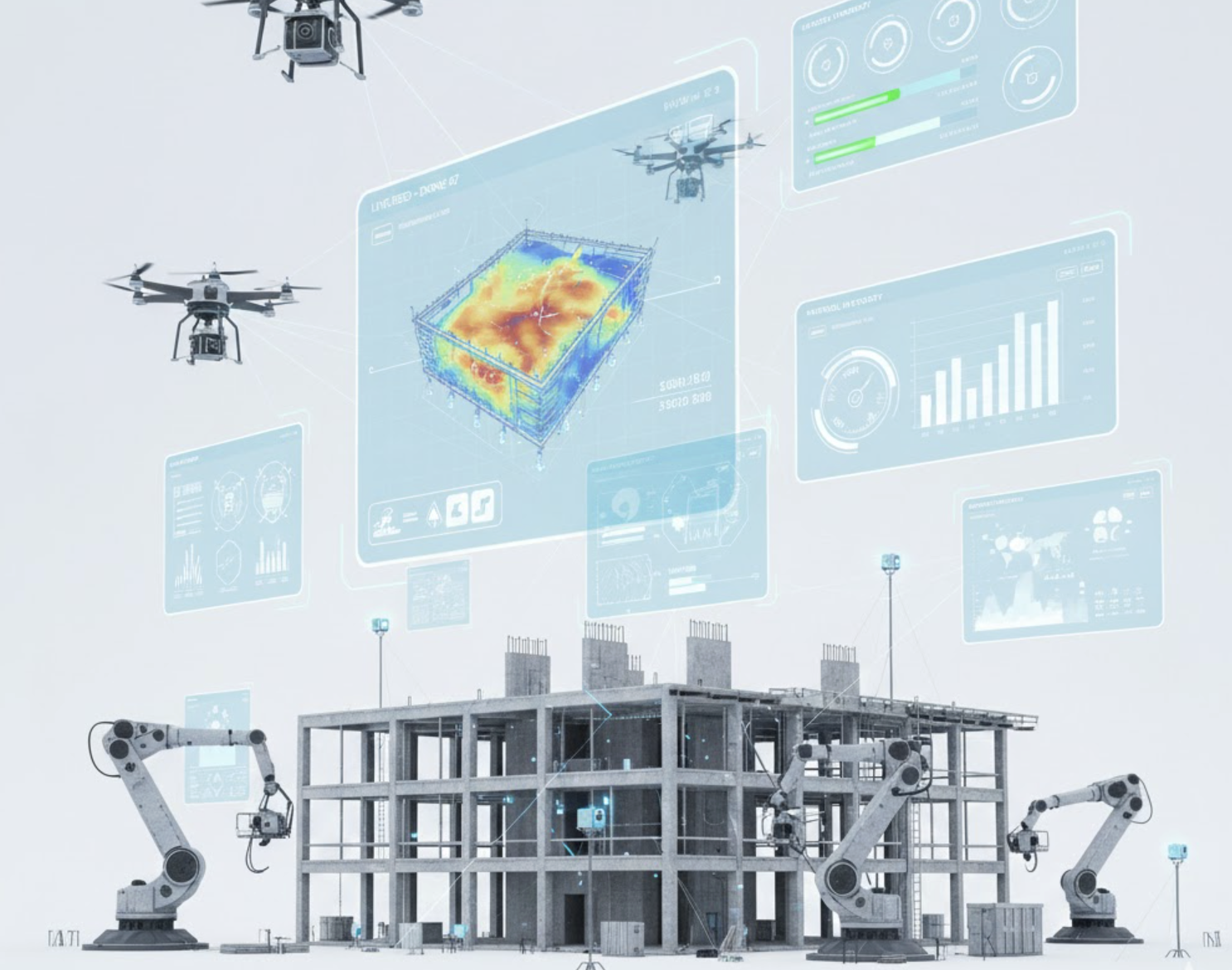

In the high-stakes world of construction, planning and design receive much of the attention, but it’s execution—the daily orchestration of people, materials, schedules, and compliance—that presents the largest and most underappreciated source of risk. Construction project management software is reshaping how companies conquer this challenge, injecting structure, analytics, and automation to bridge the notorious gap between what’s planned and what’s actually delivered.
Why Execution Outpaces Every Other Risk in Construction
Construction’s complexity doesn’t come from unpredictable weather or shifting regulations alone. The biggest source of failure is execution risk: the minute-by-minute breakdowns between planning and what happens on-site. Inaccurate reporting, slow communication, non-compliance, or overlooked snags snowball into delays, overruns, or even litigation. When teams connect dozens (sometimes hundreds) of tasks, contractors, and information streams, a single slip in procedure can stall the entire project.
Clients and developers often ask, “What is the most common cause of project overruns?” The answer is almost always poor coordination and incomplete execution tracking rather than issues inherent in the design or planning phase. This is why construction risk management now focuses obsessively on execution: ensuring site teams follow protocols, document everything, and manage deviations in real time.
Legacy tracking tools and spreadsheets can only go so far. Teams need integrated jobsite management tools, real-time issue tracking, and automated reporting. Modern platforms, like the Zepth Core enterprise construction management platform, position execution at the center, turning project complexity into controlled, tangible progress.
Digital Transformation: From Spreadsheets to Smart Construction Management Tools
Digital transformation in the construction industry is more than digitizing documents—it’s about closing the feedback loop on every action taken in the field. AI construction platform solutions like Zepth Core weave together the five pillars of control: jobsite management, document management, project financials, risk management, and actionable insights. These aren’t isolated tools; they form a common data environment for construction that unites stakeholders, workflows, and data on a single, cloud-based platform.
Consider the daily challenges of a project manager: ensuring safety compliance, documenting materials delivered and installed, tracking non-conformance, and reconciling progress with project costs. The breadth of Zepth Core’s tools directly addresses this grind with purpose-built modules:
- Jobsite Management: Streamlines on-site reporting with modules for inspections, snag lists, incident and safety violation reporting, and daily progress updates. Visual platforms like Zepth360 make it easy to generate photographic evidence and link it directly to project locations.
- Document Management: Provides a single source of truth for all project documents, correspondence, and RFIs, ensuring teams always reference the latest information.
- Project Financials: Monitors spending, variances, and cost-to-complete in real time, helping project leaders ask—and answer—the critical question, “How do I keep my construction budget on track?”
- Risk Management: Centralizes risk identification, mitigation planning, and reporting, empowering teams to shift from reactive problem-solving to proactive risk anticipation.
- Insights & Analytics: Uses AI project analytics and dashboards for immediate feedback on project health, compliance gaps, or schedule slip risks.
These features create a digital twin of the project, enabling smart construction management through real-time construction project data and rapid course correction.
The AI Edge: Smarter Execution, Safer Projects
Increasingly, AI-powered project management transforms risk monitoring from laborious manual checks to automated, predictive actions. AI analyzes patterns in daily reports, safety incidents, and non-conformances, surfacing early warnings on performance drift before they become costly delays. Ask, “Can AI improve safety in construction projects?”—the data says yes, through real-time anomaly detection and workflow automation.
Within Zepth Core, AI tools for construction accelerate decision-making. Automatic classification and distribution of RFIs, document version alerts, and compliance violation detections all run without manual intervention. AI-powered workflows produce faster turnarounds on construction submittal software processes, while predictive analytics inform resource allocation and forecast project bottlenecks.
Key benefits include:
- Fewer execution errors—AI surfaces gaps before they escalate.
- Better compliance tracking—Automated detection ensures regulations don’t fall through the cracks.
- Accurate, up-to-date recordkeeping—Smart integrations prevent loss of critical project data.
This blend of AI construction automation and user-friendly interface gives project leaders peace of mind, supporting both seasoned field veterans and newcomers to digital construction management.
Financial and Compliance Controls: Turning Data Into Dollars
Ultimately, strong execution is about protecting the bottom line and reputation. In construction, each unresolved snag, each material that fails inspection, and each delay on a critical path translates to risk—financial, legal, and operational. Construction cost control software and robust compliance systems are more than back-office necessities; they’re essential shields for sustainable, profitable delivery.
Zepth Core’s integrated features turn project financials into a living, breathing part of daily site execution. With project cost control tools, instant budget variance alerts, and AI-powered forecasting tools, managers gain granular visibility into both their cost curve and risk exposure. Construction financial management tools aren’t just spreadsheets—they integrate with field reporting to make sure every dollar is accounted for, linked to physical progress.
Zepth’s construction compliance software—from HSE modules to authority approval tracking—ensures all standards are documented, verified, and reportable, turning once-auditable risks into manageable, transparent compliance workflows. When asked, “How do teams ensure construction site safety and compliance?”—the answer increasingly relies on automated, integrated technology rather than ad hoc field logs.
BIM, Digital Twins, and the Integrated Lifecycle
Execution risk doesn’t end at handover; it lives throughout the asset lifecycle. The convergence of BIM integration, digital twins in construction, and common data environments accelerates industry-wide digital transformation. Platforms like Zepth Core foster a culture where every task, observation, and instruction is captured, time-stamped, and mapped to the digital project record.
What does this mean for the future? More sustainable construction management through traceable material use, lifecycle risk management, and end-to-end visibility. Jobsite management tools, financial tracking software, and document management now talk to each other in real-time—unifying handoffs and eliminating the traditional friction caused by disconnected systems.
In summary, the real risk in construction is the messy, dynamic “middle”—the execution phase. Modern project leaders mitigate this with cloud-based construction management, AI-driven tools, and seamless cross-functional data. Zepth Core stands as a leading example, proving that when execution risk is managed with the right technology, every other risk becomes manageable, measurable, and, most of all, conquerable.