
Evaluating construction project management software is a pivotal step for enterprises modernizing their approach to complex, large-scale builds. Rapid advances in AI in construction and a strong shift towards cloud-based construction management are shaping industry expectations. Platforms such as Zepth embody these trends, providing an integrated solution that meets the evolving demands of global construction leaders.
Key Evaluation Criteria for Enterprise Construction Software
Enterprise construction organizations require more than digital checklists—they need robust systems that manage multifaceted workflows, connect global teams in real-time, and drive ROI. When selecting a construction project management software, companies should assess several critical factors:
- Comprehensive Jobsite Management Tools—Modules for inspections, compliance, incident reporting, and snag management streamline day-to-day field operations and jobsite data capture.
- Unified Construction Document Management—A common data environment for construction supports full lifecycle management of contracts, submittals, RFIs, and plans, reducing risk and rework.
- Construction Financial Management Tools—Integrated project cost control, forecasting, and budgeting eliminate silos and provide real-time financial insights.
- Advanced Construction Risk Management—Centralized risk registers, mitigation plans, and reporting keep projects compliant and minimize exposure.
- AI Construction Platform Capabilities—Look for AI-driven automation to enhance reporting, analytics, and submittal review, enabling smarter, data-backed decisions.
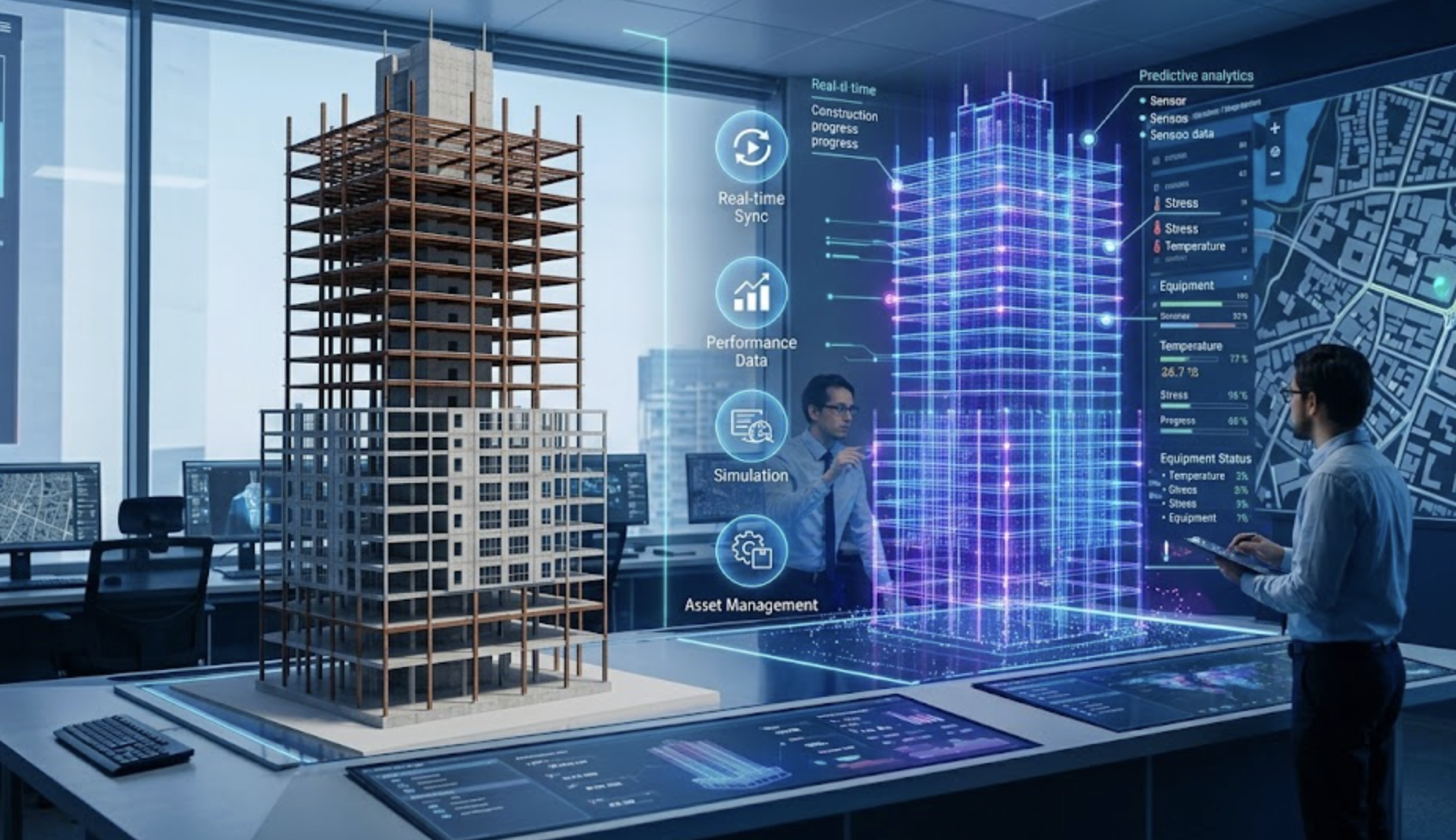
Enterprises also benefit when platforms offer mobile access, seamless third-party integrations, and support for technologies such as BIM (Building Information Modeling) integration and digital twins in construction.
How AI and Automation Drive Construction Tech Innovation
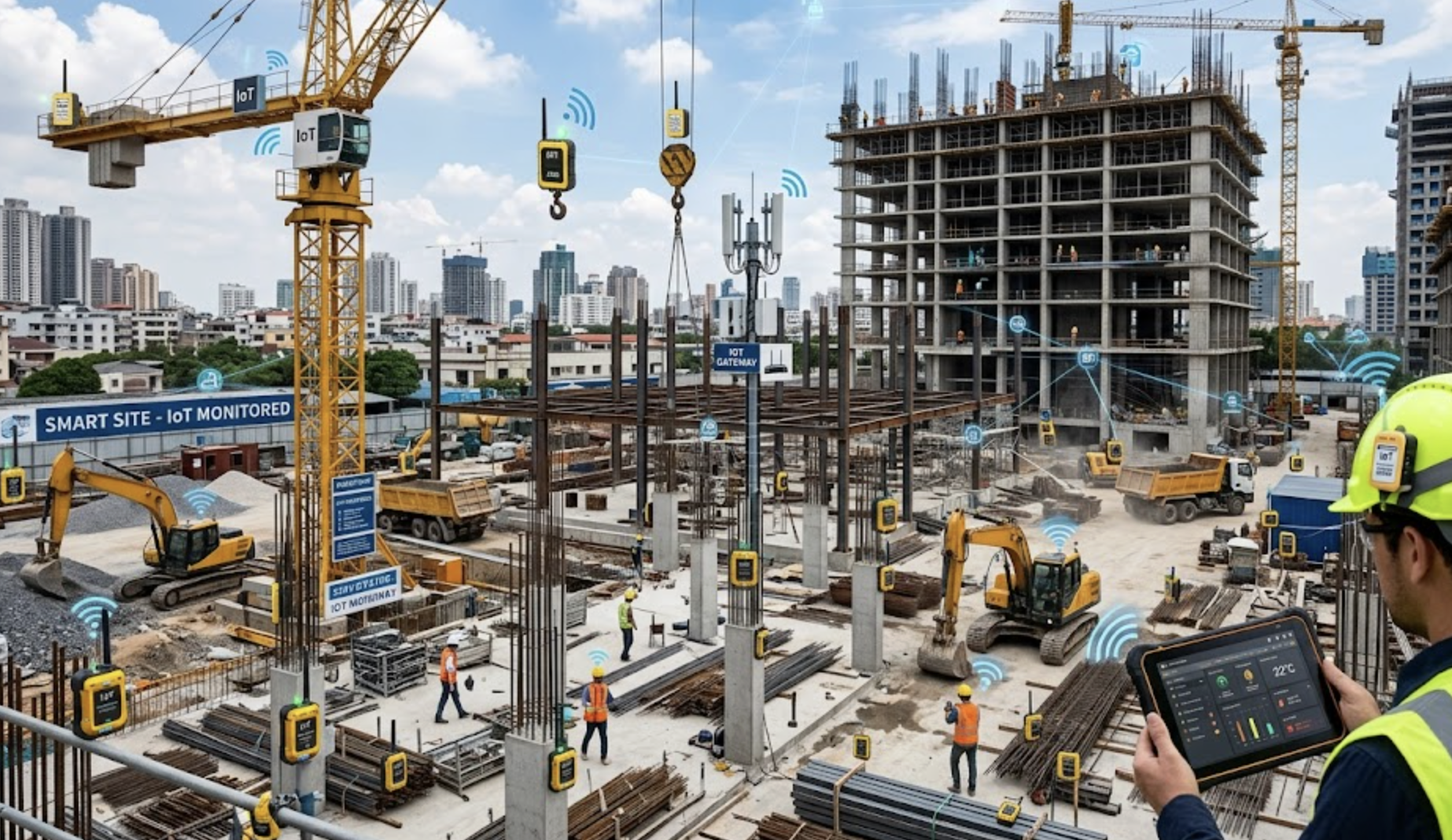
As construction projects grow in complexity, leveraging AI-powered project management and AI tools for construction becomes essential. AI in construction streamlines routine tasks—auto-generating daily reports, flagging non-conformance, and even predicting safety risks based on jobsite data. Forward-thinking platforms like Zepth Core integrate AI-driven construction management features to automate and accelerate workflows, reducing delays and costly errors.
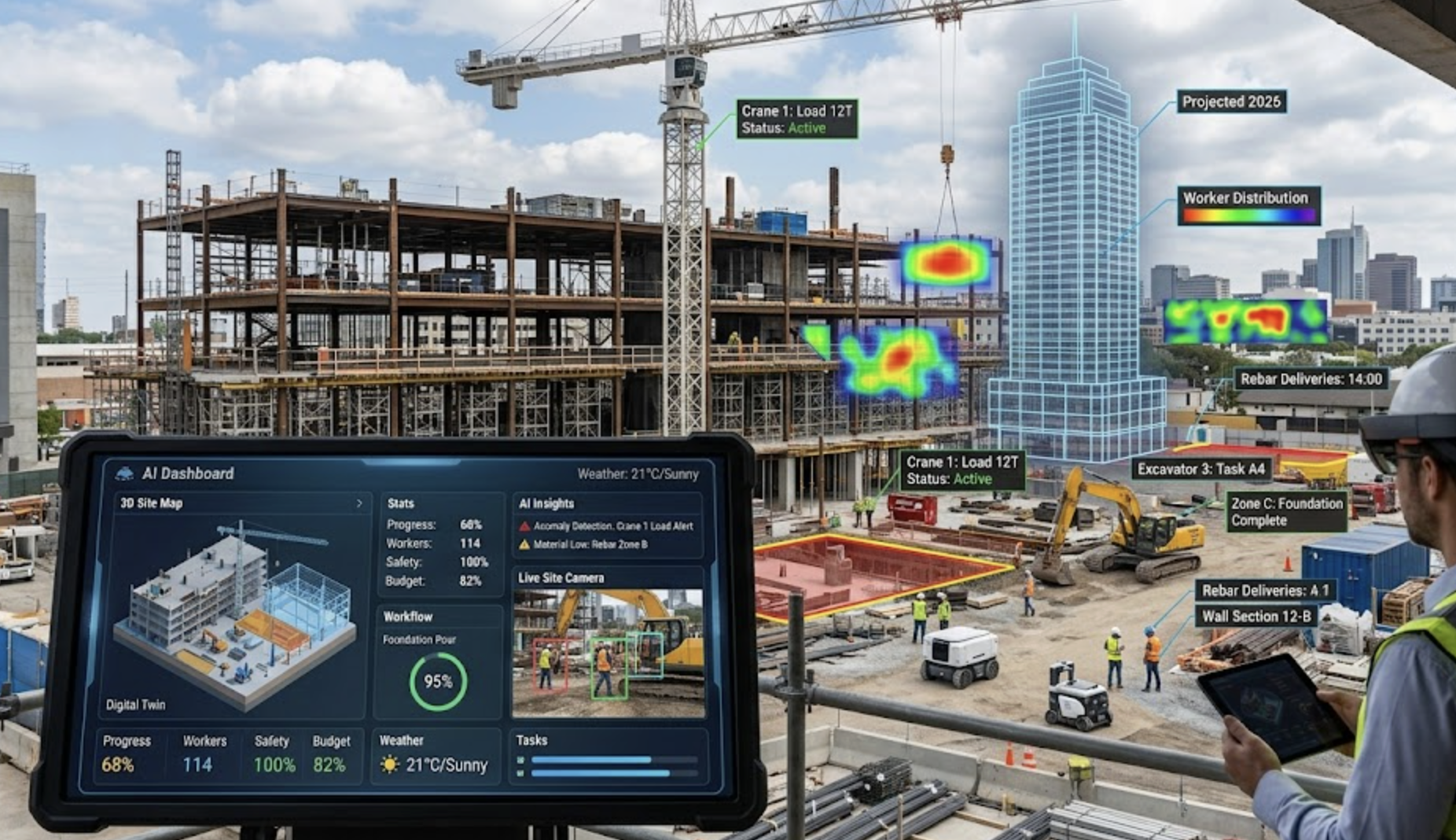
Many construction professionals wonder, “What are the benefits of AI in construction project management?” With automated quality checks, instant document search, and predictive analytics, AI ensures higher accuracy and enables enterprises to allocate resources more efficiently. Furthermore, AI risk management in construction provides real-time insights that can prevent incidents before they escalate, safeguarding people and budgets alike. The result: measurable improvements in project timelines and safety records.
The Core Modules: What Should Enterprises Demand?
A modern construction analytics and insights platform should do more than digitize old paperwork. Zepth Core covers end-to-end construction lifecycle management software needs by combining:
- Jobsite Management: Manage inspections, safety violations, non-conformance, and daily reporting with mobile-first tools that gather and sync site data instantly.
- Document Management: Centralize RFIs, submittals, drawings, and communications within a secure, searchable document register. AI document management software boosts speed and accuracy while enforcing compliance and audit trails.
- Project Financials (Cost Control): Use construction cost control software to track global budgets, expenditures, and forecasts. Zepth Core’s insights help teams avoid overruns and identify financial risks before they materialize.
- Risk Management: Proactive registers, mitigation plans, and data-driven risk reports equip leadership with the tools for better governance and accountability. Smart construction management tools help teams anticipate—not just react to—potential issues.
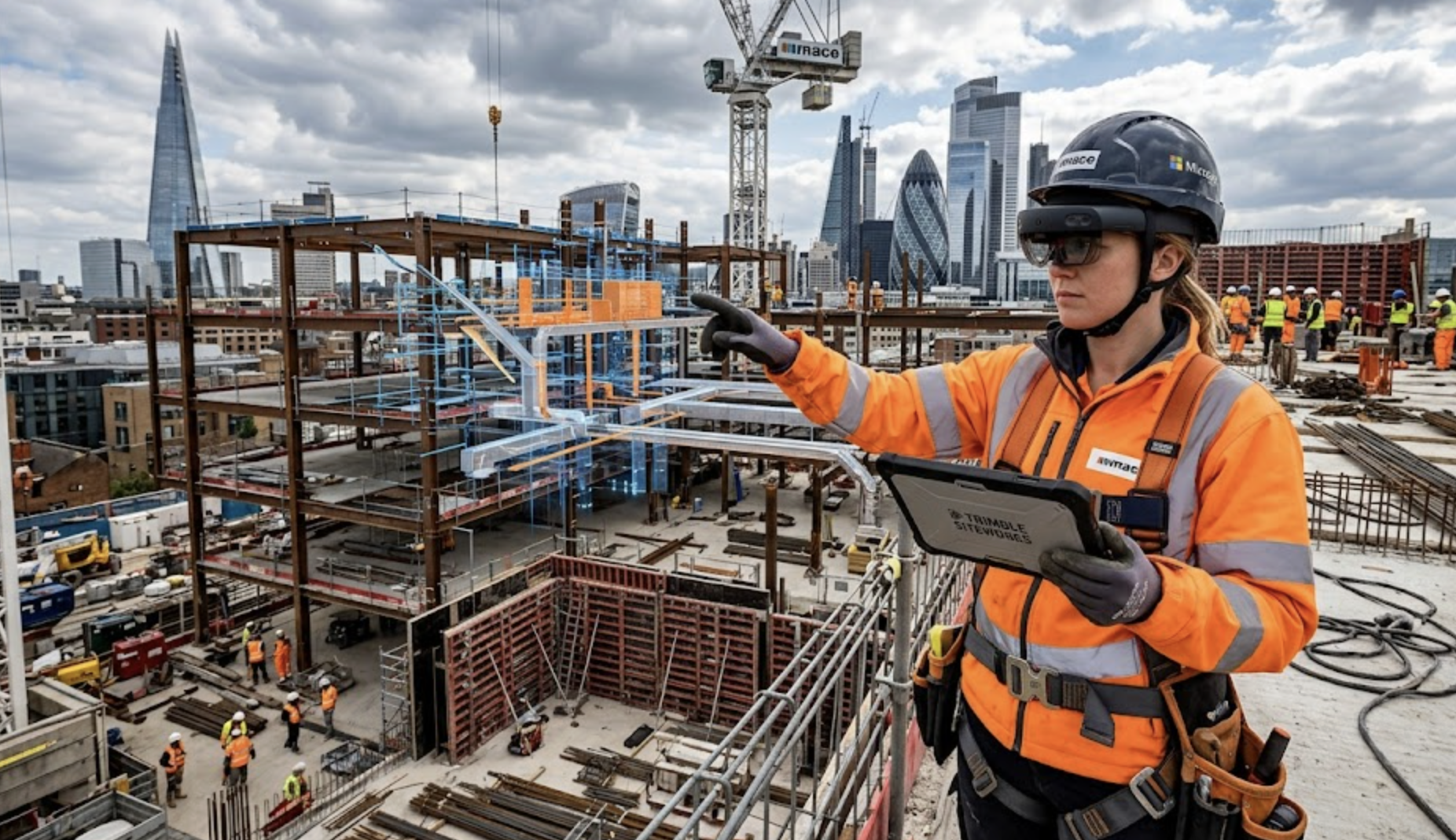
Integrated modules in Zepth bring workflow consistency and transparency across all project phases. For example, Zepth360 lets teams capture and share rich visual updates, linking on-site conditions directly to digital models for unmatched real-time construction project data visibility.
Best Practices for Evaluating Construction Project Tracking Software
With various cloud-based construction management platforms on the market, how should enterprises shortlist the right system?
First, clarify organizational priorities: Is digital transformation aimed at unifying global teams, driving efficiency, or supporting sustainable construction management? Next, examine feature match, looking for integration with existing tools, customizable workflows, and support for real-time collaboration. Security, compliance, and scalability matter, especially as enterprises expand or diversify their portfolios.
Users often ask, “What is the most important feature in construction management software?” For many enterprises, it’s the ability to provide a single source of truth—a secure, always-updated data environment that everyone can trust. This is where common data environment for construction becomes vital, helping eliminate version conflicts and communication gaps.
During pilot or demo phases, involve stakeholders from site supervisors to finance controllers, and measure speed of onboarding, ease of use, and reporting accuracy. Look for actionable construction analytics and insights that can drive strategic decisions. Don’t forget to assess support, training resources, and the vendor’s track record in supporting enterprise-scale implementations.
Why Zepth Core Sets the Standard for Enterprise Construction Software
Zepth Core distinguishes itself among AI construction platforms by providing:
- Comprehensive jobsite modules: Inspections, HSE compliance, incident and snag management, all tightly integrated for seamless field-to-office communications.
- Enterprise-grade document control: From document register and mail to RFIs, submittals, and authority approval tracking—supported by robust audit trails.
- Advanced financial and risk controls: Real-time project budgeting tools for construction, granular spending insights, and centralized construction risk management.
- Open, scalable infrastructure: Integrates with BIM models, supports digital twins in construction, and scales for multi-project, multi-country enterprises.
- AI-driven workflows: Smart automation of repetitive tasks, AI-enabled risk detection, and analytics-driven insights to support every project decision.
Enterprises pursuing construction industry digital transformation gravitate to platforms like Zepth not only for their feature depth but also for fast deployment and measurable ROI. Over time, Zepth’s structured approach to project and document control cuts down administrative overhead, improves safety and quality, and strengthens compliance. As AI-powered project management matures, platforms like Zepth position enterprises to capitalize on every opportunity—today and in the future.
Frequently Asked (and Answered) User Questions
Many users wonder, “How does construction management software improve productivity?” The answer lies in automation—reducing time spent on paperwork, minimizing manual data entry, and ensuring that teams always have the latest information to work with. This efficiency translates to faster project delivery, reduced error rates, and stronger financial control.
Another common query: “Is cloud-based construction software secure?” Modern platforms, such as Zepth Core, use advanced encryption, access controls, and ongoing monitoring to ensure that all sensitive financial, design, and personnel data remain protected—whether accessed onsite or remotely.
The Path Ahead: Smarter, Scalable Construction Management
In the competitive enterprise construction sector, survival—and success—mean choosing tools aligned with future trends. Platforms that blend construction forecasting tools, construction compliance software, and adaptive workflows are redefining how organizations deliver value. Zepth Core sets a powerful standard by uniting modular jobsite, document, risk, and financial management under a unified, AI-enhanced roof. By embracing smart construction management tools today, your organization is ready for the digital, data-driven build environment of tomorrow.