
The Middle Eastern hospitality market stands at the crossroads of rapid expansion and digital transformation. Hotel management software and AI-driven tools are setting the stage for a new era, where operational excellence and guest experience converge for sustained growth. In this dynamic context, embracing digital growth strategies is crucial—not just for day-to-day operations, but at every stage, from project conception and construction (where solutions like Zepth deliver real advantage) to ongoing guest engagement. This deep dive explores the core digital tactics hotels in the GCC and broader region can leverage, with a special focus on smart construction, AI in hospitality, and seamless guest journeys.
Setting the Stage: The Middle East’s Digital Hospitality Landscape
GCC countries—spurred by Vision 2030 directives and mega-projects like NEOM and Expo City Dubai—are reporting some of the most ambitious hotel development pipelines worldwide. By 2030, Saudi Arabia alone plans over 300,000 new keys, making hotel asset management platform technology a necessity, not a luxury. The region’s digitally savvy, youthful population is rewriting the rulebook: mobile-first experiences, rapid social media adoption, and expectations for both AI-powered hospitality management and sustainable hotel management mean digital transformation sits at the heart of competitive strategy.
Digital strategies now underpin every competitive advantage, touching on:
- Guest acquisition and loyalty via data-driven marketing
- Portfolio-level performance monitoring and AI-driven dashboards
- Operational optimization through cloud-based, integrated platforms
- Digitally enabled construction and renovation driven by smart hotel management tools
A common question for regional hoteliers is: What are the most effective tools for digital transformation in hospitality? The answer blends robust hotel financial management software, AI-enabled analytics, and integrated platforms that track everything from construction progress to operational uptime—delivering both “big picture” and granular control.
Strengthening the Foundation: Websites, Direct Bookings & OTA Optimization
In the digital-first GCC ecosystem, a high-converting, multilingual hotel website is foundational. Responsive, mobile-centric design and quick page load times are non-negotiable, especially with UAE smartphone penetration exceeding 95%. Regionally tailored content should highlight not only unique selling points (luxury, location, halal-friendly amenities) but also critical info like VAT, tourism fees, and digital nomad offerings. Integrating a prominent “Book Direct” CTA with member-exclusive rates or flexible packages nudges users away from third-party OTAs.
Hotels often ask: How can I increase direct bookings and reduce reliance on OTAs? Optimize your tech stack: use rate parity tools, retargeting pixels, and segment-specific loyalty benefits. Seamlessly integrate hotel CAPEX control software and guest preference analytics, ensuring first-party data ownership and tailored campaigns. A robust hotel portfolio management system will link website metrics to broader financial and operational KPIs, connecting guest acquisition to ROI at the asset level.
OTAs remain critical for international reach and price-sensitive segments, especially during low seasons or launch periods. However, using AI-driven hotel management data, hotels can balance OTA and direct strategy: test new packages, retarget OTA-originating visitors for future direct conversion, and use the “data dividend” to power ongoing growth.
Mobile-First Guest Journeys & Fintech Integration
With the average Middle Eastern guest highly mobile literate, transforming every touchpoint—booking, check-in, concierge—into a seamless, mobile-enabled experience is essential. One-page checkouts, instant currency conversion, digital wallets (Apple Pay, STC Pay, Google Pay), and clear, inclusive pricing reduce abandonment and boost final conversion. Large hotels or resorts may justify native apps offering in-app check-in, mobile keys, and live chat. However, for many, Progressive Web Apps (PWAs) deliver an “app-like” experience with lower entry costs and broader accessibility—supporting instant notifications, offline features, and home screen shortcuts.
The region’s fintech revolution underpins further digital growth. Offering flexible digital payment options—credit cards, e-wallets, BNPL, and Sharia-compliant tools—not only serves diverse preferences but also reassures guests on security and compliance, directly raising booking completion rates. In fact, one might ask: Why are digital payments critical for modern hotels? The answer lies in frictionless, secure, and flexible payment choices fueling trust and convenience, especially among younger and international travelers.
Personalization and Data-Driven Hospitality: The Power of AI
Unifying guest data from all systems—PMS, CRM, POS, spa, loyalty—empowers hotels to construct actionable 360° profiles. This enables highly personalized pre-arrival, on-stay, and post-stay communication: from room preferences to cross-property loyalty. With compliance top of mind (GDPR for EU guests, regional data laws for GCC residents), explicit consent management is essential. AI in hospitality transforms this data into powerful predictive and prescriptive insights:
- AI tools for hotels power dynamic pricing, personalized offers, and booking behavior prediction.
- AI-driven performance dashboards monitor occupancy, ADR, RevPAR, guest satisfaction, and marketing ROI in real-time.
- Intelligent chatbots and workflow automation platforms streamline guest inquiries and upsell opportunities 24/7.
It’s not uncommon for hoteliers to wonder: How can AI improve hotel operations? Predictive analytics identify booking and cancellation risk, optimize inventory, and automate guest segmentation—enabling targeted campaigns and dynamic pricing that can uplift RevPAR by as much as 7% while improving guest satisfaction and operational efficiency.
Zepth Edge, as an AI-powered hospitality management suite, incorporates key modules: real-time financial dashboards, guest segmentation, service quality tracking, budgeting and CAPEX control, asset lifecycle management, and automated reporting. Owners and operators gain portfolio foresight—spotting trends, forecasting costs, and managing compliance across multiple assets from a single cloud-based interface.
Winning Social, Content, and Reputation Management in the Middle East
With more than 99% UAE residents active on social media, visually compelling and culturally attuned content is key. Hotels excel on Instagram, TikTok, and YouTube with user-generated content, influencer collaborations, and real-time event storytelling. Savvy hotels geo-target their paid social, promoting staycations or festival packages to regional segments (e.g., GCC families, EU leisure travelers). Authenticity—through the amplification of guest stories and strategic micro-influencer partnerships—builds trust and boosts direct engagement.
Online reviews remain a powerful lever for conversion and ADR. Proactive outreach for reviews, timely professional responses (especially to negative feedback), and leveraging text analytics to spot pain points all feed back into operational improvement cycles. Many ask: How do online reviews impact hotel revenue? A one-point increase in average review scores can raise ADR by up to 9%, illustrating the financial imperative for robust reputation management and rapid response systems.
Smart Hotel Technologies: Operational Intelligence and ESG
Contactless tech—including mobile keys, self-service kiosks, and digital signatures—reduces queues, enhances guest control, and reallocates staff to higher-value “touch” service. In-room IoT solutions drive luxury and efficiency: app-based controls for lighting/temperature, smart TVs, and localized voice assistants. In the context of the Middle East’s climate and ESG focus, digital building management systems, smart thermostats, and energy analytics help hotels monitor and optimize consumption, reducing costs and supporting green certifications critical to both compliance and brand value. Sustainability is increasingly a decisive factor for guests from key international source markets.
Revenue Management, Distribution, and Loyalty: Maximizing Lifetime Value
Next-gen hotel operations management platforms link AI-powered revenue management (RMS), channel management, and financial analytics into an integrated ecosystem. By combining historical booking data, competitor rates, web traffic, and regional events (Ramadan, Hajj, major expos), hotels achieve dynamic and targeted pricing, advanced forecasting, and granular market segmentation. As third-party cookies disappear and acquisition costs rise, first-party data collection—via Wi-Fi sign-ups, loyalty programs, and segmented CRM campaigns—becomes mission-critical for sustained direct growth and guest lifetime value. Advanced hospitality analytics and insights platforms help identify high-value guests, optimize drip marketing, and automate key communications for both repeat and re-engagement.
Digitally Driven Hotel Construction & Renovation: Zepth at the Forefront
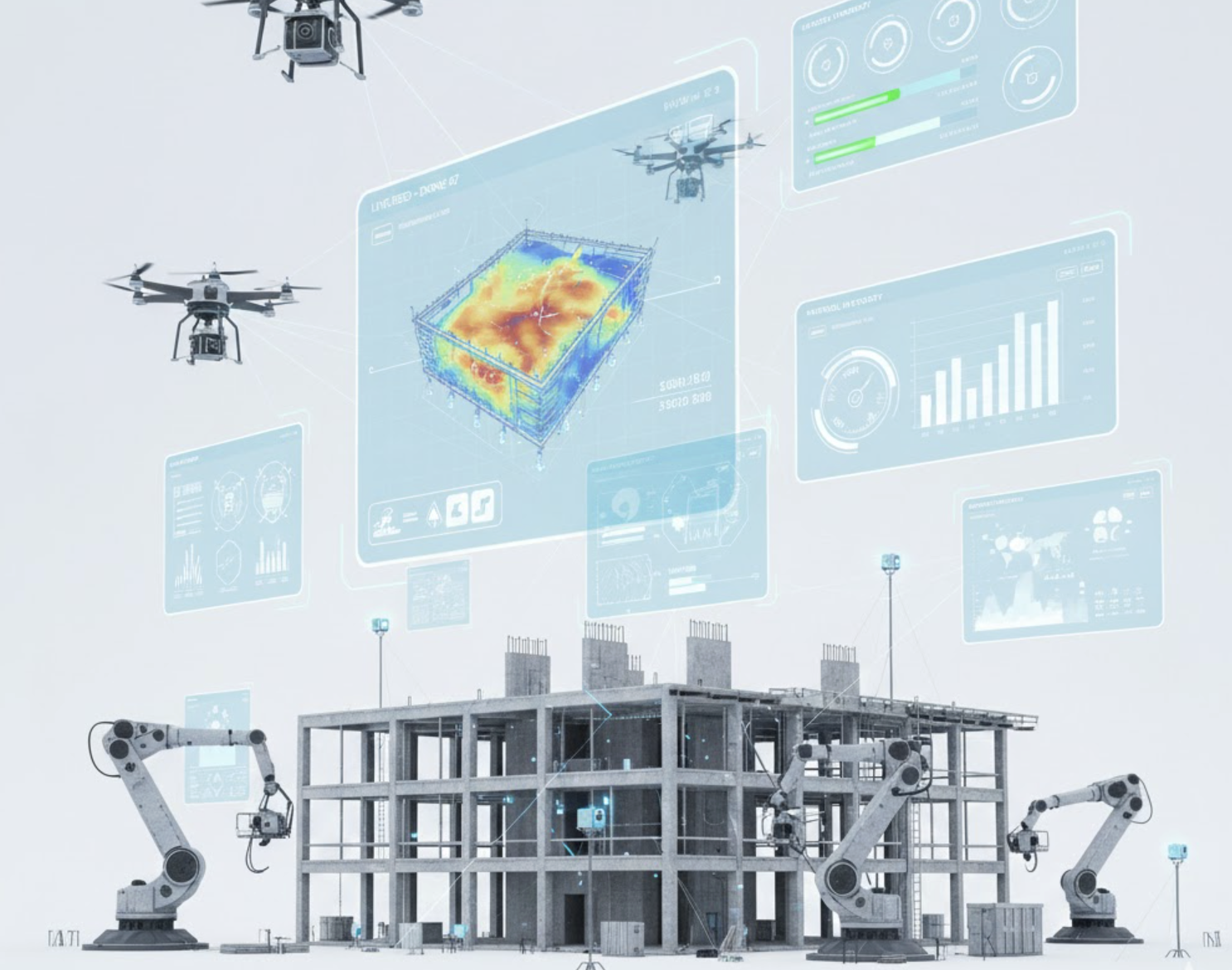
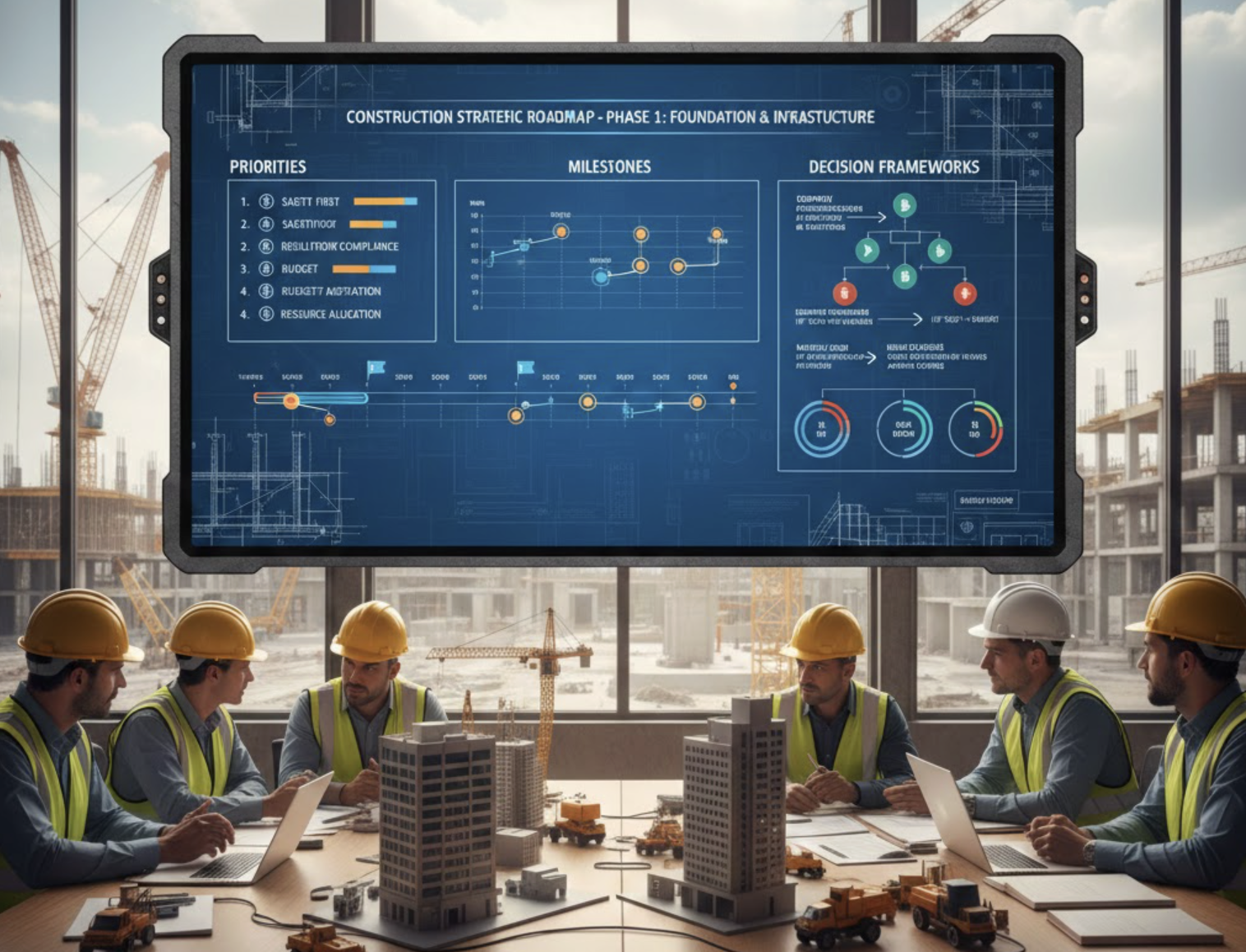
While digital transformation dominates the operational and guest-facing landscape, it must start at the project delivery level. Many Middle Eastern hotels—those under construction or renovation for mega-events or religious tourism seasons—face complex stakeholder ecosystems, tight timelines, and frequent design iterations. Here, Zepth provides an enterprise-grade digital backbone, ensuring on-time and on-budget delivery for both new builds and refurbishments. Let’s look at key Zepth Edge modules and how they drive value:
- Financial Overview: Real-time tracking of profit, OPEX, CAPEX, and expense metrics—enabling complete fiscal control at the portfolio and asset level.
- CAPEX & Budget Management: Fully digitized planning, approval workflows, spend tracking, and compliance/audit trail, saving up to 30% on capital projects.
- Asset Register & Lifecycle: Maintain a single source of truth for asset location, condition, warranty, and maintenance data, optimizing asset performance and replacement schedules.
- MIS Reporting & Portfolio Analytics: Instant management reporting, with operational, financial, and project data integrated in real-time for better, faster decision-making.
- Quality, Risk & Safety: Structured inspections, snag/punch lists, and incident reporting to ensure brand standards and compliance throughout the construction and pre-opening phase.
This platform approach underpins transparency, collaboration, and real-time intelligence—delivering the operational readiness and smart infrastructure essential for a seamless guest digital experience from day one. As a result, hotels reach revenue-generating status sooner, minimize post-opening defects, and lay the groundwork for advanced PMS/BMS integrations and next-generation hospitality automation.
Innovation and Best Practices: Staying Ahead in a Competitive Market
The Middle East’s hotel innovators are also exploring super apps (hospitality and mobility ecosystems), virtual and metaverse guest experiences, and robotics for service and inventory. Sustainability dashboards, energy and water analytics, and digital storytelling about ESG are now part of the evolving brand narrative—catering to the rising generation of responsible travelers.
For any hotel group, the path to digital maturity starts with mapping end-to-end guest journeys, aligning technology investments to brand positioning, and investing in staff training for new operational platforms—whether in guest-facing automation or back-end construction digitalization. A cycle of measurement (KPIs like direct booking share, mobile conversion, NPS, and online review scores), testing (A/B on offers and content), and continuous iteration is key. The right partner ecosystem—PMS, RMS, CRM, agency, and construction technology providers like Zepth—forms the enabling backbone of any digital growth strategy.
To summarize, digital excellence in the Middle East’s fast-growing hospitality sector goes far beyond slick marketing or the latest guest app. Leading hotels invest in deep technology stacks—integrating construction delivery, asset optimization, intelligent operations, and tailored guest experiences. Platforms like Zepth Edge position hotel owners, operators, and investors for long-term agility—connecting project development to sustained operational performance and digital success in the most ambitious hospitality market on the planet.