
In today’s high-stakes, performance-focused U.S. construction and real estate markets, the demand for robust, data-driven management has never been greater. Institutional investors, lenders, and asset owners increasingly look beyond intuition and experience, seeking the hard metrics and predictive insights that only a hotel asset management platform or a leading-edge hotel financial management software can provide. Data-driven tools and connected workflows are now essential for optimizing not only individual asset outcomes but entire portfolios—transforming how assets are valued, traded, financed, and operated.
Why Data-Driven Management Matters for U.S. Valuations
The U.S. real estate and hospitality sectors face serious headwinds: higher interest rates, squeezed margins, and investor mandates for transparency and predictability. Across commercial construction, major projects run an average of 20% late and up to 80% over budget—a stark reality that erodes asset value and undermines returns. Historically, intuition guided project decisions; today, institutional stakeholders demand evidence. AI in hospitality and AI-driven hotel management solutions enable standardization, transparency, and real-time insight.
Why do data-driven methods boost valuations? The answer roots in their effect on discounted cash flow (DCF) modeling, comps analysis, and risk pricing. When you substitute unreliable estimates with precise, real-time project and portfolio data, you provide investors with the confidence that drives lower risk premiums and better lending terms. A reliable hotel portfolio management system ensures complete visibility from construction through long-term operation, underpinning stronger asset performance—and compelling valuations.
The Essentials: What Is Data-Driven Management for Real Estate and Hospitality?
Modern hotel operations management platforms systematically gather and analyze structured data across the asset lifecycle—from strategy and feasibility, through procurement and delivery, to handover and operations. The core components include:
- Data collection and standardization: Centralizing schedules, budgets, RFIs, change orders, safety, quality, and ESG data, structured using common coding and templates.
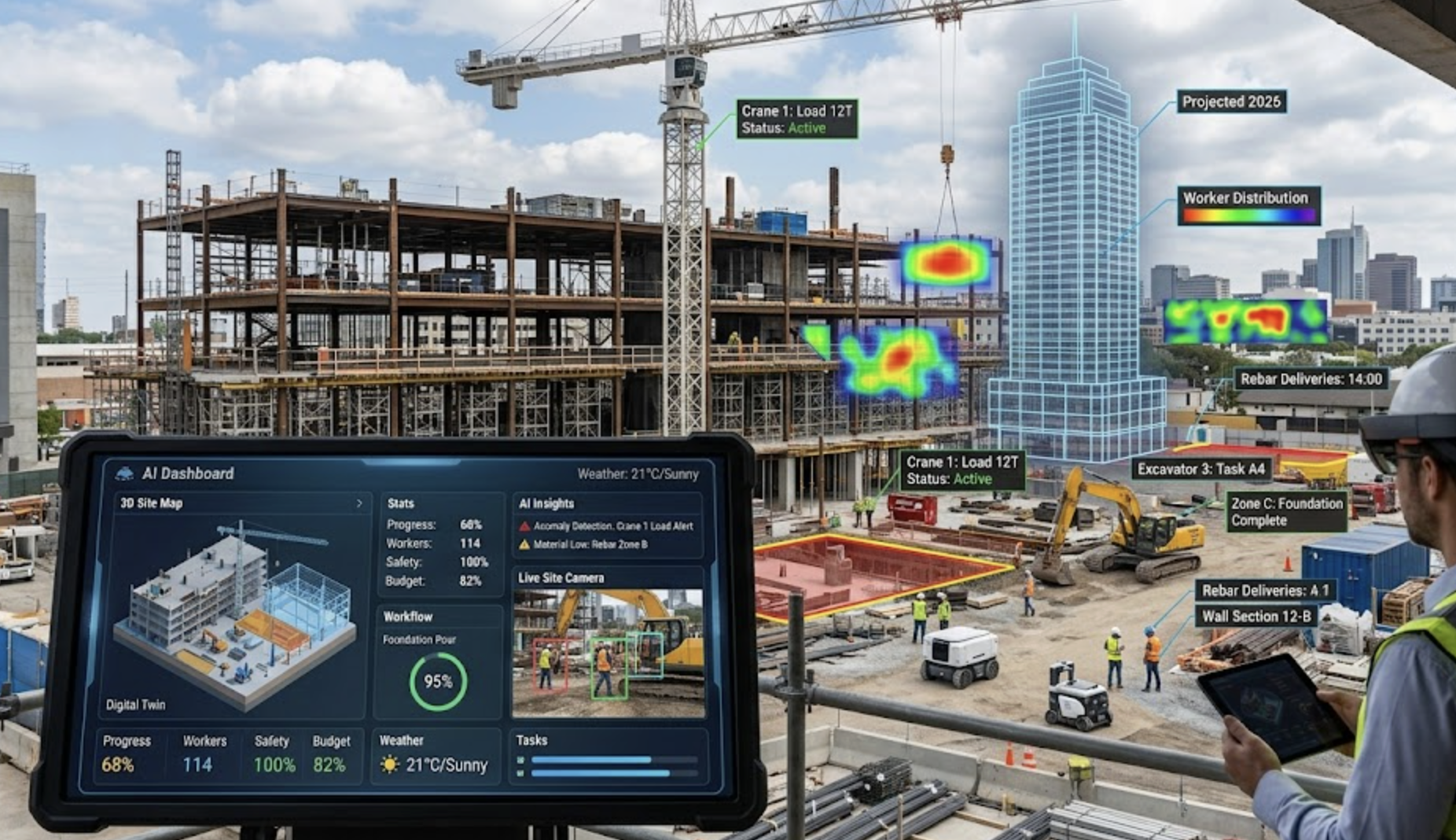
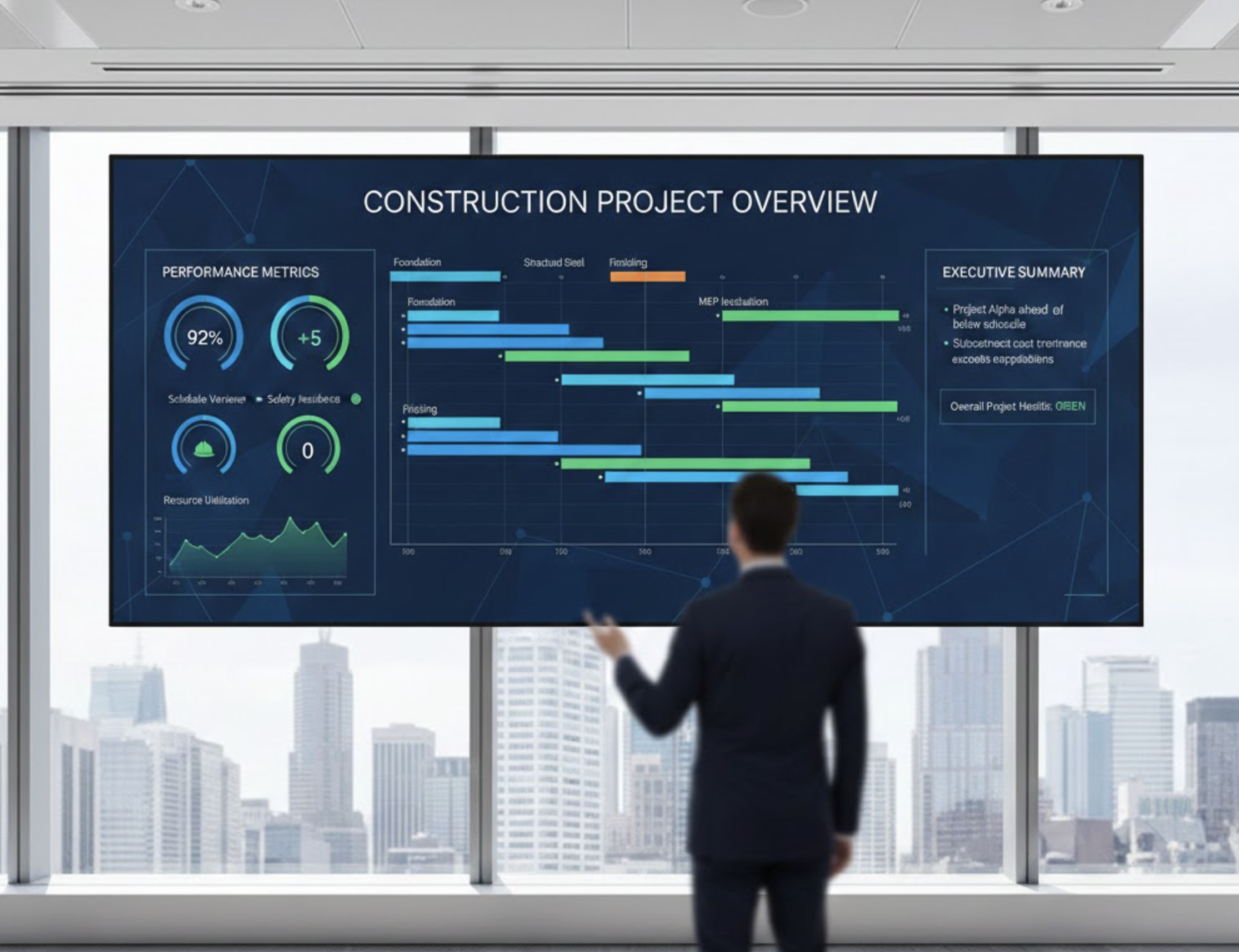
- Real-time visibility: Custom dashboards and reports provide owners, operators, and investors with updates across portfolio and property levels.
- Advanced analytics and AI: Predictive models identify likely cost or schedule overruns, trigger exception-based alerts, and analyze historical data for recurring risks.
- Integration: Connecting project management, BIM, ERP, and collaboration tools for seamless workflows and holistic oversight.
- Governance and data quality: With clear data ownership, validation, and standardized processes, data integrity is ensured.
These pillars of AI-powered hospitality management form the foundation for maximizing asset professionalism and driving superior, evidence-backed valuation outcomes.
Proven Impact: Data-Driven Practices and Their Financial Outcomes
Institutions and developers leveraging AI asset management software and advanced analytics see tangible improvements. Studies show that digital approaches raise construction productivity by up to 15% and lower costs by 4–6%. Contractors with integrated, real-time data reduce rework and disputes, minimize schedule slippage, and ultimately deliver projects closer to their original business case. A question that comes up frequently is, “How can hotel financial management software improve asset valuations?” The answer lies in enhanced transparency, more accurate forecasting, and operational efficiency that together reduce risk premiums and lift net operating income—directly benefiting asset value.
Transparency is now a key differentiator. Institutional capital providers increasingly prioritize sponsors who offer granular, traceable records—rewarding them with preferable loan terms and tighter capital market pricing. With data-rich hospitality analytics and insights, sponsors reduce uncertainty, accelerate deal cycles, and minimize risk-driven mark-downs on transaction value.
How Data-Driven Management Directly Enhances Valuations
Better CAPEX Control and Delivery
Cost overruns and delays remain the top threats to real estate valuations. Hotel CAPEX control software with predictive analytics enables real-time tracking of budget commitments, earned value, and pending change orders. Automated issue recognition flags deviations before they spiral, allowing management and owners to respond proactively, tighten cost adherence, and reduce costly contingencies. Platforms like Zepth Edge bring these capabilities together, centralizing budget, schedule, and issue data—creating auditable cost histories and building investor confidence.
Reduced Risk Premiums and Cost of Capital
One of the most common user questions is, “What are the benefits of AI-driven hotel management in reducing financing costs?” AI-powered platforms systematically capture risk registers, mitigation plans, and issue closure, providing measurable benchmarks that lenders favor. When developers can demonstrate consistently low cost overruns and schedule delays across projects, they credibly negotiate lower loan spreads and obtain better valuations from buyers—outcomes well documented in industry practice.
Higher Asset Quality and Long-Term Performance
Data-driven platforms deliver lasting quality through digital inspections, standardized punch lists, and thorough defect tracking. By minimizing latent defects and avoiding repeated quality issues, owners enjoy lower operating costs, improved guest satisfaction, and resilient rental revenues—factors that all solidify valuation metrics such as cap rate and NPV. Zepth Edge tracks these quality metrics from construction through operations, ensuring decision-makers always have a clear view of asset health and lifecycle performance.
Enhanced ESG and Sustainability Valuations
Smart, sustainable assets command up to 8% rental premiums in some markets, and promote tenant retention through improved comfort and transparency. Modern AI-driven performance dashboards not only track energy, water, and waste in real time, but also automate compliance with emerging ESG frameworks (e.g., LEED, ENERGY STAR), linking these results directly to portfolio and investor dashboards. By clearly documenting safety, sustainability, and social impact, platforms such as Zepth Edge empower assets to tap green financing and capture valuation uplifts associated with ESG leadership.
Improved Transaction Readiness and Exit Valuations
Data-driven management platforms are indispensable in due diligence, providing a single source of truth for contracts, RFIs, inspections, approvals, and ESG metrics. With clean, comprehensive digital records, sellers reduce perceived asset risk and streamline deal cycles—often selling closer to initial values as buyers and lenders grow more confident in the available documentation and operational history.
Real-World Use Cases: Data-Driven Management in Action
Consider these typical scenarios:
- Multifamily Developer: Transitioning from siloed spreadsheets to a unified platform like Zepth Edge, a developer demonstrates consistent cost management and schedule adherence. Lenders respond by lowering financing spreads, and the developer benefits from improved DCF-based valuation.
- Institutional Investor: When acquiring a portfolio, the buyer requests data transparency. The seller, equipped with comprehensive, standardized performance dashboards, satisfies the diligence quickly, achieving tighter cap rates and reducing negotiation friction.
- Owner Targeting Green Financing: By tracking and documenting all sustainability metrics in a single system, the owner qualifies for sustainability-linked loans and achieves step-downs in interest rates by hitting ESG KPIs, directly enriching project value.
Best Practices for Implementing Data-Driven Management
Success doesn’t come just by adopting a cloud-based hospitality management system—it requires tight alignment of strategy, tools, and culture. Here are foundational moves:
- Start with Clear Objectives: Identify which valuation drivers—cost, schedule, ESG, quality, transparency—you aim to impact, and translate into actionable KPIs and dashboards.
- Establish a Single Source of Truth: Centralize all financial, operational, quality, and ESG data on a platform like Zepth Edge, eliminating data silos and errors common to ad-hoc tools.
- Standardize Data Structures and Workflows: Deploy common templates, codes, and approval processes across the organization, ensuring reliability of cross-project analysis.
- Embed Analytics and Reporting: Don’t stop at data collection—leverage powerful reporting and AI-powered forecasting to spot trends and risks early.
- Align Contracts and Culture: Build data transparency into contracts and train teams to use platforms as proactive management tools, not just compliance checklists.
- Protect Data Integrity and Security: Enforce strong role-based access controls and audit trails—a crucial factor in investor confidence and regulatory compliance.
Users often wonder, “What steps can companies take to transition from intuition-based to data-driven real estate management?” The most impactful moves are adopting a unified platform, standardizing workflows, and embedding analytics across every level of management. The rewards follow quickly in the form of operational improvements, de-risked portfolios, and better financing terms.
Emerging Innovations: The Next Frontier in Data-Driven Valuation Enhancement
AI and Predictive Analytics: AI algorithms are now identifying early warning signals, prioritizing mitigation steps, and helping teams proactively manage uncertain environments. For instance, Zepth Edge employs smart issue classification and predictive risk insights, setting a new standard for risk-adjusted cash-flow forecasting.
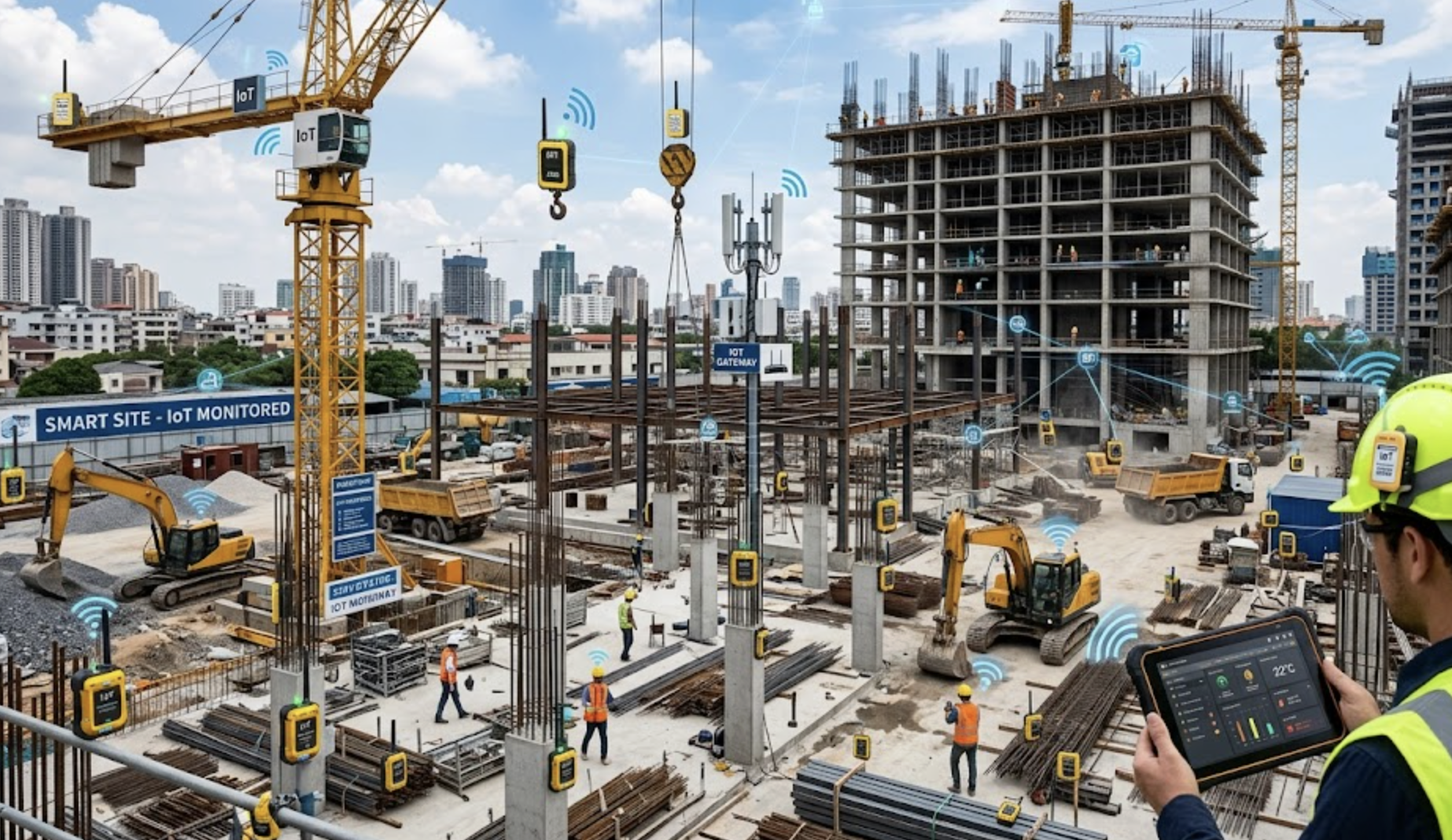
Integration with BIM, IoT, and Digital Twins: The convergence of building information modeling, IoT sensor data, and digital twins creates high-fidelity digital representations of an asset throughout its lifecycle. This deep integration means even better O&M forecasting, easier compliance with green building standards, and more defensible remaining useful life projections—each a value lever for U.S. assets in today’s capital markets.
ESG and Regulatory Reporting: Compliance is quickly becoming a valuation differentiator. As ESG disclosure expectations grow, construction-phase data is directly influencing ESG scores and access to green, sustainability-linked financing. A platform capturing this data from day one ensures readiness for tomorrow’s investor requirements.
How Zepth Edge Powers Data-Driven Value Enhancement
Zepth Edge stands at the intersection of intelligence, integration, and insight for built world portfolios. It unifies every facet of project and portfolio management—from financial tracking and budgeting to quality, safety, risk, and ESG:
- Unified Management: Cross-asset, centralized analytics and real-time dashboards eliminate silos, supporting investor and lender reporting requirements.
- Structured Data & Workflows: Pre-configured modules and templates guarantee data consistency and reliability for all financial and operational events.
- Comprehensive Risk, Quality, and ESG Visibility: Automated logs track risk closures, quality issues, and safety/ESG events—empowering smarter, data-driven management decisions.
- Audit-Ready Documentation: Timestamped, searchable records underpin transparent, frictionless due diligence for deals, loans, and regulatory checks.
- Actionable Insights: Advanced analytics—underpinning every module—turn real-time portfolio data into the forecasts, diagnostics, and benchmarks that top-performing developers, owners, and investors demand.
This intelligent edge—enabled only by a sophisticated platform like Zepth—puts U.S. assets ahead of the pack. Fewer surprises, tighter controls, smarter forecasting, visible ESG wins, and always-on transparency roll up to one unmistakable outcome: higher valuations, on every exit, every project, every portfolio.
Conclusion: The shift to data-driven management isn’t merely a trend in U.S. construction and hospitality—it’s a necessity for those seeking outsize returns and reduced financing risk. Platforms like Zepth Edge—combining AI, real-time reporting, CAPEX and OPEX controls, and industry-wide best practices—are ushering in a new era of evidence-driven valuation, setting the standard for the next generation of hotel and real estate management.