
Asset lifecycle visibility is rapidly becoming the cornerstone of effective hotel and infrastructure management in Abu Dhabi. As the emirate pushes forward with its ambitious Economic Vision 2030, both public and private sectors are investing in hotel management software, cloud-based asset systems, and AI-powered hospitality management platforms. These tools improve everything from capital planning and compliance to operational sustainability.
Let’s explore why asset lifecycle visibility matters so much in Abu Dhabi, how digital innovation is driving progress, the challenges faced, and the role of next-generation solutions like Zepth Edge in transforming property and hotel asset management.
Why Asset Lifecycle Visibility is Critical in Abu Dhabi
Asset lifecycle visibility — tracking, managing, and analyzing assets from planning through decommissioning — is crucial in Abu Dhabi for both economic and regulatory reasons. The government’s infrastructure expansion and sustainability mandates are shifting how properties, hotels, and industrial assets are managed. Robust hotel asset management platforms and digital twins provide transparency and resilience, enabling better decisions based on real-time data across construction, operations, and eventual renewal. For any owner or operator asking, “Why does asset lifecycle management matter?” the answer is clear: it drives CAPEX optimization, lowers OPEX, enables compliance, and supports national sustainability goals, such as the UAE Net Zero 2050 initiative.
Regulators such as the Department of Municipalities and Transport (DMT) are now encouraging digital transformation in hospitality and the built environment. Meeting these expectations isn’t simply about adopting new technologies. It’s about creating continuity across the entire property journey, ensuring visibility into condition, costs, service quality, and long-term value. Ultimately, strong asset lifecycle visibility means less downtime, more predictable performance, and full traceability for auditing and ESG requirements.
Mapping the Asset Lifecycle: From Design to Decommissioning
Effective asset lifecycle management breaks down into distinct stages, each with its own visibility requirements and technology enablers. In Abu Dhabi, the journey begins with strategic feasibility studies, proceeds through construction and handover, and extends through decades of maintenance, upgrades, and eventual decommissioning. At each phase:
- Planning & Design: Digital tools like BIM and GIS offer a single source of truth for design documents, cost models, OPEX/CAPEX forecasting, and risk analysis. Early asset data can inform future operational decisions.
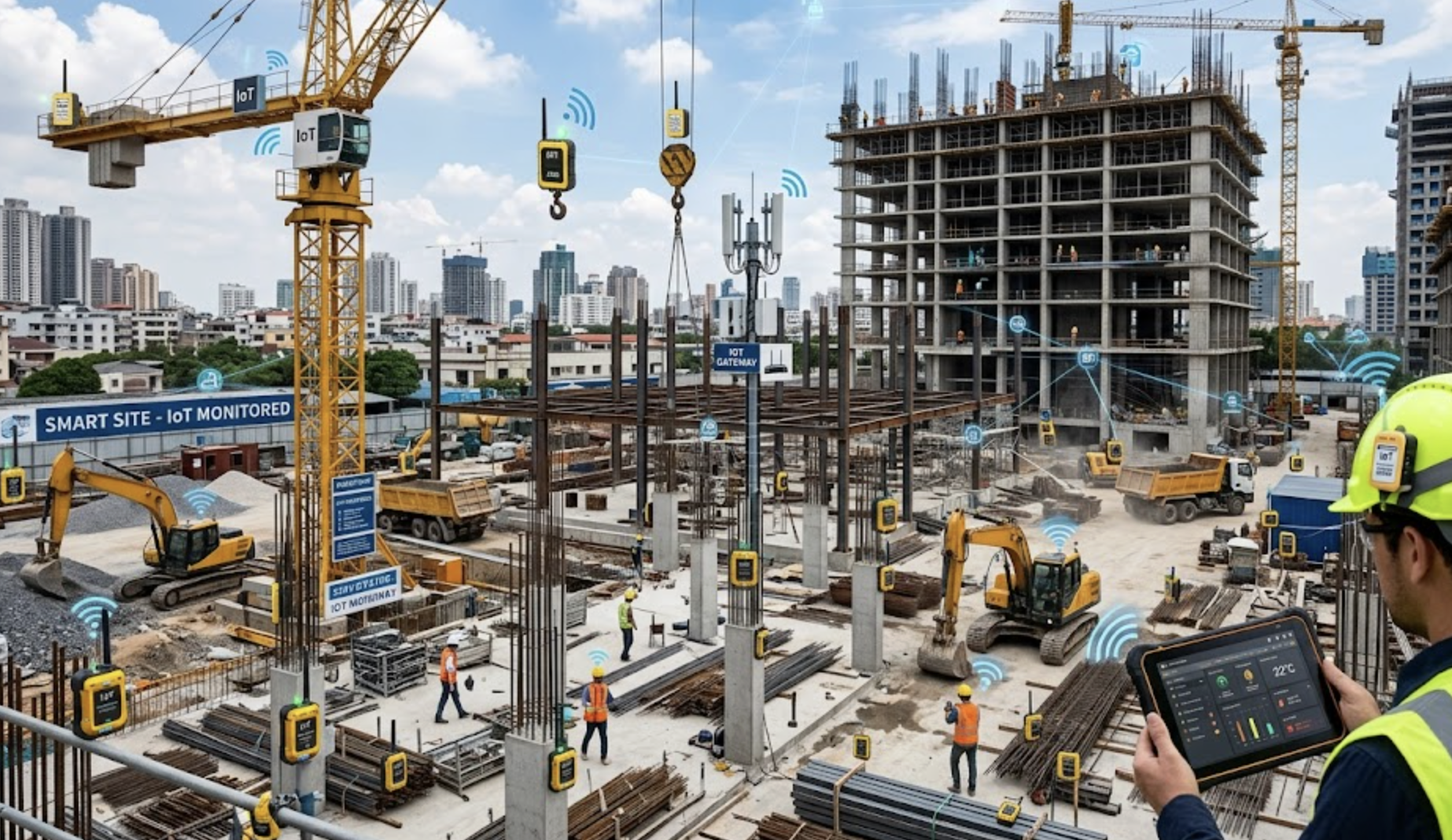
- Construction & Commissioning: Hotel operations management platforms track progress, budget adherence, materials, and quality issues in real-time. Accurate documentation and digital handover packages are critical.
- Operations & Maintenance (O&M): IoT sensors, integrated with cloud-based platforms, provide ongoing visibility into asset condition, failure trends, energy efficiency, and maintenance backlogs, enabling predictive strategies rather than reactive fixes.
- Renewal & Decommissioning: Historical data from each lifecycle phase supports informed decisions about refurbishment, material reuse, or environmentally compliant asset disposal.
One common question often asked by asset owners is, “How can digital tools help reduce operational costs?” The answer: by providing real-time insights—from utility consumption to failure trends—that allow teams to act before issues escalate, optimizing both human and financial resources. Adopting AI-driven hotel management and asset optimization platforms ensures all stakeholders collaborate around live data, not outdated spreadsheets or misfiled emails.
Regulatory Context and Institutional Leadership in Abu Dhabi
Abu Dhabi’s regulatory agencies, including the DMT, Abu Dhabi Department of Energy, and sector-specific bodies like ADNOC and AD Ports Group, have established a robust framework for urban development and asset performance. Project RFPs increasingly specify digital data deliverables: from structured BIM models for new districts, to integrated asset registers for government and hospitality portfolios.
Abu Dhabi Quality and Conformity Council (QCC) standards are ensuring material quality and conformance. Meanwhile, the Abu Dhabi Digital Authority is pushing for interoperability—netting together construction, operations, and financial data via smart city platforms. The practical implication: hotels and facility operators must have systems capable of structured digital handover, asset tagging, and, ultimately, the auditable records essential for compliance and reporting.
Enabling Technologies: From BIM to AI-Driven Analytics
The building blocks of visibility in Abu Dhabi’s asset landscape include:
- BIM (Building Information Modeling) and Common Data Environments (CDE) for unified project records, supporting collaboration across teams and lifecycle phases.
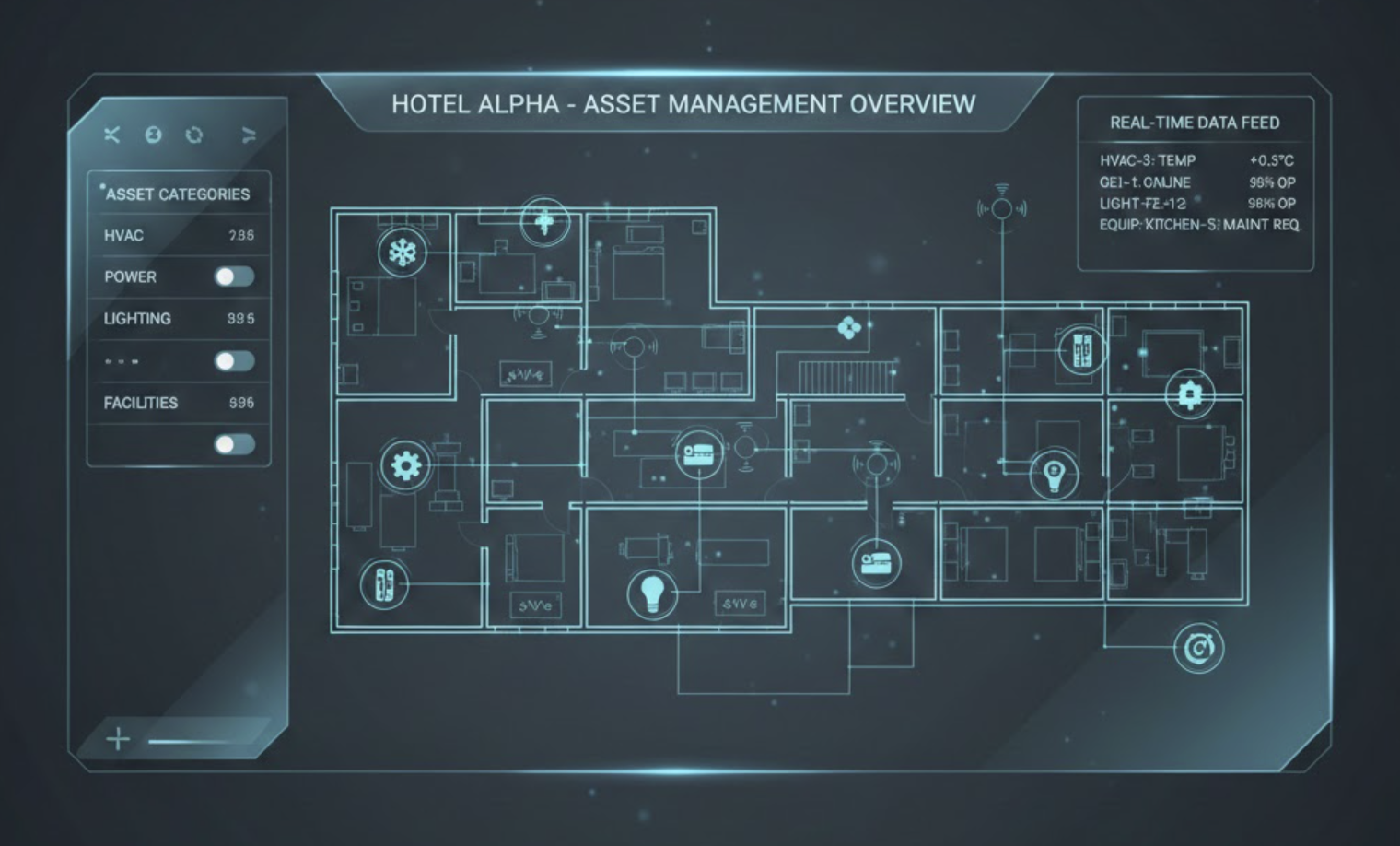
- IoT and Condition Monitoring to deliver granular, real-time status of everything from HVAC to water pumps, supporting predictive maintenance programs that have become the norm for major Abu Dhabi operators.
- Digital Twins to merge design, construction, and operational insights, simulating asset behavior for scenario analysis and capacity optimization.
- AI, Analytics, and Predictive Maintenance to uncover hidden trends, spotlight risk hotspots, and prioritize interventions—all crucial for maintaining asset reliability in Abu Dhabi’s demanding climate.
For those wondering, “What is the role of AI in hotel or infrastructure management?” AI-powered hospitality management and asset analytics platforms enable teams to predict failures before they happen, optimize maintenance schedules, and support data-driven portfolio planning—key benefits for hospitality and infrastructure portfolios seeking to outperform competitors and ensure guest or tenant satisfaction.
Main Challenges to Achieving Full Lifecycle Visibility
Despite significant advances, several hurdles remain. Data silos—each contractor, consultant, and O&M team using different systems—lead to lost or incomplete records, especially at project handover. Abu Dhabi’s harsh climate increases asset degradation, making ongoing, accurate condition data more valuable but also harder to secure. Variation in asset standards, classification, and inconsistent use of digital workflows still cause gaps in the asset story.
Human factors are equally critical. Resistance to digital adoption and limited data skills, especially among traditional teams, slow progress. This is why best practices recommend not only technical solutions but also robust data governance, clear definition of asset data requirements from day one, and ongoing training for all stakeholders. For many, a natural question arises: “How can organizations improve asset data consistency?” The answer lies in mandating standards (such as ISO 55000), adopting a centralized asset management platform, and ensuring regular audits and validation across the lifecycle.
Benefits of Complete Asset Lifecycle Visibility
The advantages for Abu Dhabi’s asset-intensive sectors—hotels, real estate, infrastructure, and utilities—are substantial when lifecycle visibility becomes the norm:
- Financial & Operational: Lower total lifecycle costs from predictive maintenance, accurate budgeting, seamless handover, and fewer disputes.
- Risk & Compliance: Stronger adherence to evolving safety and environmental regulations, traceable audit trails, reduced downtime and unplanned failures.
- Sustainability & ESG: Better tracking of energy use, emissions, certifications, and support for circular economy principles.
- Strategic Portfolio Management: Enhanced benchmarking of asset performance, smarter CAPEX and OPEX optimization, and data-driven investment decisions across hotel and facility portfolios.
Real-World Use Cases in Abu Dhabi
Abu Dhabi’s city planners and asset managers are pioneering the use of digital tools across multiple sectors. Public infrastructure leaders use centralized registries and predictive analytics for roads, bridges, and tunnels to minimize costly downtime. Hospitals, schools, and airports are migrating from traditional handovers to BIM-enabled, cloud-based property management. In oil & gas, advanced condition monitoring and cause-of-failure analysis protect critical infrastructure—where unplanned breakdowns mean high risk and cost. Moreover, the emirate’s push for smart districts and urban digital twins hinges on reliable data initially captured during planning and construction, but continuously updated by operational teams.
Best Practices for Achieving Asset Lifecycle Visibility
Success depends on a few key strategies:
- Start with a clear data governance strategy and define standards for asset metadata, naming, and ownership.
- Mandate digital deliverables—such as BIM models, asset registers—in project contracts and RFPs.
- Leverage a common data environment (CDE) to bring all design, construction, and quality data into a single, structured platform, similar to Zepth’s collaborative modules.
- Standardize handover procedures, moving from one-off document dumps to progressive, validated transfers of structured data.
- Plan for early integration between project, asset, and O&M systems, and train all teams in digital workflows and lifecycle management tools.
These steps enable hotels, real estate, and infrastructure owners to break down silos, enhance collaboration, and secure a digital foundation for the decades-long journey of every asset across Abu Dhabi’s dynamic environment.
How Zepth Powers Asset Lifecycle Visibility in Abu Dhabi
Platforms like Zepth Edge are perfectly positioned to address the asset lifecycle visibility needs of Abu Dhabi’s growing hospitality and infrastructure portfolios. Zepth acts as a cloud-based, AI-driven hotel financial management software and construction data backbone, ensuring continuity, quality, and collaboration from planning to handover and beyond. Key features include:
- Centralized Data Environment: All RFIs, submittals, variations, inspection logs, and handover documents reside in one easily searchable repository, reducing reliance on outdated spreadsheets and email chains.
- Advanced Portfolio Foresight: Real-time analytics dashboards reveal performance trends across properties, enabling smarter investment decisions and predictive budgeting.
- Integrated Financial and CAPEX Controls: Structured budget management, audit-ready approval workflows, and scenario forecasting drive 30% CAPEX savings and consistent OPEX control.
- Quality & Risk Management: Log and track issues, schedule inspections, and ensure all defects and safety concerns are documented and resolved ahead of O&M handover.
- Seamless Handover Process: Exportable, standardized reports plug directly into BIM models and O&M systems, creating a continuity of digital asset data from project delivery to long-term operations.
- Collaboration Across Stakeholder Groups: With strong multi-user workflows, Zepth ensures consultants, contractors, asset owners, and operations teams are always working from current project records.
Questions frequently asked by owners include, “What efficiency gains can hotel management software deliver?” The answer: platforms such as Zepth Edge provide up to 30% CAPEX savings, 50% higher asset uptime, and 10% more top-line revenue via real-time performance and cost insights—numbers delivering real value for anyone managing complex portfolios in Abu Dhabi’s competitive market.
The Future of Asset Lifecycle Management: Innovation in Abu Dhabi
The horizon of asset management in Abu Dhabi continues to evolve, with government and industry moving toward city-wide digital twins, regulatory mandates for digital handover, and full-fledged AI integration for predictive analytics, capital planning, and sustainability tracking.
For those keeping an eye on future trends, the question is naturally, “How will digital platforms influence the next phase of urban transformation?” The coming years will see the fusion of BIM, GIS, IoT, and performance analytics creating “living” portfolios—where assets self-report, optimize, and drive sustainability insight at scale. Throughout this transformation, solutions like Zepth Edge will serve as critical enablers, providing the structured, high-quality construction data needed to power digital twins, automate compliance, and support Abu Dhabi in achieving both economic and environmental leadership on the world stage.