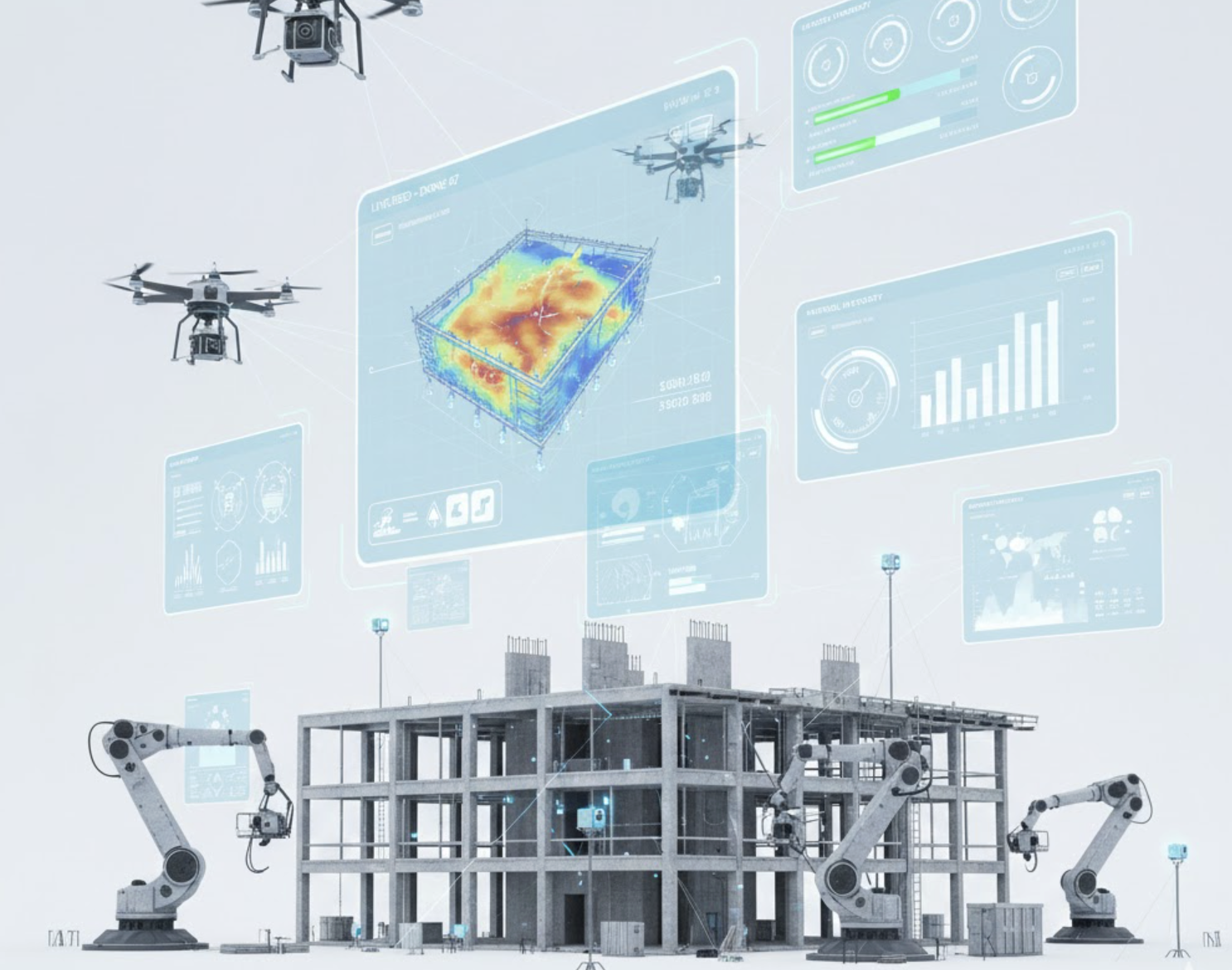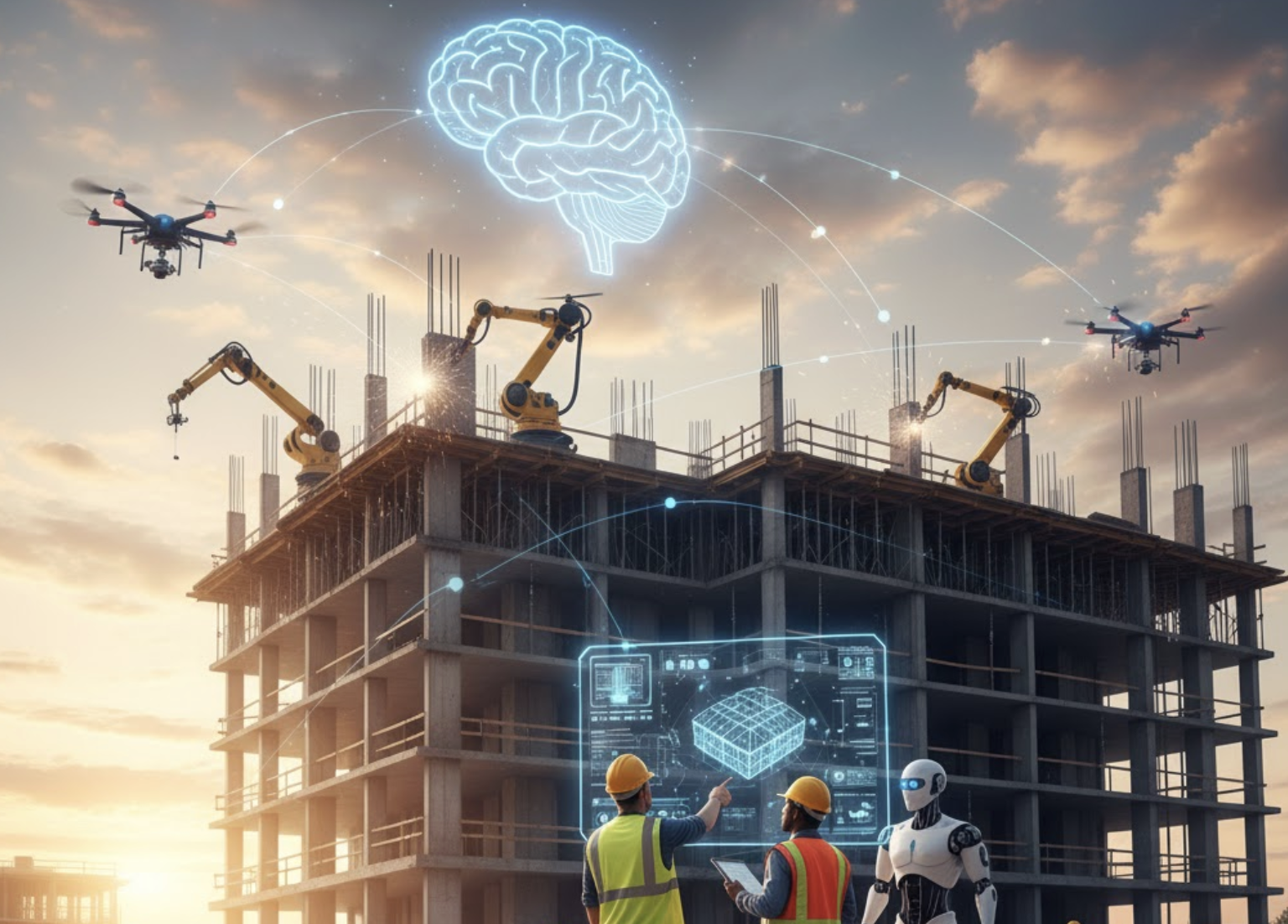

Construction project management software is no longer an industry luxury—it’s a critical necessity, especially on complex mega-projects in regions such as the Middle East. As the scale and ambition of projects grow, traditional methodologies struggle to keep up with the demand for efficiency, compliance, and risk control. In this case study, we explore how AI in construction is delivering tangible results on-site, focusing on a recent mega-project in the Middle East where Zepth Core’s AI-powered project management ecosystem reshaped every phase from ground-breaking to handover.
The Challenge: Complexity, Scale, and Risk in Mega-Projects
The Middle East continues to be a global hub for visionary infrastructure, hospitality, and commercial projects. These sites often span millions of square meters and involve hundreds of subcontractors, thousands of workers, and a dynamic web of changing requirements. Before digital transformation, such projects faced persistent hurdles: slow documentation cycles, disconnected teams, unclear accountability, and poor real-time visibility hampered progress and quality. The need for jobsite management tools that offer more than just scheduling—tools that actively govern risks, ensure HSE compliance, track costs, and create a common data environment for construction—was clear.
On this specific mega-project—a landmark hospitality and retail complex—the project owner recognized that an integrated construction project tracking software with AI would not only prevent costly missteps but also create a culture of innovation and transparency throughout the lifecycle.
Implementing AI-Driven Construction Management: The Zepth Approach
To meet these exacting demands, the project adopted Zepth Core, Zepth’s AI-driven construction management platform. What did this shift mean in practice?
- Real-time Automated Data Capture: With Zepth360, field teams captured site progress using photos, videos, and 360-degree walkthroughs, seamlessly synced to the digital twin and project locations.
- Smart Construction Management Tools: Automated tracking of inspections, snags, and site observations meant that QA/QC teams responded faster to evolving site conditions—and with clear visual context.
- Intelligent Document Management: Zepth’s Document Register, Submittal workflows, and AI document management software ensured that all stakeholders always worked with the current version of drawings, contracts, and specifications.
- Advanced Risk and Compliance Automation: Using the AI-powered Risk Register and automated HSE modules, project leaders received instant alerts about new incidents, emerging compliance gaps, or escalating risks, streamlining timely mitigation.
- Construction Financial Management Tools: Project Cost Control modules synced real-time budget, expenditure, and forecast data, arming decision-makers with instant construction analytics and insights for smarter financial oversight.
By replacing manual, siloed processes with unified AI automation, Zepth created a cloud-based construction management environment where every stakeholder—from owner to subcontractor—collaborated within a single source of project truth. When asked, “What are the main benefits of AI tools for construction projects?” the answer now is clear: automated documentation, improved safety, smarter risk controls, and accelerated delivery—all in one place.
Solving Real-World Project Problems with AI and Automation
The transformative power of an AI construction platform became evident almost immediately. On the ground, safety teams used Zepth’s construction compliance software to report hazards and violations in real time. Incidents were logged, assigned for follow-up, and tracked through resolution—every action auditable and visible on dashboards. In daily progress reviews, project managers pulled up real-time construction project data via Zepth’s dashboards, cross-referencing planned schedules with actual site photos and progress metrics. This minimized disputes, increased accountability, and sped up decision-making.
Document controllers used streamlined submittal workflows to circulate, review, and approve thousands of product datasheets and shop drawings, reducing approval cycles from weeks to days. Zepth’s intelligent search and metadata ensured the right document was always at hand—a common user query being, “How do I organize and track project documents effectively?”—with Zepth, this happens automatically with version control, indexed access, and full audit trails.
Another project-critical function was risk mitigation in construction. AI-powered analytics in Zepth not only identified recurring risk themes (like material delays or safety non-conformances) but also suggested proactive mitigation actions and sent reminders until tasks closed out. Supporting BIM (Building Information Modeling) integration ensured site updates reflected directly in digital twin visualizations, keeping all teams aligned with live, verified data.
Driving Sustainable, Predictable Outcomes with Connected Intelligence
One core project goal was to exceed regional HSE standards and lay a foundation for sustainable construction management. Zepth’s non-conformance module, integrated with live observations and material inspections, caught potential quality and safety lapses before they escalated. Reporting and corrective workflows allowed the team to manage compliance on the go, improving project sustainability and meeting demanding environmental targets. Zepth’s AI looked for trends—an uptick in incident reports from a certain zone, increased snag items tied to a subcontractor—and provided actionable suggestions in real time.
Financial transparency remained just as critical. Zepth’s construction cost control software gave finance teams an integrated view of project spending, commitments, and budget overruns. For executives and investors often asking, “Which software helps with construction cost control and forecasting?”—Zepth empowered quick, confident answers with live data, trend analysis, and scenario modeling for both current and forecasted spend.
Project leaders also leveraged Zepth’s Minutes of Meeting (MOM) and Task Management to keep all stakeholders accountable, ensuring decisions and assigned actions were clear, tracked, and closed without ambiguity. The platform’s AI construction automation continuously mined project logs for improvement opportunities, ensuring that lessons learned were promptly shared across teams and reused in future phases. This created a true feedback loop where data-driven decision-making replaced guesswork.
Outcomes: Measurable Benefits for All Stakeholders
The results speak for themselves. Throughout the project build, average incident response time halved, approval cycles for shop drawings and submittals shortened by nearly 60%, and weekly reporting shifted from manual collation to one-click, AI-generated dashboards—all within Zepth’s secure, integrated ecosystem. Project managers, superintendents, and finance leads benefited from:
- Faster, more accurate project reporting via automated insights and analytics
- Continuous risk and compliance monitoring empowered by AI risk management in construction
- Streamlined communication and document distribution using cloud-based, version-controlled records
- Proactive safety and QA/QC management with digital checklists and instant action assignments
- BIM and digital twin integration for immersive, real-time project tracking and virtual site walkthroughs
Crucially, Zepth’s construction lifecycle management software delivered a common digital environment in which every partner—designers, consultants, owners, and contractors—stayed informed and aligned on project goals. When stakeholders asked, “Why is a common data environment for construction projects so important?”—the answer derived from this project was simple: it centralizes data, clarifies accountability, and prevents costly miscommunication or rework across every project stage.
Conclusion: Leading the Digital Transformation in Construction
This Middle Eastern mega-project illustrates the power of AI construction tech innovation when applied holistically. By deploying Zepth Core’s suite—from Jobsite Management to Document Management, Project Financials to Risk Management—the delivery team achieved new benchmarks for speed, accuracy, and quality. The ecosystem’s AI tools for construction supported not only digital project tracking and compliance but fundamentally changed the site culture—one where smarter, safer, and more sustainable outcomes are both expected and repeatable.
For organizations considering the leap to AI-powered project management, this case study highlights a clear path: embrace cloud-based, integrated, and intelligent platforms like Zepth to unlock next-level outcomes on the world’s most ambitious construction projects. With construction sites evolving and data-driven decision-making now the norm, those who deploy AI in the field can expect better, faster, and more sustainable results—reshaping what’s possible in the built world.