
Construction project management software has radically transformed how modern contractors plan, execute, and complete projects. Yet, not all platforms are created equal. What defines the best construction platform in a rapidly evolving industry where AI in construction, real-time data analytics, and digital collaboration are reshaping expectations? To answer this, we need to examine the elements that drive excellence—seamless jobsite management, robust document controls, risk and financial insight, and the integration of AI-powered project management for smarter, faster delivery. Let’s explore how these pillars come together in Zepth Core, and why adopting such platforms can be the catalyst for successful, future-proof projects.
Defining Features of the Best Construction Platforms
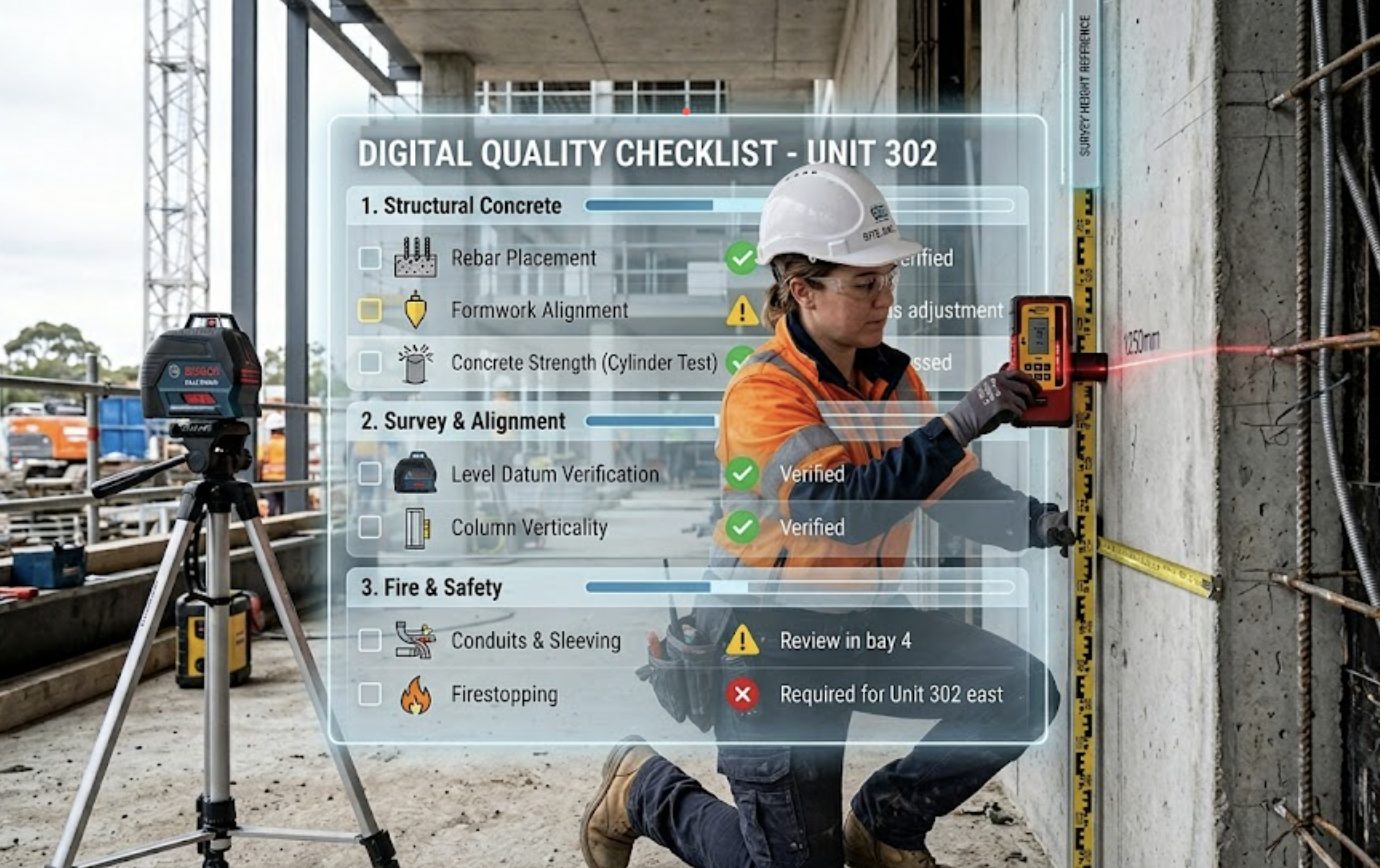
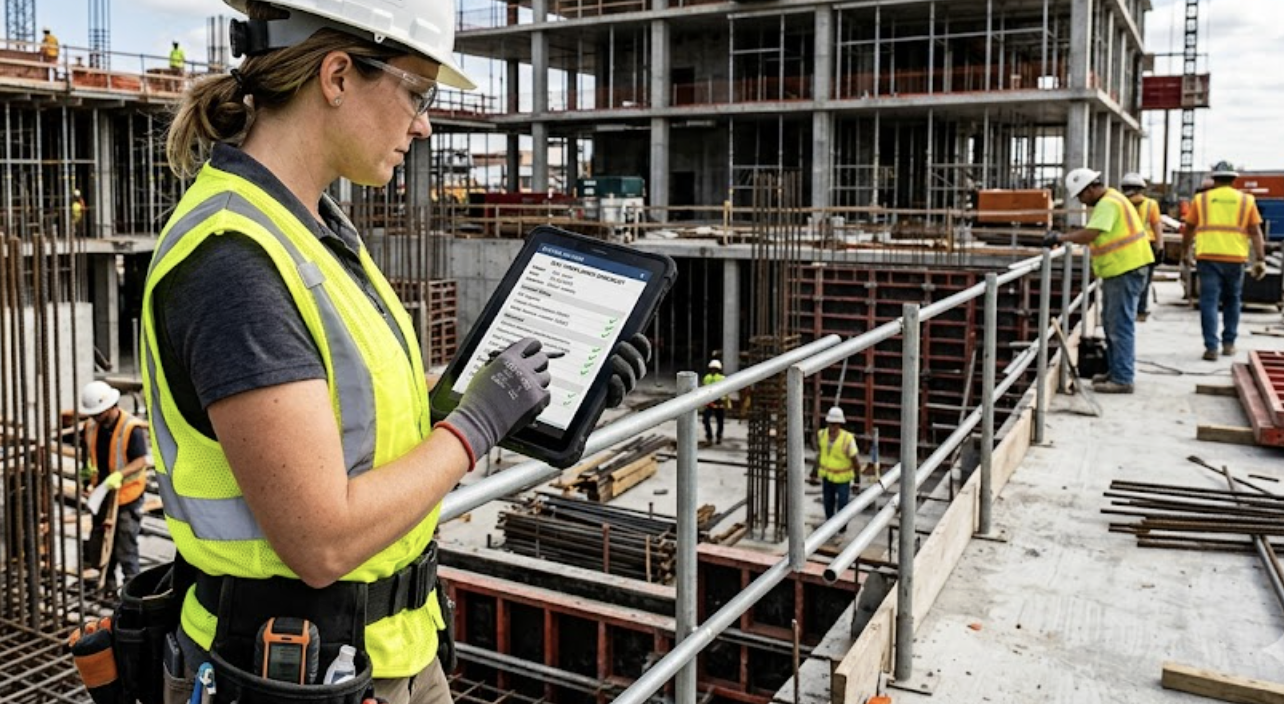
The best construction platform must cover more than basic scheduling or task tracking. It establishes a common data environment for construction—a connected, secure space where all stakeholders thrive through accurate information and collaborative workflows. With huge project costs and complex supply chains at stake, a platform’s ability to integrate multiple disciplines is vital. Zepth Core, for example, addresses core jobsite functions like inspections, daily and progress reporting, snag list management, and HSE compliance. It does this within a single ecosystem where no critical update or compliance item falls through the cracks.
Key features to expect from a leading platform include:
- Comprehensive jobsite management tools, embracing inspections, non-conformances, safety violations, and material inspections to ensure real-time quality and safety.
- Construction document management—from a centralized document register and version control, to automated submittal workflows, RFI tracking, and transmittals for simplified compliance and handover.
- Integrated risk and incident management modules. Zepth Core supports construction risk management through a digital risk register, mitigation plans, and proactive reporting that prevent costly surprises.
- Construction financial management tools—including project cost control, benchmarking planned vs. actual, and real-time reporting—enable precise construction cost control and faster decision-making.
- Intuitive, AI-enhanced dashboards and construction analytics and insights that drive continuous improvement across every phase of the project lifecycle.
Imagine a project team using Zepth’s Zepth360 visual reporting, snapping 360-degree images that instantly link to project models or locations. Not only does this create an immersive progress record—accessible from the boardroom or jobsite—but it also provides visual evidence for compliance, insurance, and dispute resolution. Such smart tools embody the evolution from analog to digital-first, streamlining collaboration and enhancing transparency for all teams involved.
The Role of AI-Driven Construction Management
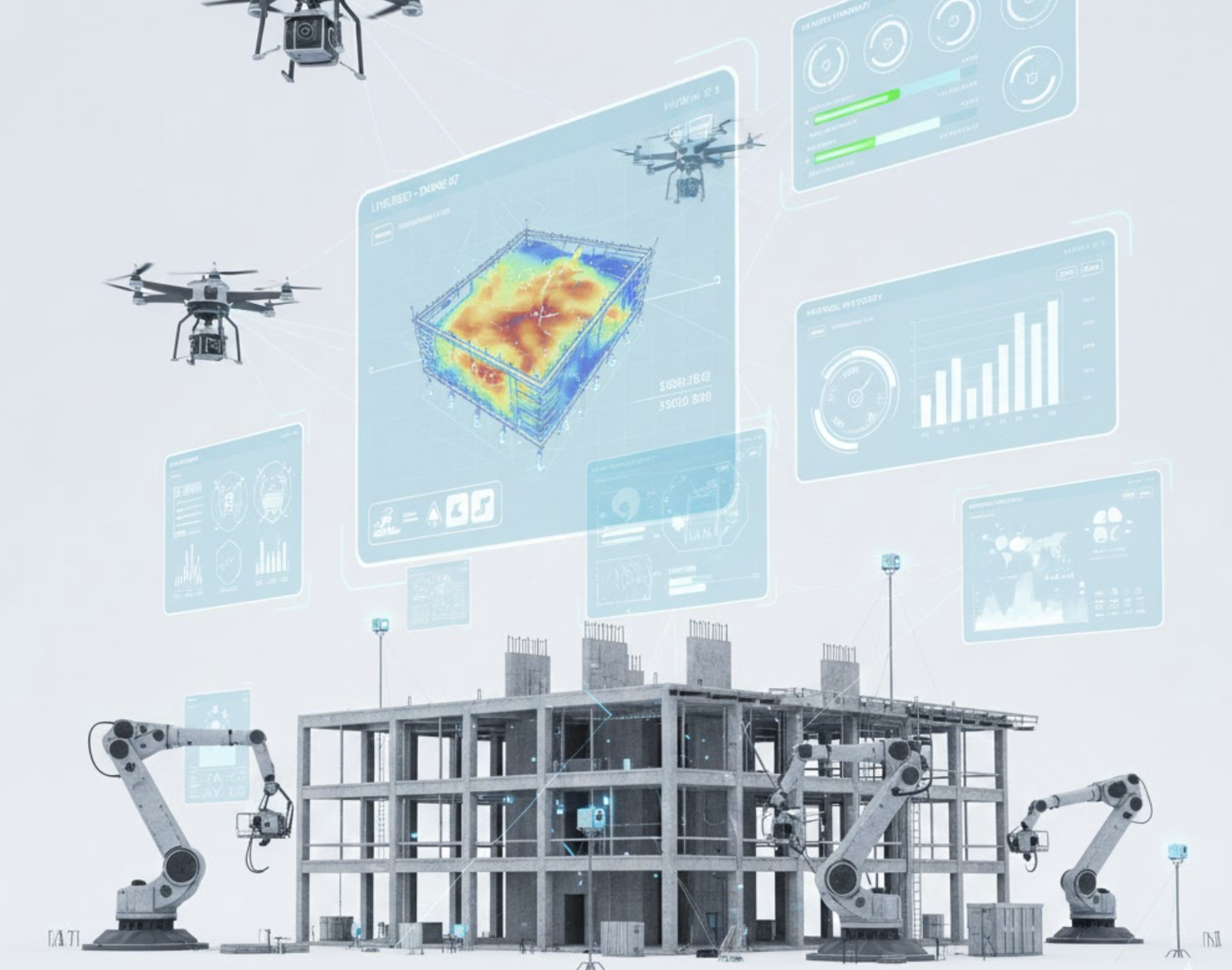
AI is no longer just a buzzword in the industry. AI-driven construction management defines the platforms that stand out today. Tools like Zepth Core’s AI orchestration and automation let teams automate repetitive workflows, predict scheduling delays, and identify risk patterns in vast project datasets. For example, when integrated with BIM (Building Information Modeling), AI can scan thousands of components for clashes, material shortages, or compliance misses—delivering early warnings and actionable insights within seconds.
Many construction managers ask: How can artificial intelligence improve project outcomes in construction? AI tools for construction automatically sort through daily reports, flagging inconsistencies, predicting quality issues, or alerting users about safety trends that require intervention. Instead of managers sifting through endless reports and emails, Zepth Core’s engine surfaces the most urgent decisions to the top—enabling quicker, data-driven responses that save time and protect margins.
AI risk management in construction also offers advanced analytics. By aggregating past data, platforms forecast potential overruns and provide clear reports on where to intervene. These capabilities, embedded in AI construction automation, elevate platforms to strategic enablers rather than mere digital filing cabinets. Zepth’s modular approach means users can scale up AI as project complexity grows.
Risk, Compliance, and Construction Cost Control
Best-in-class platforms must guard against financial and operational risks. Zepth Core centralizes all risk-related activities—capturing, escalating, and tracking jobsite management tools and hazard logs within the risk register. In practice, this means if a sub-contractor reports a potential design flaw, the system routes it through defined mitigation steps, assigns responsibilities, and timestamps every action. This “single source of truth” reduces disputes and regulatory headaches, keeping teams united across complex projects.
Modern builders often ask: What is the role of compliance software in construction? With regulatory requirements growing, construction compliance software keeps every piece of paperwork—submittals, authority approvals, insurance documents—traceable and ready for audits. Zepth Core’s document control features make every transaction accountable, streamlining handovers and proving compliance at every stage. Its project financials module provides tight construction forecasting tools and cost controls—avoiding budget drift and providing instant visibility into spend vs. budget in one dashboard. By centralizing risk, safety, and finance in a single ecosystem, construction leaders realize significant time savings, improved transparency, and fewer costly change orders.
Analytics, Insights, and the Value of Real-Time Construction Data
Smart construction management tools make project data actionable. Zepth’s Insights & Analytics module transforms raw entries—from daily site logs to authority approvals—into intuitive dashboards. Project managers can instantly spot schedule slip, resource bottlenecks, or common snag points, and reallocate efforts dynamically. This is the heart of real-time construction project data—information that’s always current, accurate, and visual.
One question often arises: How do digital twins benefit construction project tracking? By pairing project data from Zepth with digital twins in construction, users create a living, breathing replica of their project—tracking changes and forecasting possible challenges before they impact operations. This integration supercharges decision-making, especially when linked to mobile reporting tools and BIM, ensuring every stakeholder is aligned from start to finish.
Harnessing cloud-based construction management elevates collaboration, too. With mobile apps and cloud sync, remote teams upload images, update statuses, and access specifications in real time—radically improving the speed and accuracy of communication. No more version confusion or “lost in email” issues; Zepth’s cloud-first architecture guarantees that everyone is always on the same page.
Supporting Sustainable, Scalable, and Secure Construction
Sustainable construction management isn’t just a trend—it’s a business imperative. The best platforms embed sustainability into every workflow, enabling reporting on material usage, waste, and energy consumption. Zepth Core’s capabilities let project teams set sustainability KPIs, monitor compliance, and pull data for LEED or similar certifications. This level of insight supports green building mandates and future-proofs portfolios against shifting market and regulatory expectations.
Scalability, meanwhile, defines whether a platform can grow from a single site to a global program. Zepth’s modular ecosystem—covering project tracking software, AI insights, risk controls, document workflows, and financial management—means you can tailor the platform to your precise needs. Security matters, too. With granular access controls and encrypted data handling, only authorized team members access sensitive files, mitigating cyber threats and instilling confidence from clients and owners alike.
In summary, what truly defines the best construction platform? It’s the harmony between digital discipline and practical usability—a system that seamlessly blends construction lifecycle management software with leading-edge technology, making the lives of every architect, contractor, and project owner easier and more predictable. Zepth Core stands as a testament to this vision, setting the benchmark for intelligent, integrated, and impactful construction management.