
The surge of construction and mega-projects sweeping across the Gulf Cooperation Council (GCC) and broader Middle East demands new standards of visibility, governance, and digital transformation. As budgets intensify and portfolio complexity rises, unified dashboards have become indispensable for executives, ministries, and project owners pursuing real-time insight. Utilizing powerful hotel management software and advanced AI-powered hospitality management platforms like Zepth, Middle East leaders now access a single source of truth across vast, multi-country portfolios—a game-changer for oversight and sustainable asset performance.
Why Unified Dashboards Are Essential in Today’s Middle East
With the region committing to infrastructure modernization and pushing digital transformation through national vision programs—such as KSA’s Vision 2030, UAE’s 2031 agenda, and Qatar’s Vision 2030—the scale and pace of development is unprecedented. Projects such as NEOM, Diriyah Gate, the Red Sea Project, and Expo City integrate massive public and private capital, dozens of contractors, and stringent compliance mandates.
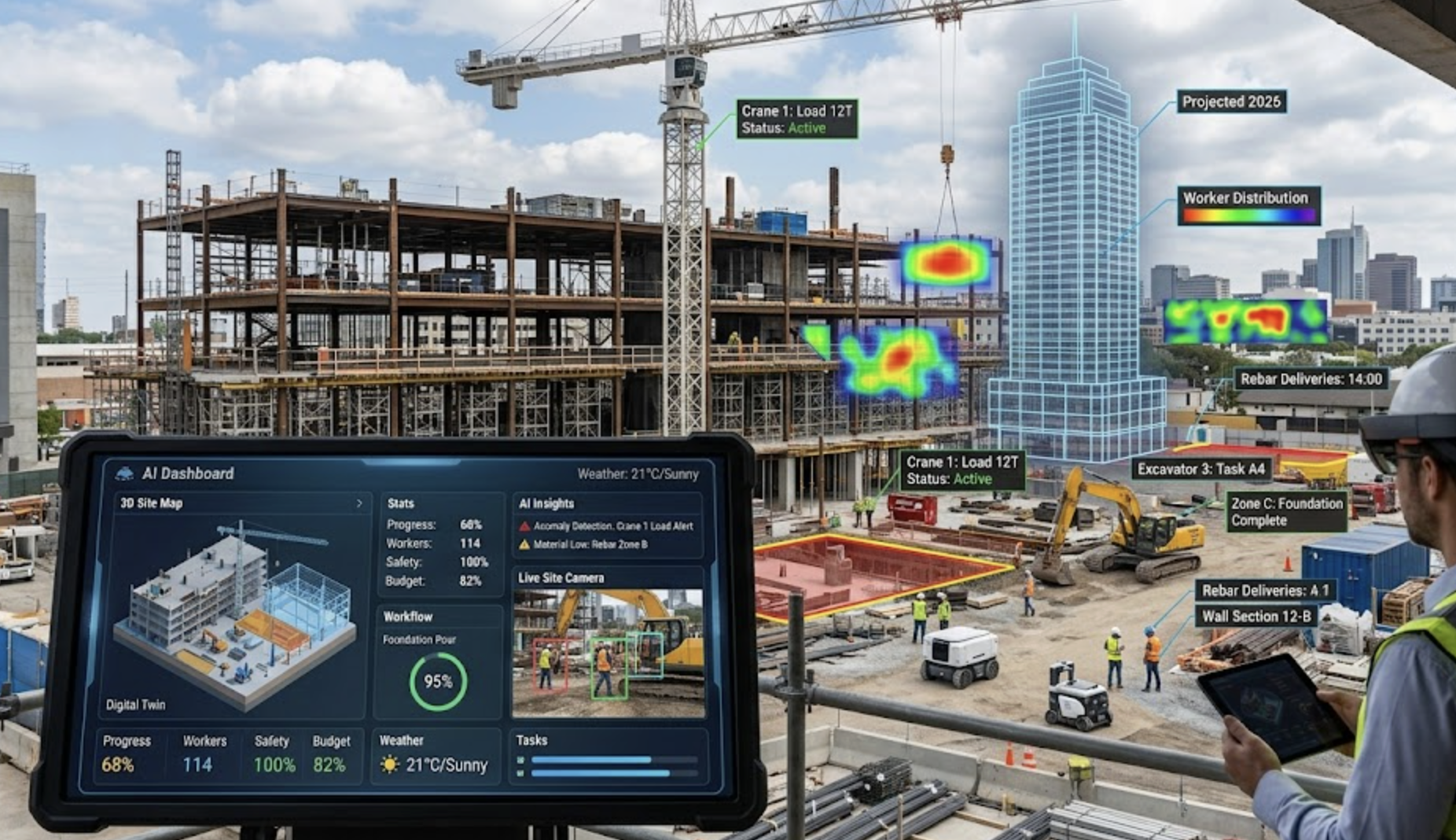
However, many organizations still grapple with fragmented workflows: site teams toggling between Excel, WhatsApp, and aged ERPs; project controls scattered across PMIS, scheduling, BIM, and procurement solutions. The result is delayed, reactive decision-making, hampered by silos and inconsistent data. Here, unified dashboards shine by providing a centralized, role-based interface. Executives gain instant, portfolio-level clarity—from CAPEX to ESG—driving smarter, proactive governance and fulfilling the region’s demands for transparency and innovation.
Core Capabilities: Multi-Level, Real-Time Oversight Built for Complexity
What does a best-in-class unified dashboard deliver in the Middle East setting?
- Executive Portfolio Visibility: Real-time, multi-country status snapshots—budget versus actuals, key milestones, risk exposure, and payment status—down to each work package.
- Drill-Down Analytics: Compare productivity, detect recurring delay causes, and benchmark project health across sectors and JV partners.
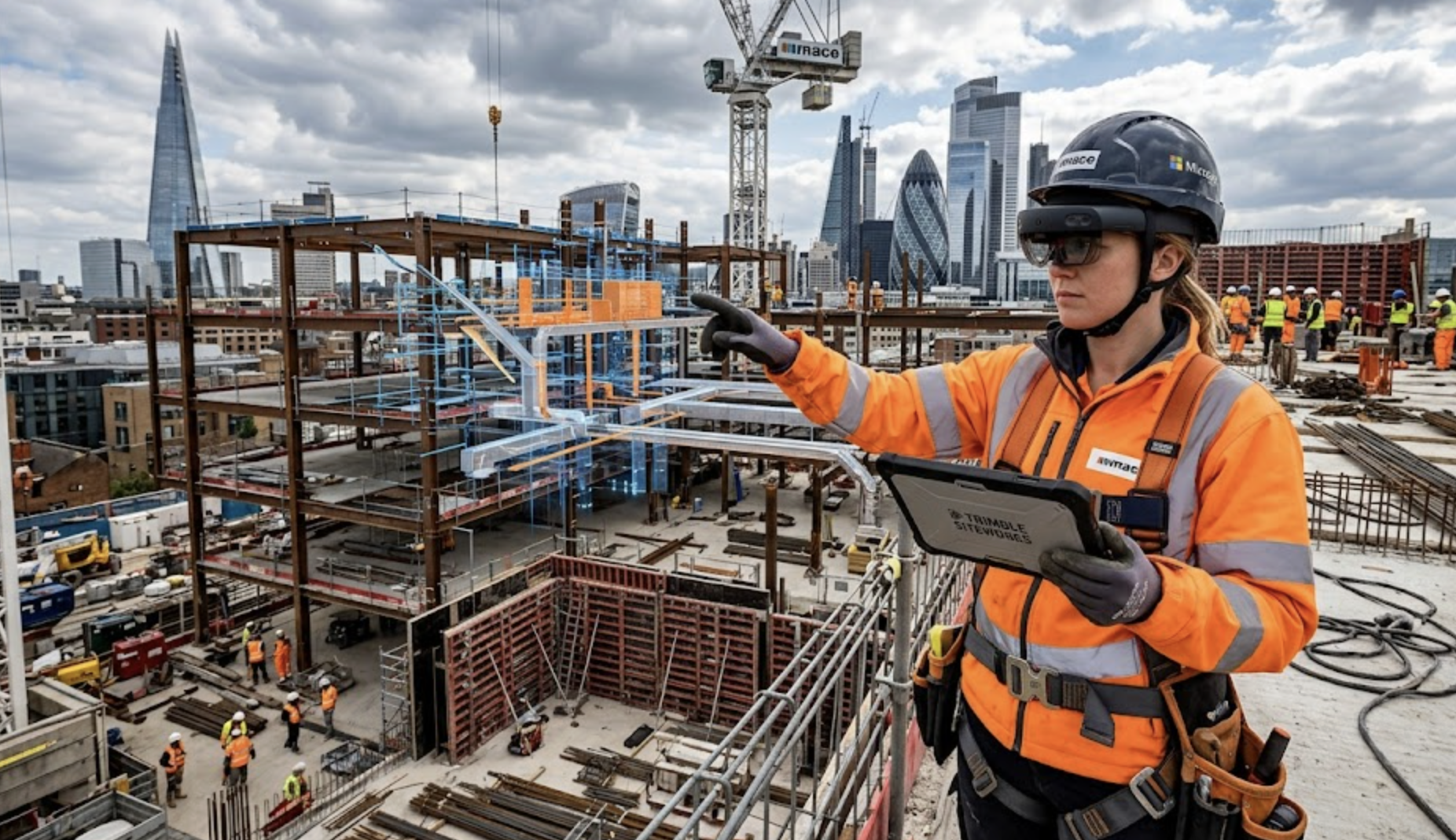
- Integrated Visual Monitoring: Seamlessly link BIM, site reality capture (drones, scanners), and daily reporting to actual percent-complete measurements.
- Performance KPIs: Monitor labor and equipment productivity, rework rates, supply chain flow, and on-time delivery of critical items.
- Configurable Stakeholder Views: Dashboards tailored for ministries, owners, contractors, and field teams, displaying operational, financial, or ESG data as needed.
Zepth takes these core concepts further, serving as a true AI-driven hotel management and construction oversight platform. It consolidates inputs from modules spanning Project Controls, Daily Logs, Quality Management, Safety, and Document Workflows, ensuring all stakeholders—whether in Riyadh, Dubai, or Muscat—operate from synchronized, secure, and actionable intelligence. Wondering, “How can a unified dashboard help streamline project reporting in a multi-country development portfolio?” The answer lies in bringing diverse data onto a single platform—eliminating manual collation, accelerating decision cycles, and ensuring every stakeholder, from investor to supervisor, sees current, comparable progress.
Regional Use Cases: From Giga-Projects to Asset Owners
Unified dashboards adapt flexibly to the distinct needs of Middle Eastern construction’s main actors:
1. Ministries & Giga-Project Authorities: Track hundreds of concurrent projects, demonstrating alignment with Vision 2030 or 2040 and local content goals. Gain transparency for finance ministries, sovereign funds, and external auditors with real-time insights: risk heatmaps, standardized KPIs, and automated compliance documentation.
2. International Contractors & JVs: Access oversight of operations across borders—grouped by country, sector, or ownership structure. Spot trends in cost and schedule performance, pre-empt claims, and resolve disputes through transparent, time-stamped evidence. For organizations handling joint ventures between local and global players, consistency and mutual trust are built by harmonizing language, templates, and standards—an area where Zepth’s role-based, multilingual dashboards excel.
3. Owners, Developers & REITs: Bridge the gap between construction and asset management. Integrate financial KPIs, CAPEX vs. appraised value, and construction pace versus leasing or lifecycle milestones. Attach sustainability scores, worker welfare trackers, and compliance records—all in one dashboard, ready for investor or board review.
Have you ever asked, “What KPIs should I monitor to optimize a construction project’s financial performance?” Unified dashboards track metrics such as budget variance, change order counts, cash flow curves, and claims resolution steps. These drive accountability and help enforce both contract terms and vision-aligned incentives.
Smart Data Integration: Connecting Every Project, Every Stakeholder
The foundation of effective oversight is data integration. In a region where data sources range from ERP systems (SAP, Oracle, local ERPs) to scheduling tools (Primavera P6, MS Project), and from BIM to weather feeds, smart dashboards must aggregate, normalize, and govern information in real time.
Zepth’s integration hub supports open-standards such as IFC/BIM and ISO 19650, enabling seamless data pipelines, automated ETL, and robust data governance. Role-based access and rigorous audit trails safeguard information while ensuring it is always trustworthy and current. Whether drawing daily logs from mobile apps, HSE and ESG data from the field, or external indicators like market price shifts, dashboards present one holistic, actionable view.
One frequently raised question is, “How can AI tools for hotels and construction projects help with asset lifecycle management?” When platforms like Zepth unify operational, maintenance, financial, and compliance data, leaders can anticipate asset needs, optimize capital allocation, and proactively manage asset replacement cycles—all while aligning with evolving ESG standards.
Best Practices: Implementing Unified Dashboards for Regional Impact
Achieving the full benefit of cloud-based hospitality management systems and unified dashboards in the Middle East hinges on tailored execution:
- Governance-first Approach: Define KPI stewardship, harmonize definitions, and align reporting cycles with both internal policies and national vision metrics.
- Template Standardization: Use codified WBS, cost coding, and standardized forms for cross-portfolio analytics and benchmarking—a direct feature of Zepth’s configurable templates.
- Early, Deep Integration: Connect dashboards to ERPs, HR, scheduling, and mobile data capture systems at project outset to minimize manual entry and enable real-time insights.
- Role-specific Dashboards: Ensure stakeholders—from executives to field leads—see what matters most, presented with visual cues and actionable flags, thanks to solutions like Zepth’s drag-and-drop, user-personalized widgets.
- Change Management: Invest in multilingual training, digital champions, and simple mobile access to drive adoption across a diverse, often transient workforce.
- Auditability and Data Quality: Leverage validation rules, standard fields, and workflow-based audit logs, securing data integrity for defensible decision-making and claims.
Zepth’s suite is engineered to deliver across these axes, making it uniquely suited for the governance, scalability, and integration demands of Middle East oversight.
Emerging Innovations: The Next Generation of Unified Dashboards
Forward-thinking organizations in the region are poised to capitalize on new capabilities:
Predictive Analytics & AI in Hospitality: Machine learning analyzes RFI trends, productivity shifts, and HSE incidents to trigger predictive risk flags—moving oversight from reactive to anticipatory. For high-stakes projects, predictive safety features utilize incident precursor analysis to reduce injury rates and downtime.
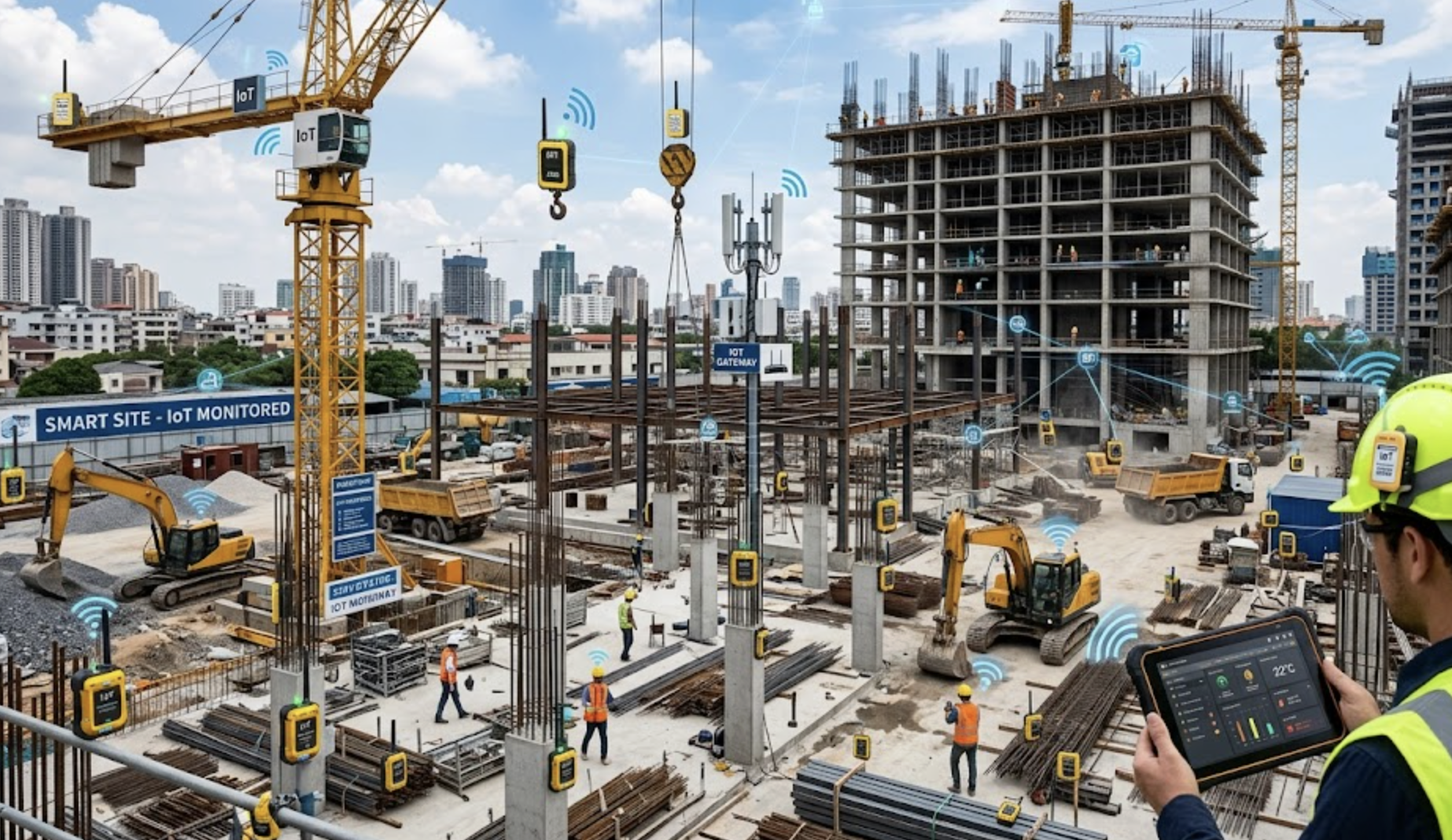
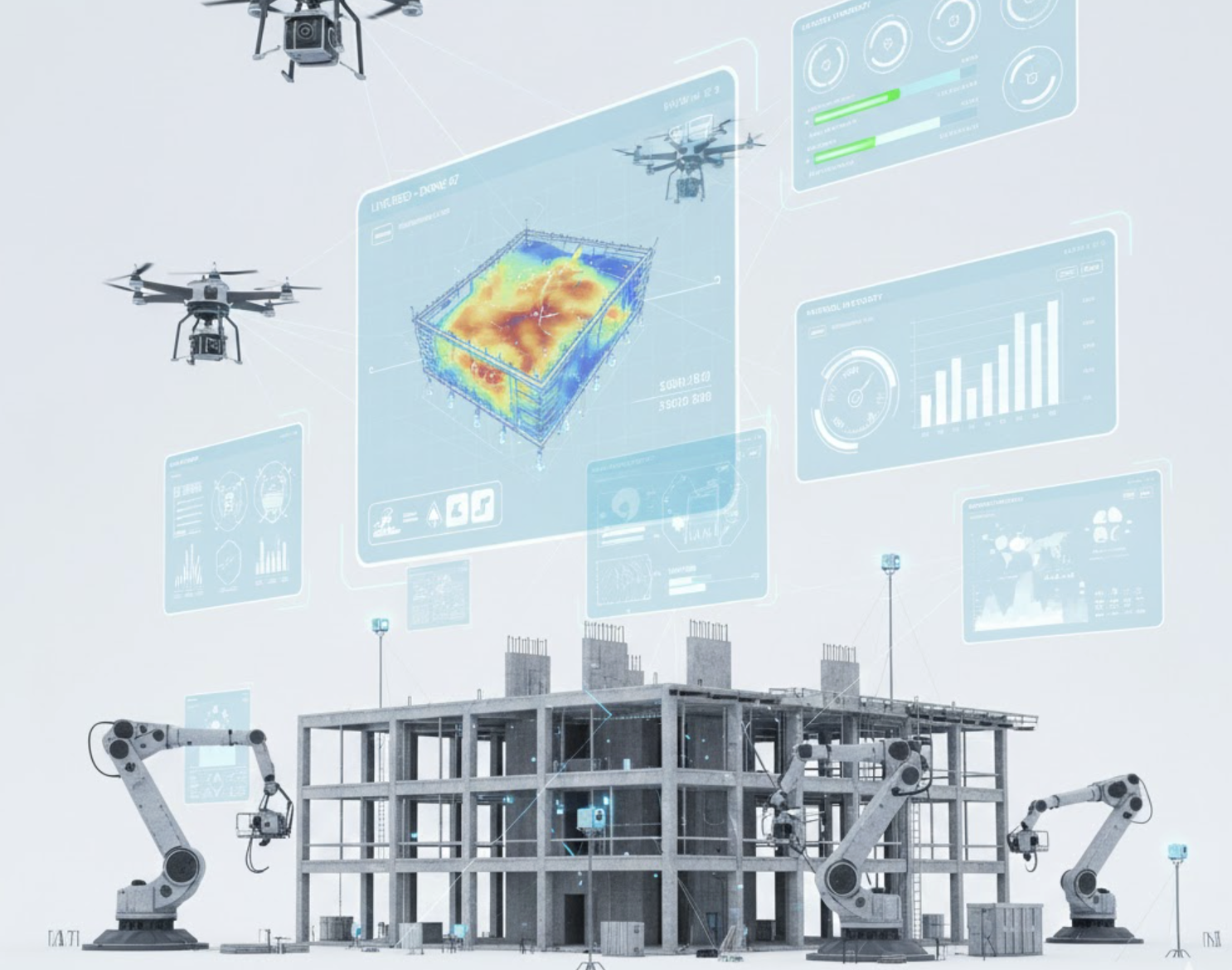
Reality Capture & IoT Integration: Automated progress data sourced from drones, sensors, and 360° cameras is integrated directly into the unified dashboard, ensuring percent-complete and environmental KPIs reflect real site conditions without manual input. IoT devices track equipment health, energy use, and worker safety, fueling real-time, data-driven action.
ESG, Localization, and Social Impact Metrics: Investors now prioritize sustainability and social value: dashboards embed Saudization/Emiratization progress, labor accommodation, local SME procurement, and environmental impact in line with global and regional standards. Zepth makes it easy to report, compare, and evidence these metrics portfolio-wide.
Arabic-first UX: Given regional needs, dashboards now offer Arabic interfaces, RTL layouts, and bilingual reporting, accelerating adoption with public sector bodies and site teams. Users benefit from rapid, intuitive insight regardless of language or technical background.
Zepth: The Backbone of Unified Oversight for the Middle East
Zepth stands out as the platform of choice for next-generation, unified project and hotel asset management platforms in the Middle East. Here’s why:
- End-to-End Coverage: Project Controls, Field Management, Quality & Safety, Documents, Risk, and Asset Lifecycle—natively unified.
- Role-Based, Configurable Dashboards: Customized for ministers, program leads, asset owners, contractors, and field teams.
- Integration & Interoperability: Deep compatibility with ERPs, BIM, scheduling, mobile, and IoT sources—eliminating data silos.
- Audit Readiness & Governance: Structured approval chains, comprehensive audit trails, and robust data security—supporting both compliance and dispute preparedness.
- Regional Relevance: Arabic/English support, Vision 2030-aligned KPIs, localization tracking, and regional data hosting.
Curious about “Which smart hotel management tools are most effective for managing CAPEX and OPEX across an international portfolio?” Platforms like Zepth stand above point solutions by integrating hotel CAPEX control software, OPEX optimization, compliance workflows, and AI-driven analytics in a single cloud-based ecosystem—delivering end-to-end digital transformation in hospitality and construction stewardship.
Conclusion: Building a Smarter Future for Middle East Oversight
The Middle East’s bold development agendas call for oversight solutions that match their ambition—platforms that offer portfolio clarity, support compliance, drive sustainability, and mitigate risk. By deploying unified dashboards via future-ready platforms such as Zepth, project leaders, ministries, and asset owners ensure they’re not only reacting to challenges, but actively shaping outcomes—across borders, languages, and ever-growing portfolios.
Now, with connected insights and AI-driven foresight, the region’s vision for modern, vibrant, and resilient cities moves closer to reality. Unified dashboards powered by Zepth make that vision not just achievable, but actionable—one transparent, data-driven decision at a time.