
Sustainability in hotel asset lifecycles is now a core focus for owners, operators, and investors seeking to future-proof their portfolios, meet evolving guest expectations, and comply with increasingly strict ESG and regulatory standards. From design to construction, all the way through to operations, renovation, and finally decommissioning, every phase of the hotel asset lifecycle provides opportunities—and challenges—for embedding sustainable practices with the aid of advanced hotel management software like Zepth Edge.
The Hotel Asset Lifecycle: Where Sustainability Begins and Never Ends
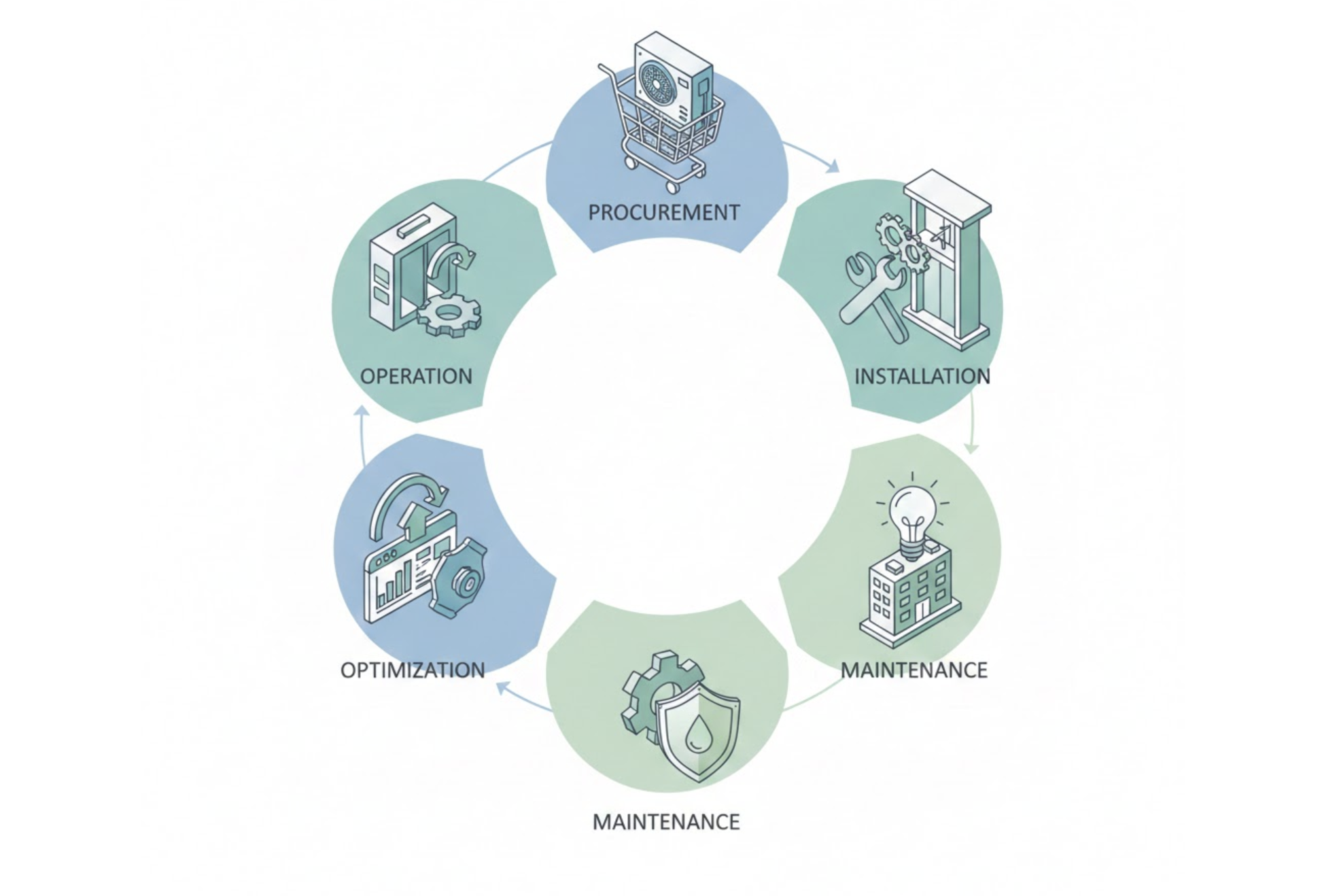
A modern hotel asset management platform must be able to shepherd sustainability goals from the drawing board through operational maturity and eventual renewal or disposal. The hotel asset lifecycle covers:
- Site Selection & Concept Planning
- Design & Engineering
- Construction & Procurement
- Handover & Commissioning
- Operations & Maintenance
- Renovation, Refurbishment & Adaptive Reuse
- End-of-Life (Deconstruction, Reuse, Disposal)
Each stage plays a pivotal role in reducing the environmental impact of hospitality assets, with even early concept decisions influencing everything from energy intensity to the structure’s adaptability across decades of use. As the hospitality sector faces mounting pressure to slash emissions by as much as 90% per room by 2050, leveraging AI-powered hospitality management and zeroing in on asset lifecycle intelligence are not just preferred—they’re essential.
Sustainable Foundations: Site Selection and Concept Planning
The sustainability journey for a hotel asset starts long before the first brick is laid. By choosing previously developed sites, integrating with public transportation, and performing robust climate and socio-economic impact assessments, developers dramatically cut future carbon emissions and project risks. Here, hotel CAPEX control software becomes vital—enabling centralized planning, feasibility analysis, and transparent tracking of all environmental, social, and governance (ESG) assumptions. Modern platforms, like Zepth Edge, foster collaboration across stakeholders, ensuring clear documentation of compliance with green certifications and benchmarks such as LEED, BREEAM, or EarthCheck.
What does a whole-life sustainable hotel project actually entail? Entire teams—not just designers—use hotel financial management software to benchmark lifecycle carbon, track early community engagement, and structure risk registers for environmental or climate threats. By capturing this data from the outset, hospitality portfolios set the stage for improved ESG compliance and easier access to greener finance instruments down the line.
Sustainable Design and Engineering: Reducing Impact with Intelligence
Design is where the battle against emissions and waste is often won or lost. Passive solar orientation, multi-speed HVAC, and the use of low-embodied-carbon materials can drive dramatic reductions in operational and embodied carbon across a hotel’s life. Teams employing hotel budgeting and forecasting tools can track sustainability key performance indicators (KPIs), such as energy use intensity or water consumption rates, ensuring every design iteration brings the project closer to ambitious ESG targets.
Zepth Edge’s collaborative workflows allow architects, engineers, and ESG consultants to synchronize on design revisions, manage BIM models, and maintain rigorous version control. These features assure regulatory bodies and investors alike that sustainability requirements are actually implemented—not lost in paperwork or miscommunication. Notably, transparent requirements tracking means any design decision around modularity, material selection, or biophilic features is always linked to traceable digital approval trails, streamlining future audits and compliance reviews. For owners, this is the basis for AI-driven hotel management that delivers real-world value from day one.
Frequently, hospitality professionals ask: How can AI optimize energy or water efficiency in hotel design? The answer lies in AI’s ability to analyze past project benchmarks, suggest optimal configurations for passive design, and even simulate the operational impacts of different materials—helping teams reach the best balance of guest experience and sustainability.
Sustainable Construction and Procurement: From Data to Diversion
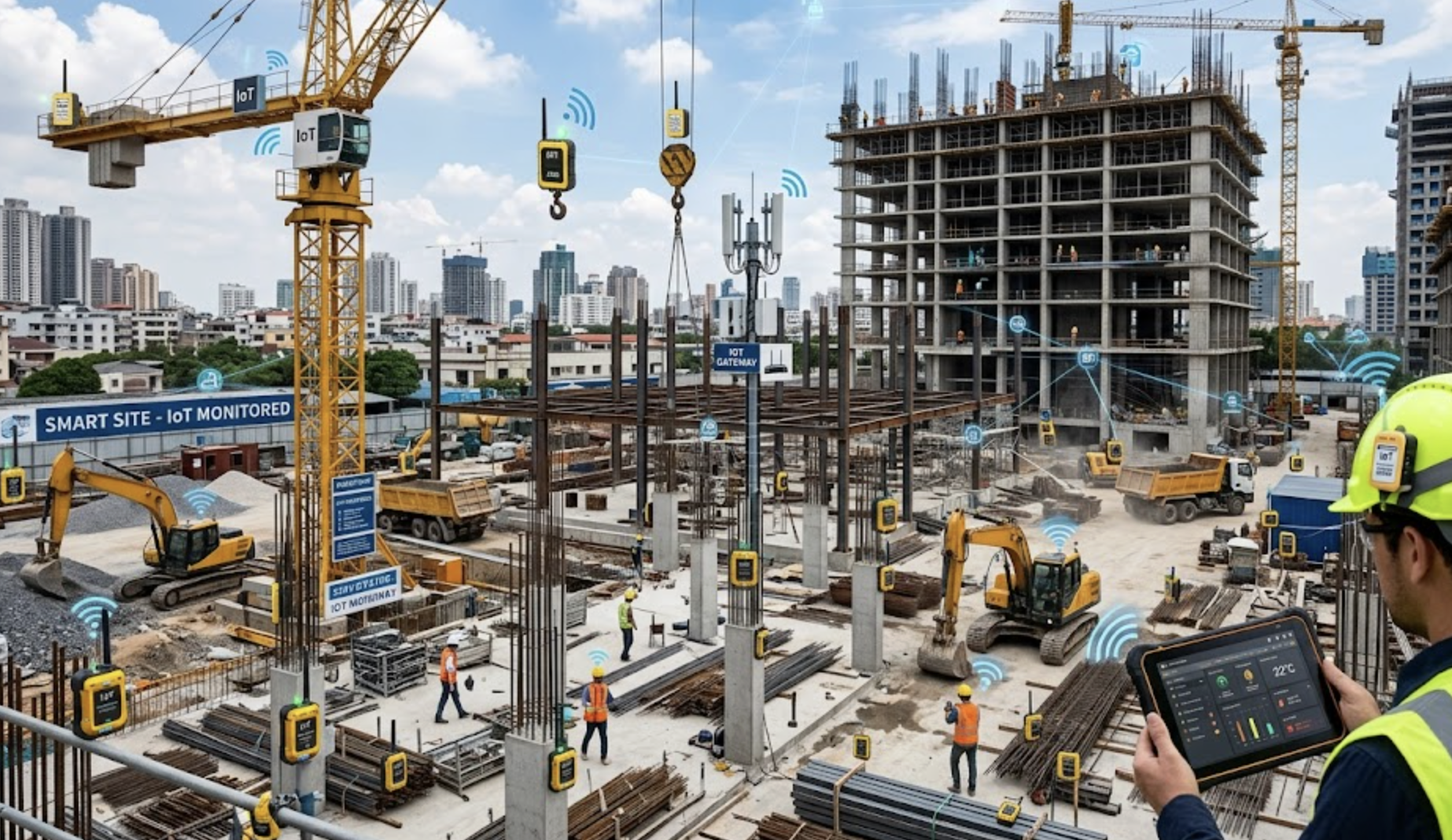
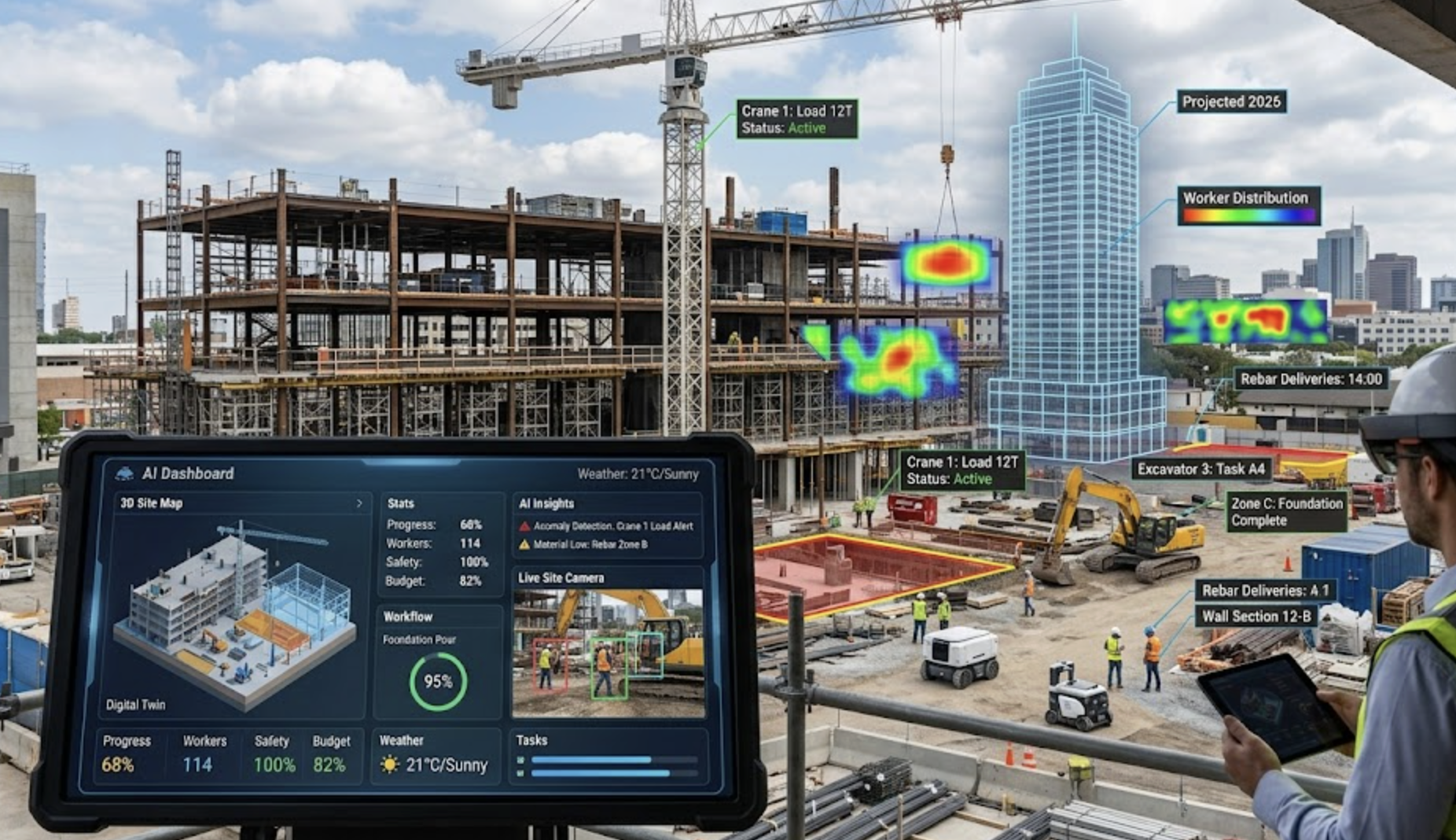
Construction sites generate significant emissions, waste, and social impact. Leveraging AI hotel automation platforms and smart construction management tools, hotels can minimize embodied carbon by digitally tracking every material’s origin, recycled content, and environmental certification. Procurement modules embedded in solutions like Zepth Edge empower purchasing teams to select vendors with strong ESG credentials and manage robust approval workflows for both cost and sustainability attributes.
On-site, digital field management tools track not only construction quality but also compliance with green procurement policies, waste diversion targets (such as 75%+ landfill avoidance), and proper handling of environmentally sensitive materials. The result? A streamlined set of hotel operations management platform features that power competitive advantages in green finance and brand differentiation.
Another common question arises: What are the most effective strategies for waste reduction in hotel construction? The keys are modular/offsite construction, separating and recycling onsite waste streams, and digital tracking for every material’s final destination. Cloud-based hospitality management systems make this seamless, providing all necessary documentation for grants, investors, and certifications without the administrative overload of spreadsheets or paper files.
Handover, Operations & Maintenance: Sustaining Performance, Maximizing Value
A hotel’s largest lifecycle impact stems from its ongoing operation—energy, water, and waste linked to daily guest service. Poor commissioning or opaque asset records can cause hotels to consume 15–30% more energy than modeled. With AI asset management software and digital handover packages, facilities teams inherit a complete, searchable record of every system and its sustainability parameters, including commissioning outcomes and O&M manuals. This data not only helps teams maintain system efficiency but also provides the foundation for predictive maintenance, minimizing downtime and reducing operational emissions by up to 50%.
On the portfolio scale, real-time hospitality data analytics powered by Zepth Edge give owners instant performance dashboards—revealing which properties underperform, where renovations will yield the greatest sustainability gains, and even enabling dynamic tracking of guest-centric eco initiatives, such as refill stations or in-room energy use displays. Guest engagement modules foster sustainable behaviors (e.g., opt-in linen reuse, positive impact reminders), supporting both corporate responsibility and guest satisfaction. Meanwhile, automated reporting supports compliance with scopes 1, 2, and 3 emissions, a critical need for portfolios accessing green finance or sustainability-linked loans.
Renovation, Refurbishment & End-of-Life: The Circular Edge
Hotels typically undergo deep renovations every decade. Each project is an opportunity to adopt circular economy principles: reusing structural elements, modularizing FF&E (furniture, fixtures, and equipment), and minimizing waste in line with evolving guest and owner needs. Zepth Edge’s robust asset register keeps a detailed, actionable inventory of every asset’s lifecycle stage, aiding with end-of-life tracking, adaptive reuse decisions, and ESG reporting. Through standardized workflows and centralized documentation, multi-property portfolios achieve cost savings, CAPEX efficiency, and enhanced asset reliability—showcasing the vital link between hotel OPEX management tools and true lifecycle optimization.
At decommissioning, design for disassembly and robust material passports empower stakeholders to maximize recycling, safe disposal, and documentation for regulatory compliance. As environmental and social expectations rise, hotel owners need transparent, auditable records of material flows and worker safety to avoid regulatory or financial penalties. The Zepth Edge platform stands as a backbone for these efforts, giving ESG teams, asset managers, and finance departments instant insight into the material fate, deconstruction practices, and cost-benefit data of each asset.
Financial & Investment Perspective: ESG, Portfolio Value, and Green Finance
Hotel asset values increasingly hinge on ESG performance, with green-certified properties often achieving higher occupancy, rental premiums, and resale prices. Lenders and investors actively seek portfolios with demonstrable sustainability controls, while jurisdictions worldwide tighten requirements on climate and social reporting. Leveraging an AI financial reporting platform that standardizes project data isn’t just about compliance—it’s a path to superior capital access, reduced cost of funds, and a reputation as a category-defining, future-proof hospitality group.
Zepth Edge’s integrated MIS reporting equips portfolio owners with instant, evidence-based data supporting green bond issuance, sustainability-linked loans, and transparent ESG disclosures. Financial control tools ensure every penny spent on CAPEX or OPEX is documented and benchmarked, providing confidence for stakeholders and a competitive edge in sustainability-linked investment markets.
One of the most asked questions: How does sustainability impact hotel asset value? Sustainable properties command higher occupancy, attract premium rates, collect easier financing, and maintain long-term resilience against regulatory and market changes, demonstrating this strategy is also sound business sense.
Emerging Innovations: Digital Twins, Modular Construction, and Beyond
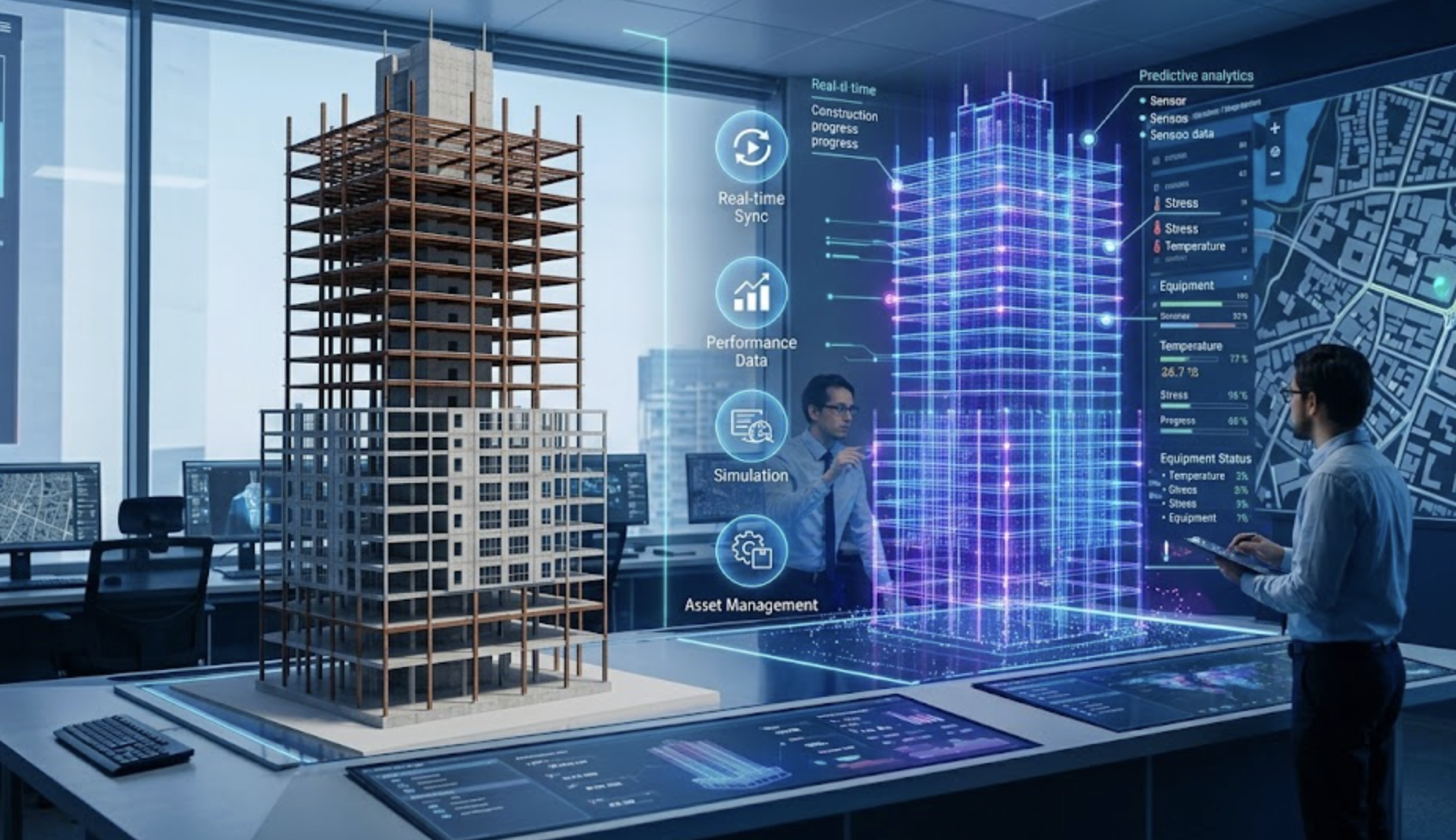
The frontier of sustainable hotel management lies with digital innovation: modular construction techniques reduce waste and speed renovations; digital twins enable real-time energy optimization and predictive maintenance; nature-based solutions, such as green roofs and regenerative landscaping, restore ecosystems while enhancing the guest experience. Zepth Edge acts as the data backbone for these advancements, supporting integration with digital twin frameworks and harnessing AI-driven analytics for predictive insights, scope 3 carbon calculation, and smart procurement strategies.
The rise of cloud-based property management and IoT sensors, combined with advanced hospitality analytics and insights, helps operators continuously fine-tune building systems for lower energy, water, and material use. Data-driven management, fueled by platforms like Zepth, transforms not just single projects but entire portfolios—making sustainable operations and circular refurbishment a repeatable, scalable reality for hospitality leaders worldwide.
Zepth Edge: Enabling Next-Generation Sustainable Hospitality
Bringing sustainability to the core of the hotel asset lifecycle requires more than ambition—it requires the right systems. Zepth Edge unifies CAPEX control, asset tracking, operational analytics, and real-time sustainability KPIs in a single, cloud-based platform. Project teams coordinate from feasibility to design and construction, while operators inherit digital records for ongoing optimization and reporting. Owners and asset managers gain portfolio-level foresight to benchmark, standardize, and innovate for future-ready performance. In essence, Zepth Edge enables:
- 30%+ CAPEX efficiency and better asset reliability across the lifecycle
- 10%+ revenue uplift via real-time operational insights and portfolio benchmarking
- 50%+ uptime improvement through predictive data and smart asset maintenance
- Guaranteed ESG compliance and transparent reporting to satisfy financiers, guests, and regulators alike
For owners, operators, and investors seeking not just compliance but leadership in the hospitality sector, adopting AI-led operational intelligence with platforms like Zepth Edge guarantees a smarter, greener, and ultimately more profitable future.