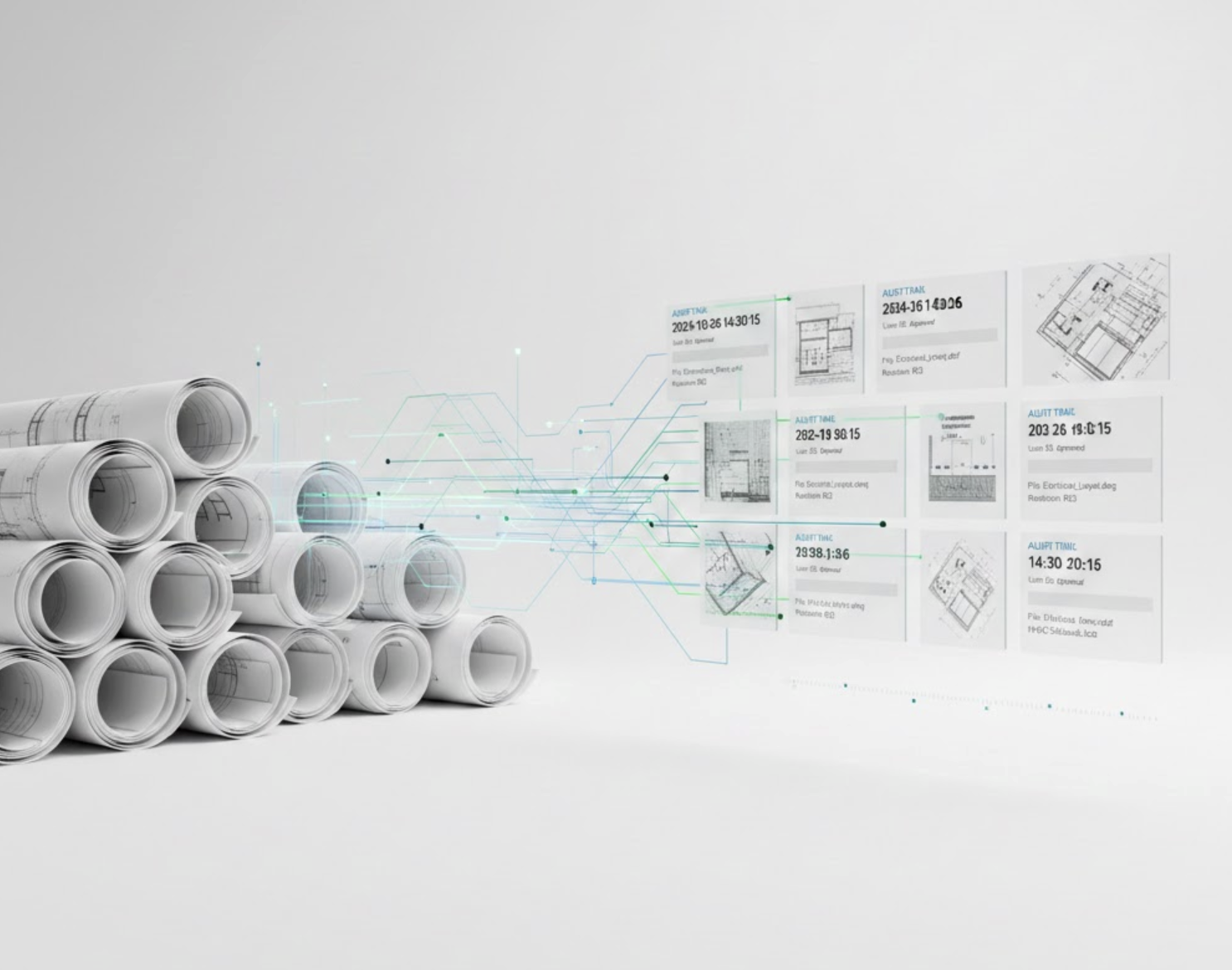

Construction project management software is rapidly changing how construction teams operate, with digital approval logs at the center of this evolution. The nature of modern projects—with their increasing complexity, regulatory requirements, and multi-stakeholder environments—demands more efficient ways to manage approvals for documents, submissions, and site activities. Relying on manual, paper-based methods often results in project bottlenecks, delayed decisions, lost documentation, and compliance risks. By leveraging digital approval logs and smart construction management tools like those found in the Zepth Core platform, construction firms are seeing significant improvements in productivity, transparency, and project outcomes.
The Crucial Role of Approval Logs in Construction Project Management
Running a large-scale construction project means orchestrating a diverse mix of participants—owners, contractors, design teams, suppliers, and authorities—all of whom must review, comment on, and approve various submissions. The approval process often involves RFIs (Requests for Information), construction submittals, authority approvals, shop drawings, and specification reviews. Historically, fragmented communication and a lack of audit trails made it difficult to track accountability, raising the risk of errors and rework.
With construction submittal software built into comprehensive platforms like Zepth Core, approval logs are no longer just a signature on a form; they’re dynamic, living records detailing who approved what, when, and under which conditions. By digitizing these processes, teams can:
- Track every approval and revision in real time, reducing back-and-forth and guesswork.
- Establish a common data environment for construction to ensure everyone is referencing the latest versions.
- Accelerate project cycles by routing documents with automated notifications and reminders.
- Secure full transparency with searchable, exportable audit trails for compliance and dispute resolution.
- Integrate with other workflows like snag lists, site instructions, and progress reports.
This digital transformation not only speeds up everyday tasks but also safeguards project integrity and improves stakeholder trust. Many in the industry ask, “How can approval logs be automated in construction?” The answer lies in the adoption of AI-driven construction management platforms, which infuse automation and intelligence directly into the approval pipeline, minimizing manual dependencies and expediting decision-making.
Eliminating Project Bottlenecks through Smart Workflows
Project bottlenecks often stem from missing or delayed approvals, ambiguity around roles, or lost documentation. Such bottlenecks can halt construction activities, cause overruns, and undermine client expectations. With digital approval logs—especially those powered by AI tools for construction—workflow bottlenecks are proactively addressed as the system intelligently routes tasks, flags overdue actions, and ensures nothing slips through the cracks. For example, Zepth Core’s Authority Approval module tracks each submission’s status across statutory and regulatory bodies, sending automated reminders to keep approvals on schedule and providing a central dashboard for real-time visibility.
If a user wonders, “What happens if a required document isn’t approved on time in a construction project?” the reality is that even a single delayed approval can cause work stoppages and cascading delays. Digital logs provide robust escalation and notification features, ensuring these risks are mitigated before seriously impacting timelines. Moreover, by pairing approval logs with construction analytics and insights modules, managers can instantly identify where bottlenecks are forming and deploy resources to remove them.
Transparency and Accountability: The Foundations of Efficient Construction
Transparency is the backbone of effective project management. When approvals, responsibilities, and communications are accessible and traceable, issues are resolved faster, and teams are more cohesive. Construction document management within Zepth Core lets teams create a digital trajectory for each document—be it a material inspection or a set of contract drawings—documenting changes, approvals, and comments. This visibility dramatically reduces confusion and finger-pointing, especially in high-stakes scenarios like authority approvals or non-conformance situations.
When clients ask, “How does digital document management help with construction compliance?” the answer centers on ease of retrieval and transparency. Every step of every document, every approval, and every update is securely logged and time-stamped, forming an indelible record. This meets stringent compliance requirements and provides a legally defensible trail in case of disputes. The centralization in Zepth Core’s Document Register ensures that the most up-to-date information is always at your team’s fingertips, powering more informed decisions and reducing compliance headaches.
AI and Automation: Shaping the Future of Digital Approval Logs
The ongoing transformation in construction isn’t just about digitizing paperwork—it’s about creating intelligent, predictive, and responsive workflows. AI-powered project management is fundamentally changing how approval logs work in construction by providing automated decision routing, predictive escalation, and personalized analytics. In platforms like Zepth Core, the integration with Zepth Anly brings AI construction automation and advanced data analysis to every approval. The system learns from workflow data, predicts which approvals are most likely to experience delays, and proactively suggests resolution steps. This “smart assistant” mode is invaluable on fast-paced, high-stakes projects.
The technology also ensures seamless integration with wider construction tech innovation trends like BIM (Building Information Modeling) integration, digital twins, and real-time project tracking. Approval logs become not just bureaucratic artefacts, but the connective tissue linking jobsite observations, inspections, financial controls, and risk registers. For project financials, digital approval logs in modules like Project Cost Control streamline workflows for budget changes, variations, and expenditure approvals—constituting a single source of truth for all cost-related decisions and reinforcing financial discipline across the project lifecycle.
A Practical Example: How Zepth Core Streamlines Approval Processes
Imagine a multi-phase commercial development where time is of the essence and regulatory requirements are strict. Using Zepth Core’s construction project management software, the project team configures custom approval workflows for submittals, RFIs, and authority filings. Each document follows a predefined route, with automated approval steps assigned based on the project’s hierarchy and urgency. Notifications and reminders ensure that responsible parties act promptly, and escalation protocols handle any overdue items without manual intervention.
Let’s say a new supplier’s material needs to be approved for facade work. The Material Inspection module logs the delivery, attaches compliance documentation, and automatically alerts the quality assurance lead to review. Approvals, questions, and comments are captured in a single digital thread, making it easy to reference in future audits or if concerns arise downstream. Meanwhile, the Insights & Analytics dashboard keeps project leaders up to date, providing real-time construction project data on outstanding approvals, turnaround times, and issue hotspots.
Key features of Zepth Core’s digital approval solutions include:
- Document Register and Submittals: Centralizes and streamlines all project documentation and submittals for easy tracking and approvals.
- Authority Approval: Tracks every submission, status update, and approval required from statutory departments.
- Transmittals and Task Management: Supports secure data sharing and ensures assigned tasks are tracked to closure.
- Automated Notifications: Keeps teams informed and drives timely action through proactive reminders and escalations.
- AI-Driven Analytics: Provides predictive insights and actionable alerts for bottlenecks and compliance risks.
The integration of these tools within a cloud-based construction management framework dramatically reduces the administrative load, letting field and office teams focus on value-driven activities instead of chasing paperwork.
Maximizing Efficiency Across the Construction Lifecycle
Digital approval logs are not just about moving faster—they help teams build smarter and more sustainably by optimizing workflows, reducing wasted effort, and supporting compliance at every stage. When approval logs are part of a construction lifecycle management software ecosystem like Zepth Core, they connect seamlessly to jobsite management tools, project risk registers, and cost controls. This tight integration is what enables proactive risk mitigation in construction and responsive financial management. Digital approval tools provide:
- Rapid retrieval of critical documents and approvals for site audits
- Clear history for dispute resolution and claims management
- Flexible workflows supporting evolving regulatory or project needs
- Uninterrupted collaboration between field and office teams
As digital adoption continues, experts often field the question, “Is cloud-based approval management secure for construction projects?” Robust encryption, multi-factor authentication, and role-based access—all core features of platforms like Zepth—keep sensitive information safe and ensure that only authorized personnel control critical approvals.
The construction industry’s digital transformation is well underway, and companies embracing digital twins in construction, AI construction platforms, and integrated approval logs are positioning themselves at the forefront of efficiency, compliance, and growth. With the end-to-end transparency enabled by solutions like Zepth Core, project managers, stakeholders, and teams gain real confidence in their workflows—and projects are delivered on time, on budget, and with fewer surprises.