
Construction project management software—especially one with real-time tracking capabilities—marks a pivotal shift away from the age-old reliance on monthly financial reports. As the complexities of construction projects grow, leaders need agile, up-to-the-minute data to keep projects within budget and on schedule. This blog explores why real-time tracking, powered by innovations like AI-driven construction management found in Zepth Core, clearly outpaces monthly financial summaries in delivering project control, risk mitigation, and financial clarity.
The Limitations of Monthly Financial Reports in Construction
Traditional monthly reports give stakeholders a snapshot of project health, but they don’t always tell the full story—often, they’re already outdated by the time they reach decision-makers. Unforeseen cost overruns, delayed procurements, and undetected project risks can quietly build for weeks before appearing in a report. At that point, corrective actions are reactive rather than proactive. This approach hinders construction risk management and impedes timely interventions.
Consider the common question: “What is the main challenge with relying on monthly reports for construction budgeting?” The answer lies in delayed visibility. Project managers frequently struggle to pinpoint overspending or underperformance until the month’s end, missing early warning signs that could prevent escalation. With modern projects involving multi-phase work, dispersed teams, and fluctuating resource demands, the static nature of monthly reporting can lead to missed deadlines, scope creep, and dissatisfied stakeholders.
Real-Time Tracking: The Foundation of Agile Construction Project Management
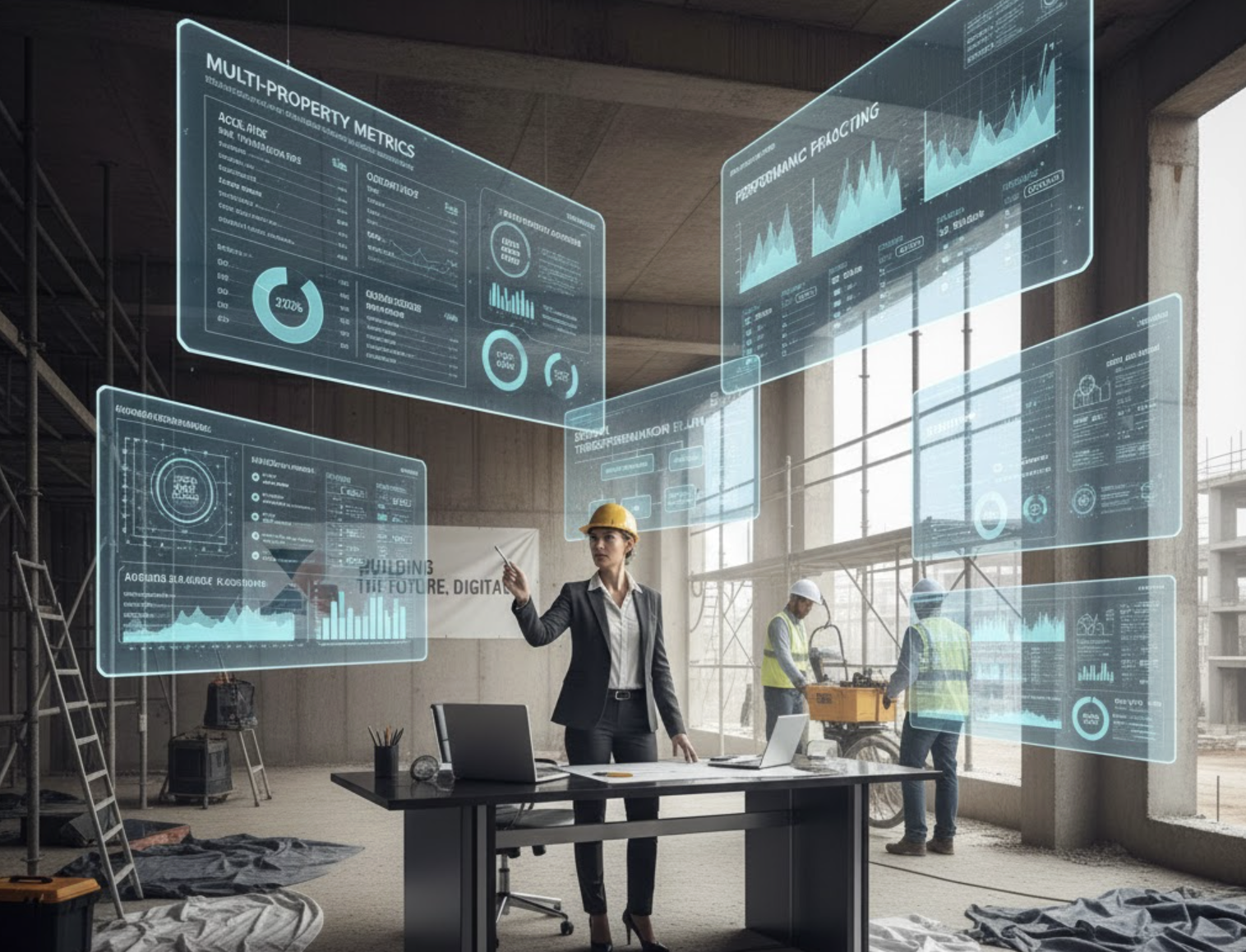
Real-time construction project tracking software provides continuous insight, allowing leaders to monitor cost, resource allocation, schedule deviations, and compliance in the moment. Platforms like Zepth Core integrate site data, material deliveries, labor hours, and contract changes, enabling teams to instantly visualize the impact of decisions. This agile approach transforms construction lifecycle management, minimizing delays and financial surprises.
- Dynamic Cost Oversight: Immediate visibility into expenditures empowers the team to catch overages and take corrective action before they snowball.
- Resource Balancing: Real-time data supports on-the-fly reallocation of crews, machinery, and materials to critical path tasks, increasing productivity.
- Instant Risk Detection: Digital tools—especially those using AI risk management in construction—spot risk triggers early and recommend mitigations.
- Compliance Assurance: Integrated construction compliance software checks safety, environmental, and quality standards as work occurs, instead of weeks later.
- Collaborative Coordination: Teams share progress via platforms like Zepth360, combining images, 360-degree views, and data for unified situational awareness.
A project engineer might wonder: “How can real-time data reduce errors during construction?” With instant access to updated drawings, specifications, and RFIs, mistakes from outdated documents decrease. Platforms such as Zepth Core offer AI document management software and robust construction document management modules, linking every site instruction or submittal to the right phase of work. The risk of costly rework drops, and compliance is traceable.
Leveraging AI and Automation for Smart Financial Management
Modern construction financial management tools don’t just collect data—they analyze, forecast, and recommend. AI-powered project management platforms like Zepth Core utilize machine learning to identify risks, predict cash flow bottlenecks, and optimize budgets in real time. Instead of waiting a month to compare planned versus actual performance, project leaders get automated alerts and insights that support faster, smarter decisions.
Through features such as:
- Project Cost Control Modules: Track actuals against budgets, highlight variances at a granular level, and automate the costing process.
- Construction Forecasting Tools: Use AI to model various “what-if” scenarios, helping stakeholders plan for multiple contingencies.
- AI Construction Automation: Reduce manual data entry, enforce standardized workflows, and enhance consistency across all financial touchpoints.
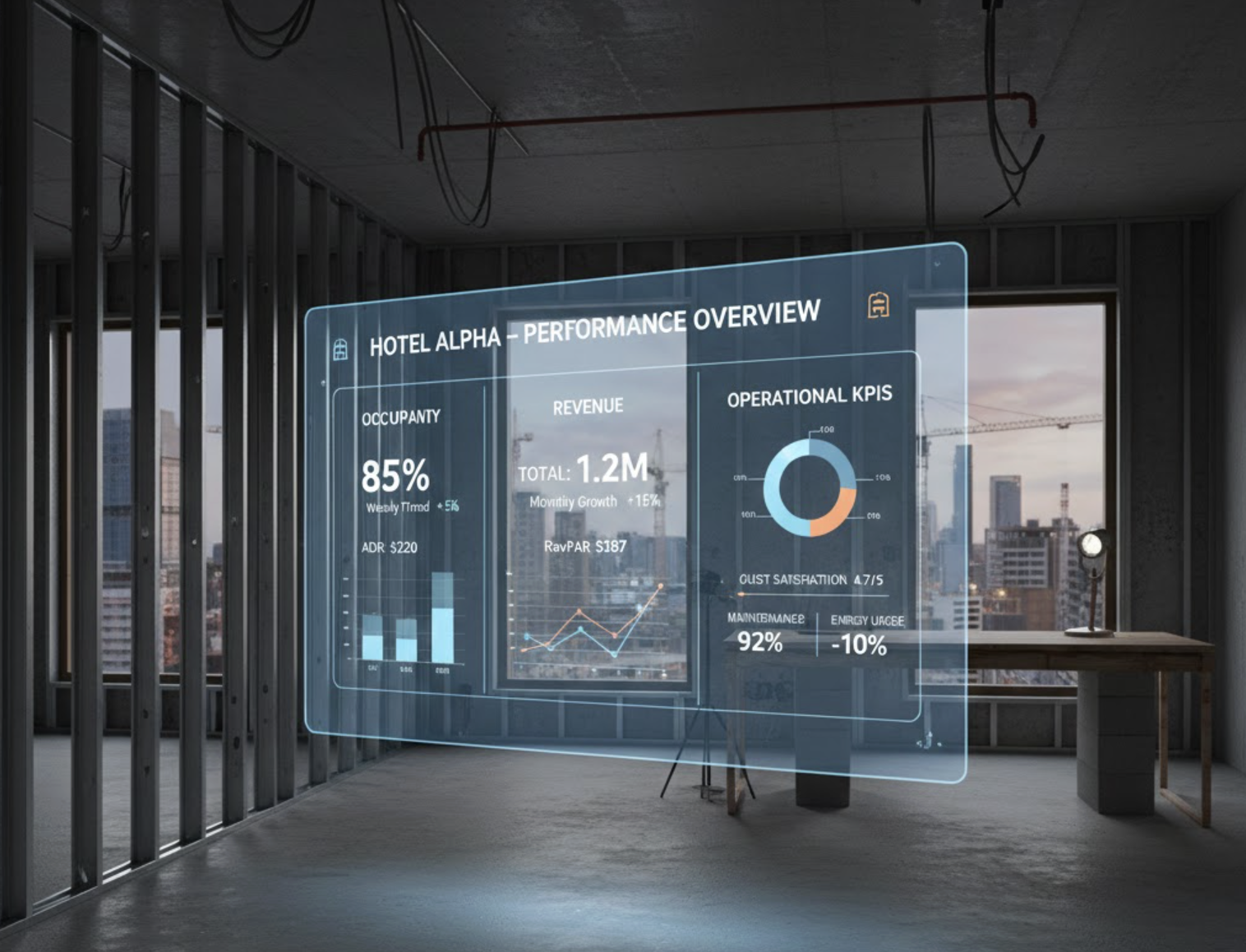
- Smart Construction Management Tools: Provide customizable dashboards and reports for all levels of management.
Asking “How does AI improve financial management in construction?” is common. AI-driven automation spots discrepancies, flags irregular spending patterns, and forecasts the likely outcomes of current spending levels—all with less manual effort, resulting in fewer errors and greater reliability.
The Competitive Edge of Real-Time Tracking: Zepth Core in Focus
Zepth Core, part of the comprehensive Zepth Ecosystem, delivers a suite of modules purpose-built for real-time project and financial management:
- Progress Reports & Zepth360: Combined, these provide not just numerical updates, but also visual, location-specific progress through photos and 360-degree views mapped to project plans.
- Daily Reports & Insights Analytics: Track daily labor, materials, and expenses with automated insight generation—instantly identify deviations from budget or timeline.
- Jobsite Management, Incident Reporting, and HSE Compliance: Real-time safety and compliance monitoring paired with structured, actionable reporting tools.
- Construction Project Tracking Software: End-to-end visibility into change orders, contracts, and financial exposures, integrated with document logs and authority approvals.
In practice, replacing static monthly updates with actionable real-time intelligence means leadership can instantly see where interventions are needed, prioritize actions, and keep teams aligned. This shift supports smarter project budgeting, real-time audits, and tighter construction cost control at every stage.
The Future: Digital Transformation and Sustainable Growth
Adopting cloud-based construction management and embracing AI tools for construction continue to drive digital transformation. With access to a common data environment for construction and seamless BIM (Building Information Modeling) integration, modern platforms support not only financial accuracy but also design coordination, document sharing, and sustainability tracking.
Real-time platforms are key enablers of sustainable construction management—tracking material usage, carbon impacts, and compliance with green building standards as work progresses. With construction analytics and digital twins in construction, project owners and contractors build a foundation for continuous improvement, learning from each project to optimize the next.
Ultimately, choosing intelligent, AI construction platforms like Zepth Core turns data into a strategic asset instead of a historical record. Real-time tracking empowers all stakeholders—from field engineers to financial controllers—to achieve greater predictability, improved compliance, and better project outcomes. Replacing monthly reports with live data isn’t just a trend; it’s the new cornerstone of smart, resilient, and profitable construction management.