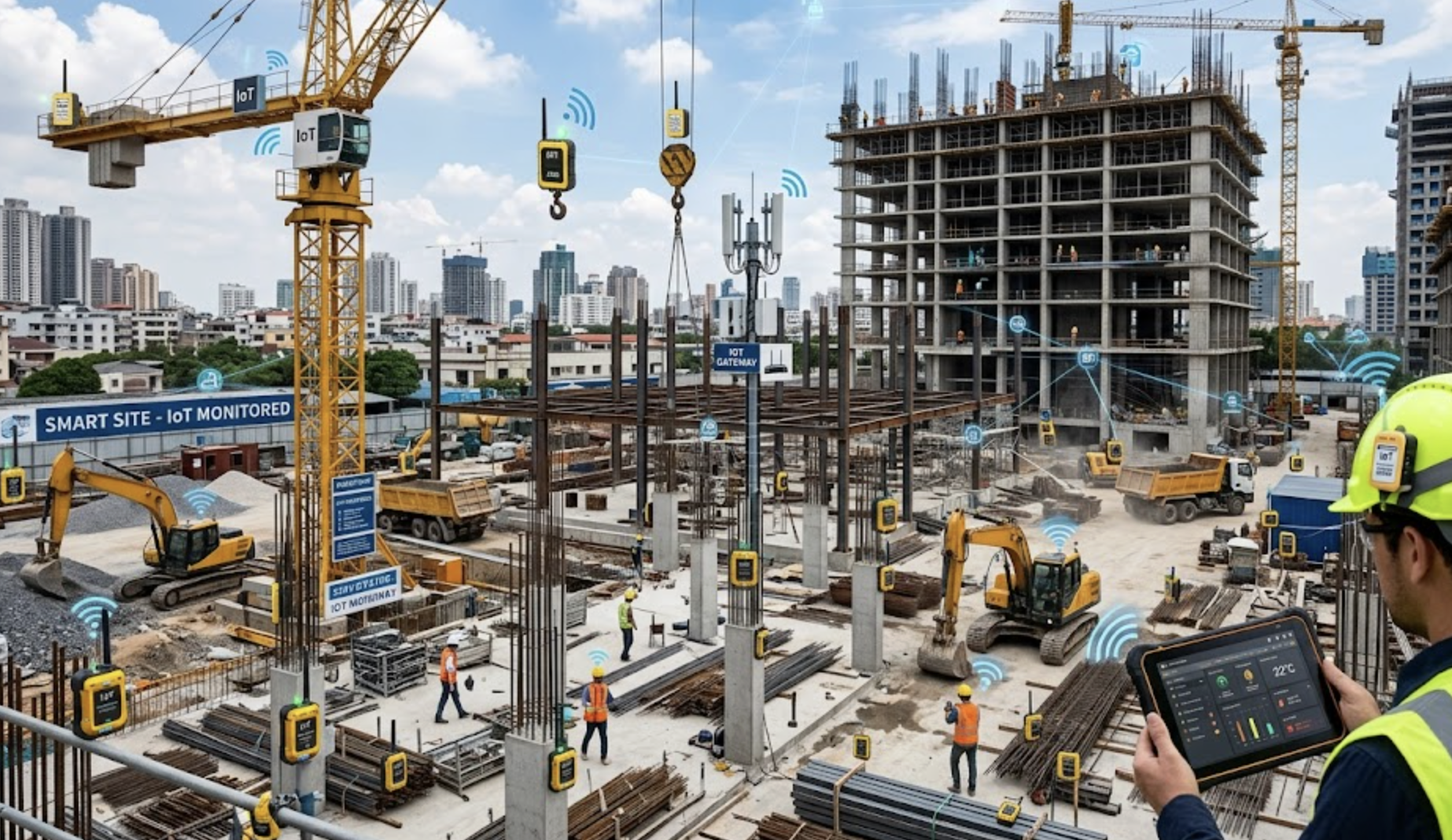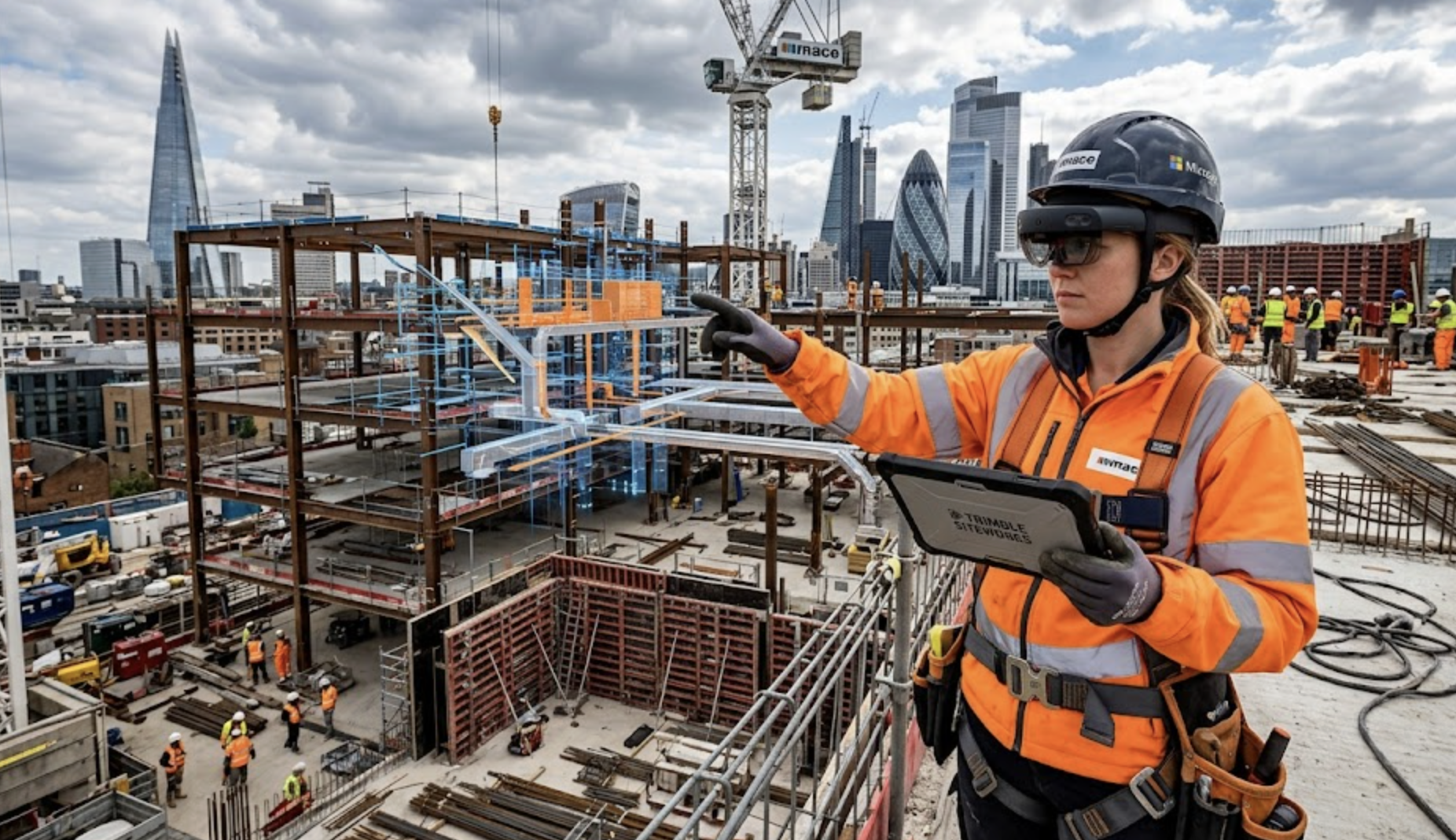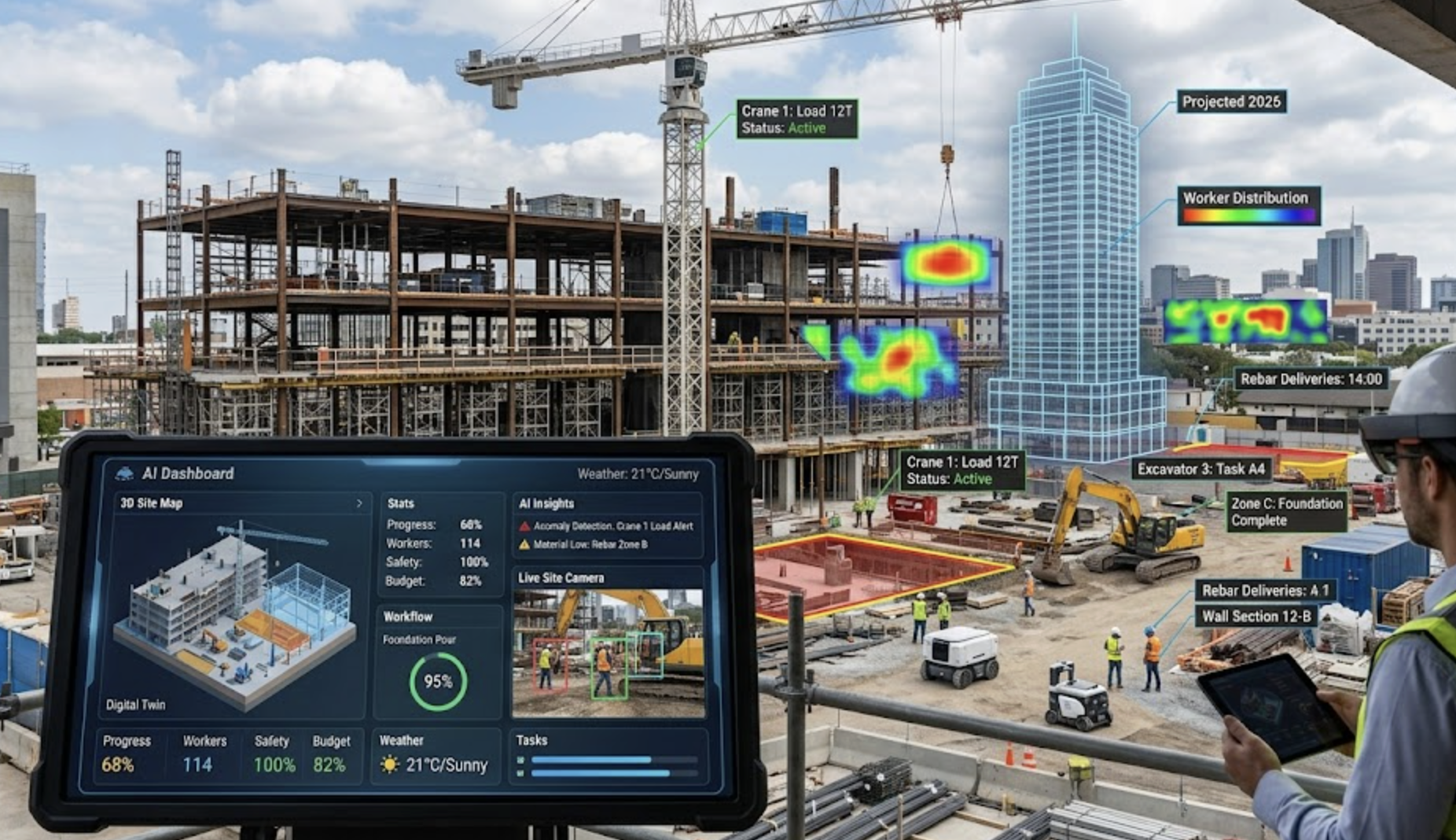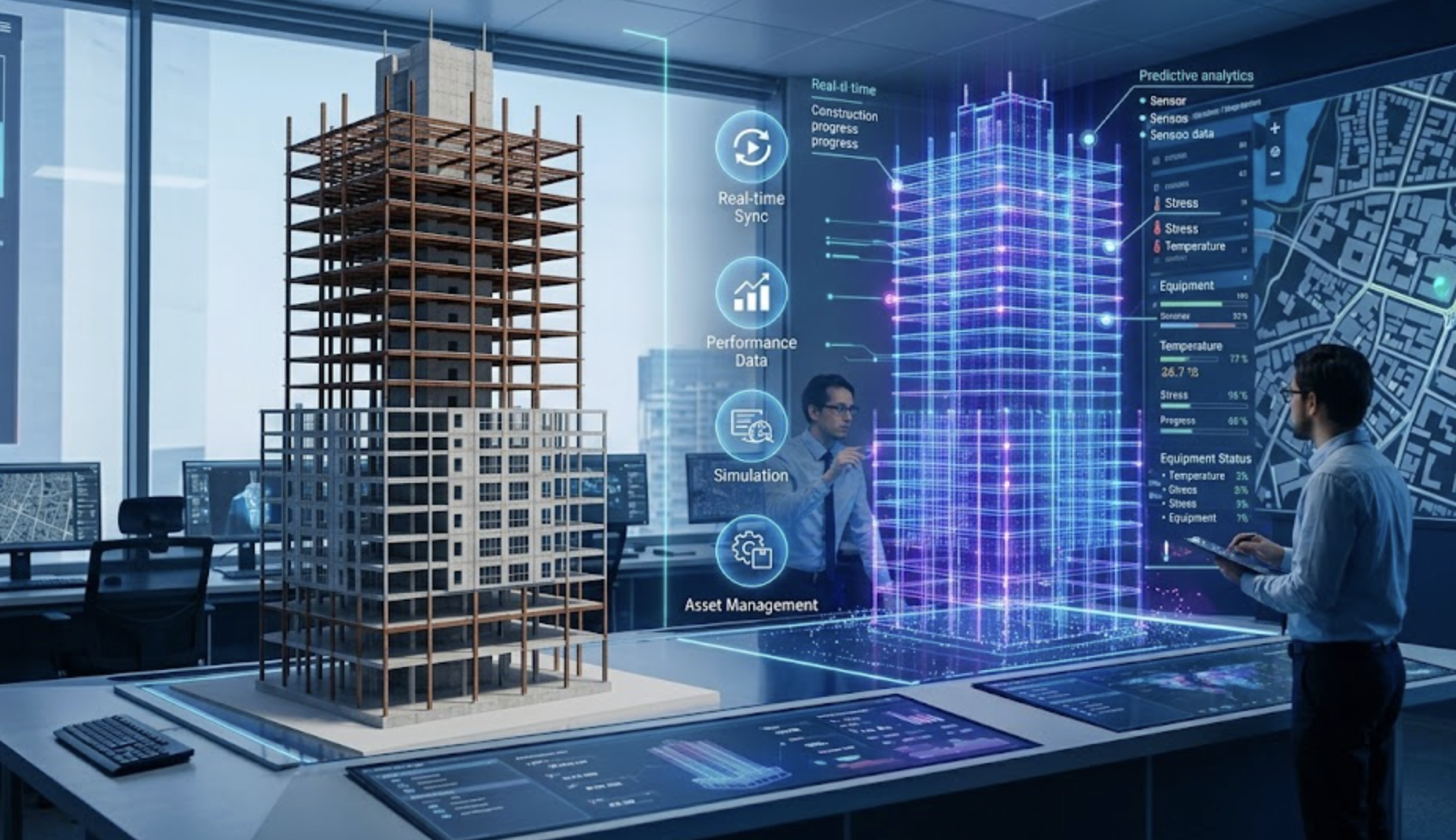

In today’s competitive construction landscape, construction project management software empowers teams to harness real-time data for superior site resource allocation. Timely, accurate insights have become essential for maintaining schedules, controlling costs, and boosting project performance. Solutions like Zepth Core integrate AI in construction to bring transformative change, merging intelligent analytics with boots-on-the-ground realities. Understanding and leveraging real-time project data can set a team apart—reducing waste, preventing bottlenecks, and maximizing resource productivity.
The Importance of Real-Time Data in Site Resource Allocation
Resource allocation sits at the heart of efficient construction management. Whether it’s labor, equipment, or materials, mismatches between actual site demand and resource deployment can have cascading effects: costly delays, idle machinery, or underutilized manpower. Jobsite management tools now harness live updates from the field, shifting the paradigm from reactive corrections to proactive resource planning.
When all teams—from project managers to foremen—access a single, unified data environment, decision-making becomes faster and more accurate. With smart construction management tools like Zepth Core, cloud-based dashboards and mobile apps let users monitor daily progress, oversee material deliveries, and respond in real time to evolving site needs. These solutions close the gap between office plans and field execution, allowing resource movements based on immediate, verified demand rather than outdated reports or guesswork.
AI-Powered Project Management: Transforming Construction Efficiency
The integration of AI tools for construction has ushered in new levels of automation and insight. Zepth Core leverages AI-powered project management by consuming massive data streams—including weather forecasts, labor check-ins, equipment GPS, and daily activity logs—to generate optimized work schedules and recommend dynamic resource shifts. This means that instead of just tracking historical data, teams articulate predictive resource requirements and identify risks before they materialize.
For example, if upcoming inspection reports highlight a spike in site snags or pending work, the platform can suggest labor redistribution or reinforce teams in problem areas. Through modules such as Inspections, Snag List, Daily Reports, and Zepth360 (which integrates visual site updates with scheduling data), managers gain 360-degree visibility into both current challenges and emerging needs.
Common questions arise as AI adoption accelerates: “How does AI help improve resource allocation in construction?” The answer lies in its ability to analyze live inputs, identify patterns of inefficiency, and recommend immediate corrective actions— unlike traditional static reports. AI not only tracks resources but orchestrates the best use of them in the moment.
Building an Integrated Jobsite: Data-Driven Tools at Work
Central to optimal resource allocation is the concept of a common data environment for construction. Zepth Core’s ecosystem keeps all project data—from drawings to compliance documents—to site logs, synchronized and accessible. The Document Register and Construction document management modules ensure everyone works from the latest specifications, while the Task Management module clarifies who’s responsible for what, eliminating confusion and overlap.
- Daily Reports: Provide real-time field updates to resource managers.
- Progress Reports: Track work completed vs. planned benchmarks for timely adjustments.
- Material Inspection: Triggers real-time alerts for shortages or excess, correcting material flows.
- Site Instruction: Issued digitally to quickly redirect labor or machinery where needed most.
- Risk Register & Mitigation Plans: Highlight potential bottlenecks early so teams can preempt resourcing issues.
Such integrated functionality isn’t just convenience— it’s construction project tracking software at its best, providing teams with actionable, data-rich intelligence to stay agile. Questions like, “What are the benefits of using real-time data in construction management?” surface often. The key benefits include improved predictability, reduced downtime, and greater alignment between plans and actuals—leading to substantial cost and time savings.
Leveraging Construction Analytics and Insights for Smarter Decisions
Modern sites generate thousands of data points daily. Construction analytics and insights modules—like those built into Zepth Core—distill this complexity into strategic dashboards that spotlight trends. Customizable visuals help managers see where resource allocation has outperformed targets or where recurring inefficiencies slow progress. With automated reporting, anomalies such as labor shortages, late material arrivals, or onsite safety violations are surfaced in minutes rather than days.
This approach supports not just real-time tweaking but also forecasting. Construction forecasting tools use historical and current data to help teams anticipate future labor, equipment, and material needs. When combined with robust AI risk management in construction, these dashboards empower leaders to make data-driven calls that optimize productivity and compliance, even in volatile project phases.
Users often ask, “Can digital tools help track resource usage and budget in construction?” Definitely. Solutions like Zepth Core’s Project Cost Control and Construction financial management tools module monitor spending in real time, linking resource allocation directly with site performance and financial reporting. These allow project managers to ensure resources are deployed efficiently without overrunning the budget.
Ensuring Compliance, Safety, and Sustainability in Resource Allocation
Optimal resource allocation must address more than just cost and speed. Sustainable construction management is rising in importance, demanding tools that record energy use, waste, and environmental impacts. HSE Compliance and Safety Violation modules, as found in Zepth Core, monitor site activities to keep projects within legal and environmental guidelines, alerting managers to any safety gaps or regulatory non-conformances in real time.
Construction compliance software ensures audits and authority approvals are on track, while digital forms streamline daily compliance checks. Powerful AI construction automation flags deviations, reducing risks and preventing expensive shutdowns. By embedding compliance with every labor shift or material move, Zepth Core equips construction leaders to match modern expectations for safety and sustainability.
Increasingly, digital transformation also means integrating BIM (Building Information Modeling) and digital twins in construction. Zepth Core’s architecture supports these integrations, enabling richer collaboration and real-time spatial analysis for highly precise resource deployment. This further closes the feedback loop between design, scheduling, and on-ground allocation, making lifecycle management more predictable and efficient.
Conclusion: The Future of Construction is Data-Driven
Staying ahead in construction hinges on executing flawless site resource management. AI construction platform solutions like Zepth Core offer the connectivity, intelligence, and control to monitor every variable in real time. Leaders who embrace construction industry digital transformation will enhance collaboration, mitigate risks, and capitalize on every opportunity to improve efficiency. As cloud-based construction management and live analytics mature, responsive, data-driven allocation of labor, machinery, and materials will become the norm, not the exception.
Firms using real-time data for construction lifecycle management software gain a clear edge—delivering projects faster, at lower cost, and with a stronger record of compliance and sustainability. With Zepth Core, project managers can track, analyze, and optimize everything from jobsite workflows to project financials, setting a new standard for construction excellence.