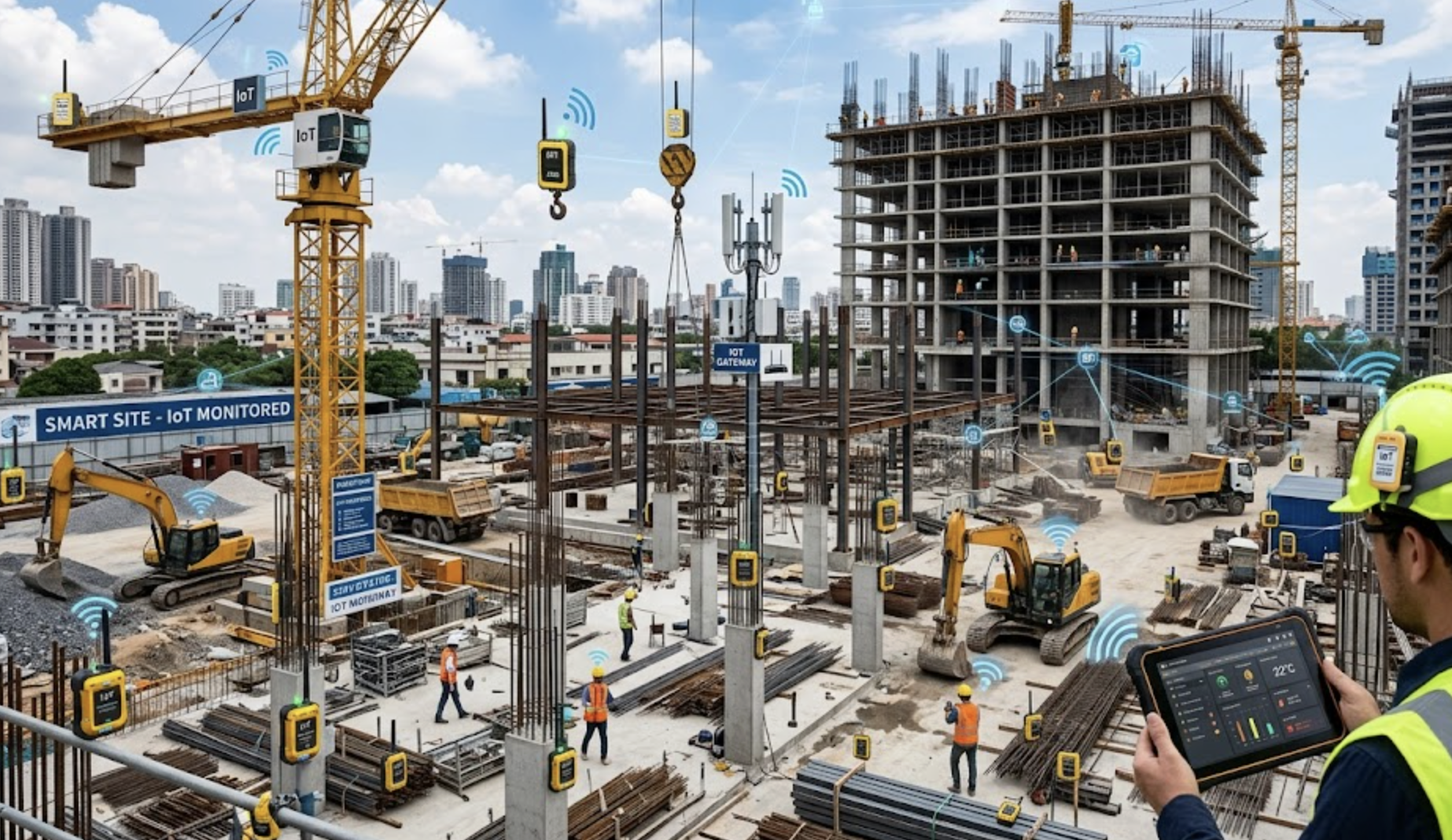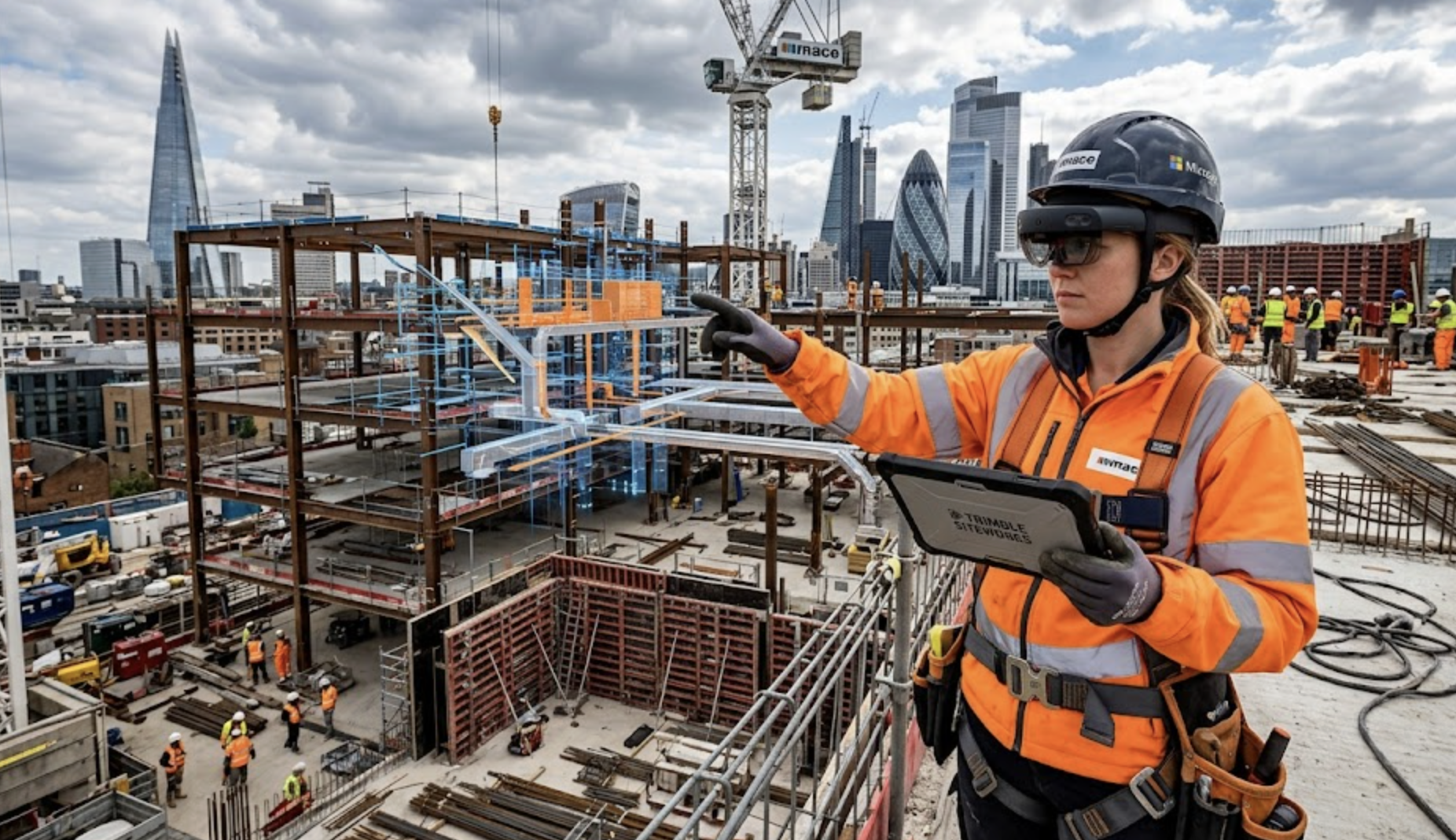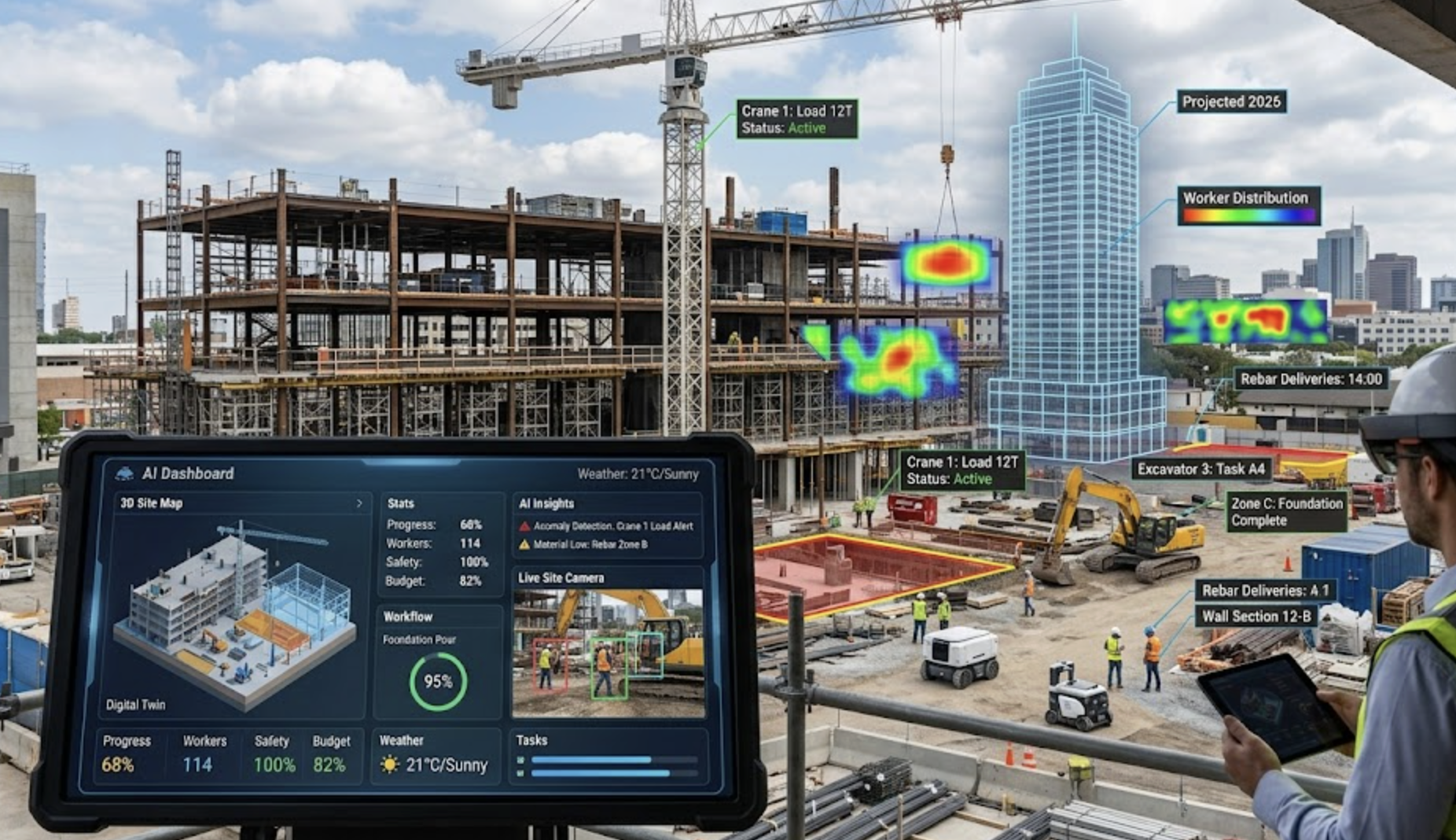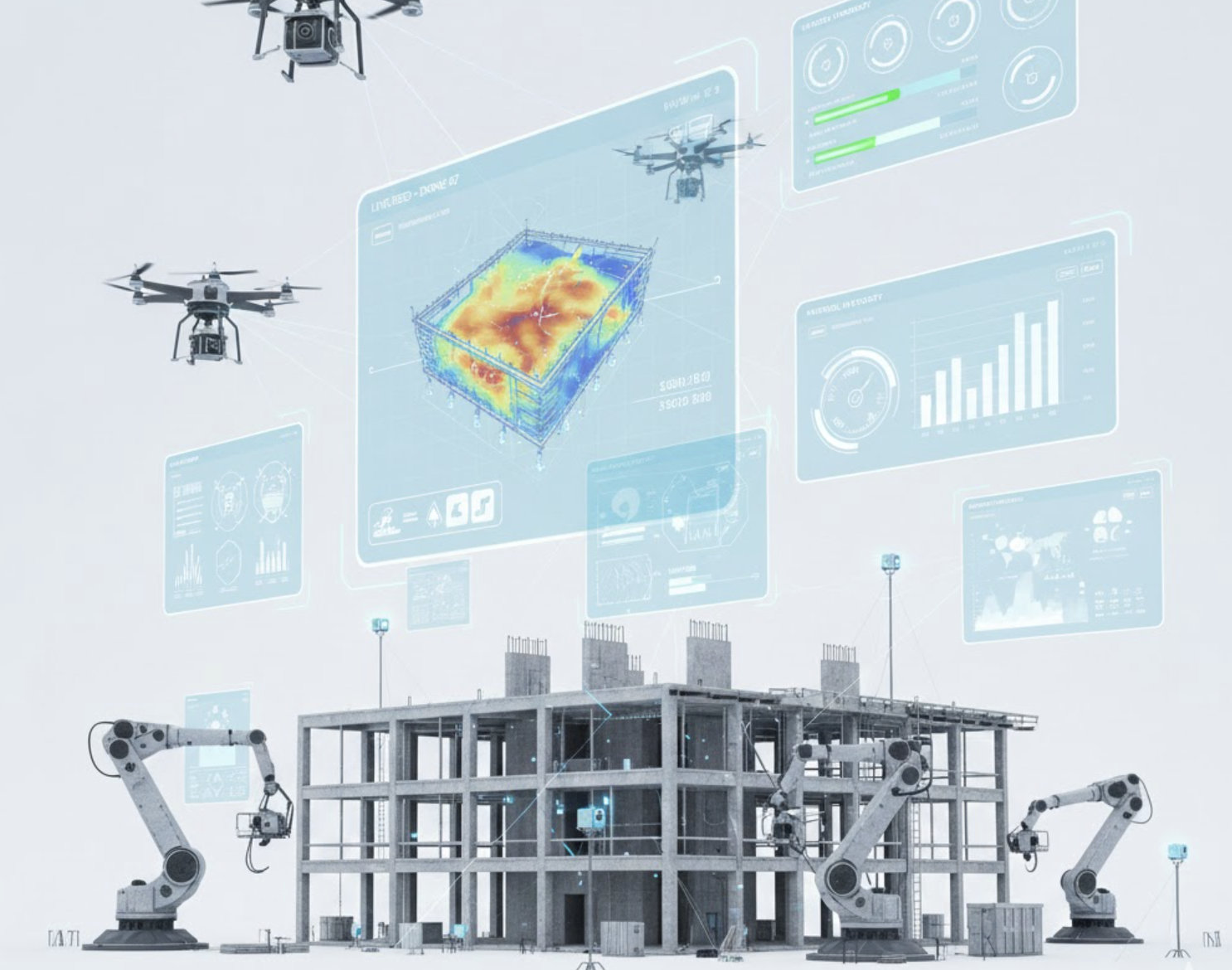

Construction project management software has seen revolutionary advances through the integration of AI intelligence, fundamentally transforming how project leaders predict and respond to material price volatility. Predicting material price volatility with AI intelligence has moved from being a futuristic idea to an operational reality, directly impacting construction cost control, risk mitigation strategies, and project outcomes. As global supply chains remain unpredictable and commodity prices fluctuate, construction teams are turning to AI-driven construction management platforms like Zepth to gain a decisive edge in financial planning, procurement, and jobsite execution. This post explores how AI tools for construction—particularly in the context of Zepth Core—empower decision-makers to not only forecast changes in material costs but to take actionable steps toward financial resilience and project stability.
The Growing Challenge of Material Price Volatility
With construction supply chains more interdependent and volatile than ever, material price increases or sudden shortages can quickly erode project margins and trigger costly delays. Traditional forecasting methods—relying on historical data or manual estimates—struggle to accommodate shifting real-time conditions, such as global events, evolving demand trends, and unpredictable delivery timelines. As a result, several critical questions come to the fore for both industry newcomers and veteran PMs:
- How can construction teams effectively predict material price changes?
- Are there tools that automate real-time price tracking and forecasting?
- Can project teams integrate material cost insights with broader construction risk management efforts?
Modern AI-powered project management platforms have emerged as a clear solution. By leveraging advanced analytics, real-time supply chain feeds, and predictive modeling, these solutions inform more accurate procurement strategies, stronger contract planning, and agile financial responses to market shifts.
Harnessing AI in Construction for Price Predictions
Innovations in AI construction platform technologies have enabled a seismic shift in how projects anticipate and overcome material cost volatility. AI algorithms can process and analyze vast datasets, including market indices, supplier information, previous procurement records, and even macroeconomic indicators, to generate real-time forecasts. This empowers construction leaders not just to react, but to anticipate changes—embedding AI construction automation at the heart of strategic planning.
For example, Zepth Core’s Jobsite Management tools and Document Register ensure every incoming price or material change is captured and quickly linked to corresponding budgets, jobsite needs, and procurement pipelines. This connectivity forms the backbone of a common data environment for construction, where every decision is informed by accurate, up-to-date information. With Zepth’s Project Cost Control and Insights & Analytics modules, teams receive predictive alerts, scenario planning simulations, and analytics dashboards to refine their purchasing or material allocation strategies.
Frequently Asked: What is the best way to control construction material costs?
The best way to control construction material costs involves integrating AI-driven analytics with centralized document management and real-time financial tracking. Platforms like Zepth offer these capabilities, allowing teams to leverage predictive insights and enforce strict compliance and approval workflows across procurement cycles.
Integrating Real-Time Data with Construction Project Tracking Software
Access to real-time construction project data is now fundamental to dynamic project management. AI solutions ingest information from suppliers, market feeds, and on-site inventories, providing a live snapshot of how global trends could impact day-to-day jobsite activities. Construction project tracking software, when embedded with AI, brings unprecedented visibility over potential cost overruns and supply chain risks.
Zepth’s Material Inspection and Progress Reports modules ensure any change in planned deliveries or material specs is instantly reported, evaluated, and tracked. These workflows, complemented by the Submittals feature for supplier documentation and the Transmittals tool for audit-proof sharing, ensure that all teams—from procurement to site supervisors—work from the most up-to-date data. When price anomalies are detected, automated notifications and risk flags prompt timely action, supporting AI risk management in construction and minimizing financial exposure.
Frequently Asked: How does AI help with risk mitigation in construction projects?
AI supports risk mitigation by continuously monitoring variables like material pricing, project progress, and compliance issues. Predictive machine learning models identify emerging risks, enabling teams to proactively develop risk mitigation in construction plans and smarter procurement or scheduling adjustments.
Strategic Financial Management and Risk Mitigation in Uncertain Markets
Construction leaders have long sought reliable ways to forecast costs and minimize budget overruns—especially with material prices prone to sharp, unpredictable swings. Today, cloud-based construction financial management tools driven by AI not only enhance cost tracking but offer deep visibility into future needs. Zepth Core’s Project Cost Control and Project Financials modules provide:
- Real-time variance analysis: Compare current consumption and costs to budgeted values instantly.
- Automated risk reporting: Highlight exposure from delayed deliveries, price spikes, or contractual non-compliance.
- Dynamic dashboards: Synthesize financial performance, material costs, and schedule impacts for live team planning.
- Forecasting and cost projection: Predict future material price trends based on both historical and fresh live datasets, using powerful AI analytics and machine learning.
Linking predictive price insights directly with the Risk Register ensures exposures are logged, mitigation plans are initiated, and all steps transparently documented for audit and reporting purposes. This seamless process brings construction industry digital transformation into material price risk management, making proactive decision-making the project norm, not the exception.
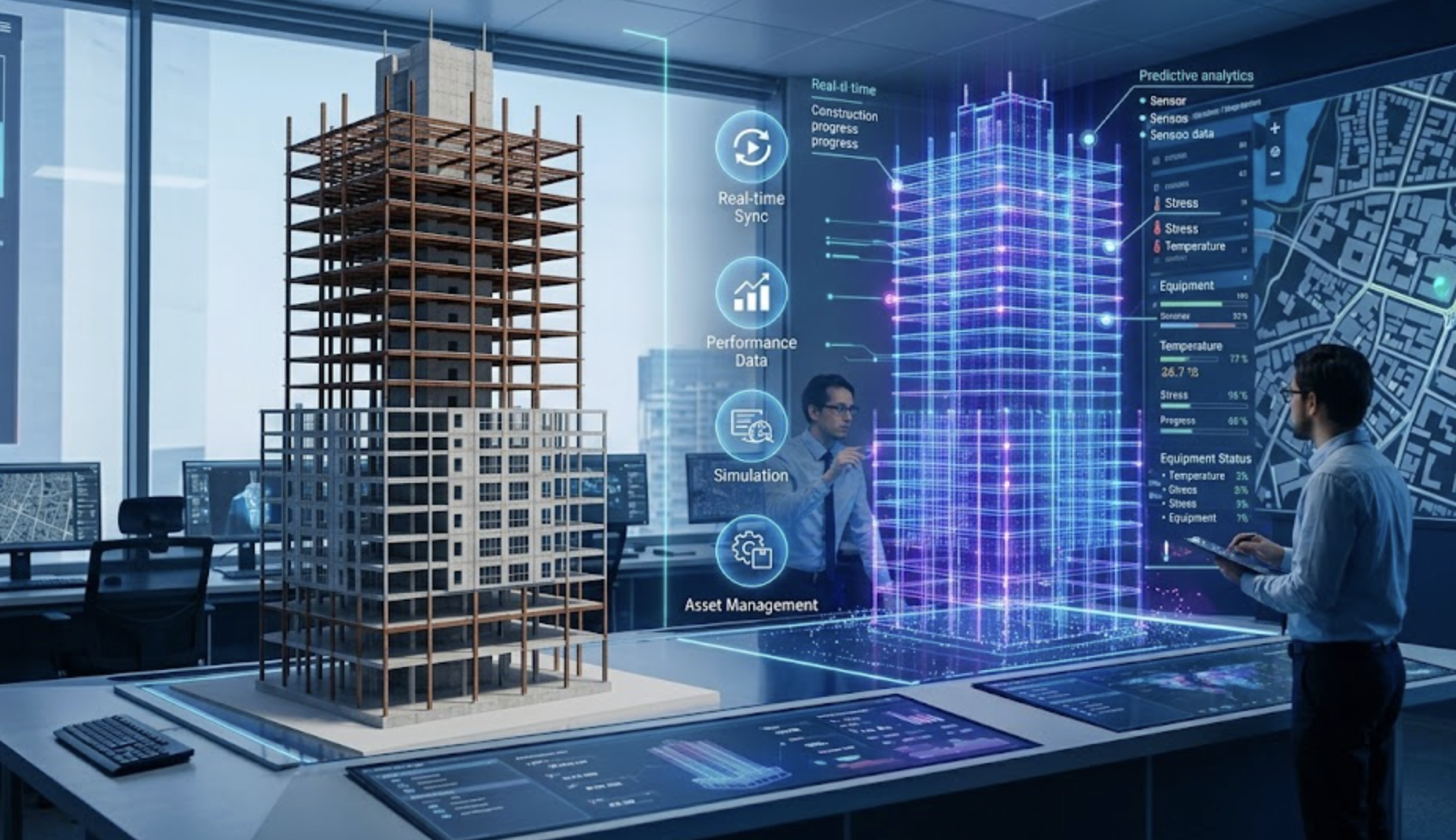
Frequently Asked: What is a digital twin in construction and how does it help with cost control?
A digital twin in construction is a virtual model of a project that mirrors its physical attributes and operational data. By integrating live material price information with digital twins via platforms like Zepth, teams optimize purchase decisions, schedule updates, and risk forecasting for maximum cost-effectiveness and future-proof planning.
The Zepth Core Ecosystem: Enabling Smarter, Sustainable Procurement
Central to Zepth Core’s value proposition is its ability to unify procurement, financial management, and jobsite quality workflows within a single AI-enabled environment. Modules such as Inspections, Snag Lists, and HSE Compliance not only enforce quality and regulatory requirements but enable direct integration with cost and material management data. These capabilities are crucial for sustainable construction management, ensuring the right materials are procured and installed to specification, waste is minimized, and budgets remain agile in the face of market disruption.
AI-powered automation in Zepth delivers actionable insights through visual dashboards (Zepth360), structured reporting, and customizable analytics. This smarter approach to construction tech innovation leverages:
- Automated procurement workflows that block over-budget purchases
- Supplier and submittal tracking to guarantee compliance
- Real-time integration of BIM models and document management for holistic oversight
- Cloud-based collaboration, enabling remote teams to react quickly to market shifts
The collective outcome is more efficient project delivery, predictable financial outcomes, and a robust framework for continuous improvement in construction lifecycle management software.
Shaping the Next Generation of Construction Management
The future of construction project tracking software will be defined by the convergence of AI, predictive analytics, and common data environments. As market volatility persists, the industry will increasingly rely on platforms that deliver not just smart construction management tools, but genuine intelligence: AI that can learn from every jobsite, adapt to every project, and forecast every material cost variable that comes its way. Platforms like Zepth Core give construction leaders the digital backbone they need to manage risks, control spend, and realize better project outcomes—one predictive insight at a time.
For those eager to stay competitive, adopting AI document management software, sophisticated cost forecasting tools, and automated risk reporting isn’t just an upgrade—it’s a business imperative. As you consider your options, remember that advanced, integrated platforms don’t just predict material price volatility—they empower you to manage it with confidence, agility, and clarity for every stakeholder involved.