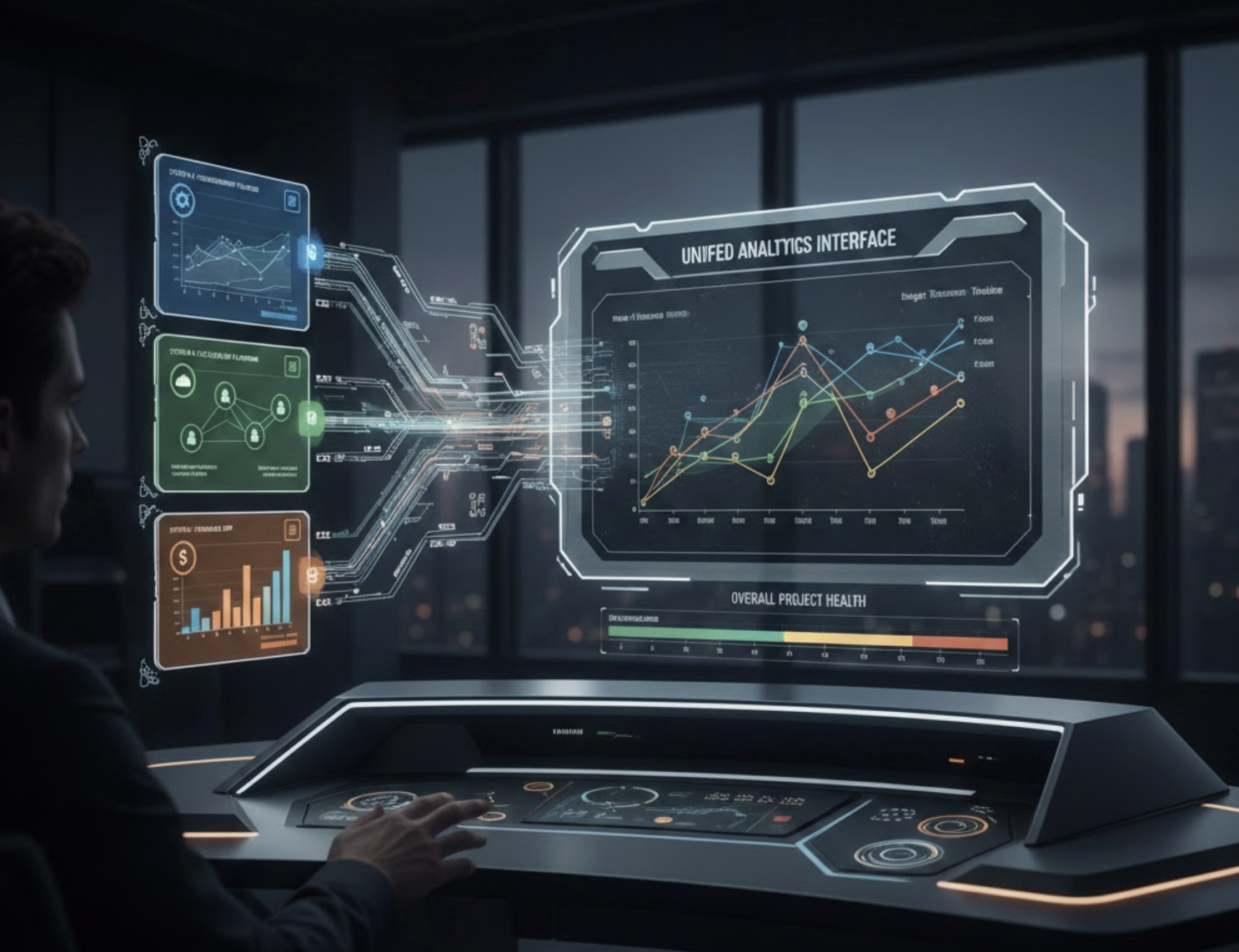

Operational efficiency is the heartbeat of successful hospitality management. In a margin-sensitive industry, where labor, utilities, and facility maintenance consume up to 60% of operating expenses, even a small increase in efficiency can profoundly boost profitability. To stay ahead, hotels and resort operators need more than traditional management—they require intelligent digital tools that harness real-time analytics. With the emergence of advanced hotel management software and platforms like Zepth Edge, the integration of data-driven insights, automation, and lifecycle optimization is reshaping the hospitality landscape.
Why Operational Efficiency Is Critical in Hospitality
For hotels, efficiency isn’t just about cost savings. It’s about service excellence, reputation, and long-term competitiveness. Guest expectations for seamless, personalized, and contactless experiences continue to rise, fueled by digital conveniences such as mobile check-in, digital keys, and instant updates. At the same time, the post-pandemic landscape—increasingly volatile with labor shortages and rising costs—demands that owners and operators accomplish more with tighter teams and budgets.
On an operational level, optimization begins before the first guest ever checks in. Thoughtful design, streamlined construction, and reliable handover provide the foundation for efficient workflows and technology adoption. When hotels utilize an integrated hotel management software, not only do they manage front-of-house and back-office functions smarter, they also support the broader asset lifecycle—from planning and building to ongoing operation and maintenance.
Defining Operational Efficiency in Hospitality Domains
Operational efficiency in hospitality cuts across core domains. Understanding how these areas benefit from digital transformation and automation is essential:
- Front-of-House Operations: Speed of check-in/check-out, mobile adoption, channel management, and instant guest communication all matter. Reducing queue times with smart hotel operations management platforms improves both margins and guest satisfaction.
- Housekeeping & Room Operations: Real-time assignment, progress tracking, quality checks, and swift issue resolution depend on efficient housekeeping and tailored analytics.
- F&B and Event Management: Inventory, procurement, menu optimization, and real-time event tracking can unlock revenue while minimizing waste and cost with hospitality forecasting tools.
- Maintenance & Facilities Management: Predictive and preventive maintenance, powered by AI asset management software and IoT, drive up asset reliability and minimize downtime.
- Back-Office Functions: Procurement, financial control, HR, and supply chain are transformed by hotel financial management software, enabling granular reporting and smarter budgeting.
For example, when a hotel aims to improve room turnaround time by 15% or reduce unplanned equipment breakdowns by 25%, real-time hospitality data analytics become indispensable tools. One might naturally wonder, “How do hotels use technology to improve operational efficiency?” Increasingly, they rely on real-time insights, predictive analytics, and AI-driven automation platforms to optimize every stage of their workflows and guest journeys.
Real-Time Analytics: The New Imperative for Hospitality Leaders
Real-time analytics means going beyond periodic reports. It turns operational data from property management, point-of-sale, guest apps, IoT sensors, and maintenance systems into live, actionable intelligence. With a hotel portfolio management system powered by AI in hospitality, leaders get:
- Continuous monitoring of KPIs like occupancy, revenue per available room (RevPAR), room readiness, and guest satisfaction scores.
- Instant alerts to deviations—allowing managers to redeploy staff, adjust rates, or resolve guest issues before they impact reviews.
- Adaptive decision-making based on current demand, predictive maintenance needs, and energy consumption patterns.
Consider a scenario: The system detects a sudden spike in room-service requests or a negative guest experience signal through feedback platforms. Real-time dashboards powered by smart hotel management tools instantly notify supervisors, enabling dynamic workforce allocation or targeted offers for service recovery. Such flexibility is only possible with a cloud-based hospitality management system, which unifies disparate data pipelines into a single, integrated control center.
A common question from hospitality professionals is, “What are the most important KPIs for hotel operations?” In today’s environment, real-time KPIs are vital—tracking occupancy, average daily rate (ADR), work order response times, guest sentiment, and resource utilization leads to faster, smarter adjustments and maximizes both profitability and guest satisfaction.
Transformative Use Cases: Real-Time Analytics and Operational Efficiency
Harnessing AI-powered hospitality management platforms like Zepth Edge, industry leaders are transforming key functions:
- Dynamic Workforce Management: AI-driven performance dashboards forecast staffing needs, reducing overtime costs while ensuring enough staff are available for peak periods—directly raising service quality and margins.
- Housekeeping Optimization: Automation links PMS and housekeeping apps, optimizing room assignment and cleaning schedules in real time, leading to faster availability for check-ins and improved guest reviews.
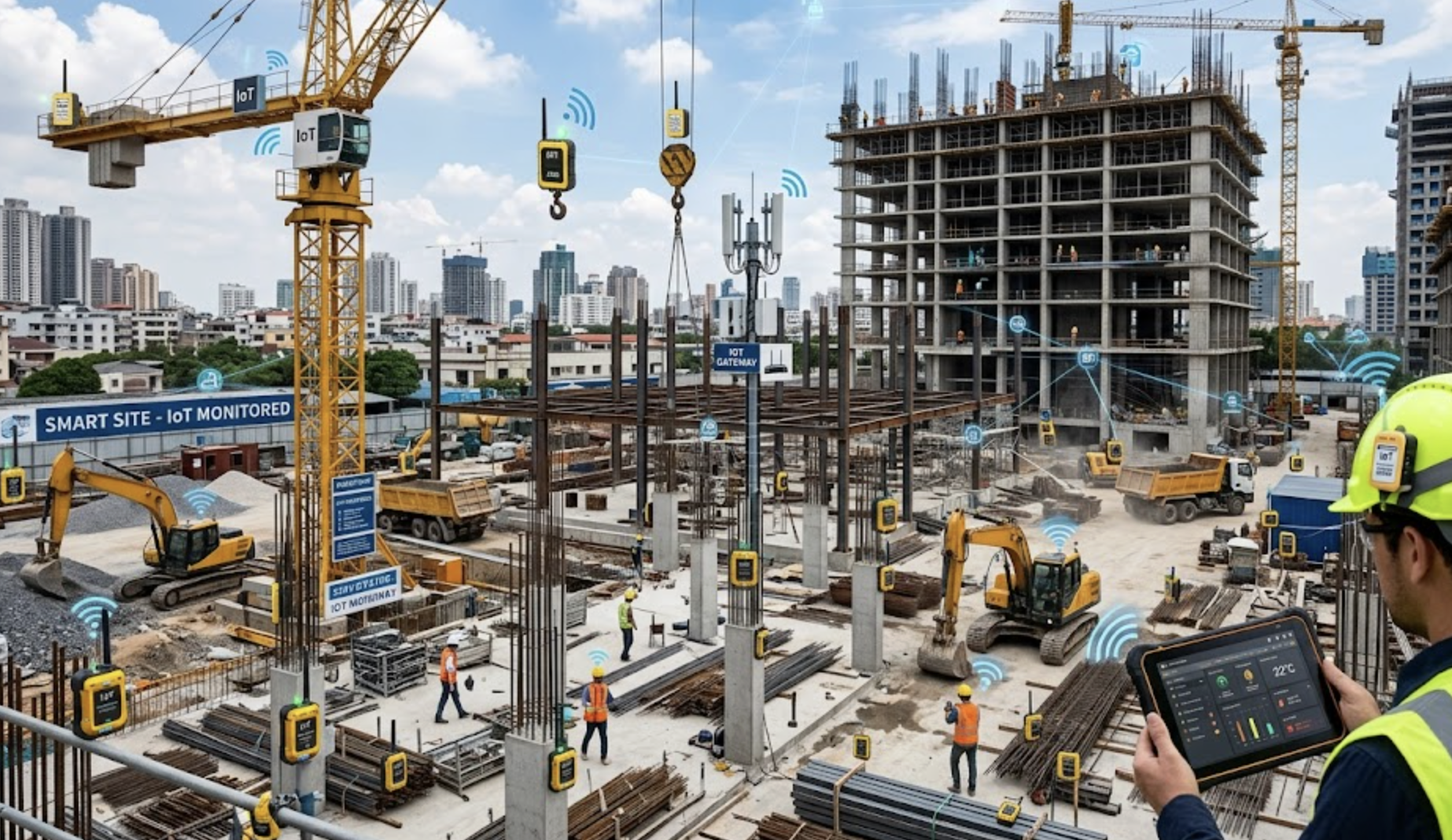
- Predictive Maintenance: Integrated IoT and AI financial reporting platforms track critical assets, preemptively address faults, and minimize emergency repairs—delivering up to 50% higher asset uptime.
- Energy Management & Sustainability: Real-time monitoring, powered by AI hotel automation platforms, leads to 10–20% energy cost reduction as assets run more efficiently and resource use aligns with occupancy data.
- Personalized Guest Experience: By analyzing guest profiles, spending, and on-property behavior, the system delivers automated, tailored offers and upgrades, boosting both revenue and loyalty.
On a practical note, many curious readers ask, “How is AI used in hospitality?” AI in hospitality now powers demand forecasting, dynamic pricing, predictive maintenance, data-driven guest recommendations, and even real-time anomaly detection in operations, all driving operational excellence and new revenue opportunities.
Building the Data-Driven Backbone: Hotel Analytics Tech Stack
The real strength of modern hospitality management comes from a robust, interconnected tech stack. Core systems include PMS, POS, RMS, CRM, IoT-driven building management, maintenance and FM platforms, and project delivery management. For real-time analytics, the following components are crucial:
- APIs and Integrations: Secure connectivity ensures data flows seamlessly across platforms.
- Cloud-based Data Repositories: Centralizing structured and unstructured data for easy access and processing.
- Event Processing & Streaming: Rapid ingestion and reaction to operational events.
- AI/ML Models: For forecasting, dynamic optimization, and guest profiling.
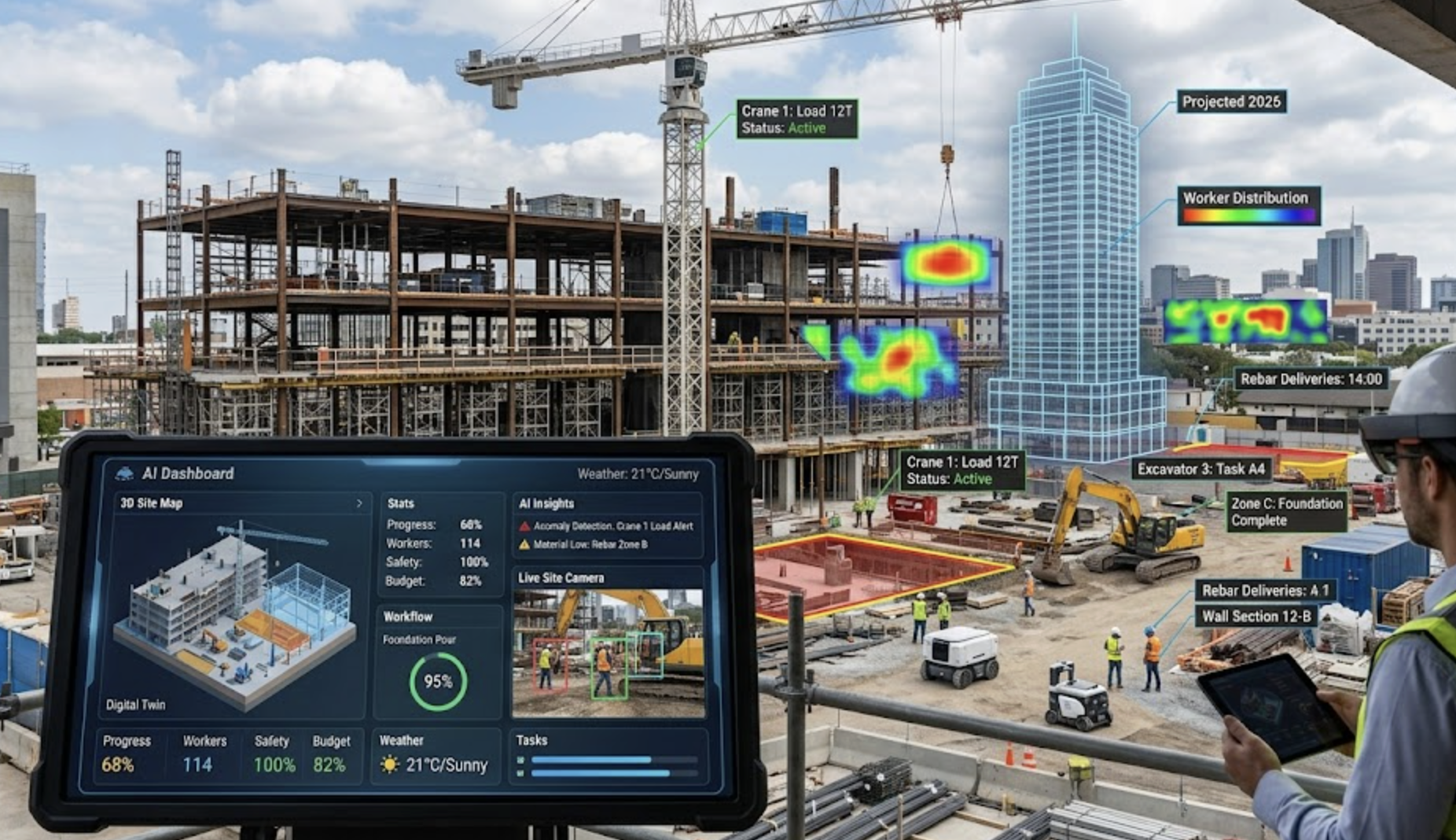
- Role-Based Dashboards: Tailored insights for executives, managers, and frontline staff, supporting immediate action and improved outcomes.
A critical advantage is a single source of truth—structured project data and asset metadata, as provided by Zepth during the build and handover phases, allow hospitality operators to populate their hotel asset management platforms with comprehensive, accurate foundational data. This ensures that both real-time and historical analytics remain reliable and actionable over the asset’s entire lifecycle.
Best Practices: Seamless Real-Time Analytics Implementation in Hospitality
For operational efficiency initiatives to succeed, hoteliers should start by establishing clear objectives and KPIs, such as reducing cost per occupied room (CPOR) or room turnaround time (RTT). Hotel budgeting and forecasting efforts benefit from high-quality, standardized data—consistent room types, asset lists, and spending categories, all structured during the design and construction phase with integrated digital platforms like Zepth Edge.
System integration is paramount. By unifying PMS, POS, CRM, BMS, and maintenance through open APIs or integration middleware, hotels eliminate data silos that historically caused delays and miscommunication. With actionable dashboards and well-defined rules linking analytics to operations (for example, automatically increasing front-desk staff when occupancy forecasts surpass a threshold), analytic insights are translated directly into outcomes on the floor, in kitchens, and in guest rooms.
Human-centered change management is essential. Involving frontline staff early and demonstrating how analytics reduces manual work—by automating reporting and optimizing scheduling—engenders support and fuels a continuous improvement culture. Regular reviews using dashboard insights, gamified rewards for KPI improvements, and ongoing training in data fluency ensure analytics-driven operations become the new standard in hospitality.
A natural concern arises: “How do you ensure data privacy and compliance in hospitality analytics?” The answer lies in strong data governance—access controls, data quality checks, standardized master data, and adherence to audit requirements, all supported by hotel compliance and audit software embedded within the platform’s ecosystem.
Optimizing Operations from Construction to Opening: The Zepth Edge Platform
The roots of operational efficiency extend all the way to the conception, design, and delivery of hotel assets. Zepth Edge delivers these advantages throughout the asset lifecycle:
- Design & Planning: Coordinated digital management ensures layouts maximize workflow for staff, minimize guest disruption, and support future automation—improving operational flows and service quality.
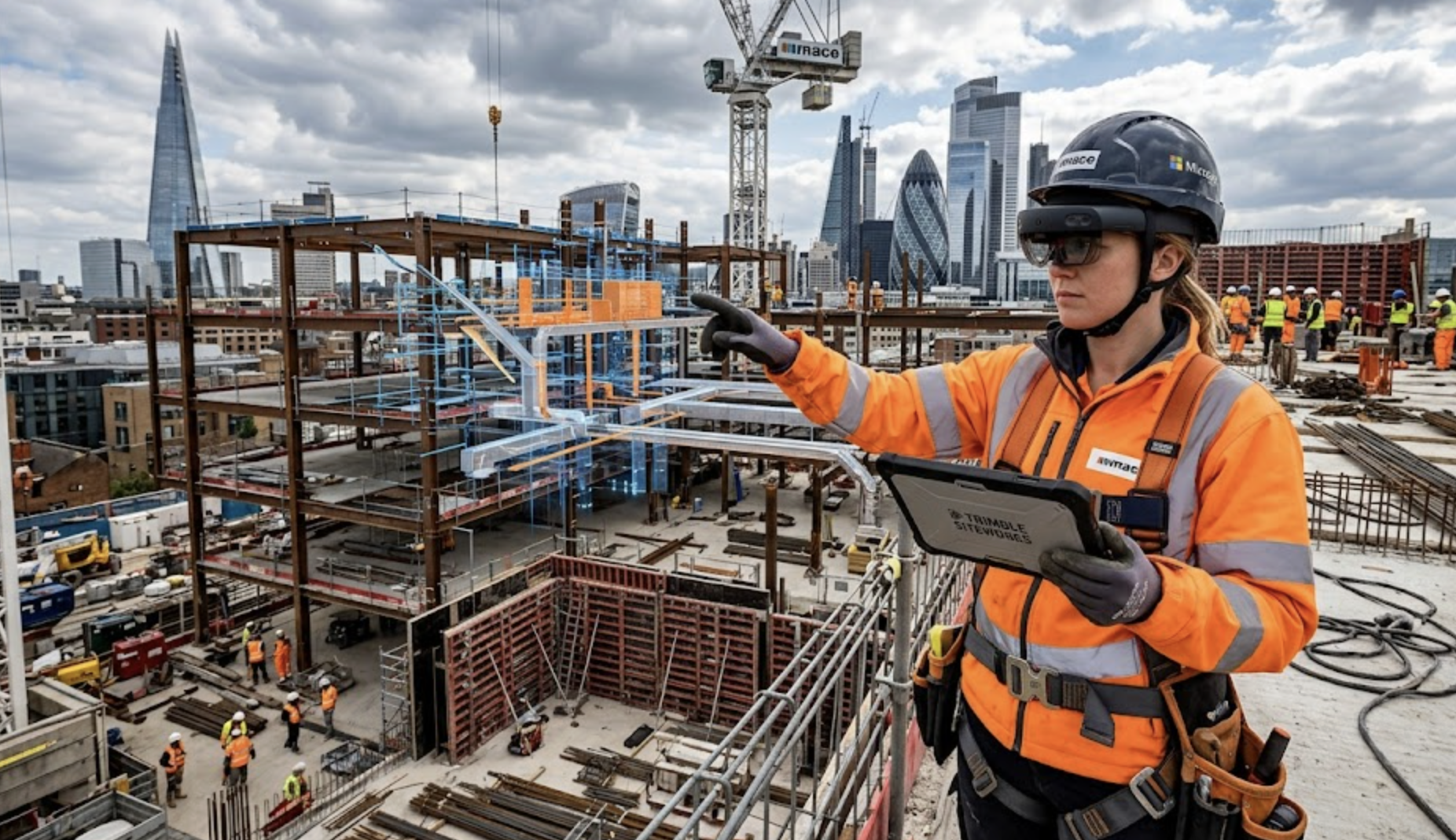
- Construction Management: Unified project dashboards enable owners to track progress, budgets, RFIs, and change orders in real time, ensuring on-time, on-budget delivery—critical for maximizing asset IRR and early return to revenue.
- Quality Assurance: Defect and snagging tools capture and resolve issues before opening, with digitized checklists and documentation reducing costly rework and early guest complaints.
- Digital Handover: Zepth provides structured, searchable handover packages—consolidating as-built data, O&M manuals, asset registers, and life-safety documentation—fueling downstream FM systems and real-time operational analytics from day one.
In practice, the intelligence edge provided by this seamless, data-rich approach means hotels start operations with trusted, integrated data, vastly improving preventive maintenance, cost control, guest experience, and compliance. This future-proofs assets for ongoing digital transformation and enables the embrace of emerging smart building technologies.
Innovation Horizons: AI and Automation in Smart Hospitality
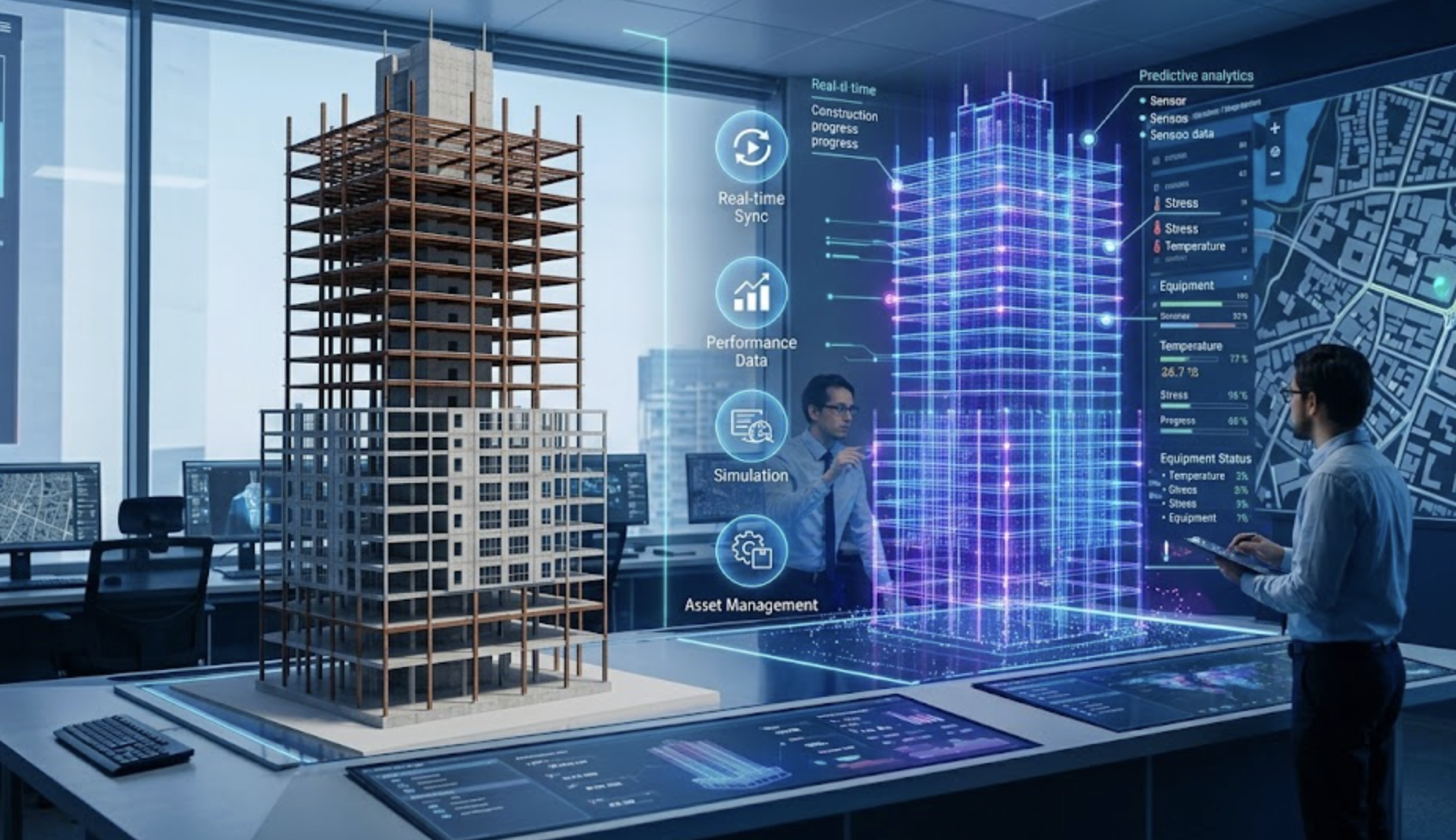
The hospitality industry is rapidly evolving. AI-driven demand forecasting and dynamic pricing adjust room rates in real time, responding to a wealth of internal and external data—from booking patterns to local events and weather. Computer vision technologies monitor lobby flow, restaurants, and queues, triggering operational changes as needed. Digital twins of hotel properties, built on structured as-built and asset data captured by platforms like Zepth, enable scenario-testing for energy savings, safety planning, and sophisticated maintenance management.
Automation and robotics are entering guest services and housekeeping, measured and managed via analytics dashboards to ensure optimal use and satisfaction gains. As the digital transformation in hospitality accelerates, the importance of robust, cloud-based property management, real-time hospitality data analytics, and data-driven hospitality management can only rise.
Strategic Takeaways for Hospitality Leaders
Today’s successful hospitality enterprise doesn’t leave operational efficiency or analytics to chance. Strategic leaders invest in integrated hotel asset management platforms and use AI tools for hotels to unlock cost savings, uplift revenue, and deliver memorable guest experiences. By choosing platforms like Zepth Edge that provide structured data, seamless digital handover, and tight integration with all facets of the property’s lifecycle, leaders lay the groundwork for sustainable profitability, resilience, and growth.
In summary:
- Operational efficiency and real-time analytics, delivered by next-generation platforms, are critical capabilities for hospitality success—not optional extras.
- Data integration, clear KPIs, and disciplined project delivery ensure asset reliability and guest satisfaction—beginning right from the design-build phase.
- Zepth Edge stands at the intersection of asset lifecycle management, digital transformation, and operational excellence, equipping hotels to outperform in a dynamic, competitive market.
If you are evaluating the best hotel operations management platform or seeking to future-proof your hotel portfolio with AI-led operational intelligence, Zepth delivers the ecosystem, intelligence, and reliability that modern hospitality demands.