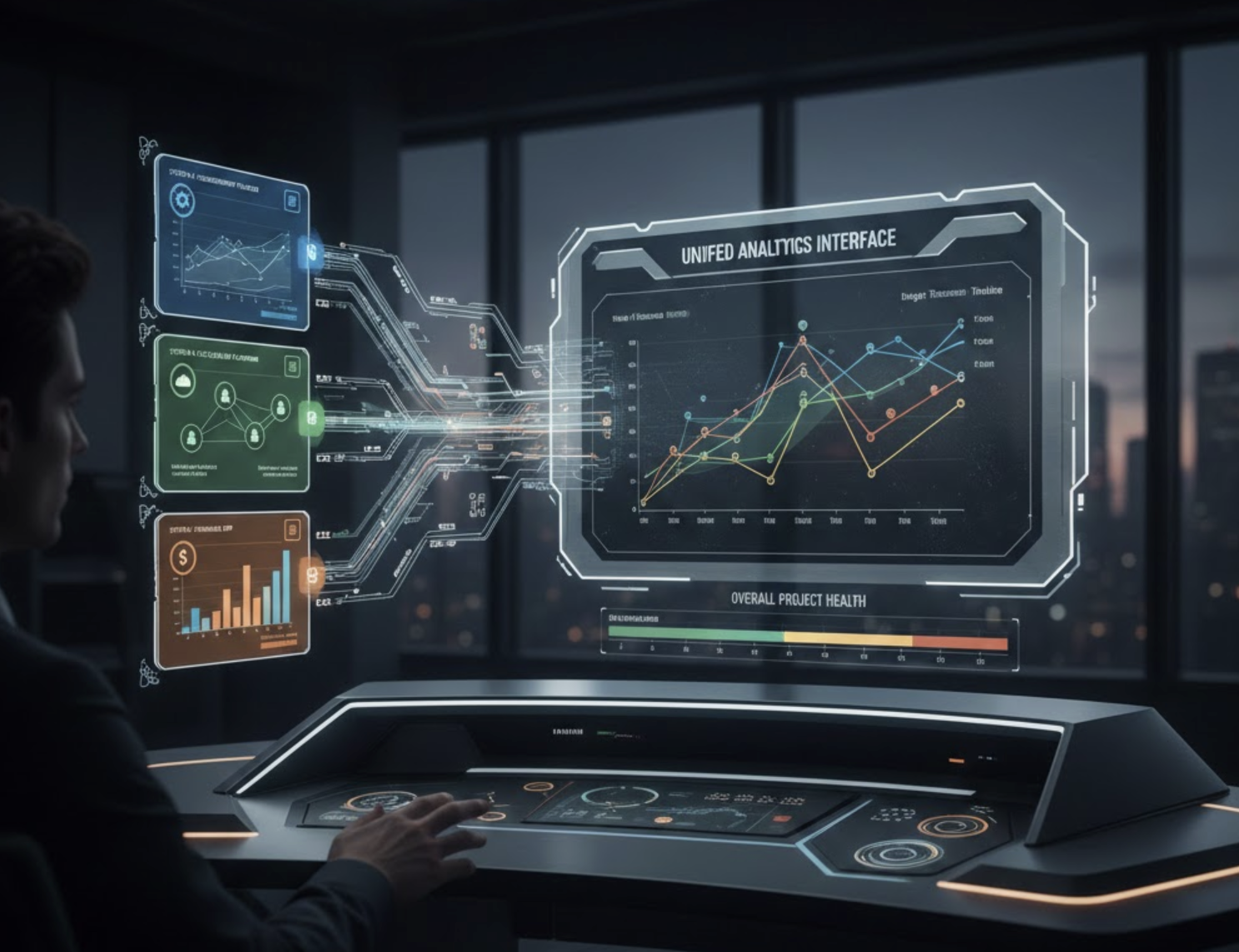

For decades, hotel management software and similar tools in Middle East construction meant a monthly cycle of Management Information System (MIS) reports—PDFs and spreadsheets cobbled together from site logs, planning tables, and finance ledgers. But as mega- and Giga-projects redefine pace and complexity, this static, lagging approach fails to keep up with the demands for real-time financial, operational, and asset oversight. To stay ahead in this high-stakes landscape, organizations need to move beyond the monthly MIS and embrace AI-powered, integrated, and live project intelligence platforms like Zepth Edge—the next generation of hotel asset management platforms and cloud-based hospitality management systems designed for today’s project scale and velocity.
Why Monthly Middle East MIS Is Now Obsolete
Traditionally, Middle East construction and hospitality organizations relied on monthly MIS reports—a patchwork of manually compiled updates from site engineers, planning and QS teams, procurement, and finance. Data lagged reality by weeks, dashboards were high level, and risks or claims became apparent only after damage was done. This approach simply cannot handle:
- Rapid project timelines: With Giga-projects like NEOM or Expo legacy developments, variations or delays escalate within days, not months.
- Market volatility: Fluctuating material and labor costs, regulatory changes, and HSE/environmental demands outpace monthly reporting cycles.
- Fragmented truth: Multiple Excel versions and disparate department reports create data conflicts—fueling disputes, errors, and misalignment.
Organizations still managing with monthly MIS often ask: Can real-time data actually improve profitability and reduce disputes in construction? The answer is a resounding yes—when data is captured digitally at source, synthesized across departments, and surfaced instantly to decision-makers, risks and overruns can be spotted early, addressed quickly, and capital managed for maximum impact. This is the promise of digital transformation in construction and hotel operations.
Drivers Demanding Real-Time, Data-Driven Project Management
The push to move beyond monthly MIS in Middle East construction comes from several directions:
National transformation agendas like Saudi Vision 2030, UAE Vision 2031, and Qatar National Vision 2030 call for digital government, efficient spending, and transparent governance. Investors and JV partners now demand audit-ready, near real-time data to validate claims, monitor ESG compliance, and approve critical variations or extensions. Tight lending terms leave little room for schedule or budget surprises.
Productivity and workforce constraints further underscore the need for integrated, live data. Construction productivity in the region remains low due to fragmented processes and manual workflows, while localization requirements and a complex supply chain leave little buffer for error. Cloud adoption across the GCC—with hyperscalers establishing regional data centers—has finally made it possible to put cloud-based hospitality management systems and AI asset management software at the heart of operations.
It’s no wonder that digital transformation in hospitality and construction is now a top priority. Real-time insights drive better financial control, faster response to market shifts, and more sustainable, data-driven management at every level—from site to the boardroom.
Moving from Static Reports to Live, AI-Driven Project Intelligence
So what does next-generation project management look like? The transition from monthly MIS to AI-powered, integrated platforms is marked by several key shifts:
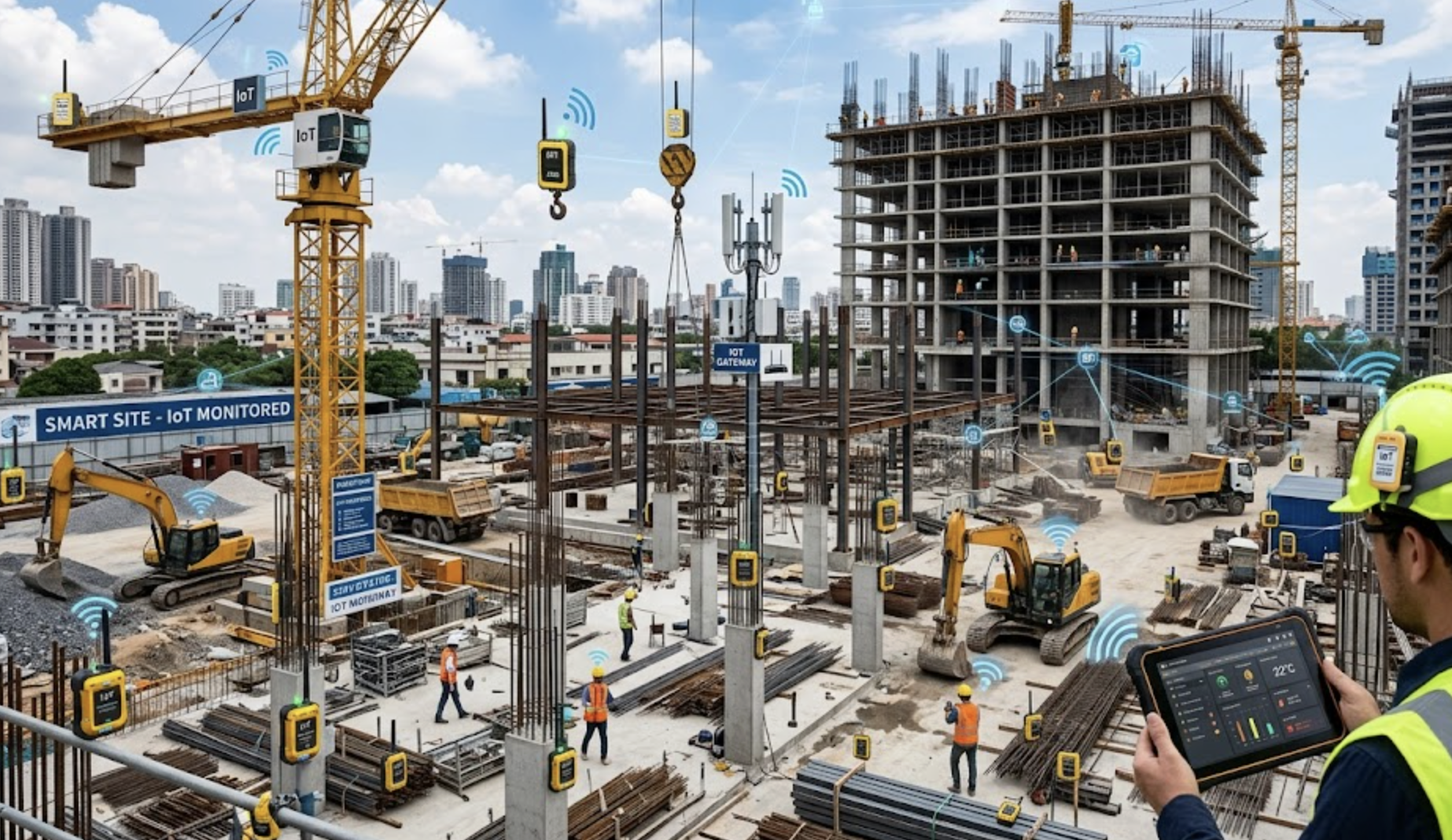
Live Data Capture and Integration: Instead of manually compiled reports, data is collected at source using mobile apps, forms, and IoT sensors—feeding into dashboards that update as activities occur. Metrics like earned value (EV), schedule performance (SPI/CPI), risk exposure, and open issues are refreshed daily or weekly, not just monthly.
Integrated, Multi-Domain MIS: Old approaches siloed cost, schedule, procurement, safety, and quality. Modern systems like Zepth Edge create a unified view where portfolio health, project controls, and risk are all connected—making it easy to see how a delay in one area impacts the schedule or budget elsewhere.
Predictive and Prescriptive Analytics: Today’s leading platforms—leveraging AI in hospitality and construction—move from descriptive “what happened” reporting to predictive “what’s coming” and prescriptive “what should we do next” analytics. Early warnings on schedule slips, cost overruns, or HSE incidents drive proactive intervention.
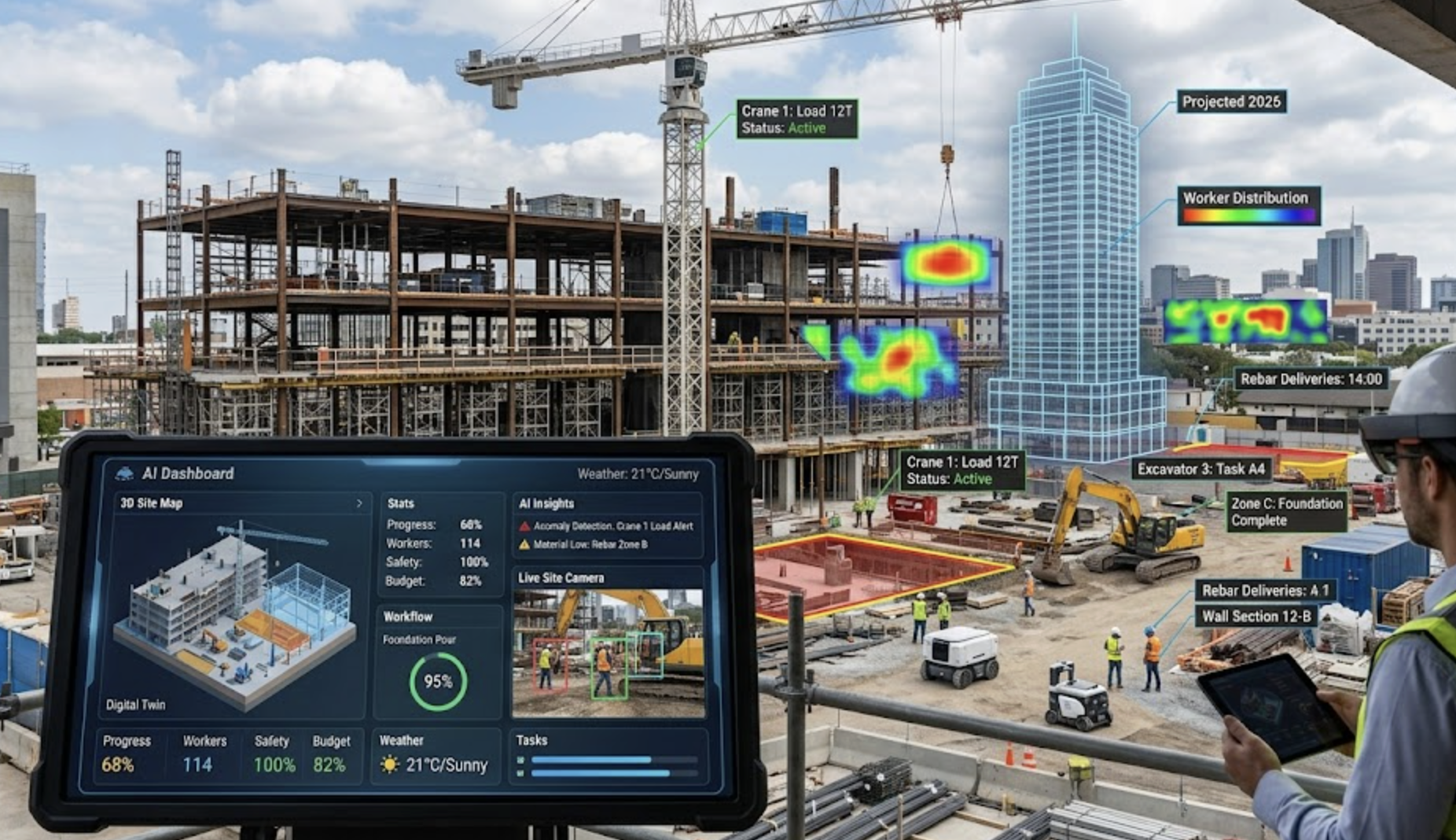
Role-Based, Self-Service Dashboards: Rather than static, one-size-fits-all reports, modern systems offer dashboards tailored for every stakeholder—executives, PMs, field engineers, commercial teams. These dashboards enable self-service, drill-down analytics right from the portfolio to the work package level. As organizations ask, What is the most effective way to monitor hotel financial performance in real time?, the answer increasingly lies in AI-driven dashboards that unify financial and operational views for instant clarity.
Real-World Use Cases: Moving Beyond Monthly MIS with Zepth
What does this mean for practical project management? The move to live, integrated MIS unlocks value across the organization:
Executive and Portfolio Oversight: Giga-project sponsors and owners need consistent KPIs and early warnings on risks across large, diverse portfolios. Zepth consolidates live data across projects into a single dashboard—standardizing metrics, surfacing portfolio-level threats, and replacing multiple, conflicting monthly MIS files with actionable, real-time intelligence. This means less time compiling reports and more time making informed decisions, a true advantage with AI-driven performance dashboards.
Project Controls: By integrating cost, schedule, and progress, Zepth enables instant earned value tracking and real-time deviation alerts. Instead of waiting weeks for progress confirmation, every site entry—via Zepth’s mobile forms—updates project controls, reducing rework and budget surprises. For organizations seeking to optimize CAPEX and OPEX, asking questions like, How can AI help reduce cost overruns in hotel projects? becomes crucial. Zepth delivers with its hotel CAPEX control software and comprehensive OPEX management tools, driving CAPEX efficiency of up to 30% and significant budget savings.
Claims and Risk Management: With structured, event-based logging, Zepth Edge creates an auditable record of every disruption, claim, or variation—timestamped, tied to relevant schedule and cost codes, and supported with photos, approvals, and related documentation. This hotel compliance and audit software makes forensic analysis and dispute resolution straightforward and fair, minimizing claims disputes and legal overhead.
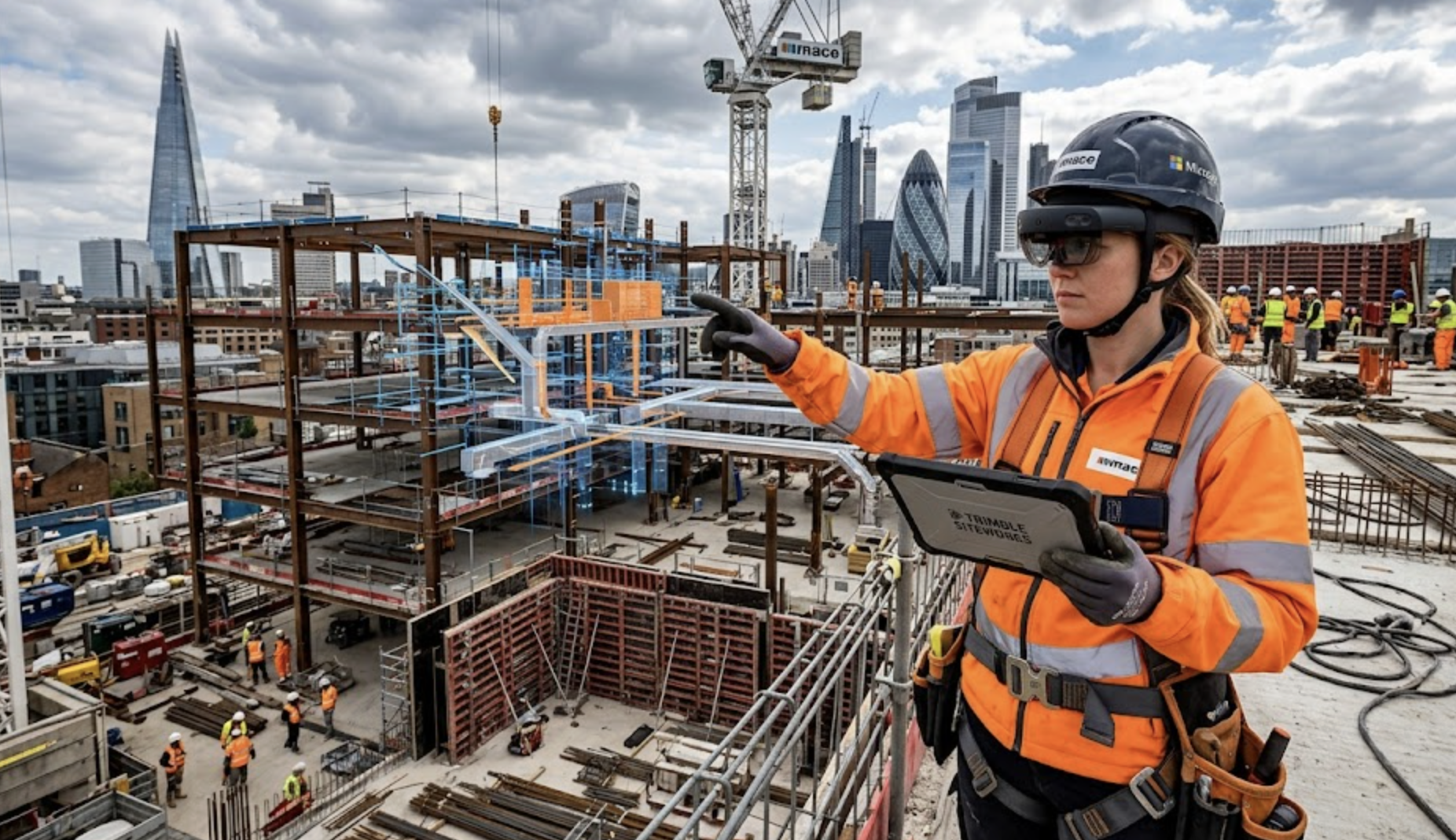
Field Operations, Quality, and Safety: Zepth’s digital site tools for quality and safety (QHSE) mean that inspections, snags, permits, and HSE observations are captured and reported in real time. Site and office teams monitor trends, incident metrics, and closeout performance live—enabling data-driven hospitality management and safer, higher-quality project delivery.
Key benefits across these use cases include:
- Unified, cloud-based single source of truth for all project and asset data
- Real-time portfolio performance monitoring and ESG integration
- Instant drill-down from executive summaries to field events and documentation
- AI-powered forecasts and prescriptive recommendations for resource allocation and risk mitigation
Technology Enablers Supporting Real-Time MIS
The core enabler for moving beyond monthly MIS is a new generation of integrated, cloud-based platforms—centralized data environments (CDE) that combine documents, live field data, workflows, and executive analytics. As a leading AI hotel automation platform, Zepth Edge acts as this intelligence layer, powering:
Automation and AI: Zepth leverages machine learning for pattern recognition in cost and schedule data, automated document classification, and anomaly detection, ensuring clean, reliable data for dashboards and executive summaries. This makes it possible to answer with confidence, What are the benefits of AI in hotel asset management? The benefits are tangible: increased uptime, reduced cost volatility, and proactive issue resolution, all driven by smart, automated insights.
Integration with Existing Systems: Zepth seamlessly connects with ERP solutions (SAP, Oracle), planning and scheduling tools (Primavera, MS Project), and even BIM environments—offering unified, 4D/5D analytics and reporting aligned with international best practices for smart portfolio performance management.
Best Practices for Transitioning Beyond Monthly MIS in Middle East Organizations
Strong Executive Sponsorship: Senior leadership must champion the shift to data-driven project management, setting clear standards for data quality and digital adoption. A robust governance framework—defining KPIs, roles, and data structures—ensures disciplined adoption across the business.
Standardized Data and Templates: Consistent coding structures, form templates, and KPI definitions enable cross-project comparison and scalable reporting—capabilities baked into Zepth’s platform.
Phased, Managed Change: Successful adoption begins with targeted pilots: focus on claims or risk management before scaling to full portfolio analytics. Intuitive interfaces and robust user training maximize field and office buy-in. Reporting requirements should be clearly defined in contracts and tied to real-time or weekly update cycles, recognizing the crucial role of digital platforms as the agreed system of record.
Emerging Innovations: Command Centers, ESG, and AI-Driven Decision Support
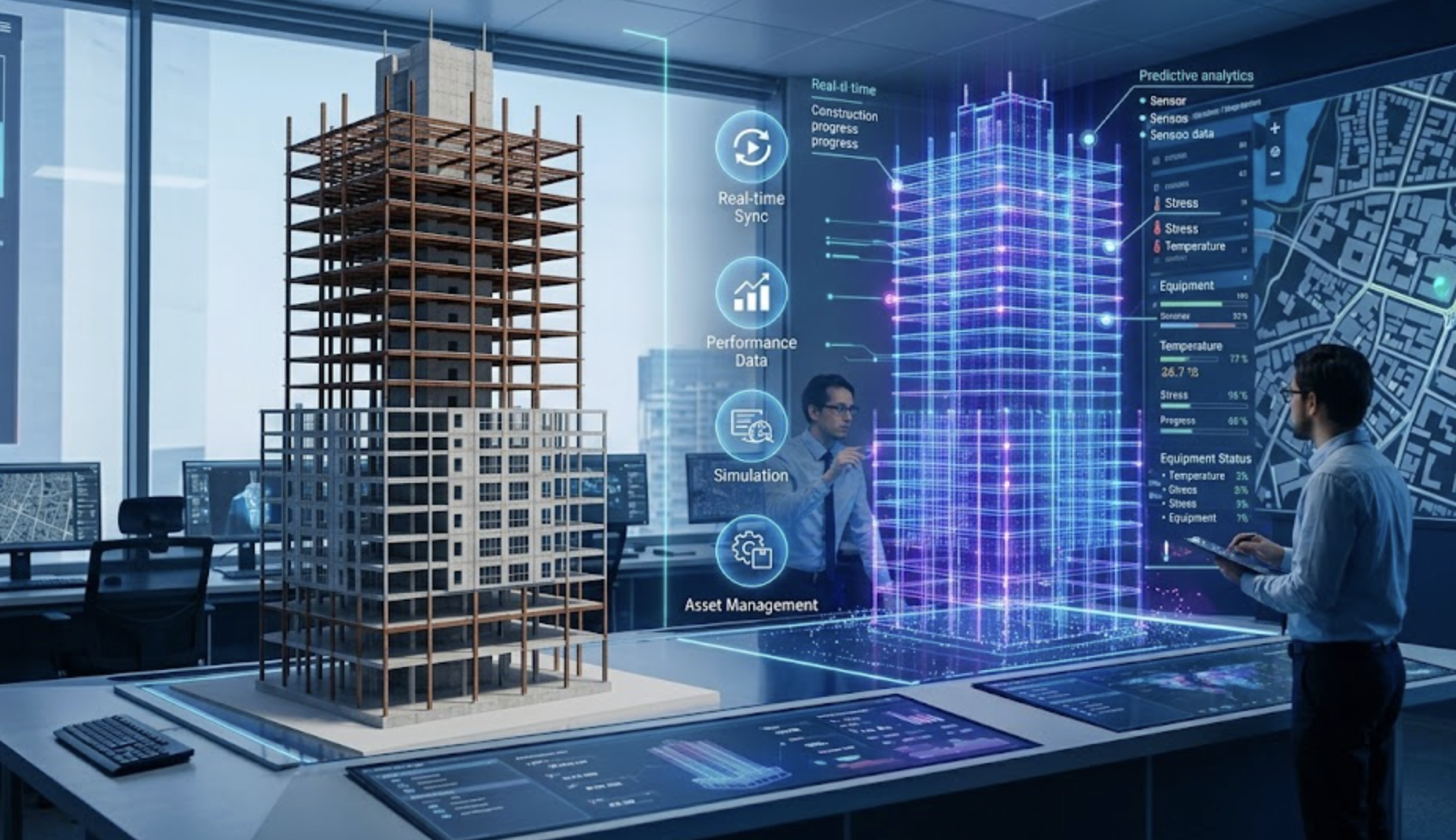
Giga-projects across the region are establishing control centers—multi-screen program offices with live dashboards fed by integrated project platforms like Zepth. These command rooms offer ministerial and board-level visibility, dramatically reducing issue resolution times and enabling agile responses to emerging risks.
The integration of sustainability, ESG, and carbon tracking within live MIS systems is another major leap forward, with Zepth leading the way in linking real-time project performance to green building and resource use metrics. Advanced AI capabilities are emerging, too, supporting decision-makers with scenario forecasting, systemic risk analysis, and optimized resource allocation across massive, multi-phase portfolios.
Zepth: The Strategic Enabler for Post-Monthly MIS Excellence
In summary, moving beyond static, backward-looking monthly MIS is now a strategic imperative for any Middle East owner, operator, or contractor facing the demands of mega-project delivery and international governance standards. Zepth Edge—as part of the Zepth ecosystem—places your organization ahead of the competition with:
- Unified project intelligence—from site to boardroom
- Real-time, AI-driven analytics and live performance dashboards
- CAPEX and OPEX efficiency, compliance, and risk management
- Quality, safety, and ESG integration for sustainable asset management
- Scalable deployment across projects, portfolios, and Giga-programs
Whether your challenge is rapid cost escalation, multi-stakeholder reporting, or unlocking the full value of your asset portfolio, Zepth’s AI-powered hospitality management platform gives you the intelligence edge. Transform how your teams collaborate, report, and make decisions—every day, not just every month.