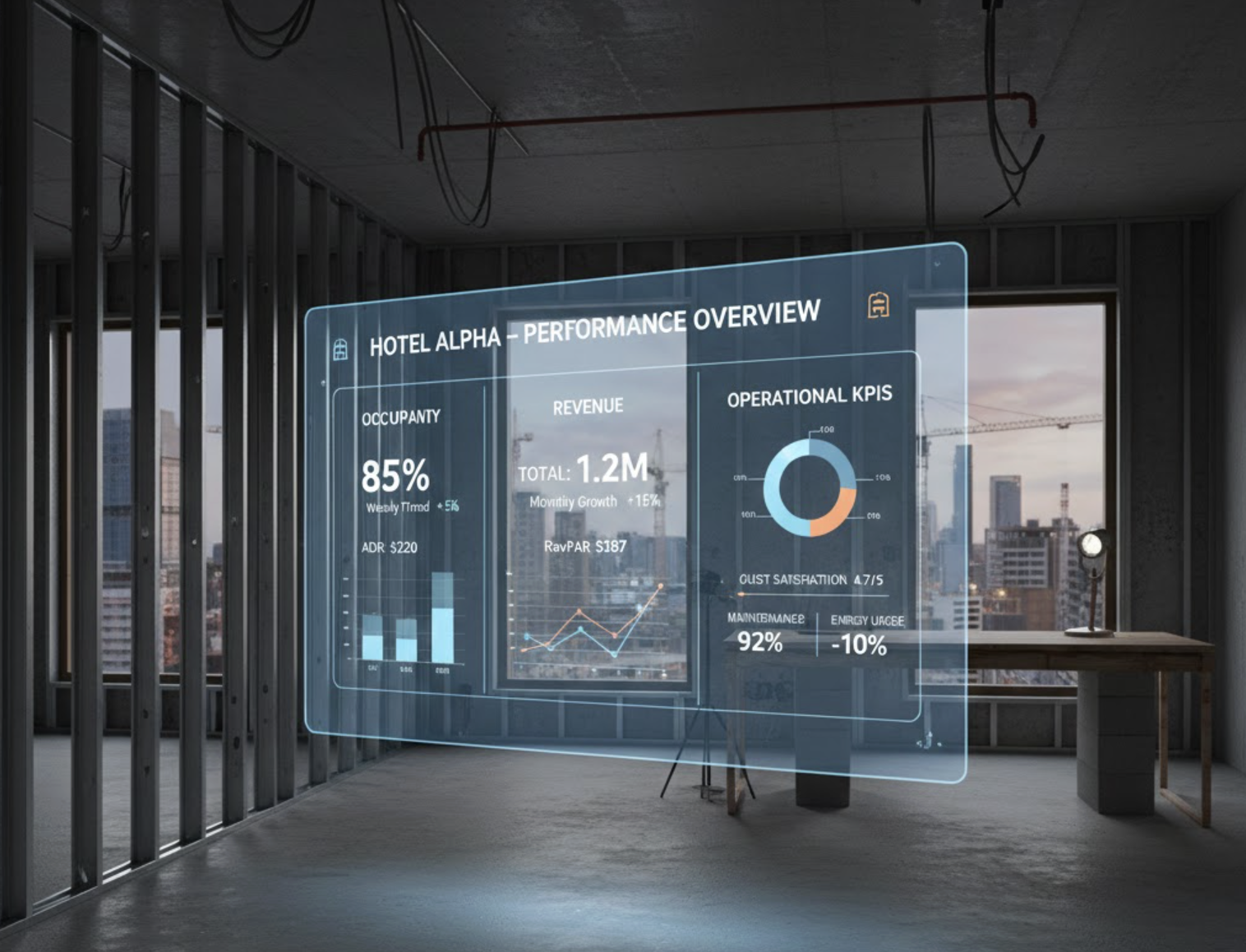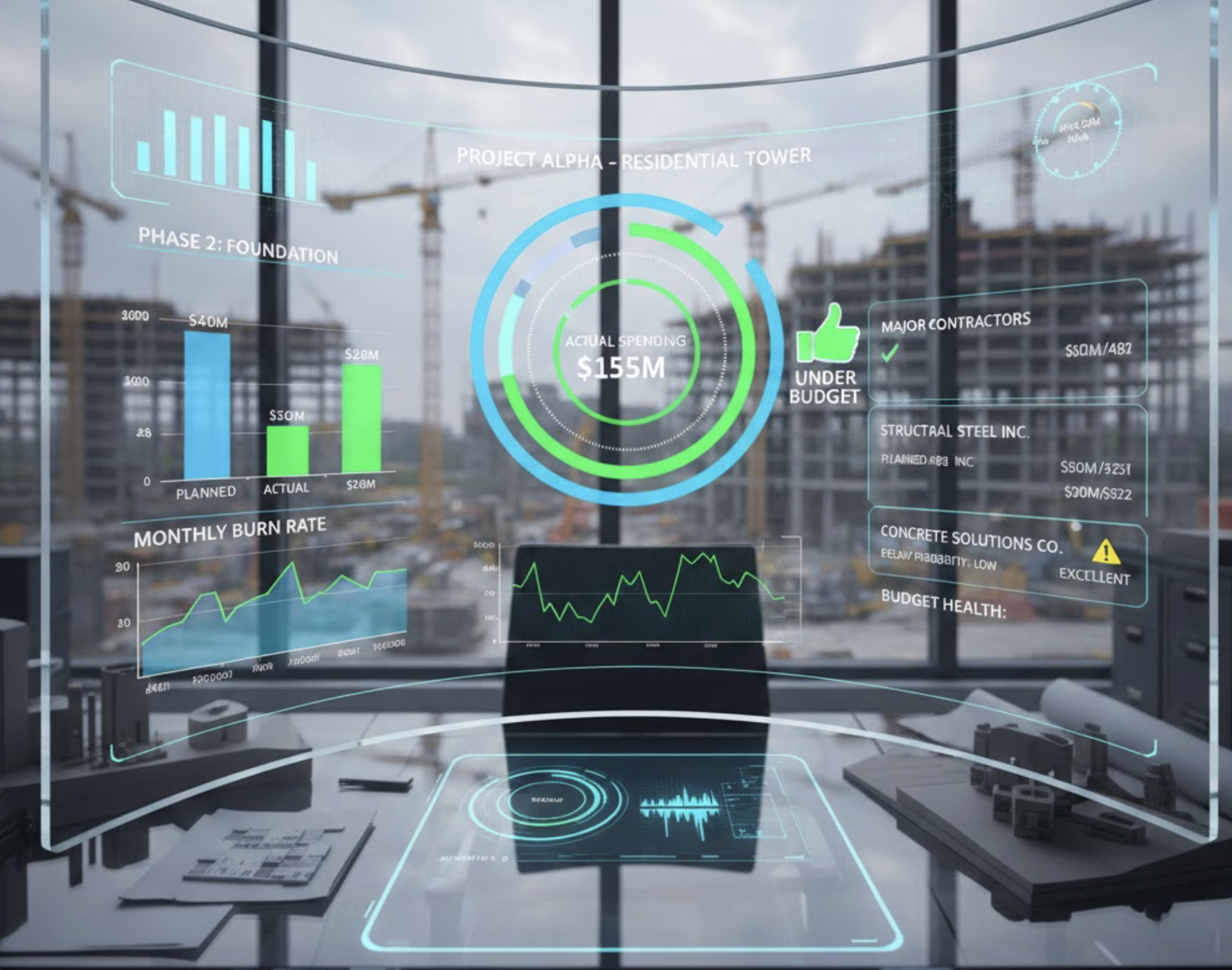

Integrated construction project management software is swiftly redefining how contractors, owners, and consultants manage everything from budgeting to risk. Financial workflows on jobsites traditionally have been manual, fragmented, and error-prone, often resulting in delays and costly overruns. As digital transformation sweeps across the construction industry, advanced construction financial management tools are not just streamlining cost control—they are empowering teams to forecast, analyze, and mitigate risks like never before.
Unified Financial Management for Construction—Why Integration Matters
Most project teams face challenges when financial data lives in silos: budget trackers in spreadsheets, invoices in email, and change orders in handwritten notes. This fragmentation limits visibility and leads to reactive decision-making. Modern construction cost control software solves this by centralizing all financial activities in one robust platform—invoicing, billing, expense tracking, and project forecasting, for seamless collaboration across stakeholders.
For example, Zepth Core, as part of the Zepth Ecosystem, serves as an integrated construction finance hub. The Project Cost Control module provides instant access to budgets, committed costs, change orders, and forecasts—all cross-linked with relevant documents, contracts, and approvals. This not only reduces administrative burden but anchors teams in real-time data, improving visibility into both current status and future exposure with construction forecasting tools. If a project manager wonders, “How do I keep track of project budgets and prevent overruns?”, leveraging integrated, cloud-based construction management platforms like Zepth Core gives them up-to-date answers at a glance.
AI Construction Platform—The Role of Artificial Intelligence in Financial Control
Artificial Intelligence is accelerating the digital transformation of construction finance management. Automated data extraction from invoices, predictive cost overrun alerts, and anomaly detection in procurement are no longer theoretical—they are the engine of AI-powered project management today. With Zepth Core’s advanced analytics and integration of AI risk management in construction, financial and operational decision-makers gain proactive, not just reactive, oversight.
AI’s applications in construction financials include:
- Automated approval routing for invoices and payments
- Identifying trends in expenditure and resource allocation
- Flagging irregular costs or duplicate entries before they’re paid
- Interactive dashboards combining cost, progress, and jobsite data
- Scenario modeling for budget adjustments and change orders
Imagine a team asking, “What are the benefits of using AI in construction financial management?” The answer: AI-driven construction management identifies risks before escalation, automates repetitive finance tasks, ensures smooth compliance, and unlocks strategic insights by turning mountains of raw data into quick, decisive action points. Zepth Core’s Insights & Analytics module delivers this intelligence directly to project dashboards, alerting teams to issues and surfacing real-time recommendations to improve project outcomes.
From Compliance to Forecasting—All-In-One Construction Submittal and Documentation Control
Accurate finance management in construction is inseparable from robust document and compliance workflows. Payment applications, change requests, statutory approvals, and final accounts all depend on timely, auditable records. A common data environment for construction, like Zepth Core’s Document Register and Construction Submittal Software, eliminates duplication, version confusion, and approval bottlenecks.
For those who ask, “Why is document management important in construction project tracking software?”, the direct answer is: complete, centralized document control streamlines compliance with construction regulations, shortens review cycles, and mitigates disputes. Zepth’s Authority Approval and Transmittals modules ensure every stakeholder accesses and submits the correct, latest forms, plans, or permits, and maintains a clear audit trail—bolstering fair payment and faster project closeout.
Transparent Risk Mitigation and Real-Time Construction Project Data
No discussion of integrated construction finance tools is complete without risk management. Project risk exposure—ranging from sudden material price hikes to safety violations—impacts finance more than nearly any other factor. Combining financial and risk registers in a single digital platform enables immediate identification, reporting, and mitigation action. Zepth Core’s Risk Register, Risk Reporting, and Mitigation Plans modules allow teams to log issues, assign follow-up, and track trends over time.
When someone asks, “How can construction technology help identify and manage risks?”, the practical answer is that technology, especially when enhanced with AI tools for construction, automatically flags budget deviations, unsafe spending patterns, and compliance failures for corrective action before costs spiral. This real-time monitoring, supported by AI construction automation, gives projects the agility needed in volatile markets.
Here’s how integrated risk and finance control bring value:
- Early warnings on budget or schedule variance
- Automated reminders to update risk or mitigation status
- Dashboards aligning safety, budget, and progress KPIs for compliance and performance monitoring
The Future: Smart Construction Management Tools for Sustainability and Beyond
The industry continues to shift from reactive fire-fighting to proactive lifecycle management. Future-ready construction analytics and insights platforms, like Zepth Core, connect BIM integration, digital twins in construction, and real-time field updates for a living view of both project and finance health. As sustainability moves higher on the agenda, integrated platforms will automate reporting on emissions, resource use, and regulatory compliance—critical for green building certifications and ESG goals.
AI construction platforms are now essential for scaling both productivity and expected standards across diverse project portfolios. Whether the question is, “How do I ensure sustainability in project financial planning?” or “What tools support real-time, cloud-based construction lifecycle management?”, the clearest path is an integrated solution that ties field data, documentation, finances, and AI-driven insights together—so critical decisions are made faster, compliance is always met, and profit is protected from start to finish.
The future of integrated construction finance tools is clear: intelligent, unified, and driven by actionable data from the field to the boardroom. Teams using solutions like Zepth Core not only manage their costs but transform financial workflows into a strategic advantage at every project phase. As innovation accelerates, those investing in these platforms today will outpace the competition and redefine what’s possible in the built world.