
Centralized dashboards have rapidly transitioned from a luxury to an essential tool in the landscape of UAE construction and hospitality management. Driven by ambitious national initiatives like the UAE Centennial 2071 and Dubai 2040 Urban Master Plan, the nation’s smart city vision demands real-time, integrated, and data-driven decision platforms. This new era brings the need for technologies—especially centralized, AI-driven dashboards—that support the scale and complexity of massive regional developments, hospitality portfolios, and intricate government projects. At the heart of this transformation, platforms such as Zepth Edge empower owners, operators, and managers with a next-generation hotel management software and portfolio management system engineered for the most demanding standards of the UAE market.
From Fragmented Data to a Single Source of Truth
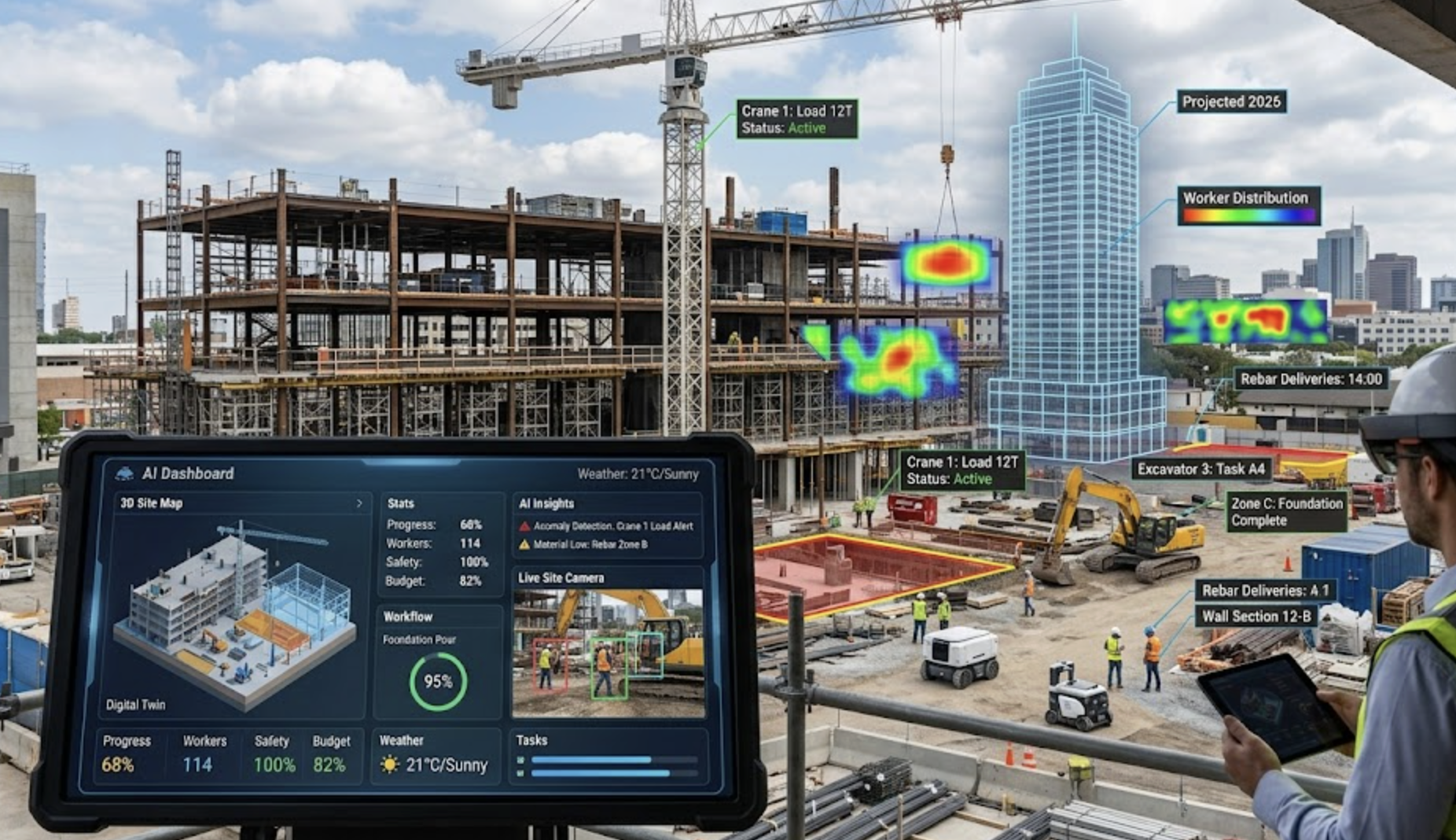
Legacy reporting practices—scattered spreadsheets, slide decks, manual updates—cause confusion, wasted hours, and misinformed decisions. In today’s pace of UAE construction, hospitality, and infrastructure, stakeholders cannot afford version conflicts, inaccurate reports, or slow escalations. A centralized dashboard replaces patchwork reporting with a single, real-time interface. By syncing live data from project management tools, finance systems, field apps, IoT sensors, and BIM platforms, it instills trust in data and accelerates action. Owners, contractors, consultants, and facilities teams collaborate on one platform, reducing disputes, audit complexity, and unproductive meetings.
What makes a dashboard “UAE-grade“? It must aggregate complex portfolios—multiple towers, mixed-use districts, or hospitality chains—while supporting both Arabic and English. Highly configurable for diverse client KPIs and regulatory needs, these dashboards connect to ERPs, BIM/CDEs, and project control tools, ensuring compliance and cloud-security in line with UAE mandates.
- Multi-project and program-level visibility across the entire portfolio
- Bilingual support with GCC and UAE-specific formatting
- Role-based, hierarchical dashboards for every stakeholder tier
- Fully integrated with existing planning, financial, and operations systems
- Cloud-based, mobile-ready interfaces with robust security and data residency compliance
For leaders asking, What is a centralized dashboard in construction?—it’s the digital command center: a constantly updated view of every cost, timeline, risk, and approval relevant to your project ecosystem, all accessible anytime, anywhere.
Core Elements of a “UAE-Grade” Centralized Dashboard
For hotel asset management platforms and hotel financial management software, as well as large-scale construction projects, the core dashboard elements are remarkably similar. Metrics must be live, granular, and comparable across assets or project phases. Essential dashboard modules include:
Project Controls & Performance Metrics: Real-time budget vs. actuals, cash flow S-curves, earned value metrics (CPI, SPI), and milestone tracking prevent budget overruns and delayed handovers. Predictive analytics and scenario modeling, especially when AI in hospitality is leveraged, forecast likely outcomes and alert teams ahead of issues.
Quality, Safety & Compliance: An effective dashboard shows trends in NCRs, HSE incidents, and inspection cycle times—essentials for UAE’s rigorous audit and regulatory climate. Confirmation of ISO and local compliance builds confidence with regulators and foreign investors alike.
Risk & Issue Management: A live heatmap of top risks and systematic tracking of unresolved issues ensures consistent focus on mitigation, keeping mega-projects and chained properties aligned with best practices in AI asset management software.
Supply Chain & Procurement Tracking: Sophisticated dashboards consolidate long-lead procurement tracking, sub-contractor performance, vendor payments, and material/logistics bottlenecks, all accessible in a few clicks.
When asked, What kind of KPIs are most important for construction or hospitality dashboards? Leading organizations track a blend of financial, operational, compliance, risk, supply chain, and ESG metrics. The ideal dashboard consolidates these for real-time benchmarking, executive summaries, and drill-down investigations.
UAE-Specific Use Cases Across Sectors
The true power of centralized dashboards becomes clear across diverse UAE development sectors. Mixed-use communities in Dubai, hospitality megaprojects tied to tourism, and national infrastructure like airports and ports—all demand the same high standard of data-driven management.
In hospitality and tourism projects, where immovable opening dates intersect with uncompromising guest experience standards, a hotel portfolio management system is indispensable. Real-time dashboards ensure seamless coordination between construction, FF&E, operations preparation, and vendor logistics. Transport sector dashboards integrate commissioning, safety, and phased handover data for smooth operations launch. PPP and government projects rely on dashboards for transparent, performance-linked reporting between public and private entities, cementing trust and facilitating contract compliance.
Across all these scenarios, platforms like Zepth Edge provide the glue: integrating data from varied sources, applying AI tools for hotels, and presenting insights that enable both daily operations and long-term strategic shifts. Stakeholders no longer need manual PowerPoint preparations before each steering committee; dashboards keep everyone informed in real time.
Another common question is, Can centralized dashboards help with sustainability and ESG tracking? Absolutely—smart dashboards increasingly embed ESG KPIs, allowing UAE developers and asset owners to monitor and report on energy use, safety, and social commitments, supporting the national drive toward sustainability and smart, green cities.
Best Practices for Implementing Centralized Dashboards in the UAE
A robust AI-powered hospitality management platform or construction dashboard doesn’t succeed on technology alone. UAE organizations should start with crystal-clear objectives aligned with investor, client, and regulatory priorities. Define a core set of KPIs relevant across all assets or projects—time to market, revenue, asset lifecycle, CAPEX/OPEX efficiency—then layer in project- or asset-specific metrics as needed.
Equally critical is standardising data governance: consistently applied WBS structures, naming protocols, and coding conventions. Define ownership for data entry and validation, and align reporting frequencies (daily, weekly, real-time) with contractual and operational cycles. Data accuracy is a foundation for trust and effective dashboarding.
Integration is another key factor—don’t rip and replace existing systems unless necessary. Instead, deploy dashboards that pull from incumbent ERPs, BIM models, OPEX/CAPEX management tools, and asset registers. This reduces resistance and speeds up ROI. Hierarchical role-based views address the needs of executives, PMOs, site supervisors, and field staff, ensuring every user sees relevant data and actions first.
User adoption rests on early involvement, role-focused training, simple how-to guides, and direct support. Link dashboards to regular meetings and reporting cycles to embed change. Of course, security and data residency—especially for government and high-value portfolios—require robust compliance, UAE-based hosting where needed, and tight access controls.
Innovations Shaping the Next Generation of Dashboards
The UAE’s leadership in digital transformation in hospitality and construction is anchored in rapid adoption of new technology. The latest centralized dashboards harness AI in hotel budget planning, predictive analytics for risk and delays, and advanced scenario modeling that flags issues before they escalate. Machine learning benchmarks performance against historical projects, suggesting contingency levels and resource strategies.
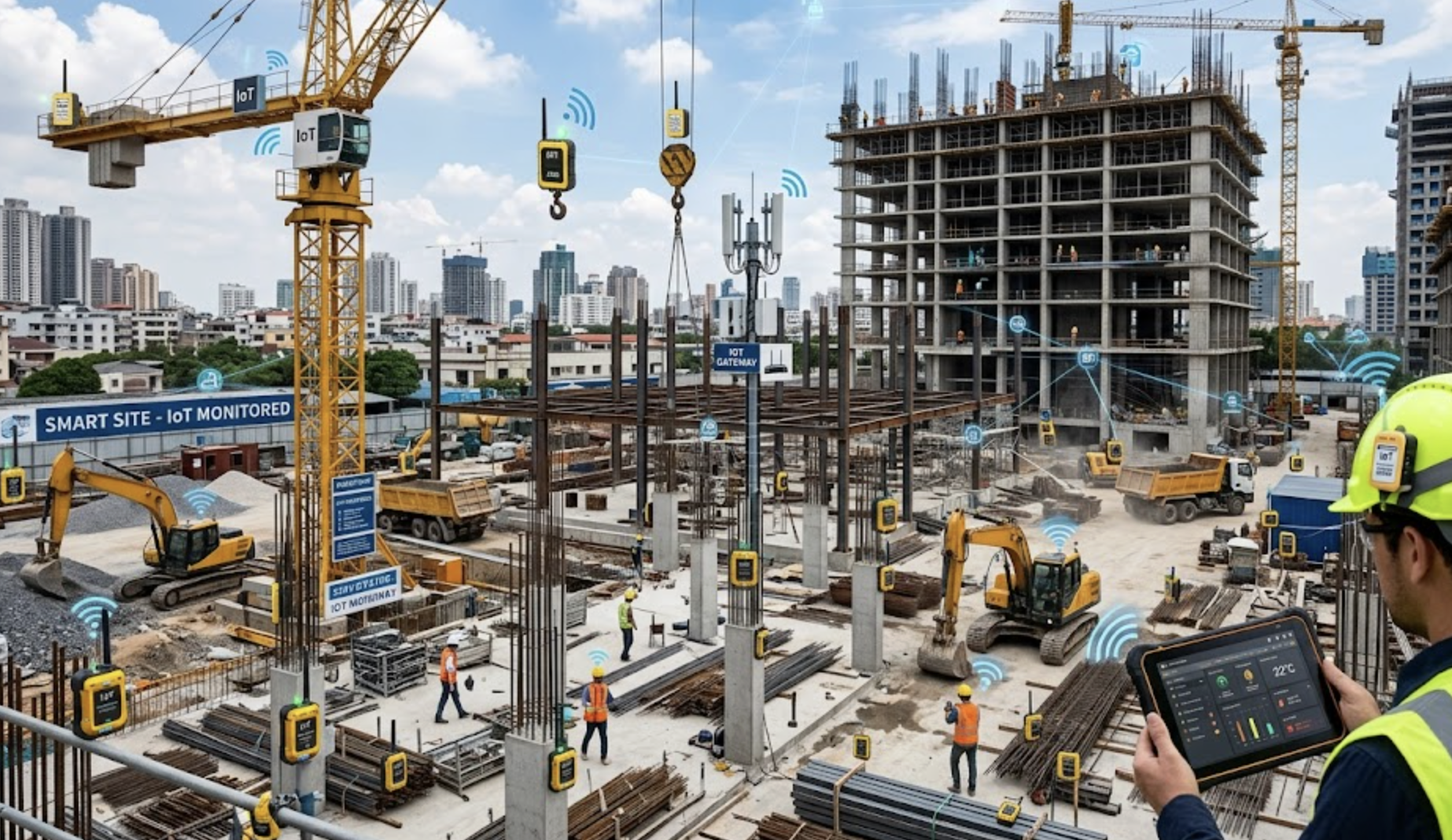
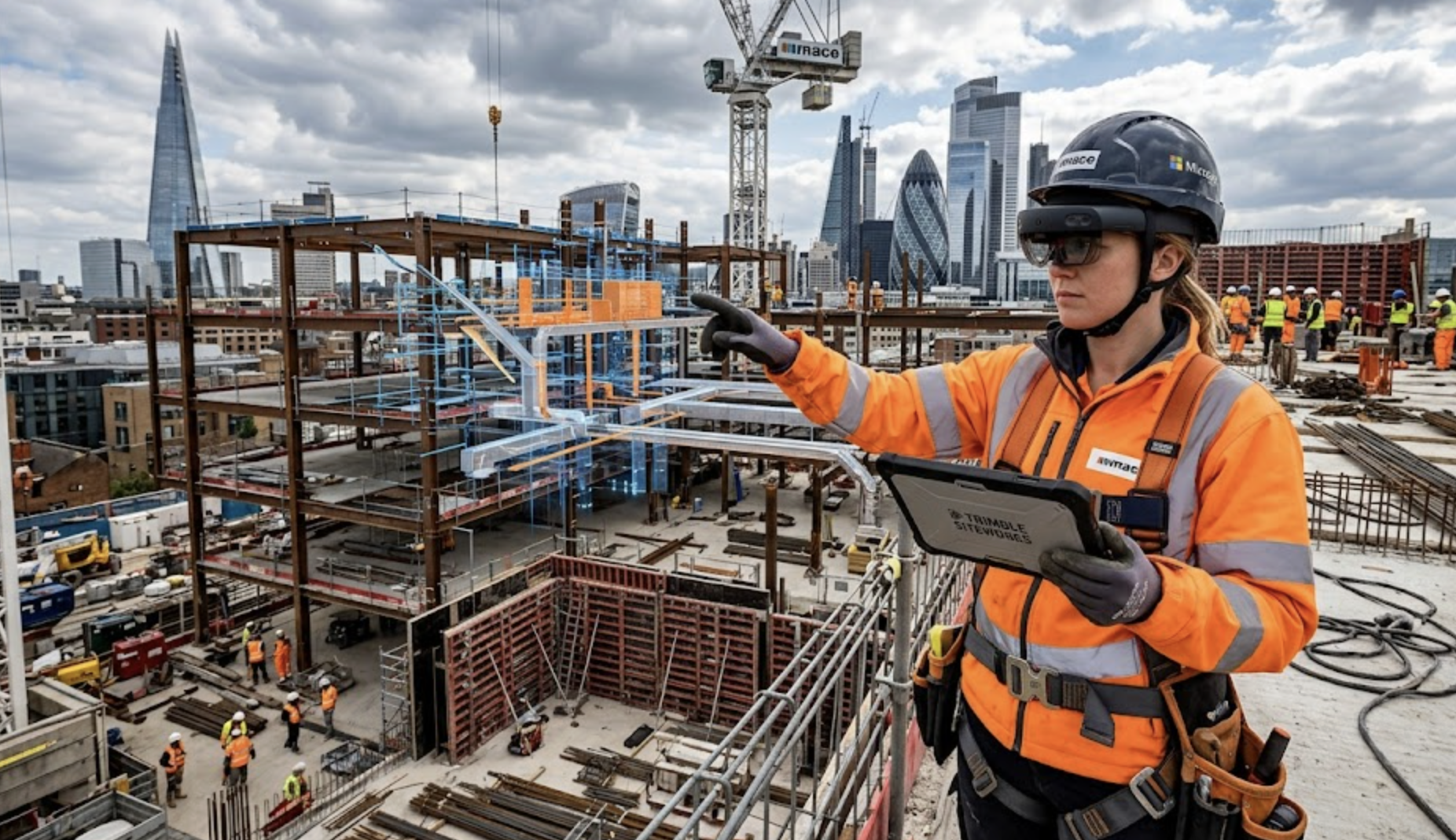
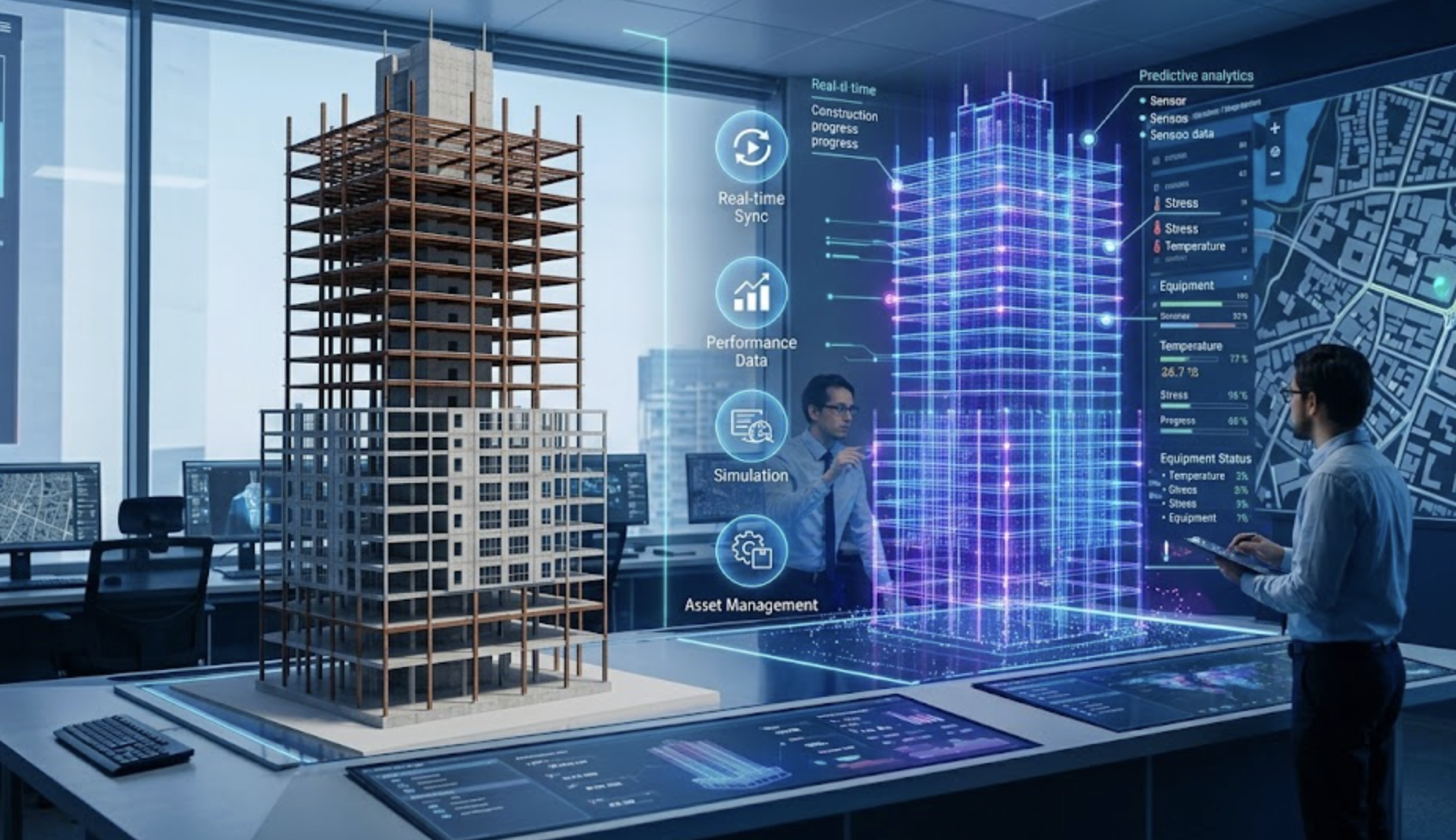
BIM-integrated dashboards visualize schedule progress (4D) and cost (5D) directly on the building model, aligning stakeholders where it matters most. Meanwhile, the rise of IoT and real-time site feeds ensures that equipment utilization, air quality, safety, and workforce attendance data stream into dashboards, supplying actionable intelligence for both compliance and productivity. The move to mobile, cloud-based hospitality management systems means supervisors, inspectors, or GMs can access live data from any site, even updating statuses and audits offline for later sync. This flexibility is especially crucial for UAE’s geographically distributed project portfolios.
A practical query that often arises: How does AI enhance hotel management platforms? AI provides real-time anomaly detection, revenue optimization, predictive maintenance for assets, personalized guest analytics, and smarter budgeting—turning data into instant, actionable insight for hospitality leadership.
How Zepth Operationalises the New UAE Standard
Platforms like Zepth Edge are purpose-built to embody and exceed the growing requirements for centralized, smart project management in the UAE. Zepth delivers a unified, construction and asset management platform with modules spanning financial controls, real-time MIS, CAPEX/OPEX management, asset registers, and AI-driven dashboards. The system is tailored for both contractors and hospitality owners, making it a true intelligence edge. For hospitality, Zepth Edge enhances profitability through 30% smarter CAPEX forecasting, 10% revenue growth via real-time insights, and 50% boost in asset uptime. Every module—from financial overviews, guest segmentation, budget, MIS reporting, through to operations and service—integrates into a single, cloud-based dashboard for actionable, compliant data.
Zepth’s dashboards are not “one size fits all”; highly configurable, they can be tuned to portfolio size, region, project, or ownership structure. Drill down from executive summaries to site-specific data, benchmark across towers or hotels, and consolidate everything from compliance trails to OPEX/CAPEX budgeting. Built for secure, cloud-based deployment with full mobile access, Zepth empowers UAE organizations to meet the new standard: real-time, collaborative, data-driven, and always audit-ready.
In the end, centralized dashboards are not just a trend but the backbone of the UAE’s smart construction and hospitality future. The nation’s ambitions demand efficiency, transparency, and innovation at world standards. With next-generation hotel operations management platforms like Zepth driving this change, organizations position themselves at the leading edge—not just compliant, but decades ahead.