
Hotel management software is increasingly vital as Saudi Arabia’s hospitality sector grows at unprecedented speed. With national targets set by Vision 2030, hoteliers are seeking solutions that blend growth with environmental responsibility. AI for hotel operational sustainability sits at the crux of this transformation—allowing properties to meet ambitious ESG objectives without compromising guest comfort or profitability. Let’s explore how AI reshapes the operational paradigm, why “AI-ready” infrastructure matters from design to daily operations, and how Zepth Edge—an advanced hotel asset management platform—empowers Saudi hotels to lead in sustainable hospitality.
Saudi Arabia: A New Era for Hospitality and Sustainability
Saudi Arabia’s Vision 2030 has amplified the demands on every hotel operator and developer. Ambitions like 150 million tourists annually by 2030 and a 10% GDP contribution from tourism have triggered vast investments in giga-projects such as NEOM, Red Sea Global, and Diriyah. Major international brands, including Marriott, Hilton, and Accor, are aligning local properties with global sustainability goals—carbon and water intensity metrics are watched as closely as occupancy rates. At the same time, the Saudi Green Initiative and Middle East Green Initiative commit the Kingdom to slashing emissions and increasing renewable energy use, making resource efficiency and low carbon footprints non-negotiable priorities.
Increasing pressure from investors, regulators, and guests has made hotel financial management software and cloud-based hospitality management systems more important than ever before. These tools must now do more than track revenues and costs—they must enable actionable ESG reporting and foster operational resilience. For Saudi properties, operational sustainability means reducing energy, water, and waste across sprawling, luxurious, and often highly climatized environments.
What AI-Driven Sustainability Means for Hotels
The next generation of hotel portfolio management systems leverages AI in hospitality to balance resource efficiency with world-class guest experiences. AI models absorb real-time data from building systems, IoT sensors, PMS, and BMS/BAS platforms, offering these key advantages:
- AI-powered hospitality management systems optimize HVAC, lighting, and hot water, slashing unnecessary use while preserving comfort.
- AI asset management software predicts and prevents equipment breakdowns for higher uptime.
- Smart hotel management tools anticipate occupancy patterns and adapt services accordingly, improving productivity and reducing waste.
- AI hotel automation platforms provide deep analytics for accurate sustainability reporting and forecasting.
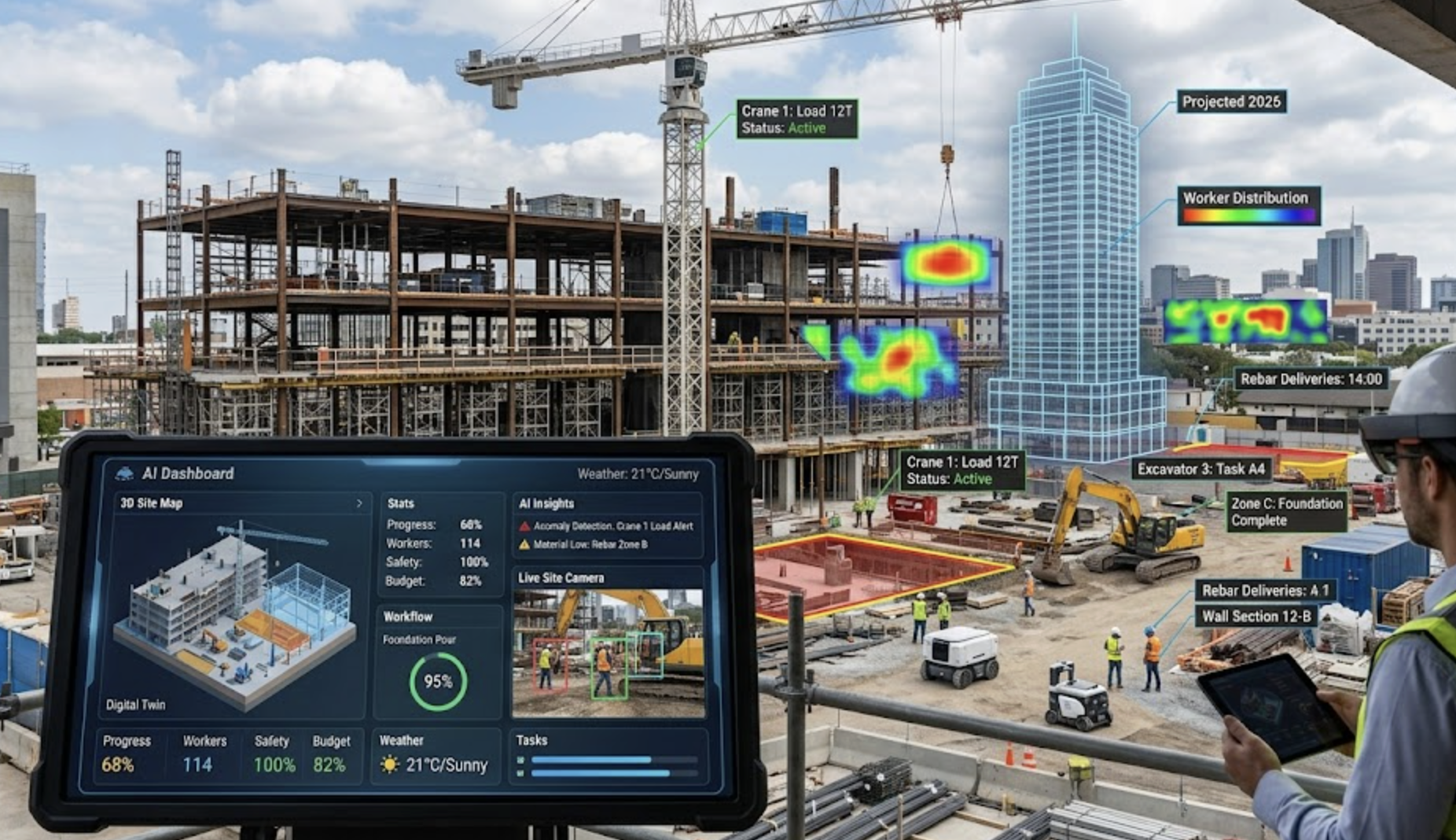
- AI-driven performance dashboards allow stakeholders to see emissions, costs, and operational trends across entire portfolios in real-time.
Imagine a guest asking: “Can AI make hotel operations more sustainable?” Absolutely. AI enables hotels to make data-driven decisions that cut resource waste and carbon emissions while automating manual, error-prone processes. This not only reduces environmental impact but also supports compliance, reputation, and bottom-line results—crucial in highly scrutinized markets like Saudi Arabia.
Energy Optimization and Emissions Reduction: AI at the Heart of Sustainability
Hotels rank among the most energy-intensive commercial buildings, often using 200–400 kWh per m² yearly. In Saudi Arabia, energy demand spikes with extreme heat, as nearly 60% of consumption in many properties goes into cooling. AI-powered building management systems (BMS/BAS) transform this challenge with smart analytics, not static schedules. Machine learning models use historical and sensor data to predict occupancy, local weather, and energy costs, adjusting HVAC setpoints, fan speeds, and lighting in real-time for optimal efficiency. The result—up to 30% savings on HVAC energy in large facilities.
Traditional BMS platforms rely on rigid rules and may overlook simultaneous heating and cooling or miscalibrated sensors. AI-driven hotel management eliminates these inefficiencies by learning from usage trends and flagging anomalies. At the operator level, hotel CAPEX control software lets property managers track the financial impact of different operational choices, while hotel OPEX management tools target day-to-day expense optimization.
For hotels asking, “How can AI help reduce electricity bills and carbon emissions?”—the answer lies in data-guided demand management. AI forecasts peak loads, automates load shifting, and integrates with renewables and storage solutions, maximizing on-site energy while minimizing costs and emissions. These capabilities are especially relevant as Saudi Arabia’s grid adopts dynamic tariffs and expands solar generation, empowering hotels to synchronize with sustainable energy production.
Water Efficiency and AI-Powered Operations
Saudi hotels often face water scarcity and high costs, with usage ranging from 300 to 800 liters per guest-night. AI optimizes not just energy but also water systems—integrating IoT sensors, smart meters, and predictive analytics for comprehensive control. AI models monitor live consumption data, quickly detecting leaks or excessive use across guest rooms, laundry, kitchens, and irrigation systems. Consider a user’s question: “What tools help hotels save water sustainably?” Modern hospitality analytics and insights platforms leverage AI to recommend efficient irrigation schedules, adapt laundry programs to occupancy patterns, and nudge guests toward towel and linen reuse—without sacrificing service.
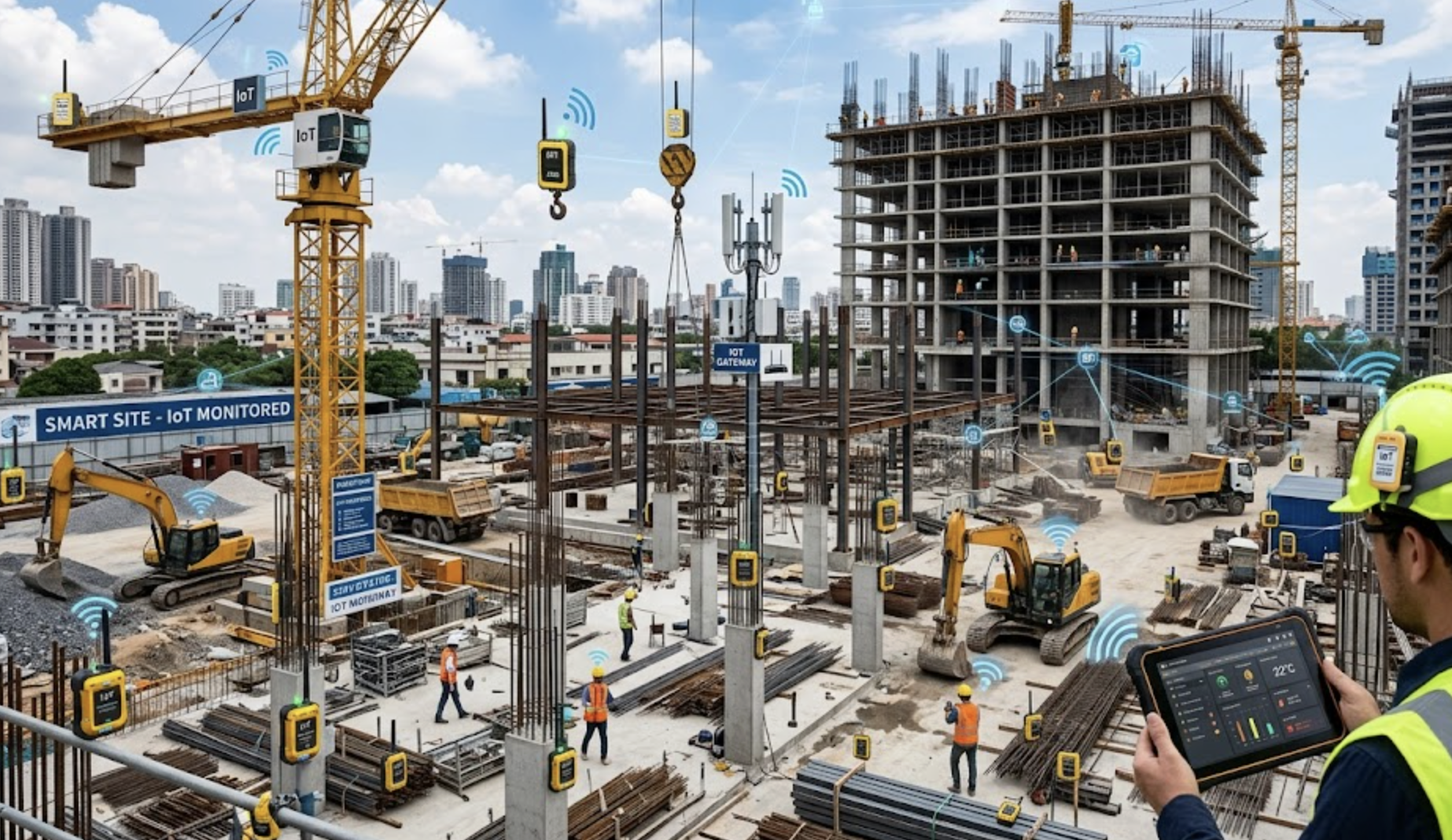
Zepth steps in early, ensuring the correct installation and integration of smart meters and water-saving fixtures during construction. Asset lifecycle management for hotels depends not only on smart technology but on the foundational build quality, which platforms like Zepth guarantee through robust coordination, inspection workflows, and compliance audits. This foundation enables seamless deployment of advanced AI systems for ongoing water and resource efficiency.
Waste Management, Circular Operations, and Predictive Maintenance
Hotels generate substantial amounts of solid, food, and packaging waste, as well as hazardous materials like chemicals and e-waste. AI tools for hotels analyze waste streams with computer vision and machine learning to predict demand, optimize procurement, and automate sorting for recycling. For example, AI-based analytics can cut food waste by 30–50% by tracking what’s discarded and recommending smarter purchase and preparation strategies. Intelligent waste management doesn’t stop at operation; Zepth enables tracking and minimization of construction-phase waste, providing accurate baselines for lifecycle sustainability metrics and green building certifications.
Predictive maintenance, a hallmark of AI in hotel budget planning, also delivers significant sustainability gains. Sensors on critical equipment—chillers, AHUs, pumps—feed AI models that detect anomalies and predict failures. This proactive approach reduces unplanned downtime by up to 40% and maintenance costs by 10–15%. Zepth contributes through rigorous commissioning documentation and asset data capture, ensuring future AI-driven maintenance programs have the data required for accurate predictions and effective interventions. Over time, this extends asset reliability, lowers lifecycle costs, and reduces environmental impact from premature replacements.
Guest Experience, Behavioral Sustainability, and AI-Ready Infrastructure
The Saudi luxury context means guest comfort is paramount, but sustainability need not mean compromise. AI-powered hotel management systems personalize room controls and nudge guests toward sustainable choices—offering in-room feedback on eco-modes, recommending local green experiences, or incentivizing behaviors like skipping unnecessary housekeeping. All of this requires robust infrastructure: integrated BMS, PMS, IoT, and digital handover processes.
Zepth doesn’t just enable hotel operations, but ensures from the outset that properties are authentically “AI-ready.” Its digital handover, central documentation, and construction quality modules lay the groundwork for future innovation—integrating all MEP, IT, and connectivity essentials so guest-facing AI can operate seamlessly. Behind the scenes, hotel compliance and audit software powered by Zepth supports ESG requirements, with traceable records to expedite sustainability certification or investor due diligence.
ESG Reporting and Saudi-Specific Innovation
Hotel portfolios in Saudi Arabia must meet not only the Saudi Green Initiative but also international reporting standards such as GRI, SASB, and TCFD. AI collates and analyzes portfolios’ energy, water, waste, and emissions footprints—tracking real-time hospitality data analytics across properties, benchmarking performance, and highlighting anomalies for correction. Smart portfolio performance management platforms, like Zepth Edge, automate data aggregation and produce dashboards that guide strategy and compliance for both operators and investors.
The Kingdom’s high cooling loads and surging solar generation make it a hotbed for innovation. Giga-projects at NEOM or the Red Sea are adopting district-level AI for hotel lifecycle optimization—coordinating not only single hotels but entire resorts for peak efficiency. As these set the benchmark, AI-enabled sustainability will become an expectation for all market participants.
Hoteliers may ask, “How critical is technology for sustainability in new Saudi hotels?” Technology is indispensable—especially as complexity grows. Platforms harmonizing financial, operational, and ESG data are essential for futureproofing today’s projects for decades of sustainable performance. Zepth’s structured workflows, audit trails, and real-time project insights ensure new assets are built to enable—not hinder—advanced digital and AI integration.
Best Practices for AI-Driven Hotel Sustainability
Deploying next-generation hospitality platforms for operational sustainability involves more than simply installing technology. It requires strategic planning from design through operations. Here are proven best practices for Saudi hotels:
- Define clear KPIs—energy and water intensity reductions, waste diversion targets, maintenance cost and uptime metrics.
- Plan at the portfolio level—standardize data platforms, analytics, and dashboards while customizing at the property as needed.
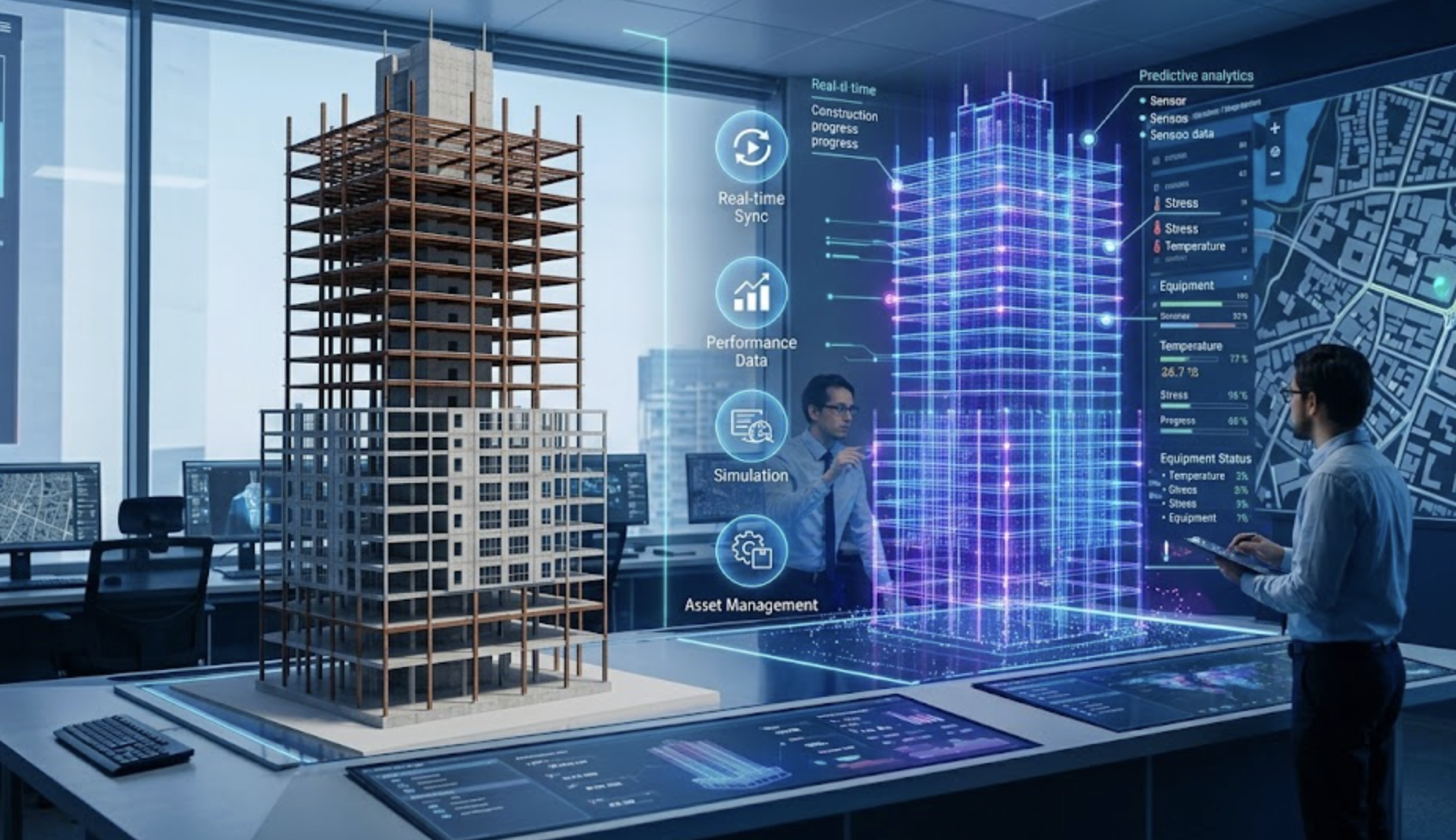
- Design in data and digital twin readiness from day one—embedding IoT, BMS/BAS, and accurate BIM models.
- Pilot before scaling—validate ROI for AI energy or water management in a flagship property, then expand gradually.
- Empower facility teams through training—so managers can interpret and act on AI recommendations.
- Communicate sustainability impacts to guests—through apps and signage, reinforcing the value of smart, sustainable operations.
- Keep improving—continuously refine AI models and operational protocols as new technologies or operational challenges emerge.
Platforms like Zepth are essential at each phase—coordinating stakeholders, capturing and validating data, and leaving a robust, actionable trail from handover through daily operations.
The Zepth Edge: Empowering AI-Ready, Sustainable Hotels
AI’s impact on operational sustainability in Saudi hotels begins well before a guest ever checks in. Zepth quickly becomes the backbone for hotel financial tracking software, sustainability certification, and seamless turnover to advanced AI systems. Its platform provides a central source of truth for financial, asset, and operational data, making it easier for operators to leverage AI for continual optimization. Proper commissioning, complete asset documentation, and reliable as-built records ensure that post-opening, hotels can immediately deploy cloud-based hospitality management systems that unlock genuine value.
For developers, Zepth Edge enables hotel CAPEX optimization and streamlines complex project delivery, reducing lifecycle carbon and cost exposure. For operators, it secures operational excellence through visibility, compliance, and actionable intelligence, driving performance across every property. And for owners and investors, it delivers the transparency and control needed to position hospitality portfolios as world-class, sustainable assets.
AI for Saudi hotel operational sustainability isn’t a distant vision—it’s a practical, high-ROI approach. By integrating robust asset management, financial forecasting, and ESG compliance into the construction and operational lifecycle, forward-thinking hotels are meeting international standards and local expectations simultaneously. Zepth is ready to power Saudi Arabia’s hospitality sector into its next era—smart, sustainable, and globally competitive from day one.