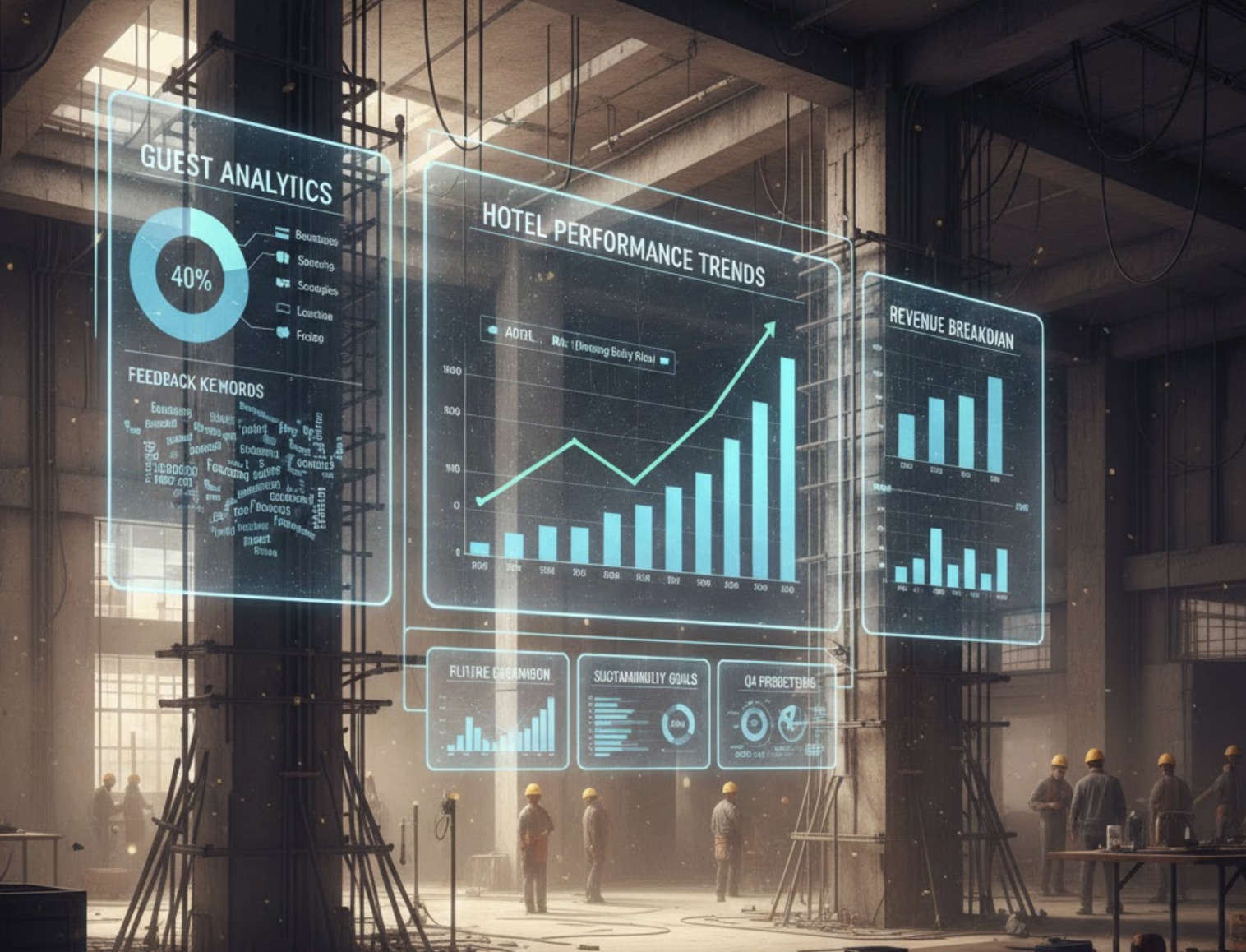

Competition in the hospitality industry has never been more intense—and at the very core of success is the adoption of next-generation hotel management software. From guest personalization and seamless digital journeys to operational automation and sustainable asset management, these hotel platforms are building a strategic divide in the industry. What separates innovation leaders from the laggards? The answer isn’t just about technology, but the orchestration of data, AI, partnerships, and the very way hotels are constructed, opened, and operated. Here’s an in-depth look at the DNA of next-generation hospitality platforms, and why Zepth’s ecosystem—especially Zepth Edge—is critical for brands aspiring to lead.
Why Next-Generation Hospitality Platforms Are Essential Now
The hospitality landscape is in perpetual motion, powered by three forces: rising guest expectations, increasingly complex competition, and a data/technology revolution. Today’s guests expect the same personalized, frictionless experiences found in leading e-commerce and streaming platforms. Surveys consistently reveal that most guests now demand omnichannel, tailored interactions—on mobile, online, and in person. With a majority of travel bookings now digital and nearly half executed via mobile, hotels face pressure to deliver seamless, tech-enabled journeys from booking to check-out.
Meanwhile, intense competition and tight margins—from OTAs, short-term rental platforms, and alternative spaces—require operators to differentiate and capture more direct bookings. Technologies like AI, cloud, and IoT are enabling the hotel portfolio management system to evolve from patchwork legacy tools into a connected, cloud-based hospitality management ecosystem. This technology transformation also impacts how new hotels get designed, constructed, and delivered: smarter, more connected construction management platforms like Zepth now underpin the creation of hotels engineered for digital operations from day one.
Defining a Next-Generation Hospitality Platform
A next-generation platform is not just upgraded hotel financial management software; it is a modular, data-driven operating framework that unifies property management, analytics, guest engagement, and third-party connections. Think of it as a cloud-based nervous system for a hotel brand—capable of orchestrating guest profiles, occupancy, procurement, asset lifecycle management, and more. These platforms leverage real-time hospitality data analytics, artificial intelligence, and open APIs to integrate tools for OPEX and CAPEX control, IoT, marketing automation, and beyond.
Key attributes of these platforms include:
- Composable, modular architecture—adding or upgrading features without overhauling the whole system.
- Unified guest and asset profiles—consolidating data from all sources for a single, actionable view.
- Open integration—seamless connection with OTAs, channel managers, payment gateways, and smart building systems.
- Scalable, cloud-native infrastructure—supporting global, seasonal, and rapid onboarding needs.
Why do hotels need these next-gen platforms? Ultimately: to achieve higher revenue per available room (RevPAR), increase direct bookings, enhance operational efficiency, and maximize guest lifetime value (LTV). For owners and operators, advanced hotel asset management platforms provide portfolio foresight and reliable, real-time controls over financial and physical resources.
What is the difference between a traditional PMS and a next-generation hospitality platform? While legacy Property Management Systems (PMS) tend to be siloed and process-driven, next-generation platforms are data-driven, connected, and designed to orchestrate the entire guest journey along with back-of-house operations and asset performance.
Leaders vs. Laggards: Core Differentiators in Hospitality Platforms
Technology Integration and Data Layer
Leaders deploy full-stack, cloud-native hotel operations management platforms built on open APIs and modular microservices. Their unified data layers facilitate seamless flows from booking and guest requests to CAPEX/OPEX control and real-time financial dashboards. System integration—traditionally a major pain point—becomes a strategic advantage: property management, CRM, F&B, maintenance, revenue, and even construction/renovation data feed into one ecosystem. Laggards, in contrast, limp along with on-premise legacy systems, siloed functional tools, and limited reporting abilities—resulting in duplicate work, batch updates, and slow responses to operational issues.
AI, Analytics, and Personalization
Market leaders harness AI-powered hospitality management to build unified guest profiles, enabling dynamic pricing, targeted offers, and predictive service. Their AI tools for hotels power demand forecasting, asset reliability monitoring, and smart segmentation. With real-time analytics and AI-driven hotel management dashboards, they transform guest data into actionable insights. Laggards, by contrast, are trapped in manual spreadsheets, generic marketing, and reactive pricing, with little ability to predict guest needs or operational risks. Research shows that hotels using advanced revenue management achieve up to 7% higher RevPAR and more efficient cost controls thanks to hospitality forecasting tools.
How can hotels personalize guest experiences using AI? By analyzing guest data (booking history, preferences, behavior), hotel platforms can automatically tailor offers, communication timing, and in-stay services—resulting in better conversion rates and improved loyalty.
Guest Journey Orchestration
What guests experience on property is often the most visible differentiator. Winners deliver end-to-end, digitally enabled journeys—mobile check-in/out, digital keys, contactless payments, unified messaging apps, and in-room automation. Their platforms orchestrate every part of the guest lifecycle (from discovery to post-stay engagement), increasing satisfaction and capturing richer data for further personalization. Laggards lag behind with slow, fragmented processes, manual paperwork, and disconnected touchpoints. Recent surveys reveal that three-quarters of guests expect (and prefer) mobile-first self-service options, which are only possible on next-gen platforms.
Operational Automation and Asset Management
Next-generation hotel CAPEX control software and hotel OPEX management tools empower leaders to automate workflows—housekeeping, maintenance, procurement, and financial approvals. They implement AI asset management software and IoT-enabled room management for predictive maintenance, driving down costs while boosting reliability and guest comfort. By contrast, laggards rely on manual logs and paper-based processes, with slow, error-prone response to issues. In the context of construction and development, platforms like Zepth Edge are critical allies. By providing integrated CAPEX tracking in hospitality, asset lifecycle management for hotels, and robust hotel financial tracking software, they create a foundation for operational excellence before the hotel even opens its doors.
What are some key benefits of digital hotel asset management? Real-time asset condition monitoring, efficient replacement planning, transparent disposal processes, and audit-ready compliance are just a few. These help minimize downtime and extend asset value.
Platform Ecosystems, Partnerships, and Sustainability
Leaders treat their hotel platform as an open ecosystem—partnering with technology vendors, fintech, mobility solutions, and local experience providers. They integrate with IoT and building management for real-time sustainability tracking, ESG reporting, and energy optimization. This is especially important since sustainable hotel management is increasingly prioritized by guests and regulators alike. Those left behind operate on closed, inflexible systems with minimal ability to innovate or comply with rising ESG requirements. Modern hotel lifecycle optimization isn’t just about building once—it’s continuously optimizing sustainability, resilience, and profitability.
Security, Privacy, and Compliance
Trust is fundamental. Leading platforms implement zero-trust architectures, tokenized guest data storage, robust consent management, and comply with regulations such as GDPR and PCI DSS. Automation extends to compliance and audit reporting, reducing back-office effort and risk. Laggards too often risk breaches by storing sensitive guest information in poorly secured systems, with manual, error-prone processes.
Real-World Use Cases: Where Next-Generation Matters Most
The technological and operational gap between leaders and laggards is most visible in high-value scenarios:
- Dynamic revenue management—leaders use integrated, AI-powered analytics for minute-by-minute pricing and optimized channel management. Laggards set daily rates manually and lack granular segmentation, missing out on revenue opportunities.
- Intelligent room operations—IoT sensors and BMS integration allow leaders to automate maintenance and energy savings; laggards rely on periodic manual inspections and frequent guest complaints.
- Seamless guest journeys—leaders deliver frictionless digital journeys, personalization, and post-stay engagement; laggards offer fragmented, manual, and impersonal experiences that deter repeat business.
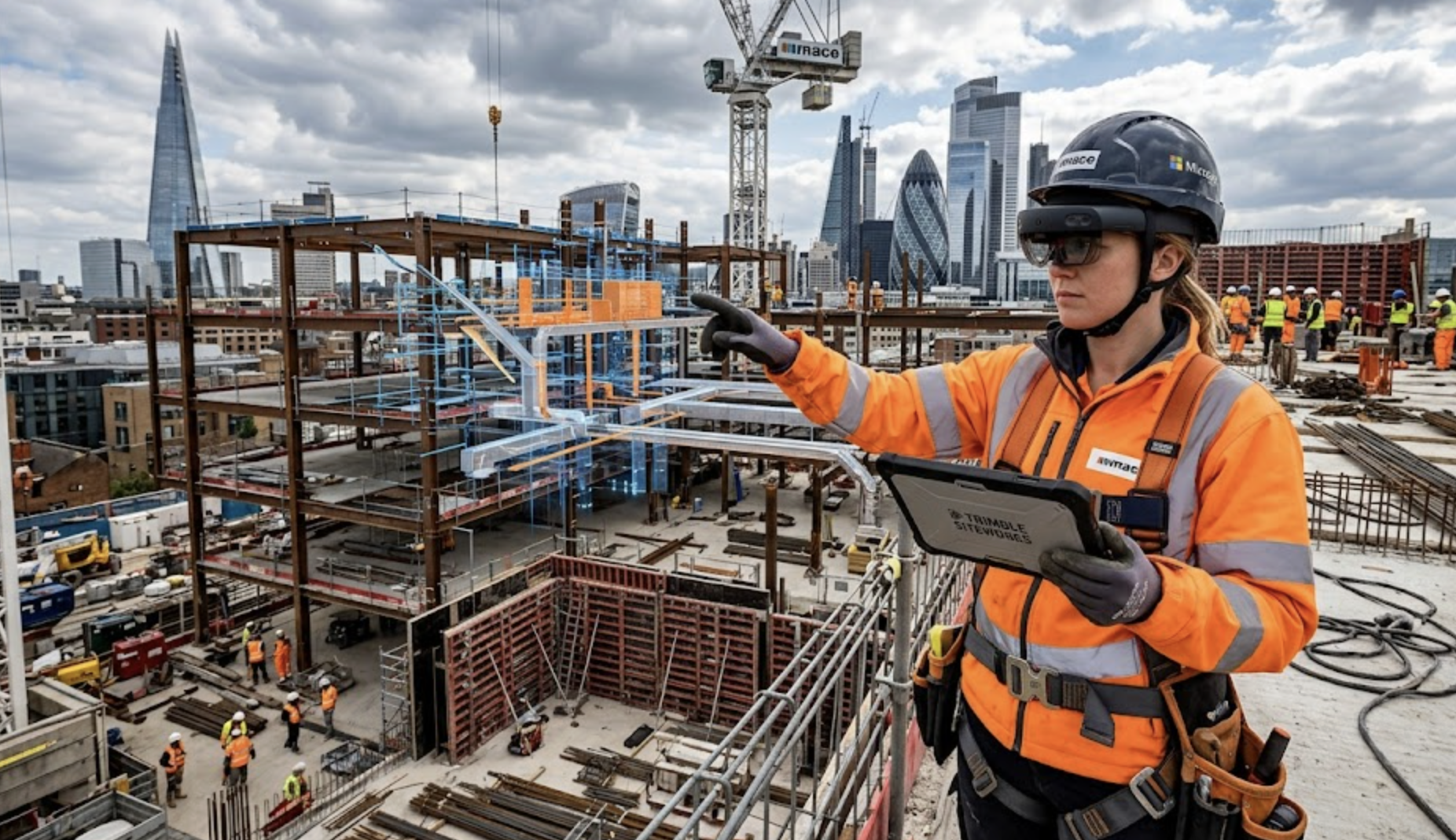
During the construction and redevelopment phase, the difference is even starker: leading brands adopt construction management tools like Zepth to align owner, architect, contractor, and operator expectations from the outset, ensuring seamless digital handover and rapid operational readiness. Laggards struggle with rework, delays, and post-opening integration failures.
Best Practices for Building a Next-Generation Hospitality Platform
How do you build a next-generation hotel platform strategy? The playbook includes:
- Strategic vision and governance—articulate the platform’s purpose, establish cross-functional leadership, and assign ownership for key capabilities.
- Technology and data—select open, API-driven tools; unify data layers; invest in master data management and eliminate silos.
- Operations and talent—create agile teams, upskill staff, and align incentives to platform-driven KPIs like direct bookings and ESG metrics.
- Phased rollout—pilot innovations, gather feedback, iterate quickly, and communicate the platform’s value internally.
Emerging Innovations: Preparing for the Future
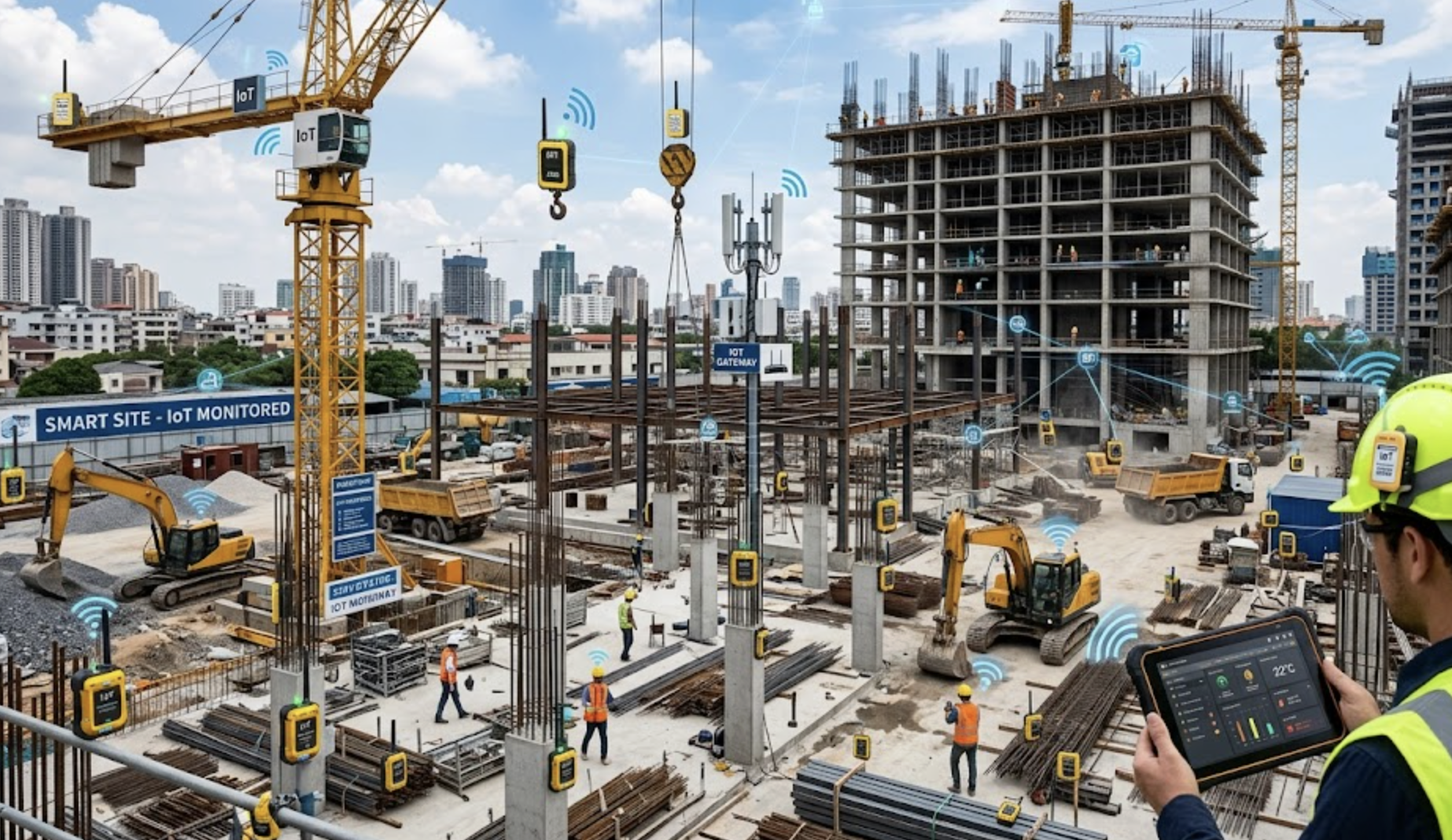
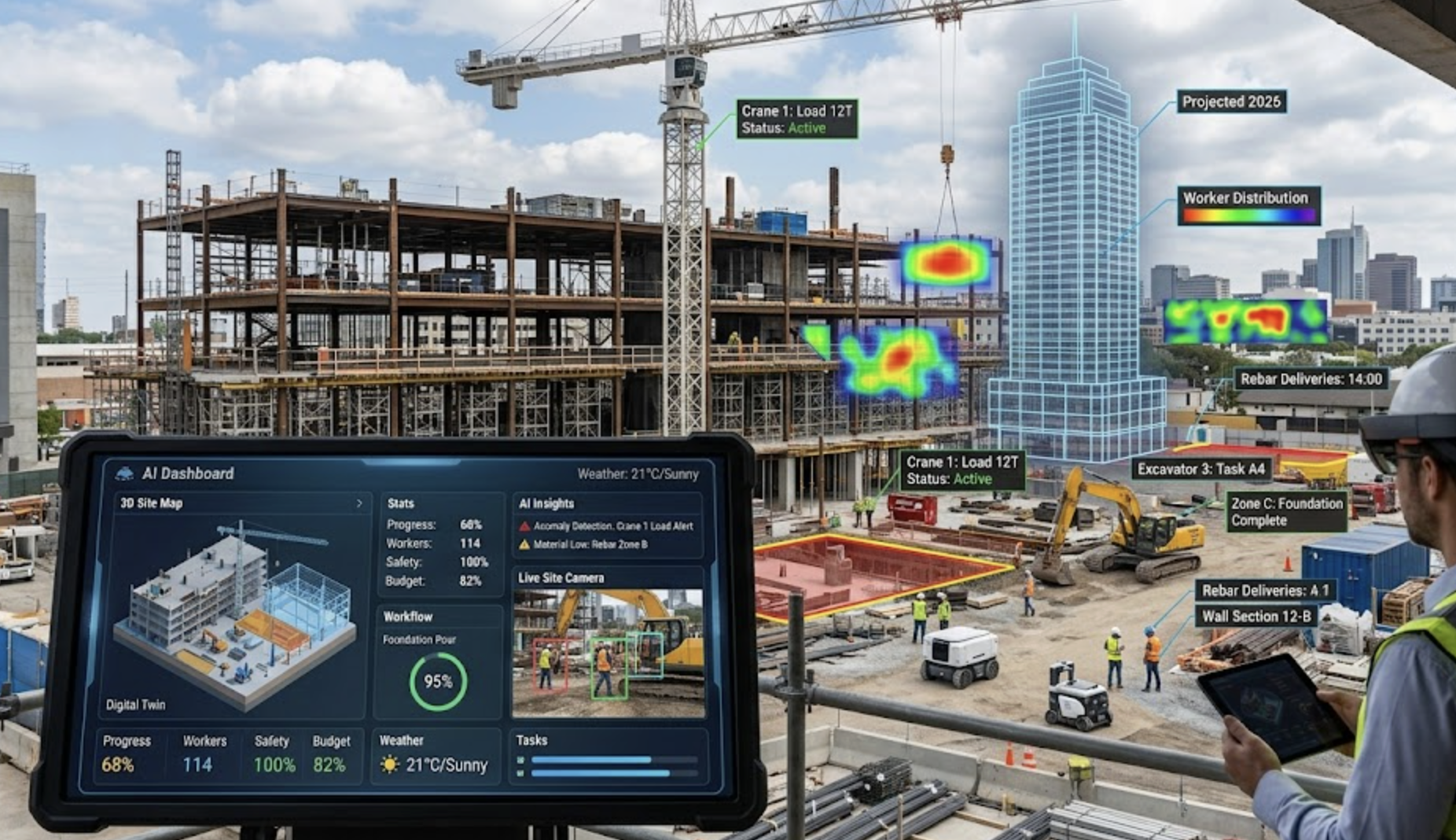
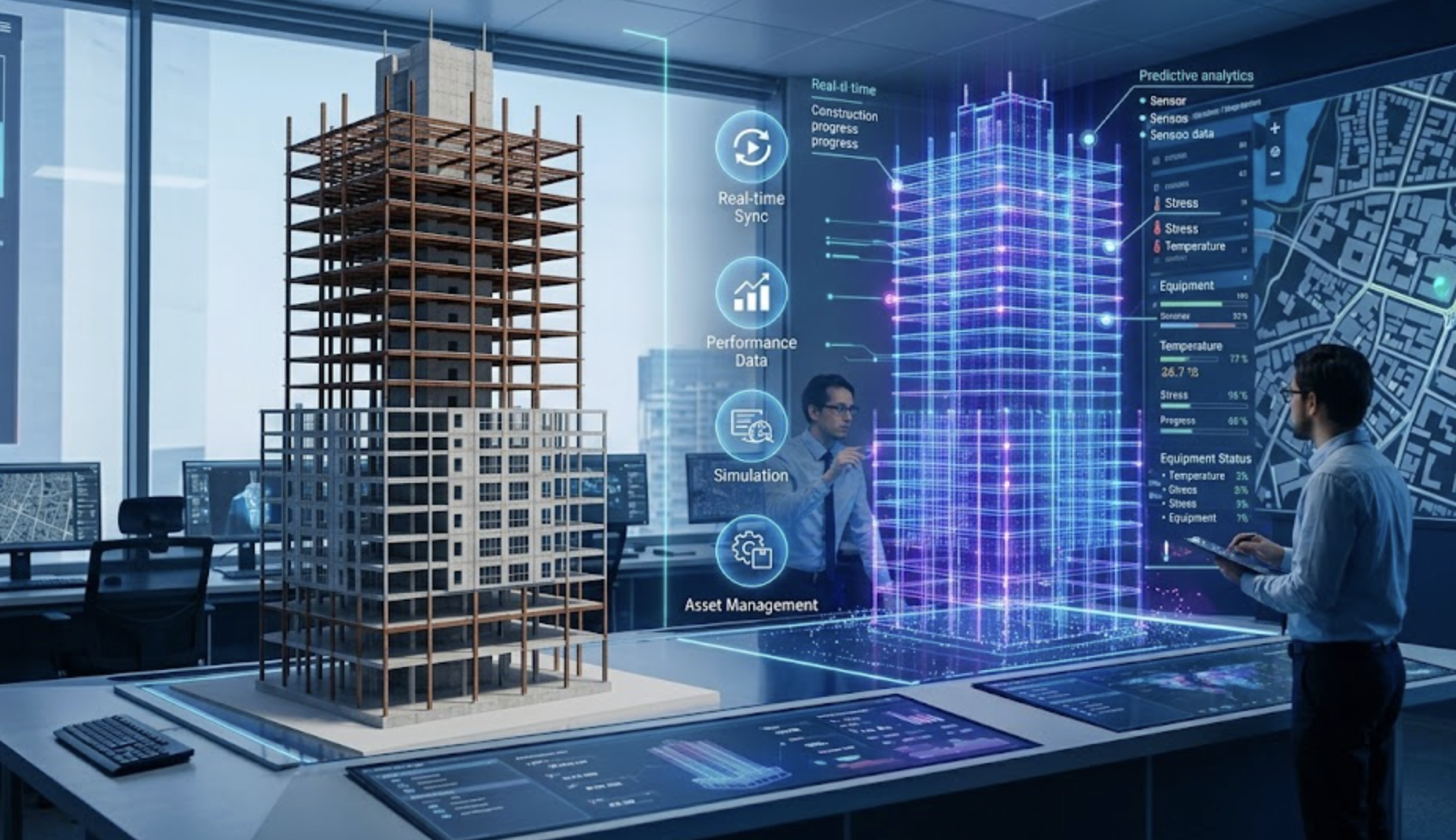
Next-gen hospitality is a moving target. Recent innovations include generative AI co-pilots for guest messaging and staff troubleshooting, digital identity and biometric check-ins, hospitality-as-a-subscription models, robotic automation, and integration of construction digital twins with IoT operational data for scenario planning and predictive maintenance. These developments require not only investment in new hotel management technology but also a foundation of high-quality, accurate data flowing from the very start—during acquisition, design, and build. This is the domain where Zepth delivers strategic leverage.
How Zepth Supports Next-Gen Hospitality from Construction Onward
True platform leadership in hospitality begins with a data-ready, tech-enabled asset—delivered on time, on budget, and with rigorous quality. Zepth, particularly Zepth Edge, empowers hotel owners and operators by integrating:
- Project Management: Centralized command center for all hospitality projects with transparent schedule, budget, and stakeholder coordination.
- Risk & Quality Management: Early detection and mitigation of construction risks, standardized punch lists, and defect-free handovers.
- Document Management: One source for version-controlled, searchable documentation, facilitating seamless operational handover.
- Sustainability & ESG Tracking: Real-time material, waste, and practices tracking to support LEED/BREEAM and future ESG reports.
Crucially, these features mean that by the time a hotel opens under the Zepth ecosystem, it is data-rich, operationally integrated, and ready for the demands of cloud-based hospitality management systems and AI-driven performance dashboards. Properties can immediately leverage hotel CAPEX optimization, hotel OPEX control software, cloud-based hospitality management system features, and hospitality analytics and insights for a rapid go-live, fewer post-opening defects, and reliable compliance from the first guest onward.
If you’re wondering: What is the advantage of aligning construction with digital hospitality platforms from the outset? The answer is simple—doing so eliminates months (or years) of rework, brings forward revenue, and establishes the conditions necessary for true data-driven hospitality management across the asset lifecycle.
Conclusion: The Divide that Sets the Pace of Tomorrow’s Hospitality
The future of hotel portfolio management is here, and the strategic gulf between innovation leaders and laggards is only widening. Next-generation, AI-led operational intelligence in hotels no longer simply distinguishes the best-in-class—it has become the baseline expectation of guests, owners, and investors alike. Crucially, the journey to platform leadership transcends IT. It connects early-stage construction practices, BIM and digital twin adoption, intelligent asset management, and cloud-based operations—all linked through centralized, ecosystem-grade platforms like Zepth Edge. For hospitality brands that treat platform transformation as a company-wide mission and leverage best-in-breed technologies from planning to post-stay, the rewards will be increased profitability, resilience, guest advocacy, and long-term asset value. Those who do not risk obsolescence amid fast-evolving guest demands and operational complexity. To stay ahead, the next move is clear: elevate your hospitality strategy, build from the ground up with digital-first construction and operations platforms, and join the ranks of the next-generation leaders.