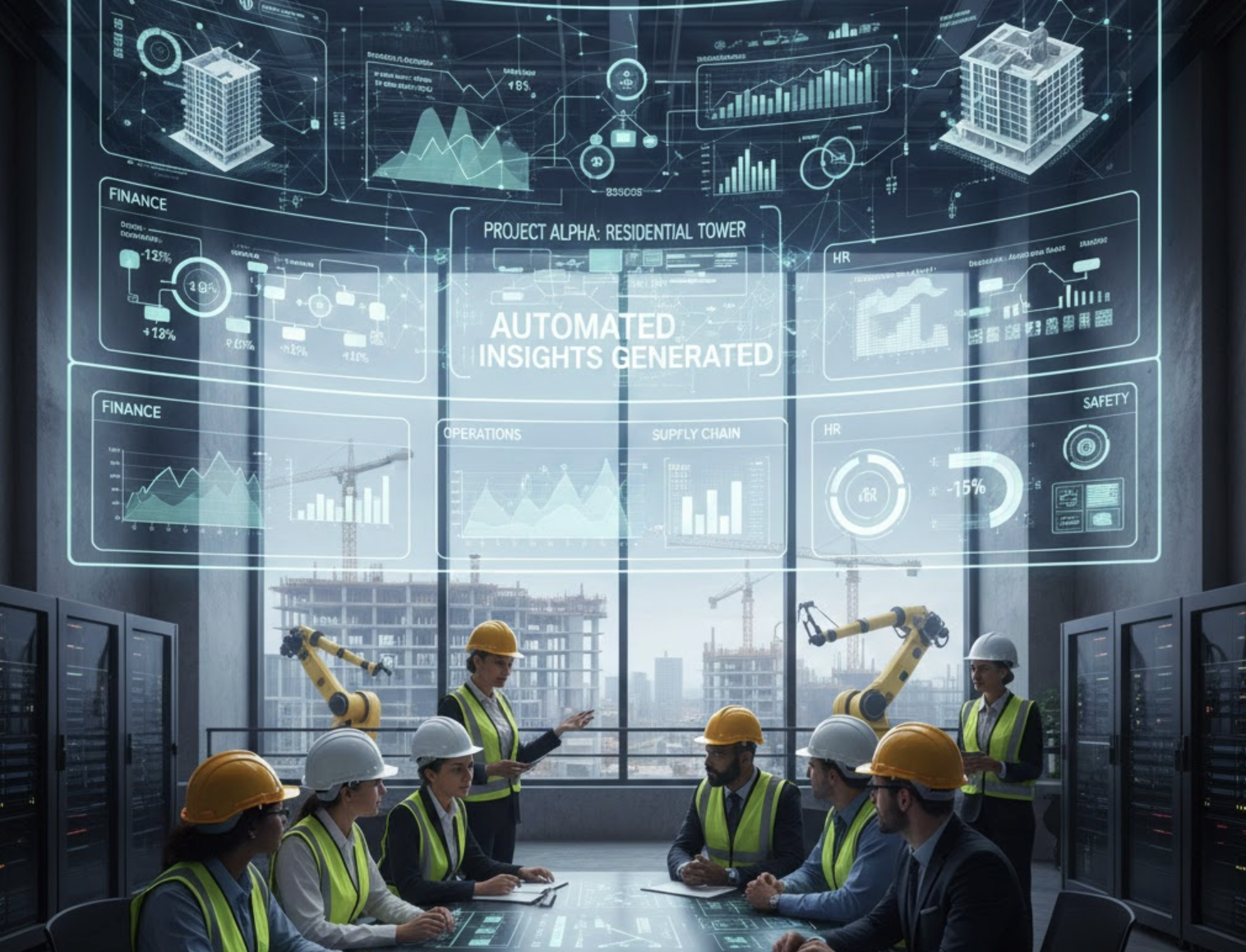

The rapid convergence of IoT and AI in hotel operations is rewriting every rule in hospitality management. As guest expectations rise, budgets tighten, and sustainability targets drive innovation, hotel operators must adopt forward-thinking strategies and technologies. Today, hotel management software is no longer just about reservation systems—it’s about networks of sensors, AI-driven insights, and seamless automation that turn every property into a connected, intelligent ecosystem. At the intersection of this transformation, Zepth Edge emerges not only as a hotel asset management platform and hotel financial management software—but as the backbone enabling next-generation operations, guest delight, and long-term value.
The Foundations: What IoT and AI Look Like in a Modern Hotel
In a typical modern hotel, the Internet of Things (IoT) is the nervous system. Think occupancy sensors that know when a guest enters a room, smart thermostats dialing in the perfect sleep temperature, RFID tags tracking linens and equipment, and energy meters benchmarking every watt consumed. These devices communicate over fast, reliable networks—Wi-Fi, Zigbee, LoRaWAN—feeding data in real time to a central platform. One might ask, “How does IoT benefit hotels?” The answer extends far beyond simple automation: IoT enables predictive maintenance, waste reduction, smart lock controls, and optimized service routes for housekeeping—all vital in today’s hyper-competitive landscape.
But data alone is not transformation. Artificial Intelligence (AI)—the “brain” of hospitality—analyzes patterns, predicts demand surges, and empowers hotels to deliver personalization at scale. AI solutions use these IoT-generated data streams to forecast occupancy, suggest room upgrades, adapt energy usage to weather patterns, and even automate responses to guest inquiries through chatbots. As a result, AI-driven hotel management platforms like Zepth Edge integrate both layers: hardware for data capture and sophisticated algorithms for actionable insight. This collaboration sets a new standard for AI-powered hospitality management.
The Convergence: From Smart Devices to Truly Intelligent Operations
The true power comes when IoT feeds real-time operational data into AI-driven decision engines. For example, Zepth Edge builds the bridge with cloud-based hospitality management, letting properties see, analyze, and act upon granular dynamics portfolio-wide. Imagine a suite where the guest’s preferred temperature and lighting greet them on entry—thanks to their historical and real-time behavioral data. Or a facility where predictive algorithms, analyzing sensor feedback from every HVAC and elevator, trigger maintenance just before a failure instead of after a costly outage.
Let’s look at major integrated use cases:
- Hyper-personalized Guest Rooms: IoT sensors detect occupancy, AI learns preferences, and the system creates a tailored experience every time—setting temperature, lighting, and even digital content.
- AI-driven Energy Intelligence: Smart meters combined with forecasting tools automatically dial down energy use during low-occupancy or peak-price periods—reducing overhead by as much as 30%.
- Predictive and Prescriptive Maintenance: Vibration, temperature, and run-time data from IoT devices feed AI models, which predict breakdowns and schedule low-impact repairs, yielding up to a 50% reduction in maintenance costs.
- Real-time Housekeeping Optimization: Door sensors inform AI-led operational intelligence on the optimal time and staff routing for room cleaning, improving both turnaround time and guest satisfaction.
- Smart Safety & Compliance: Environmental sensors coupled with AI rapidly detect hazards or breaches, minimize false alarms, and launch automatic escalation workflows, ensuring both guest safety and regulatory compliance.
Quantifying the Impact: Efficiency, Revenue, and Sustainability
Hotels face mounting pressure to improve margins while enhancing guest experiences and meeting sustainability goals. The operational edge delivered by IoT and AI is now measurable:
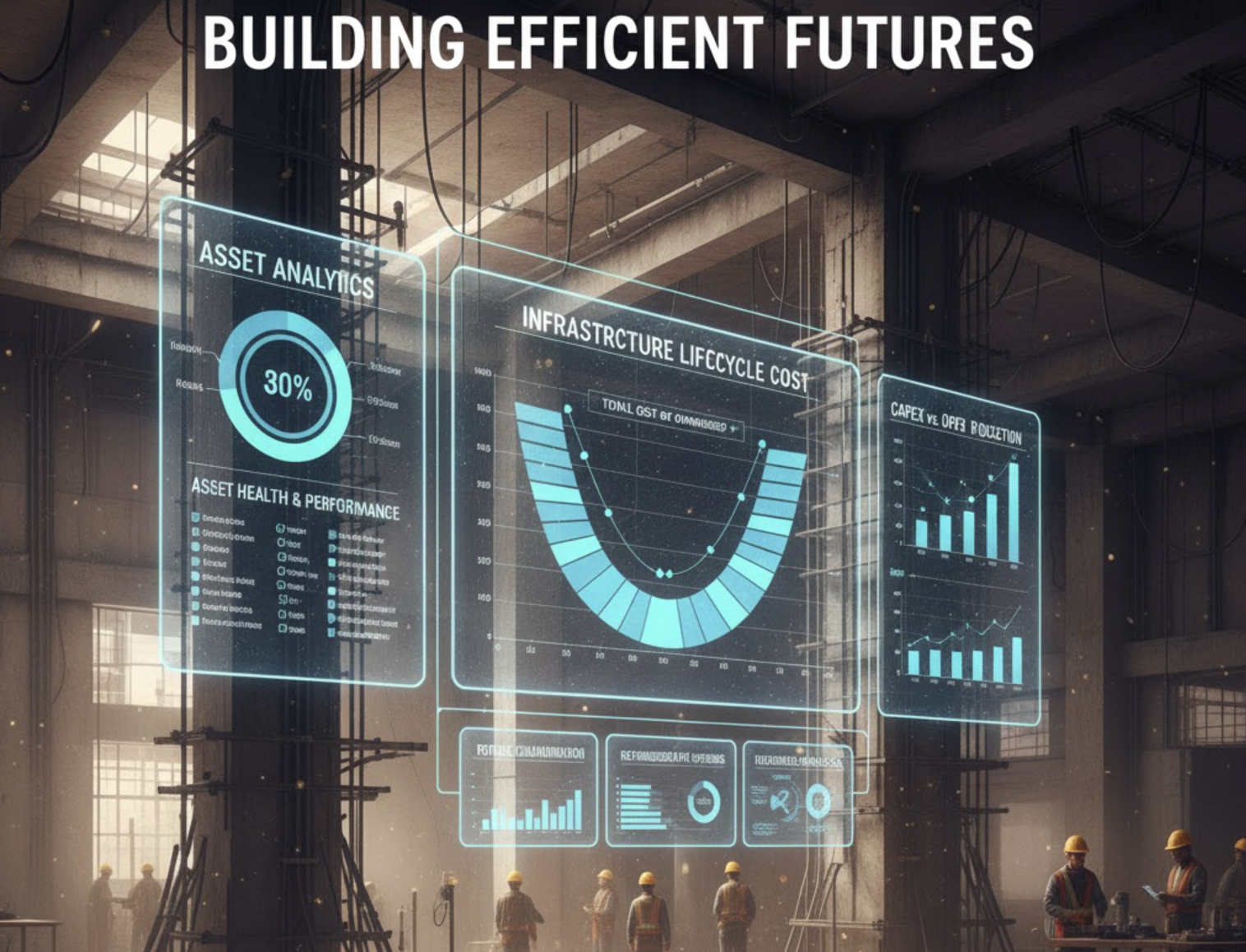
- Up to 30% reduction in energy costs through hotel CAPEX optimization and real-time hotel OPEX management tools, particularly when platforms like Zepth Edge orchestrate smart controls across HVAC, lighting, and water systems.
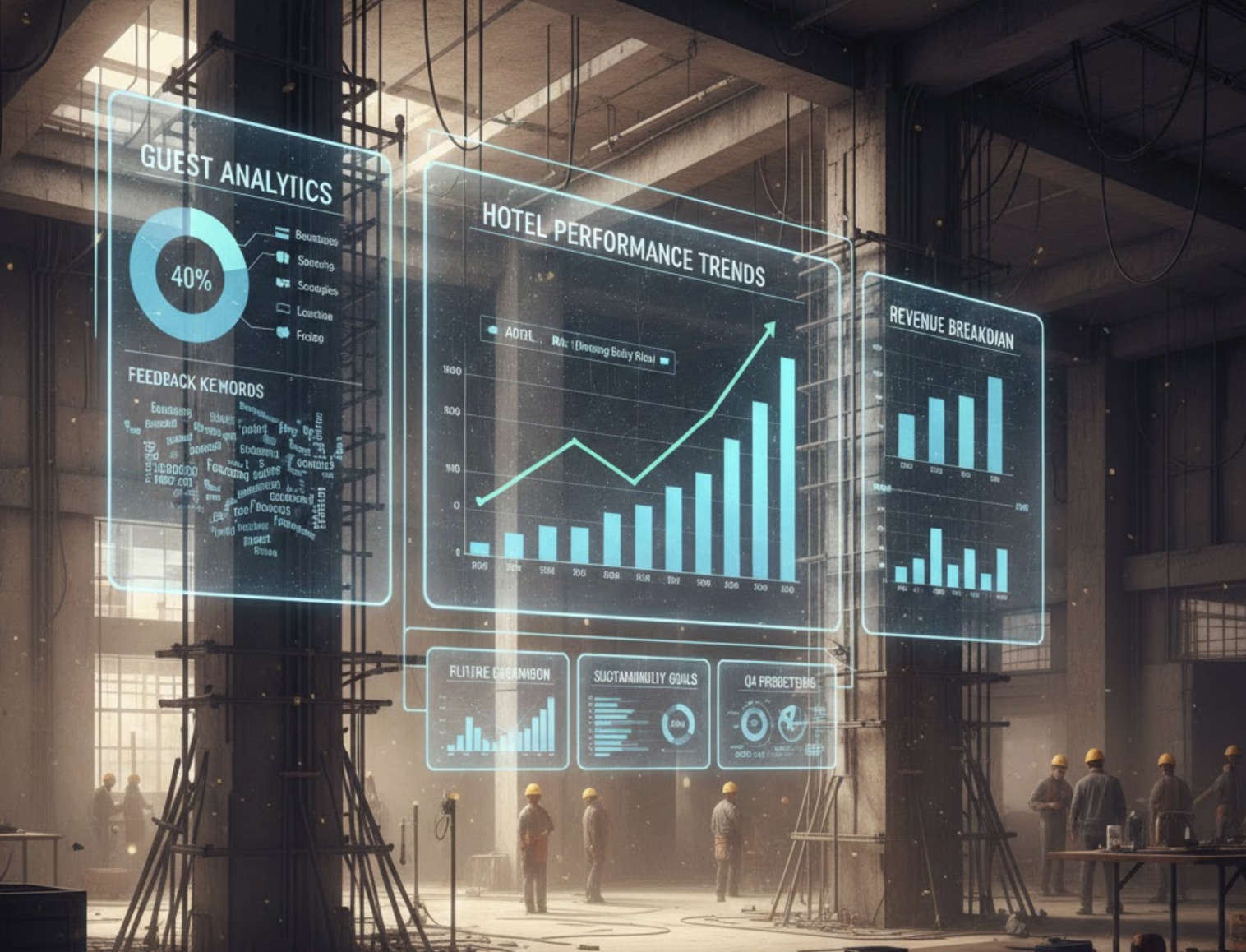
- 10–20% increase in ancillary revenue through AI-driven personalization, dynamic pricing, and guest targeting based on real-time portfolio analytics.
- 40–50% decrease in unexpected maintenance costs by leveraging both sensor-driven asset tracking and advanced predictive analytics, extending the lifespan of high-value equipment.
- 60–80% resolution of guest queries by AI chatbots, freeing front-desk teams to focus on more complex guest interactions and building higher guest satisfaction scores.
Implementation Playbook: Best Practices for Deploying IoT and AI in Hospitality
For successful outcomes, hotels must prioritize a digital transformation strategy with clear goals and strong governance. Start with high-impact, straightforward projects such as energy optimization or predictive maintenance, and pilot these on a single property before scaling. Ensure open standards are in place for interoperability—a crucial element that Zepth Edge’s open API approach provides, integrating with everything from building management and PMS to CRM and AI orchestration platforms.
Data quality is paramount; Zepth Edge centralizes all operational, asset, and financial data, providing accurate, real-time information for informed decision-making. Edge-cloud architecture supports local reliability and rapid response, while cloud-based analytics and dashboards enable portfolio-wide foresight. Cybersecurity and privacy considerations are entrenched at every level—secure device networks, robust access controls, and strong compliance with privacy laws (like GDPR or CCPA) are essential for building guest trust.
Change management is equally important. Hotels embracing AI tools for hotels must commit to staff training, transparent AI recommendations (no “black box”), and continuous measurement of outcomes. When staff understand how AI-driven performance dashboards enhance their day-to-day and help exceed guest expectations, adoption accelerates—and ROI follows. Curious readers might wonder: “Is it difficult to implement smart hotel management tools?” With the right platform and stakeholder alignment, complexity can be minimized and benefits maximized.
Building the Smart Hotels of Tomorrow: Zepth’s Role in IoT & AI Readiness
The long-term sustainability and intelligence of a hotel portfolio depend heavily on decisions made during construction and major refurbishments. This is where Zepth’s ecosystem—spanning design, build, and operations—excels:
1. Integrated Project & Stakeholder Management: Zepth Core aligns architects, tech partners, and owners around IoT & AI requirements early, minimizing rework and accelerating delivery.
2. Smart Procurement & Specification Control: With Zepth Flow, specify and track IoT devices, smart control systems, and network infrastructure—ensuring the built asset is natively compatible with AI hotel automation platforms.
3. Quality, Safety, and Risk Management: Zepth’s modules track every stage and sign-off for MEP, low-voltage installations, sensor commissioning, and cybersecurity measures—reducing risk and ensuring traceability.
4. Structured Digital Handover: Zepth enables the smooth handover of asset registries, as-built data, commissioning reports, and O&M manuals, critical for jumpstarting AI and IoT-driven operations from day one.
5. ESG and Sustainability Enablement: Zepth documents green build strategies and supports sustainable hotel management, making smart hotels ready for LEED/BREEAM or corporate ESG mandates.
With modules like CAPEX management, budget management, real-time MIS reporting, and asset registers—all tied into one cloud-based platform—Zepth Edge is not just futureproofing hotel operations; it is facilitating seamless journeys from construction to intelligent, connected hospitality management at the largest scale.
The Future Outlook: Digital Twins, Generative AI, and Robotics
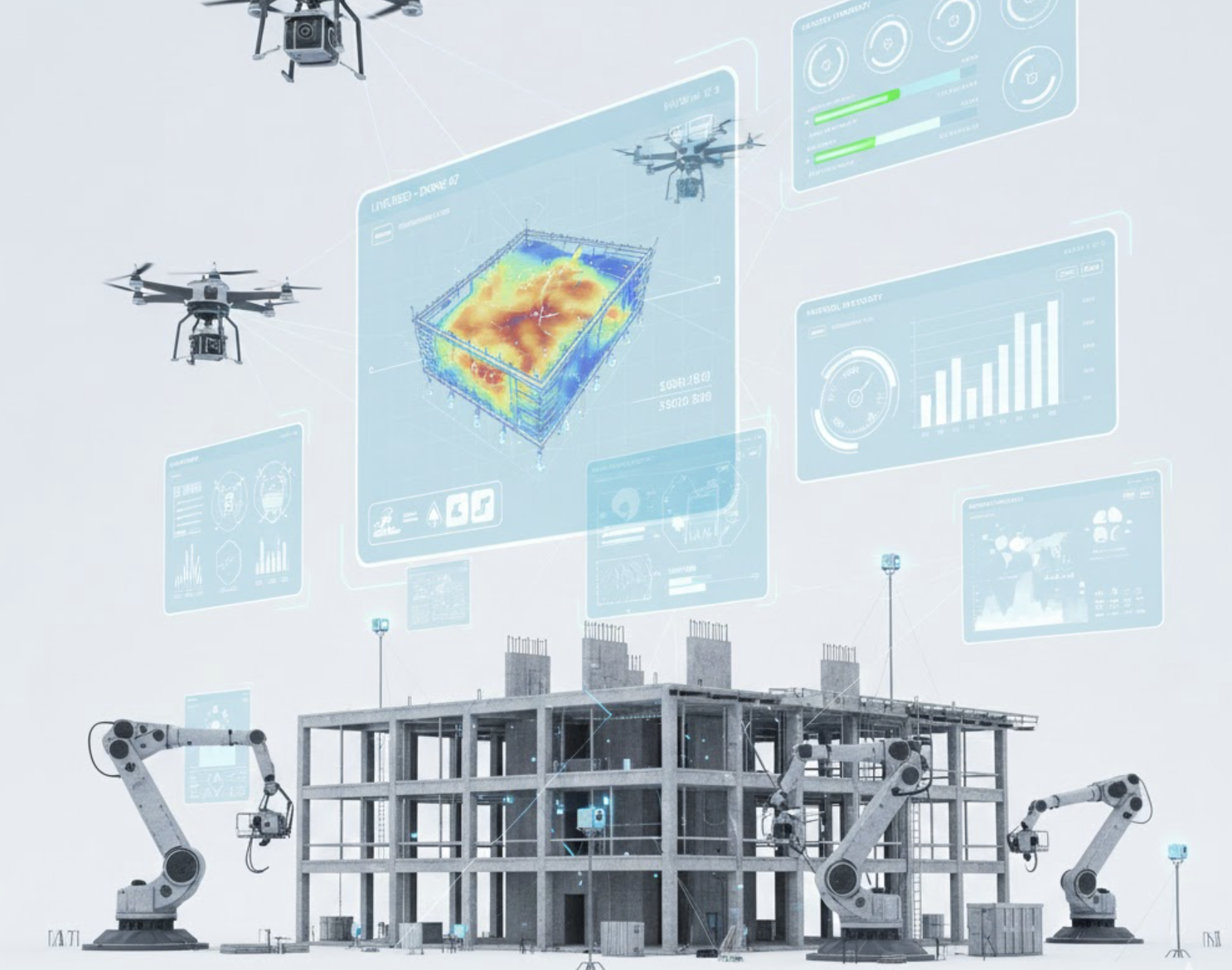
Looking ahead, the combination of IoT and AI will only deepen. Generative AI is shaping virtual concierges fluent in multiple languages, capable of fulfilling nuanced guest requests and curating personalized itineraries. The rise of digital twins—virtual, continuously updated replicas of physical assets—allows operators to simulate changes, test energy-saving scenarios, and optimize layouts before making costly investments. Robotics, powered by IoT sensors and AI navigation, will increasingly handle deliveries, cleaning, and even some guest services, further driving efficiency and guest safety.
As technology matures, cross-property AI will unlock portfolio-level learning, letting chains benchmark and optimize performance at the regional and global levels. IoT and AI will also automate ESG and sustainability reporting, making real-time data on energy use, water conservation, and emissions accessible for both compliance and brand reputation.
In this era of digital transformation in hospitality, Zepth stands uniquely prepared to support operators along every step of the smart hotel lifecycle—from construction project management and asset tracking to operational intelligence and digital handover. For those evaluating the best approach to smart hotel adoption, the roadmap is clear: invest in platforms that marry next-generation IoT and AI capabilities with robust, centralized control. The rules are being rewritten, and those who adapt fastest will define the future of hospitality.