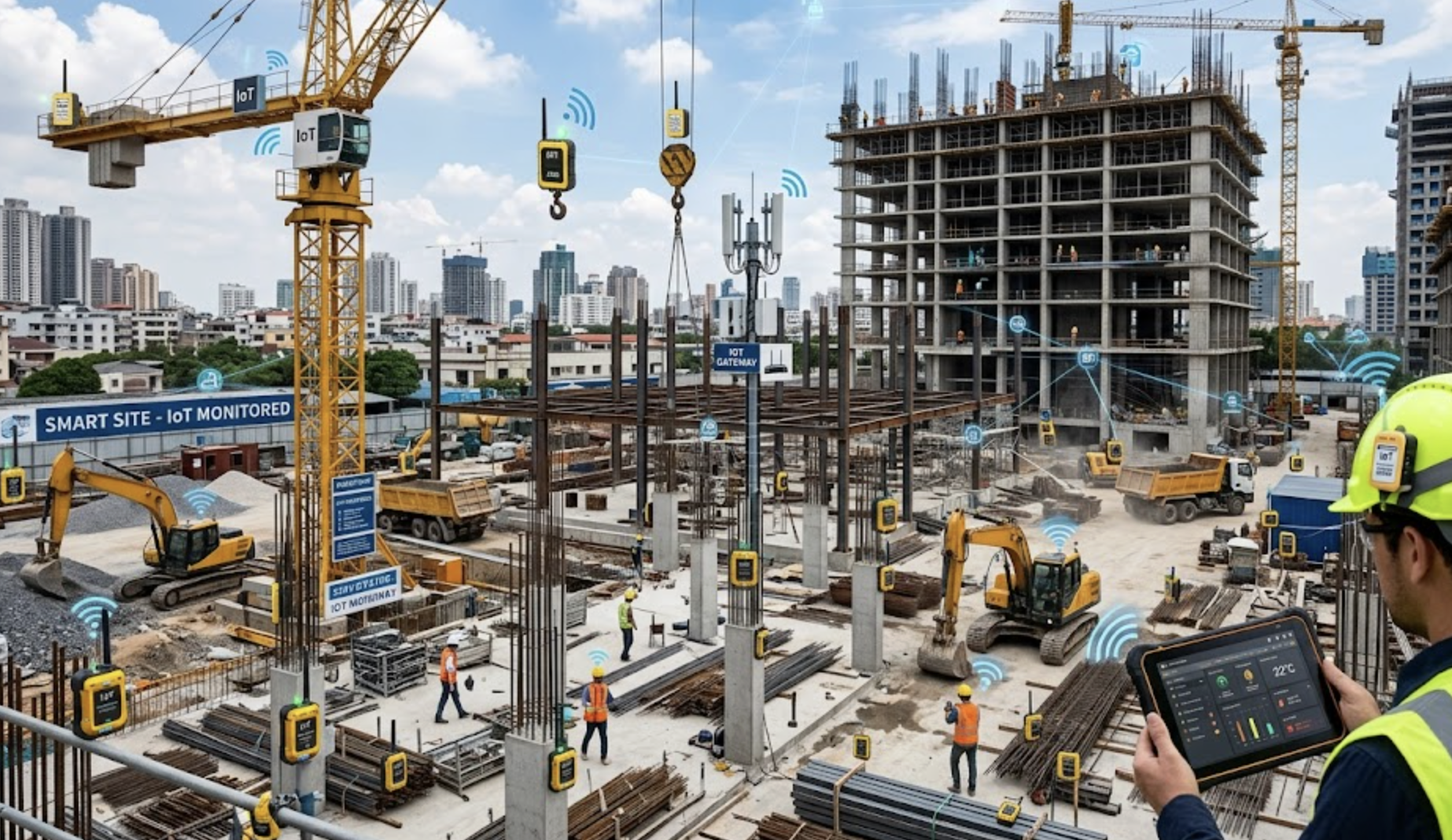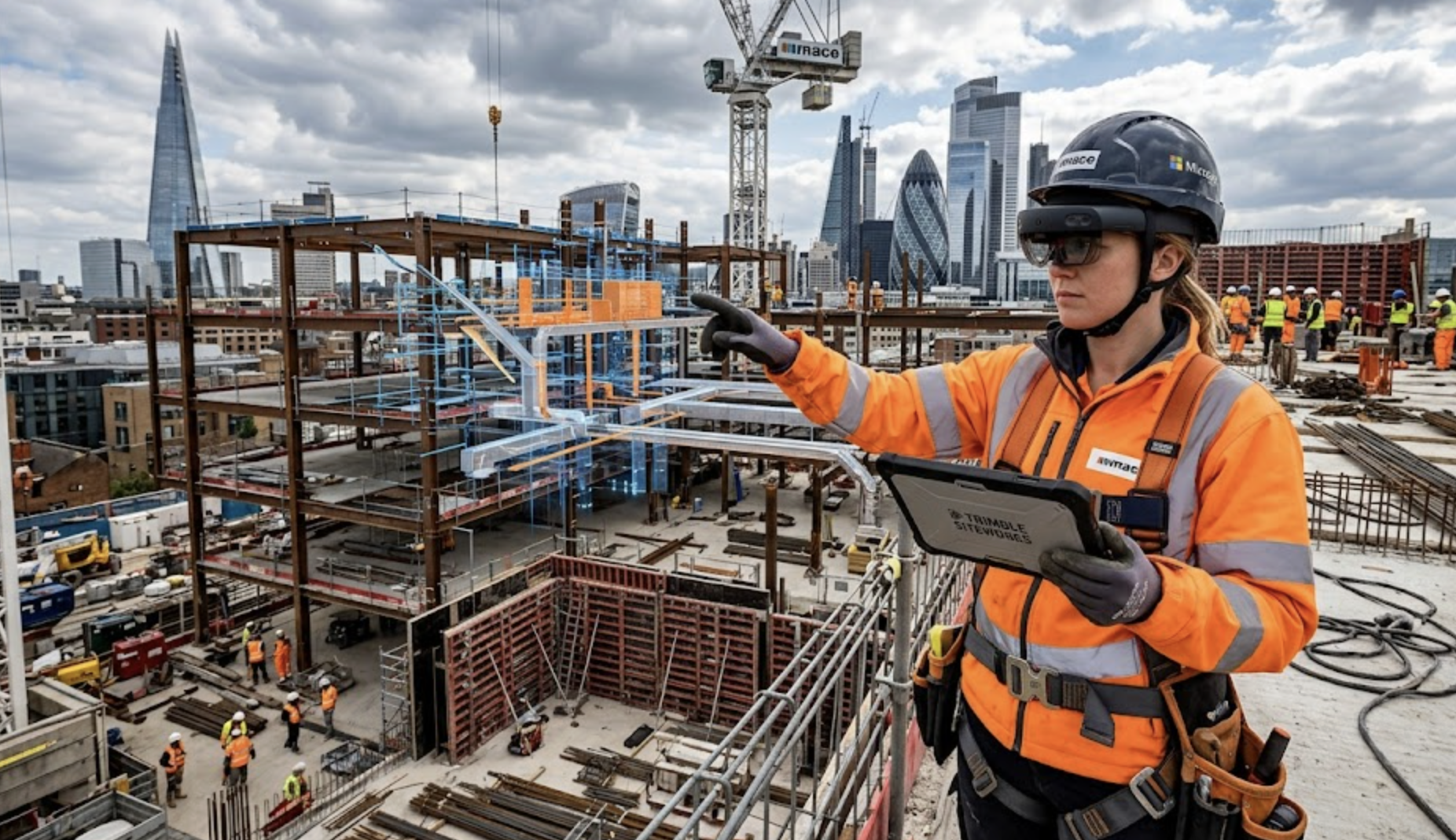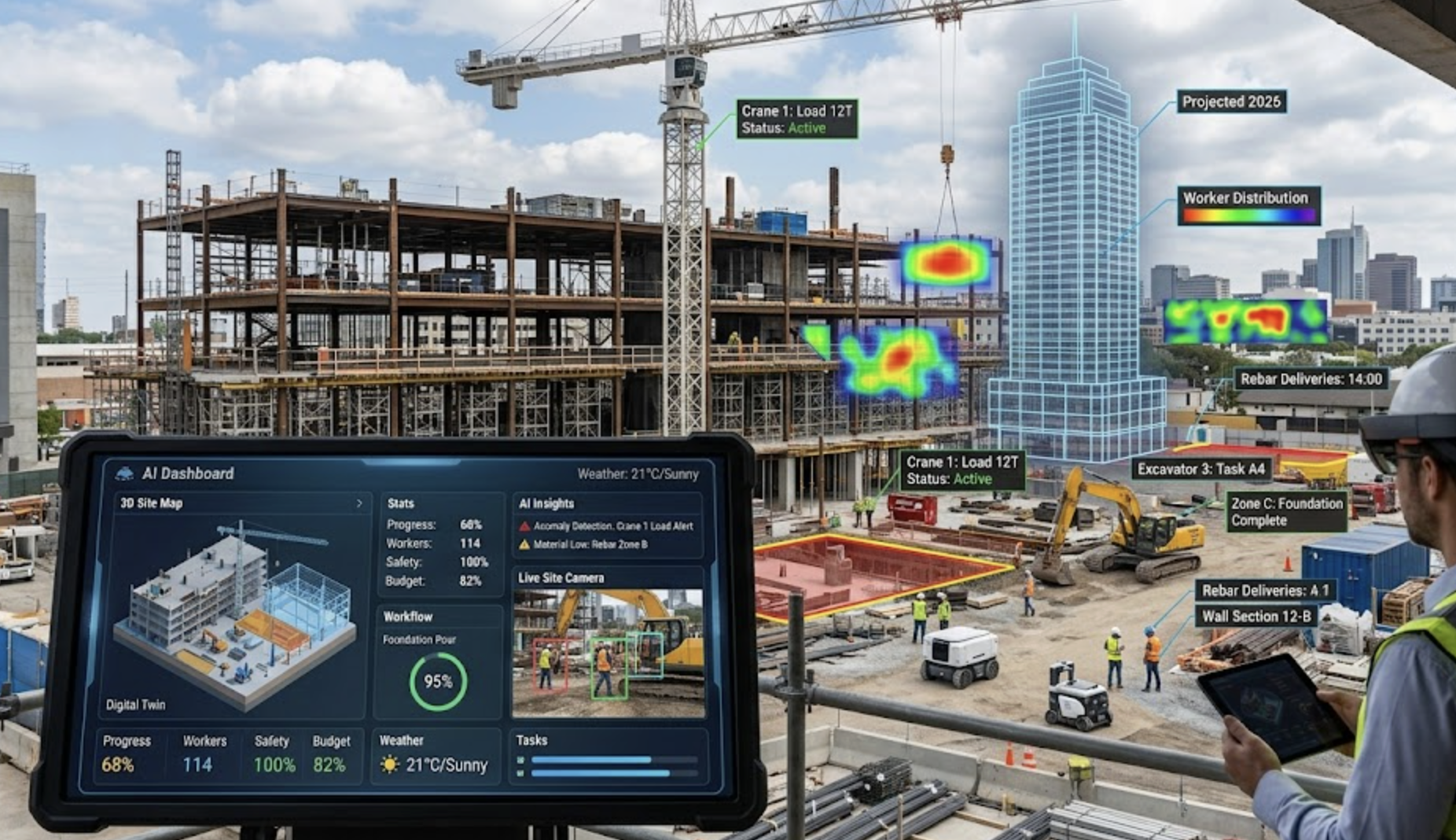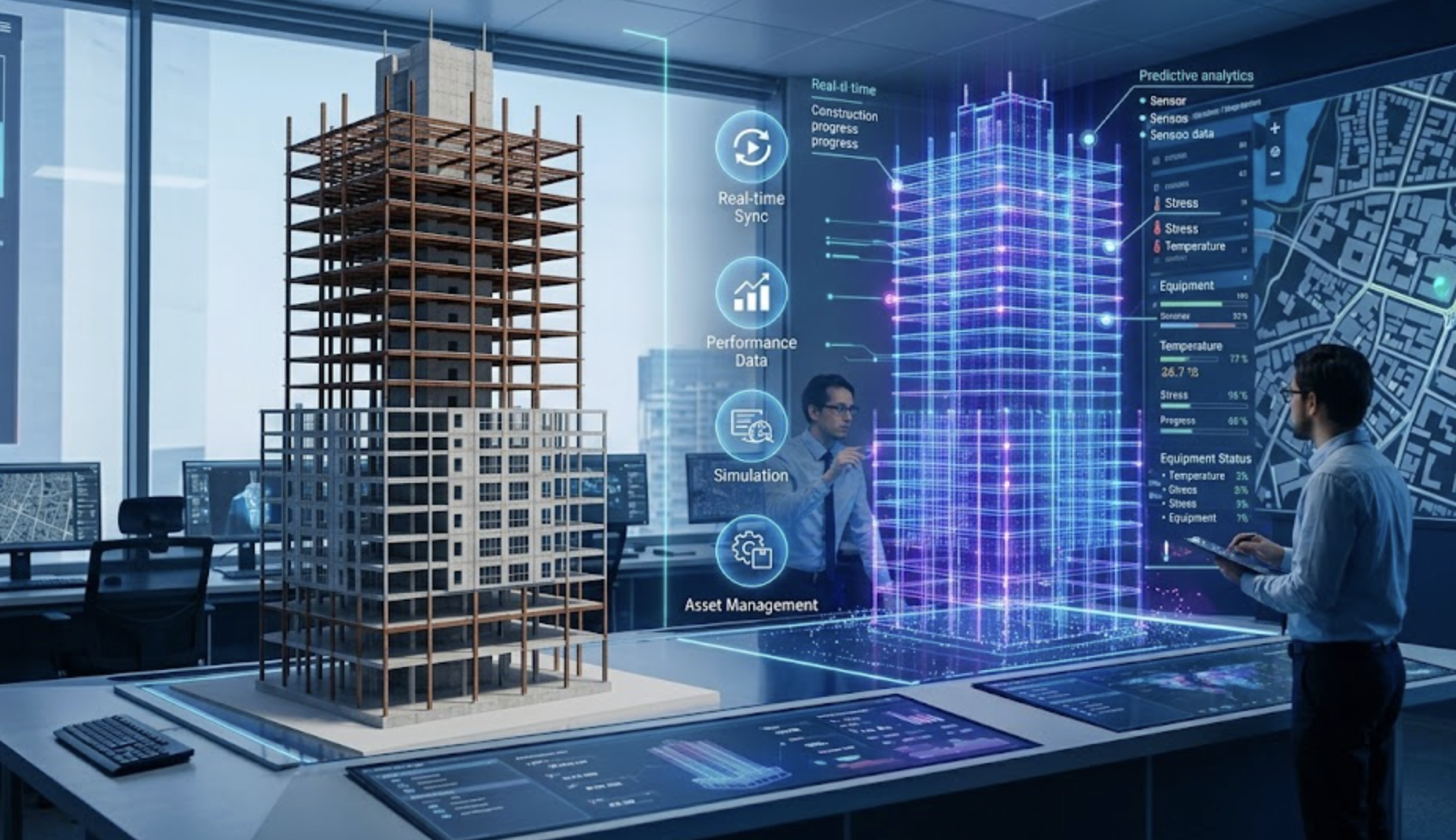

AI risk management in construction stands at the intersection of technology and operational excellence, fundamentally reshaping how industry leaders tackle project threats. With every construction project facing unpredictable variables—from resource availability to design changes and regulatory shifts—construction project management software now leverages advanced AI tools to forecast, detect, and mitigate risks with unprecedented speed and accuracy. Keeping projects on track and budgets under control requires smart construction management tools that not only predict but also proactively neutralize issues before they escalate into costly delays.
Transforming Risk Identification with AI in Construction
Traditionally, risk management in construction depended on accumulated expertise, manual documentation, and periodic reviews of jobsite conditions and project reports. This approach, while foundational, struggled to keep pace with today’s complex, multi-stakeholder projects. Enter AI-driven construction management, where intelligent systems analyze streams of data—ranging from daily reports and incident logs to progress updates and resource allocations—in real time. Instead of spotting problems after they have started causing disruption, AI-powered project management platforms such as Zepth Core mine data continuously to detect subtle warning signs—like deviations in planned vs. actual schedules, recurring issues in snag lists, or compliance gaps revealed by HSE inspection modules.
If you’ve wondered, “How does AI help in construction risk management?” the answer lies in its pattern recognition and predictive analytics. AI tools for construction can flag anomalies across project financials, document management, and jobsite performance metrics. For example, elevated risk scores might emerge from lagging authority approvals, repeated non-conformance reports, or a clustering of RFIs (Requests for Information) in a single workflow. These signals prompt project leaders to intervene before risks convert into delays or compliance violations.
AI Risk Management: From Data to Actionable Insights
Modern construction project tracking software can feel overwhelming with the sheer quantity of data it generates. The difference with AI construction platform solutions lies in transforming this data into proactive insights. By integrating modules such as Zepth Core’s Risk Register and Risk Reporting tools, teams benefit from centralized visibility and smart escalation features. Each risk—be it related to cost overruns, forecasted resource shortages, or safety violations—can be logged, classified by impact, and tracked with suggested mitigation actions.
This ongoing risk profiling supports better project decision making. AI construction automation tools highlight which issues need immediate attention and can simulate outcomes of different mitigation plans using historical project data. For example, if a delay in material inspection surfaces repeatedly in the project data, the system can spur changes to procurement schedules or suggest alternate suppliers via integrated procurement management tools. This kind of digital transformation not only reduces firefighting but also strengthens the culture of safety, compliance, and delivery excellence.
Core Features Enabling AI Risk Management
- Risk Register & Mitigation Plans: Unified risk logs with AI-enhanced update prompts and recommended responses for each new or evolving risk.
- Real-Time Compliance Tracking: Integration with HSE modules and site observation inputs to flag and swiftly resolve emerging safety risks.
- Automated Incident & Safety Violation Reporting: Structured forms and photo documentation prompt instant action and compliance analysis.
- AI Forecasting: Use of project data and construction analytics to model possible risk scenarios and suggest risk mitigation strategies.
- Centralized Project Tracking: Common data environment for construction centralizes document management, RFIs, and communications to minimize coordination gaps—often a key risk driver.
Zepth Core brings these tools together, delivering cloud-based construction management experiences that empower everyone from project managers to field engineers.
Integrating Risk Discovery with Construction Financial Management Tools
Beyond immediate safety and jobsite threats, financial risks remain among the most significant challenges construction teams face. Comprehensive construction financial management tools and project cost control software are critical for tracking budgeted versus actual costs, monitoring for early warning signs of overruns, and making timely project adjustments. AI-powered dashboards in Zepth Core’s financial modules reveal not just the numbers, but what they mean in the context of unfolding project realities—such as delays, supplier issues, or scope changes that might drive cost escalation.
This proactive approach addresses a common question: What are the benefits of AI in construction project cost control? The results include data-driven project forecasting, agile budget adjustments, and real-time alerts for deviations before they impact bottom lines. Smart automation allows quick scenario analysis: for example, if an early project phase uses more resources than planned, the platform can recalculate forecasts and update task assignments or procurement orders to keep the project on course. With BIM integration and future-focused modules like Zepth360, teams benefit from improved cost prediction accuracy, fewer surprises, and a culture of financial transparency across all stakeholders.
Enabling Sustainable and Compliant Construction through AI Automation
Today’s construction projects operate within expanding regulatory frameworks and growing expectations for sustainability. Construction compliance software modules embedded within AI construction automation platforms like Zepth Core simplify the monitoring and documentation of compliance actions and outcomes. By automating material inspections, auditing authority approvals, and scheduling site instructions, teams stay agile and audit-ready, reducing the risk of costly shutdowns or retrofits due to missing documentation or missed regulatory steps.
This leads to a frequently discussed topic: How does AI improve construction safety and sustainability? AI systems not only document and report compliance activities but actively track leading safety indicators, material usage, and environmental impact. Early detection of equipment inefficiencies, unsafe work practices, or excessive material waste allows for quick corrective action, supporting the shift to sustainable construction management. Zepth Core’s visual reporting tools—like progress photo documentation and geotagged snag list tracking—ensure transparency and make regulatory reporting an integrated part of daily jobsite management.
AI Risk Management: The Foundation for Digital Transformation in Construction
As the construction industry enters a period of rapid digital transformation, the focus naturally shifts toward smarter, more responsive, and more coordinated project management. AI risk management in construction does more than reduce delays and budget overruns—it sets the stage for an ecosystem where every decision is guided by data and insight. With modules like centralized document registers, structured submittal workflows, and automated mail communications, Zepth Core creates a connected platform for all teams. This common data environment for construction is the backbone of cloud-based platforms, enabling real-time updates, seamless collaboration, and stronger outcomes across the construction lifecycle.
To summarize, AI-powered project management means that no risk is too small to be seen or too complex to address. With smart risk registers, integrated incident and compliance tools, and advanced analytics, construction professionals are empowered to operate not just reactively, but proactively. They’re able to deliver projects safer, more affordably, and more predictably—raising the bar for what’s possible in construction.