
Construction project management software is reshaping Dubai’s construction scene—but why do traditional project controls fall short in this unique market? Even as Dubai emerges as a dazzling icon of urban innovation, traditional controls often lack the agility, data synchronization, and digital intelligence needed to keep pace. As owners and contractors adopt AI in construction and smart jobsite management tools, the failures of legacy approaches become strikingly clear. Let’s explore in detail why classic controls miss the mark and how modern technology, such as the robust Zepth Core platform, can bridge the gap and enable success for even the most ambitious projects.
The Unique Demands of Dubai’s Construction Environment
Dubai’s skylines rise at record speed, shaped by international teams, unique specifications, and high-stakes schedules. Here, construction project tracking software must deliver real-time collaboration, not just routine reporting. The classic project control processes— reliant on static spreadsheets, email threads, and manual updates—often fail to offer the seamless integration, transparency, and speed needed to steer complex, high-value projects from concept to completion. The city’s scale, ambition, and pace magnify every inefficiency. For example, changing regulatory requirements mean easy access to up-to-date documentation and streamlined authority approval tracking are essential, yet legacy systems frequently delay approvals and compromise compliance. Why is digital transformation so crucial here? Modern AI-driven construction management dynamically aligns teams, blends jobsite data, and quickly flags risks—capabilities that traditional methods struggle to provide.
Where Traditional Project Controls Fall Short
Most legacy controls in construction rest on disconnected tools: separate cost sheets, isolated RFIs, unlinked document silos, and fragmented risk logs. For Dubai’s mega-projects, these gaps mean critical information falls through the cracks:
- Fragmented Communication: Relying on email chains and static files slows updates and fosters misunderstandings between international teams and stakeholders.
- Delayed Risk Management: When project risks such as scope changes or site incidents aren’t centrally tracked, teams react instead of plan—often too late to avoid cost overruns or schedule delays.
- Inadequate Compliance Tracking: Complex permit processes and new sustainability mandates in Dubai demand agile construction compliance software, not outdated, paper-based registers.
- Lack of Visual Oversight: Traditional reporting focuses on numbers and narratives, while visual site progress or snag tracking—a necessity for transparent delivery in high-profile environments— is often missing.
- Poor Financial Integration: Bridging actual and forecasted spending, and aligning with construction financial management tools, is nearly impossible when tools aren’t connected. As a result, cost control and real-time forecasting fall behind the curve.
Many ask: can a construction analytics and insights platform truly deliver measurable improvement over these systems? The answer is yes. Smart platforms use automated data flow to surface actionable trends, flag nonconformance issues instantly, and project financial exposure weeks before manual reviews could.
The Rise of AI-Powered and Smart Construction Management Tools
With the shortcomings of traditional controls laid bare—especially under the pressure of Dubai’s scale—forward-thinking teams turn to AI-powered project management and cloud-based construction management. These platforms elevate every component of the process:
1. Integrated Jobsite Management: Automated modules like Inspections, Snag List, and Incident Reporting capture site events in real time. Issues trigger automated workflows, and resolutions are tracked without loss or duplication—eliminating the risk of oversights that plagued legacy methods.
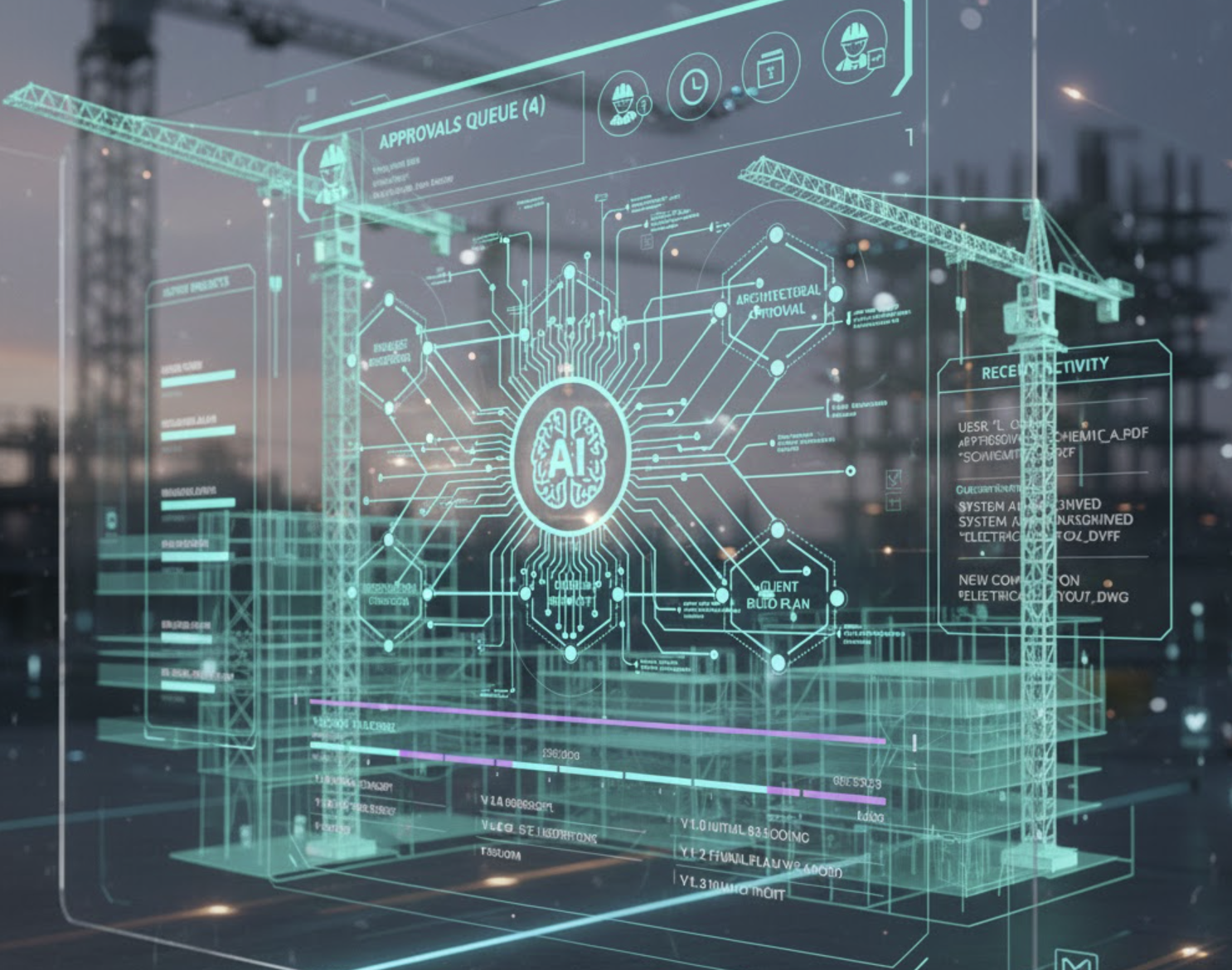
2. Unified Document Management: Smart construction document management replaces scattered files with a central, searchable repository; Submittals and RFIs flow through structured, trackable review routes. Every plan, drawing, and change is stamped with a full audit trail for team accountability.
3. AI-Driven Insights & Risk Mitigation: True AI risk management in construction aggregates project data, proactively identifying trends and recommending mitigation plans for future vulnerabilities—far ahead of what periodic manual assessments can provide. Users often wonder: What is the role of AI in project risk management? AI forecasts and prioritizes project risks based on historical data, generating real-time alerts so teams act immediately when exposures change.
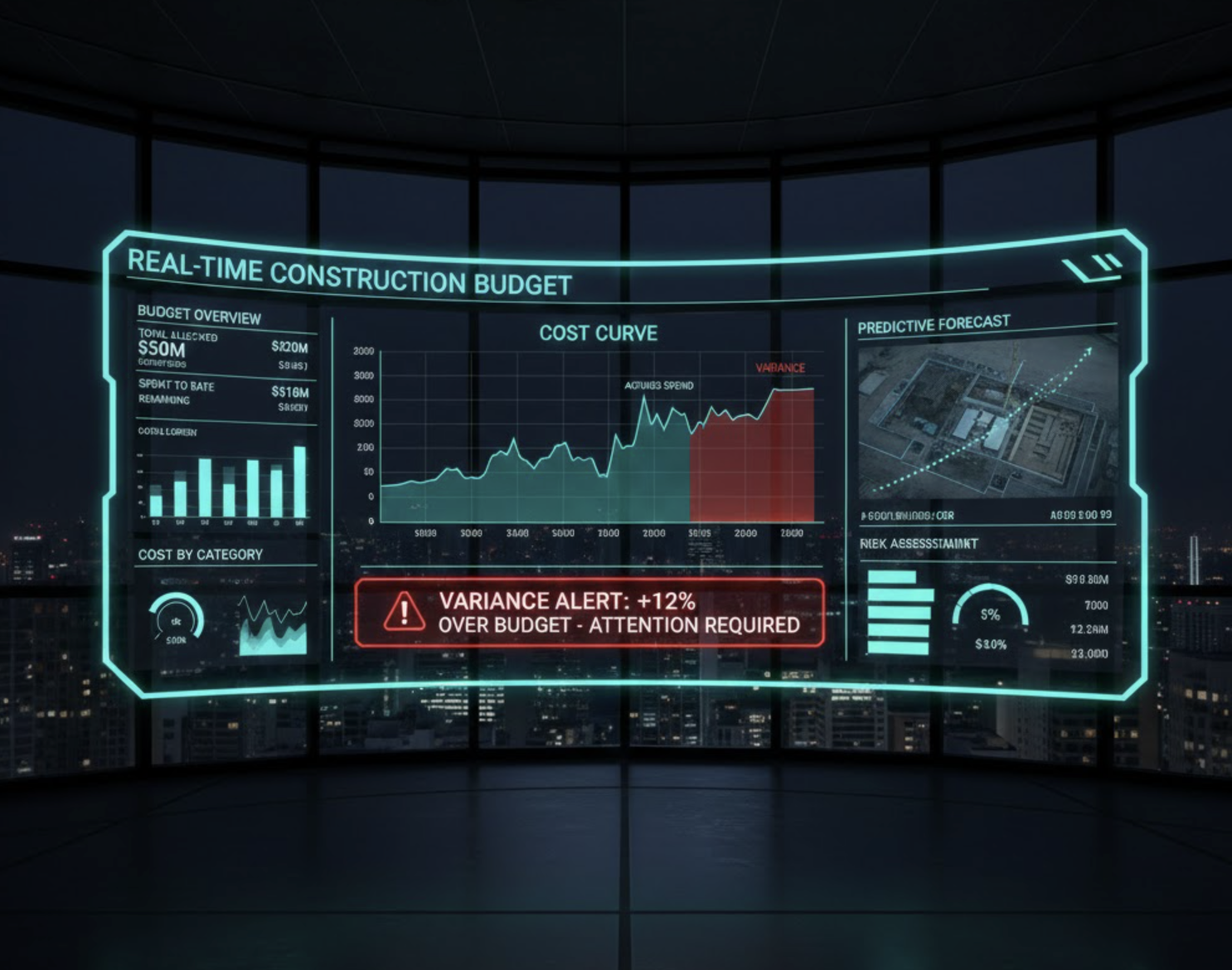
4. Financial Precision & Control: Construction cost control software within integrated platforms combines budgeting, forecasting, and real-time progress tracking. These systems adapt to schemes like retentions, milestone-based billing, and dynamic procurement—advancing far beyond static spreadsheets for true construction financial tracking software.
How Zepth Core Specifically Addresses Dubai’s Challenges
Zepth Core is engineered for the realities of rapid, multi-stakeholder, and future-proofed construction. Its ecosystem redefines what construction lifecycle management software can achieve for the Dubai market:
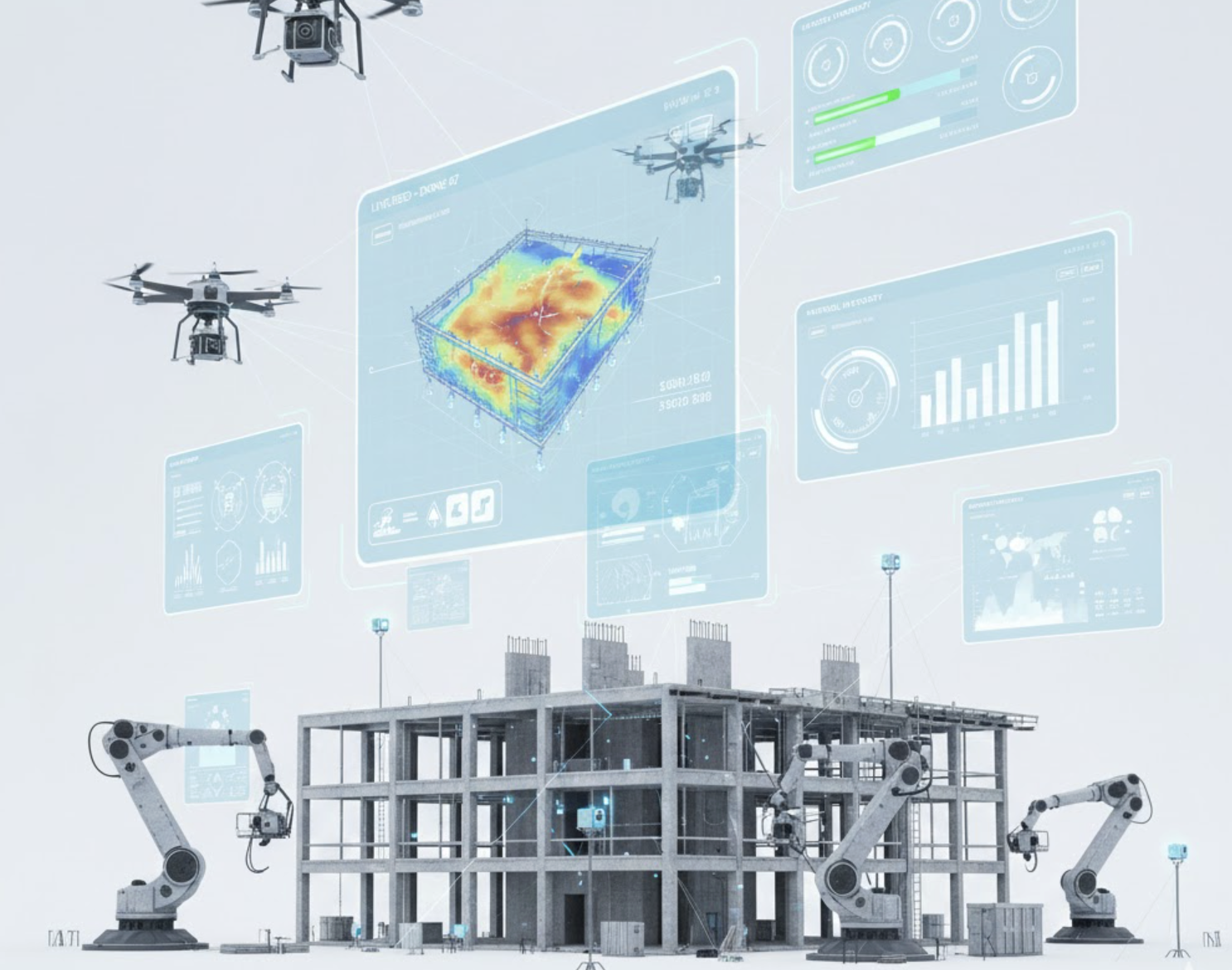
Comprehensive Jobsite Management: Zepth’s modules connect HSE Compliance, Non-Conformance Tracking, and Site Instructions, building a digital twin of the jobsite. Visual tools like Zepth360 offer transparent, location-based 360-degree progress—critical for remote owners and investors monitoring Dubai’s globally funded projects.
Advanced Document Management & Collaboration: With the Document Register and customizable approval workflows (Submittals, Transmittals, Authority Approval), project teams ensure the right information reaches the right hands, every time. Are digital document systems really more secure than traditional methods? Modern AI document management software not only controls access but logs every action for unmatched traceability and compliance.
Proactive Financial and Risk Oversight: The Project Cost Control, Risk Register, and Mitigation Plan modules converge cost tracking, risk flagging, and scenario analysis. Leadership gains a single window into risk mitigation in construction and ongoing cost, using construction analytics and insights dashboards for decisions grounded in real-time data.
Adaptability for Compliance and Sustainability: As Dubai introduces more green building standards and complex regulatory clearances, Zepth’s construction compliance software ensures logs, workflows, and reports are always up-to-date and adaptable— empowering teams to lead in sustainable construction management.
Sustaining Success: The Future of Project Controls in Dubai
Dubai’s construction sector is not slowing; it is evolving. As teams take on taller towers, massive infrastructure, and tighter timelines, only AI construction platforms equipped for real-time, predictive, and collaborative work can match the city’s ambition. Cloud-based construction management and digital twins streamline coordination, while BIM (Building Information Modeling) integration automates compliance and ensures everyone is designing, building, and delivering from a single source of truth. What is a common data environment for construction? It is a digital workspace—such as the core of Zepth—where all information, models, and correspondence are unified to prevent data loss, duplication, and project drift.
By shedding legacy controls, Dubai’s builders unlock levels of intelligence, risk resilience, and financial discipline perfectly suited to the market’s scale and speed. With tools like Zepth Core, businesses not only catch up but take the lead in global construction tech innovation. In the coming years, automation, smart analytics, and seamless collaboration will no longer be competitive advantages—they will be the standard that Dubai’s future demands.