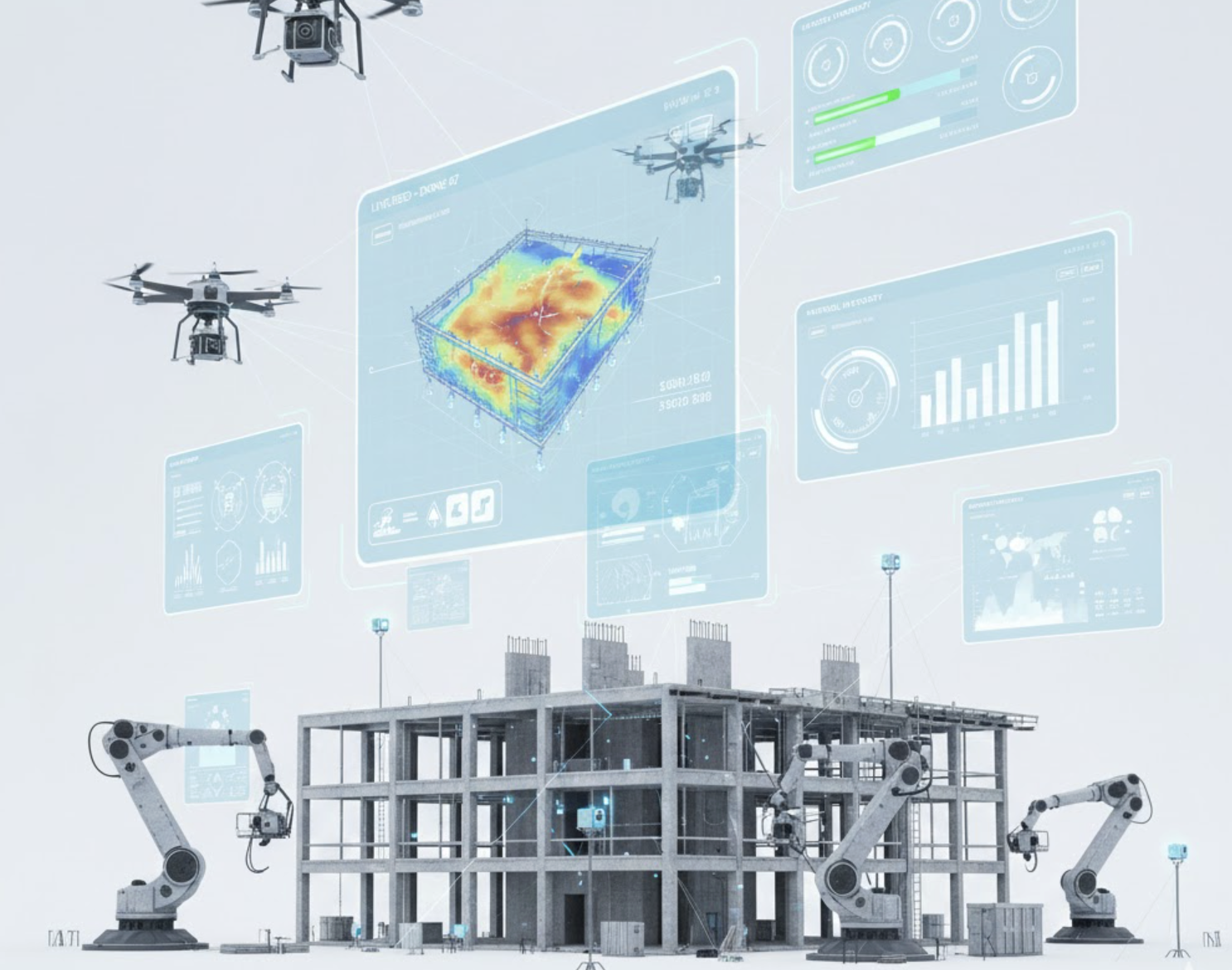

Hotel management software and hotel asset management platforms have always evolved alongside the industries they serve. Nowhere is this transformation more critical—or more challenging—than in Saudi Arabia, where Vision 2030 is fueling an unprecedented construction surge. If you are approaching the Kingdom’s multi-layered project landscape, solving MIS struggles is no longer a technical exercise: it’s a mission-critical business imperative. Let’s explore the landscape, the pitfalls of Business-as-Usual, and how modern, AI-powered platforms like Zepth Edge can empower your expansion with unified, real-time, and regulatory-compliant insights.
Saudi Vision 2030: The Construction Boom That Demands MIS Excellence
Saudi Arabia’s Vision 2030 is more than a roadmap—it’s a revolution, marked by an over $1.25 trillion investment in construction, making it the Middle East’s largest market by value. Giga-projects such as NEOM, The Line, Qiddiya, Diriyah Gate, and the Red Sea Project reflect both global ambition and local complexity. These projects not only represent massive economic diversification but also introduce a scale, pace, and regulatory rigor rare in any other region. Stakeholders, ranging from global developers to local JVs, are converging on these projects, often with preexisting processes and tools from their home markets. However, the Saudi context—with its sprawling multi-package tendering, aggressive schedules, Saudization compliance, and intricate client reporting—makes robust hotel portfolio management systems and construction-centric MIS solutions absolutely essential.
Why has MIS become strategic in Saudi expansion? It’s the gateway to project governance, risk control, and regulatory reporting. Decision-makers must have swift, accurate answers for cost, schedule, risk, and compliance, often spanning multiple JV partners and regulatory bodies—turning MIS from a passive IT function into an active competitive edge.
Defining MIS in the Context of Saudi Projects
Within this landscape, Management Information Systems (MIS) are far more than platforms—they’re the nervous system of construction operations. A Saudi-ready MIS must seamlessly aggregate site, cost, schedule, procurement, quality, safety, and risk data, validate and standardize it, and present it through actionable, executive-grade dashboards. The modular depth includes:
- Project controls (cost, scheduling, change management)
- Site and progress tracking (real-time daily logs, quantity tracking)
- Procurement, contracts, and document management
- Quality, safety, and risk management
- Resource, workforce, and compliance tracking (e.g., Saudization, IKTVA)
What truly distinguishes a Saudi-centric MIS? Compliance extensions, like Saudization quotas, GOSI reporting, local building codes, and bilingual (Arabic/English) support. Without these, even the most advanced platforms fall short of regulatory bar and fail to ensure seamless project delivery across the Kingdom’s unique labor and client ecosystem.
The Reality: Why Traditional MIS Approaches Struggle in KSA
Despite their best efforts, many contractors and operators expanding into Saudi Arabia encounter several recurring MIS struggles that threaten both compliance and competitiveness:
Data Fragmentation & Siloed Tools:
Teams juggle separate systems for costs (ERP), schedules (Primavera), site data (spreadsheets, WhatsApp), and compliance (manual filing). JV partners and subsidiaries use mismatched formats, forcing error-prone manual consolidation. A project leader might ask, “How can I quickly check risk exposure across all NEOM packages?”—yet find no simple answer due to data silos.
Lack of Standardization:
Every project invents its own reports, dashboards, and KPIs, making aggregate insights virtually impossible. There’s no unified language for performance, so lessons remain project-specific instead of institutional knowledge.
Poor Data Quality & Timeliness:
Overreliance on late Excel updates and unstructured communication means that decisions are often based on outdated or incomplete information. It’s common for leaders to wonder, “Why does our MIS consistently reflect last month’s numbers rather than today’s reality?”
Regulatory Misalignment:
Saudi-specific compliance, labor, and Saudization reporting require tailored data capture and rapid adaptation. Global contractors often face manual workarounds to meet mandated formats, risking delays and compliance penalties.
Limited Portfolio Visibility:
As companies scale from a handful of projects to dozens across regions, the lack of a unified view makes it hard to compare financials, risk, and resources across the Saudi portfolio—hobbling executive decision-making.
Cultural & Change-Management Hurdles:
Teams spanning Saudi nationals and expatriates (with different digital maturity) often resist centralized, structured systems, clinging to “quick fixes” that undermine MIS adoption and data integrity.
Wondering how to improve construction data accuracy in such a fast-paced environment? The answer lies in automation, real-time capture, and platform standardization—not just more effort from overburdened teams.
What a Saudi-Ready MIS Must Deliver
To transform these struggles into a strategic advantage, an effective MIS for Saudi expansion should provide:
- Centralized, Configurable Platform: With standardized structures (WBS, cost codes) but flexibility to adapt to client templates and approval workflows.
- Real-Time, Site-Level Data Capture: Mobile-friendly, bilingual data entry, even in remote locations, to ensure instant information flows from site to boardroom.
- Integrated Project Controls: Seamlessly link cost, schedule, change, and procurement; roll up earned value and productivity across the portfolio.
- Strong Document & Workflow Management: Unified environments for drawings, approvals, and technical documentation with audit trails and version control.
- Built-In Risk & Compliance Tools: Automated logs and dashboards aligned to Saudi KPIs, regulations, and labor market reporting requirements.
- Interoperability: APIs and integrations with ERP, HR, BIM, and scheduling tools to ensure a connected digital ecosystem.
- Data Security & Governance: Role-based access, JV sensitivity, and client confidentiality at every reporting layer.
Can a single system handle the complexity of mega-projects and evolving regulatory demands in Saudi Arabia? Yes, but only with next-generation, AI-powered hospitality management platforms designed for regional realities and scalability.
Real-World Use Cases: MIS in Action Across Saudi Mega Projects
Leading construction, real estate, and hospitality organizations deploying modern MIS—especially those integrating AI in hospitality and hotel financial management software—can harness significant competitive advantages, such as:
Executive Portfolio Dashboards:
Organizations spanning multiple giga-projects (NEOM, Jeddah, Riyadh) require portfolio dashboards to aggregate budget vs. actuals, schedule deviations, risk heatmaps, and Saudization KPIs. MIS dashboards provide clarity for board reports, investor updates, and optimize resource allocation across assets.
JV Governance and Compliance:
JVs with local Saudi partners need dual coding, shared dashboards, and consolidated reporting tailored to both global and client standards. This reduces disputes, streamlines compliance, and creates a ‘single source of truth’.
Package Management in Mega Projects:
Complex subcontracts and aggressive deadlines require MIS platforms capable of daily item-level progress tracking, automated change management, and real-time claims documentation—minimizing project risk and maximizing defensibility in disputes.
Regulatory & Audit Readiness:
When a regulator or PIF-backed client demands systematic logs for HSE, Saudization, and quality, a capable MIS answers with detailed, timestamped records, supporting audit readiness and preserving contractor reputation.
How do companies maintain compliance and standardize processes across growing portfolios? By embedding rules, reporting templates, and validation steps directly within the MIS, reducing manual intervention and audit risk.
Best Practices: Shaping a Future-Ready MIS for KSA
To solve persistent MIS struggles, organizations pursuing Saudi expansion must:
- Ground MIS in Business Governance: Go beyond tools to define who sees what, when, and how. Harmonize global frameworks with Saudi specifics for roles, KPIs, and definitions.
- Standardize Data Structure & KPIs: Build core templates for WBS, cost, risk, and logs, but ensure Saudi-specific fields extend—not replace—global standards. This supports data reuse and learning transfer project to project.
- Leverage an Integrated Platform: Select all-in-one, cloud-based hospitality management systems that allow every stakeholder—from site engineer to HQ executive—controlled access to real-time project, asset, and financial information.
- Prioritize Field-Level Data Capture: Equip field teams with mobile, bilingual solutions for instant entry of daily logs, inspections, and non-conformance issues—enhancing accuracy and timeliness.
- Embed Change & Claims Workflows: Link site events, change requests, and claims directly to contract, schedule, and cost modules, providing airtight documentation and defensibility.
- Ensure Localization, Scalability: The platform must scale fluidly from single to multi-project, multi-entity deployments and adapt to future giga-projects without custom hard-coding.
- Drive Adoption through Training: Invest in ongoing training, tailored to each role and language group, and foster understanding of why data accuracy matters as much as how to use the system.
What are the benefits of digital transformation in hospitality and construction? It enables real-time decision-making, compliance, and portfolio optimization across every property or project in your expanding Saudi business.
How Zepth Empowers Saudi Expansion: A Unified MIS Platform for Construction and Hospitality
Zepth Edge is built from the ground up as a next-generation AI-powered hospitality management platform, purpose-fit for the complex, multi-entity demands of Saudi expansion. Here’s how Zepth solves MIS struggles for organizations driving Vision 2030:
Unified Data & Configurability: Zepth centralizes controls, documents, risk, quality, and site collaboration into a single, cloud-based solution. Its highly configurable architecture means you can deploy Saudi-specific reporting (Saudization, IKTVA, GOSI) alongside global templates.
Integrated Project Controls: Real-time cost tracking, earned value analytics, and schedule integration (with Primavera and more) empower leaders to see performance snapshots across the entire Saudi portfolio. Change and claims workflows are embedded, bringing full visibility and defensibility in complex projects.
Collaboration & Workflow Automation: Zepth’s Common Data Environment ensures all stakeholders—JV partners, local clients, and corporate HQ—work from the same drawings, submittals, and communication threads, with detailed audit trails and customizable approval chains.
Risk, Quality, and Safety Modules: Integrated risk registers, quality checklists, Bilingual mobile site updates, and safety reporting streamline compliance with Saudi stakeholder and regulatory demands.
Field-to-Boardroom Integration: Mobile-first design allows real-time, accurate data capture from jobsite to dashboard; site activities roll up instantly into portfolio-level analytics, significantly reducing manual reporting effort.
Portfolio & Stakeholder Governance: Zepth supports secure, role-based access, making it simple to manage multiple concurrent projects, JV structures, and layered reporting—all from one interface.
Implementation & Training: Zepth’s onboarding, process mapping, and training modules are built to address multilingual, multi-role teams, ensuring rapid adoption and data hygiene as your Saudi portfolio grows.
Looking Ahead: Innovations in MIS for the Kingdom
Saudi construction’s digital future includes AI tools for hotels and mega-projects that monitor progress and risks, predict bottlenecks, and recommend interventions. Zepth’s AI-led modules, predictive analytics, and integration with BIM (4D/5D) place it at the heart of next-generation hospitality analytics and insights. Sustainability, ESG, and real-time carbon and labor tracking now form standard MIS KPIs—ensuring your Saudi operation aligns with Vision 2030’s green imperatives as well as its growth ambitions.
What is real-time hospitality data analytics? It’s the capability to process and present live project, guest, or asset information, empowering managers to react instantly—not after the fact. In Saudi Arabia’s fast-moving landscape, this is a non-negotiable advantage.
Conclusion: Turning MIS from Bottleneck into Competitive Edge in Saudi Arabia
The pace and complexity of Saudi Vision 2030’s construction and hospitality wave demand a radical upgrade from conventional MIS thinking. Fragmentation, delayed data, and compliance gaps can no longer be tolerated in giga-project, multi-asset environments. The solution is a unified, AI-driven, cloud-based hospitality management system—one able to configure to Saudi specifics, scale with your ambitions, and deliver actionable insights from field to boardroom. Zepth Edge stands ready as this Intelligence Edge, turning MIS from a bottleneck into a performance powerhouse for your Saudi expansion. With Zepth, every decision is smarter, every report is compliance-ready, and every project is aligned with the future of the Kingdom.