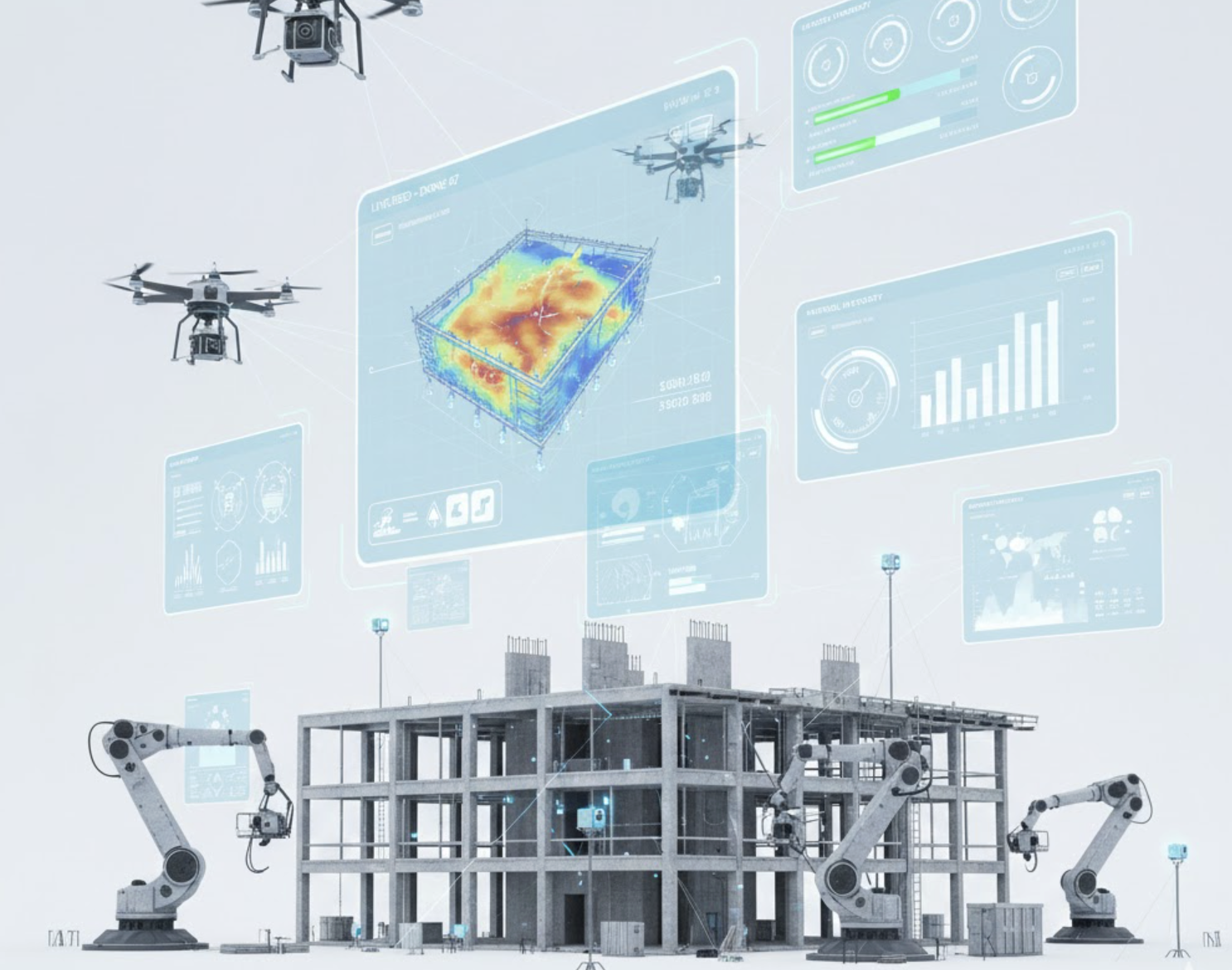
Modern construction project management software has transformed the way safety incidents are handled, making safety not just a priority but an integral part of every project workflow. By linking safety incidents to advanced documentation practices—powered by AI in construction—firms can ensure compliance, mitigate risks, and unlock new efficiencies. This alignment is particularly significant in today’s fast-moving, data-driven construction landscape. Platforms like Zepth Core offer a unified, AI-driven construction management ecosystem, proving how a common data environment for construction revolutionizes jobsite management, incident reporting, and document control.
Why Documentation Drives Jobsite Safety
Every safety incident, from minor near-misses to more severe accidents, reveals a story about risk exposure, procedural adherence, and decision-making on the jobsite. But unless these stories are documented, analyzed, and acted upon, lessons remain unlearned. The value of construction document management lies in capturing these incidents comprehensively, ensuring accountability, and facilitating knowledge transfer across projects.
Ask anyone managing multiple sites: “How do I ensure that safety learnings are consistently implemented across all teams?” The answer lies in smart documentation. By centralizing data using construction analytics and insights modules—such as those in Zepth Core—teams gain structured records of every incident report, HSE compliance notice, and safety violation. This central repository, or common data environment for construction, allows teams to monitor patterns, issue timely reminders, and drive evidence-based culture changes. AI-powered project management tools add another dimension by automating incident tracking, highlighting compliance gaps, and integrating analytics directly into daily safety routines.
The Role of AI-Driven Construction Management in Risk Mitigation
AI tools for construction enable teams to surface hidden risks and preemptively address weaknesses before they result in real injuries. With Zepth Core’s Incident Reporting and HSE Compliance modules, safety events get captured instantaneously. Built-in workflow automations route incidents to the right stakeholders, trigger follow-up actions, and attach related documentation—layouts, safety plans, inspection reports—with a few clicks. This seamless linkage ensures no incident is isolated; everything connects back to project documentation and risk management plans, supporting holistic project tracking.
Frequently, managers ask, “What’s the most effective way to track construction site incidents and ensure accountability?” AI-risk management in construction answers this with automation and real-time analytics, forming the backbone of effective jobsite management tools. Visual tools like Zepth360 go further, allowing projects to capture images, 360-degree views, and even video walkthroughs, linking them directly to incident logs. Such solutions are at the core of construction tech innovation and digital transformation in the industry.
Key Benefits of Linking Incident Reporting with Documentation
- Faster Response and Resolution: Automated alerts ensure incidents are addressed immediately.
- Enhanced Compliance: Documentation of every incident supports audit readiness and regulatory reporting.
- Data-Driven Insights: Analytics tools uncover recurring issues and inform smarter mitigation plans.
- Centralized Knowledge: All project teams can access historical records and best practices, ensuring no lessons are lost.
- Seamless Collaboration: Integrated communication tools (like Zepth Core’s Mail and Task Management) keep the right people informed and accountable.
Integrating Documentation Throughout the Safety Lifecycle
Modern construction lifecycle management software doesn’t just house documents—it threads documentation through all project touchpoints. In practice, this means that a site supervisor spotting a safety violation can instantly record the event, link it to specific locations or drawings, trigger RFIs for clarification, and assign corrective actions directly from the platform. Submittals, Material Inspection reports, and Authority Approval logs—all connect to create a digital twin of project safety records.
For teams aiming for sustainable construction management, this digital trail is invaluable. It offers traceability for every safety directive, materials check, or procedural update. When paired with smart construction management tools, Zepth enables predictive forecasting, letting managers ask, “How can I predict and prevent future incidents?” The answer is robust historical analysis and machine learning algorithms that surface hidden risk trends, making risk mitigation in construction proactive, not just reactive.
Financial and Compliance Implications of Smart Documentation
Linking safety incidents to documentation practices impacts more than just project execution; it directly affects construction financial management tools and compliance efforts. Accurate documentation is the foundation for insurance claims, regulatory audits, and project cost control software. By capturing every detail—incident timing, root causes, corrective measures—platforms like Zepth Core arm financial controllers and project managers with the data required for precise budgeting, risk allocation, and ongoing improvement.
This holistic approach also answers a common query: “What tools help construction companies stay compliant and manage project costs tied to safety?” Construction compliance software and project budgeting tools for construction now incorporate integrated incident logs and documentation, turning risk management and financial oversight into connected processes. With Zepth’s Insights & Analytics module, these connections become visual, providing dashboards and automated risk reporting that drive confident, data-based decisions.
Best Practices for Linking Safety and Documentation with Zepth Core
To realize these benefits, organizations must build disciplined, tech-enabled safety cultures. This includes:
- Mandating structured use of incident reporting, non-conformance, and safety violation tools across all jobsites.
- Enabling mobile-first field reporting for quick, accurate data capture (leveraging platforms like Zepth Bldz for smaller teams).
- Training all staff on integrating visual documentation (photos, videos, digital checklists) via Zepth360 or similar modules.
- Centralizing specifications, RFIs, and submittals in a searchable document register to ensure everyone is referencing the latest information.
- Using real-time analytics to flag sites with increasing incident frequency or compliance lapses for immediate intervention.
As construction industry digital transformation accelerates, platforms offering AI construction automation and cloud-based management—like Zepth—set new standards for effective, accountable, and risk-mitigated project delivery. When safety and documentation go hand in hand, companies see not only safer jobsites but also higher productivity, reduced legal exposure, and stronger bottom lines.
From digital twins in construction to AI-powered document workflows, the future of construction risk management is inextricably linked with how we document, analyze, and act on project safety data. Zepth Core exemplifies this future—where incident reporting, documentation, analytics, and financial control converge for a smarter, safer, and more resilient construction industry.