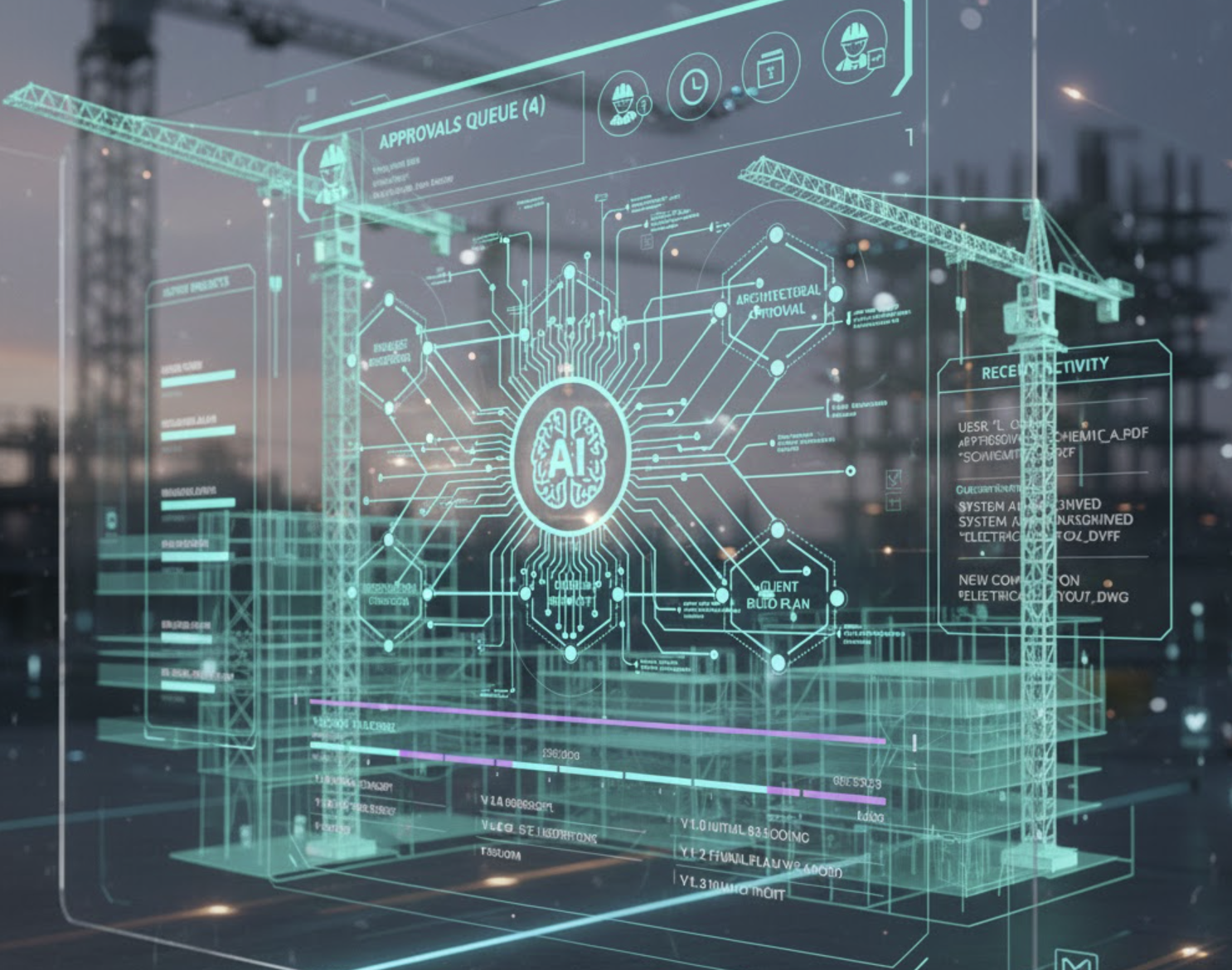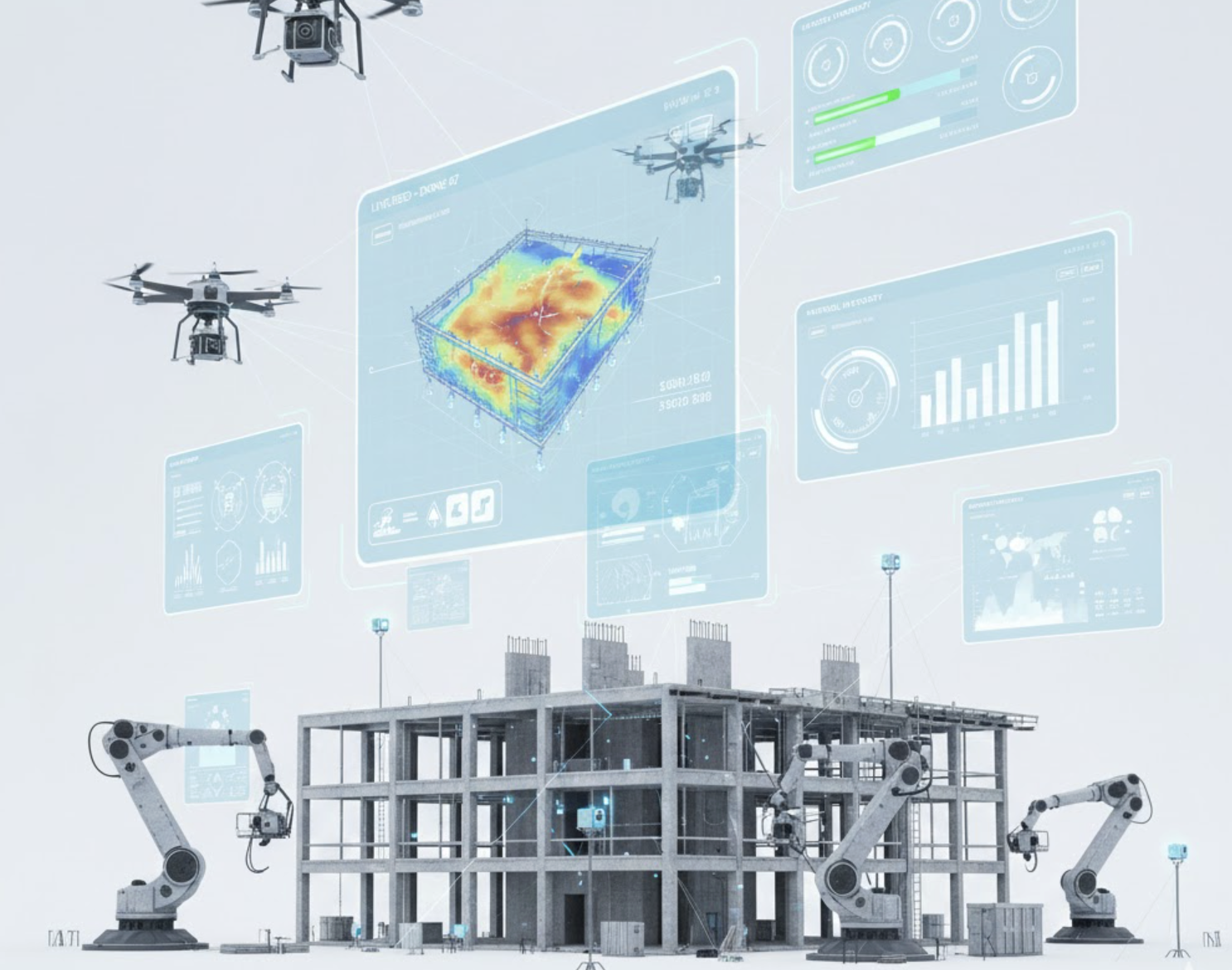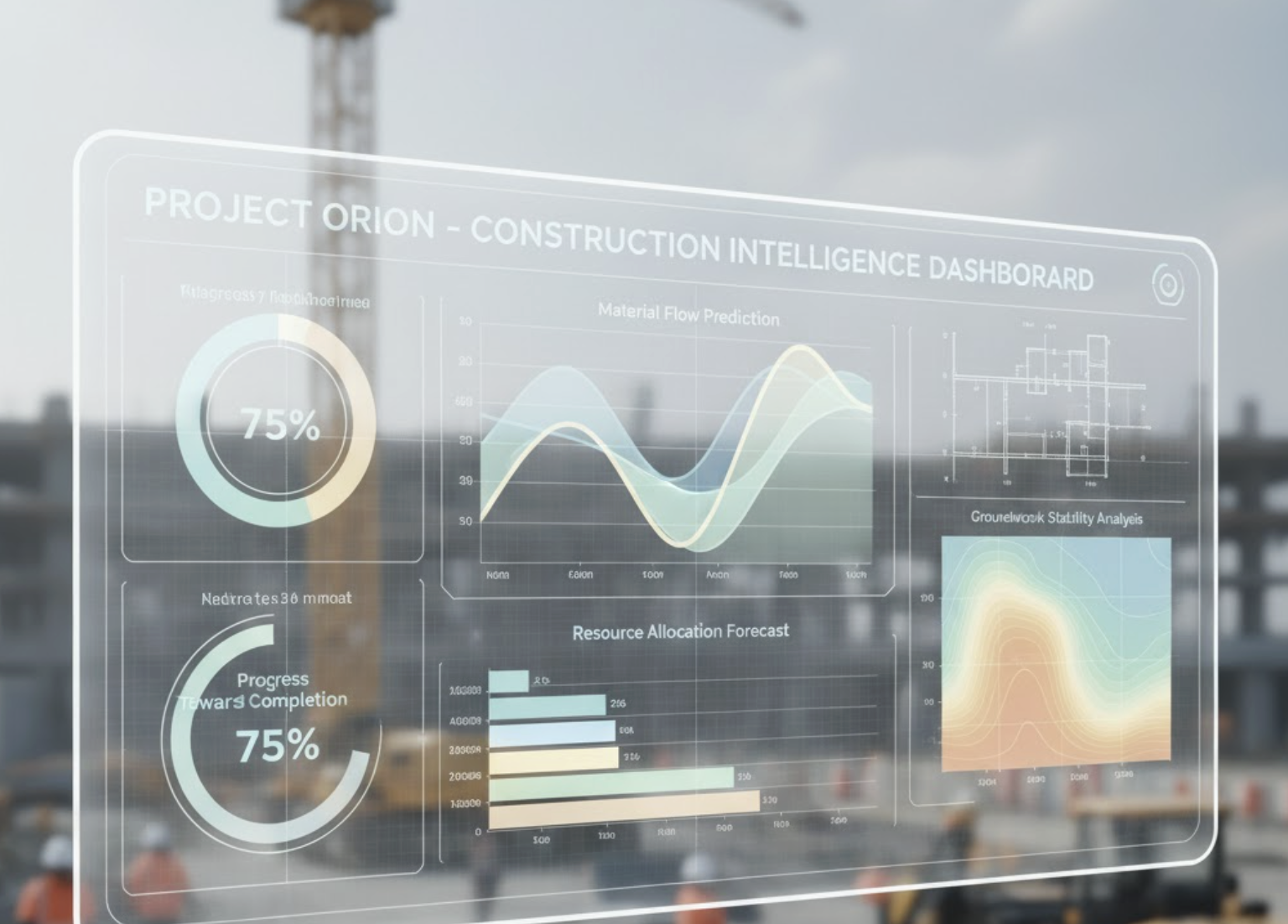

Construction project management software has long promised to unify sites and streamline workflows, yet the notorious disconnect between the field and the office persists. Bridging the gap between field and office with integrated jobsite management is now possible, thanks to platforms that offer a single source of truth for all project participants. Leveraging AI in construction and smart jobsite management tools like Zepth Core, organizations are moving beyond email chains, paper logs, and outdated spreadsheets—embracing real-time connectivity that fundamentally improves how jobsites and back-offices operate together.
Why Do Field–Office Gaps Persist in Construction?
Despite investment in digital construction tools, many teams still rely on paper tickets, ad-hoc messaging, and manual data entry to manage field activities. This approach creates several critical issues:
- Delays and double work: Manual transcription and repeated data entry slow down decision-making and foster mistakes, leading to costly rework.
- Version control problems: Crews might reference outdated drawings or specs, as changes get lost in emails or physical folders, often causing on-site confusion.
- Lack of project visibility: Office teams struggle to track real progress, as real-time field data rarely reaches the necessary stakeholders quickly enough.
- Poor risk management: Without timely insights from the jobsite, issues around safety, compliance, and cost overruns emerge late—if at all.
This fragmented approach undermines even the most experienced project managers, resulting in disputes, missed change orders, and schedule or budget overruns. Many professionals ask, “How can I keep my office and field teams truly aligned?” The answer lies in integrated jobsite management.
What Is Integrated Jobsite Management?
Integrated jobsite management merges all critical field and office workflows into a single unified platform, making digital collaboration the norm rather than the exception. Platforms like Zepth Core enable crews to log data with mobile devices, from inspection photos and punch-lists to material usage and RFIs. As soon as field staff updates information, dashboards, financial trackers, and compliance logs for office teams are automatically refreshed. This creates a true common data environment for construction, where everyone—from the superintendent to the CFO—works with the same up-to-date information.
Integrated jobsite management drives AI construction platform adoption, with automation and smart workflows that capture:
- Jobsite activities, progress, and incidents
- Timesheets, equipment logs, and material tracking
- Quality control, safety checks, and HSE compliance
- Document management, RFIs, submittals, and change orders
- Cost data and forecasting tools
With Zepth Core’s connectivity, project managers can instantly generate AI-powered project management insights, while executive teams gain strong oversight through construction analytics and insights modules. It’s more than just convenience—it’s transforming construction industry digital transformation strategies for the long-term.
Key Benefits for Field and Office Teams
The value of integrated jobsite management extends across the project lifecycle—improving communication, driving accountability, and strengthening financial and safety outcomes. Here’s how:
1. Real-time Communication & Faster Decisions
Digital daily reports, inspection photos, and RFIs entered on-site appear instantly on office dashboards. Question: How does real-time communication help construction management? Real-time communication ensures that issues are cleared up quickly, stopping small problems from growing. Project teams resolve problems before they escalate, thanks to immediate visibility, automatic notifications, and clear audit trails. This helps avoid costly work stoppages and reduces ambiguity about project status.
2. Enhanced Cost & Schedule Control
Labor hours, quantities, and change orders logged onsite flow directly into budgets, forecasts, and construction financial management tools like Zepth Core’s Project Cost Control module. This creates a tight link between work completed and financial tracking, giving project leaders true construction cost control software capabilities. Schedules and forecasts reflect actual conditions, not assumptions, shrinking the gap between plan and reality—and reducing disputes over payment or change orders.
3. Accountability, Safety and Productivity
Automated tracking of inspections, compliance, and site instructions—coupled with documentation from modules like Non-Conformance and Safety Violation—clarifies who is responsible for each action. When everyone works from a single platform, bottlenecks and trends are easy to spot. Field and office roles become more accountable, with instant feedback loops that drive continuous improvement and a culture of safer, high-quality builds.
4. Advanced Analytics and AI-driven Action
When project data flows instantly from field to office and back, the entire team benefits from smart construction management tools. With Zepth’s Insights & Analytics, predictive AI risk management in construction becomes possible, enabling project leads to act proactively on delays, safety trends, or cost exposures. Question: What are the advantages of AI-powered analytics in construction? AI-powered analytics make it easier to spot risks early and track project performance, leading to improved outcomes and more predictable results.
Closing the Gap: Practical Features in Zepth Core
Zepth Core’s rich library of modules goes far beyond basic logbooks or document storage. It translates construction lifecycle management software concepts into actionable features on both mobile and desktop, such as:
- Jobsite Management: Captures everything from inspections, snag lists, and HSE compliance violations to daily and progress reports, ensuring field data is thorough and actionable.
- Zepth360: Links photos, videos, and even 360-degree views directly to floor plans, making progress visual and transparent to all stakeholders.
- Document Management: The Document Register, RFI Management, and Submittals modules offer secure, auditable workflows for every drawing, requirement, and review—accessible from anywhere and updated in real time.
- Project Financials: Project Cost Control tools integrate field data with financial controls for construction financial tracking software excellence, improving forecasting and cash flow management.
- Risk Management: With integrated Risk Registers, Mitigation Plans, and Risk Reporting, Zepth Core enables true AI tools for construction risk mitigation—helping teams log, classify, and resolve exposures before they become crises.
Field teams access all these modules through a cloud-based, mobile-first experience, so site events are never lost in translation while office users work confidently knowing their data reflects real conditions from the jobsite.
How to Implement an Integrated Jobsite Management System
Organizations new to digital construction project tracking software often begin by mapping current communication and reporting processes to find where information gets delayed, duplicated, or lost. From there, it’s wise to digitize the highest-impact workflows first. For example, teams see dramatic improvements by starting with digital daily reports, field time capture, and RFI submissions. Gradually expanding into more advanced modules—such as cost integration, automated scheduling, and AI-driven analytics—ensures teams aren’t overwhelmed and adoption remains high.
Question: What are the typical challenges in digital construction management adoption? Common hurdles include resistance to change, training needs, and data migration issues. Successful implementations prioritize training for superintendents and foremen (as champions), begin with a pilot project, and align key KPIs—like reduced rework or faster approvals—across both field and office. Phasing in advanced features and using feedback loops ensures steady progress and positive return on investment.
Alignment on shared outcomes is key. Whether the focus is on reducing rework, shortening approval cycles, or improving forecast accuracy, it’s critical that everyone understands how data-driven construction tech innovation translates into on-the-ground wins. Enterprise platforms like Zepth Core are architected with this collaboration in mind, serving both major contractors and niche specialists who want better results with less friction and waste.
In Summary: Closing the Distance for Modern Construction Success
Bridging the office–field gap in construction is less about flashy new features and more about building a tightly integrated common data environment. Centralizing information with reliable, AI-driven construction management software means faster decisions, fewer costly errors, and true accountability. From BIM integration and digital twins in construction to cloud-based construction management that’s always accessible, the future belongs to those leveraging unified platforms. Zepth Core embodies this shift—empowering teams to work smarter, respond rapidly, and deliver the high-quality, on-budget projects that today’s built world demands.