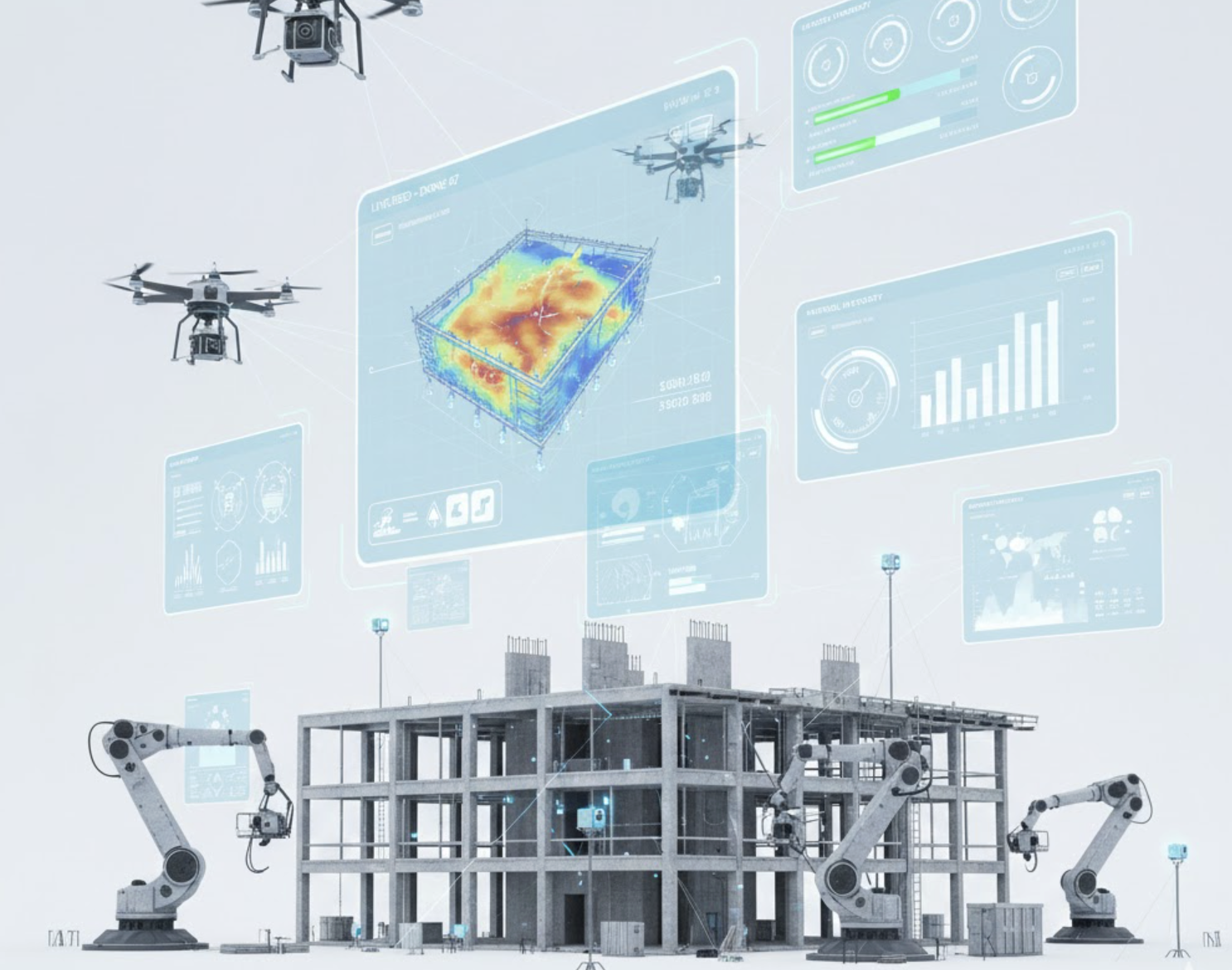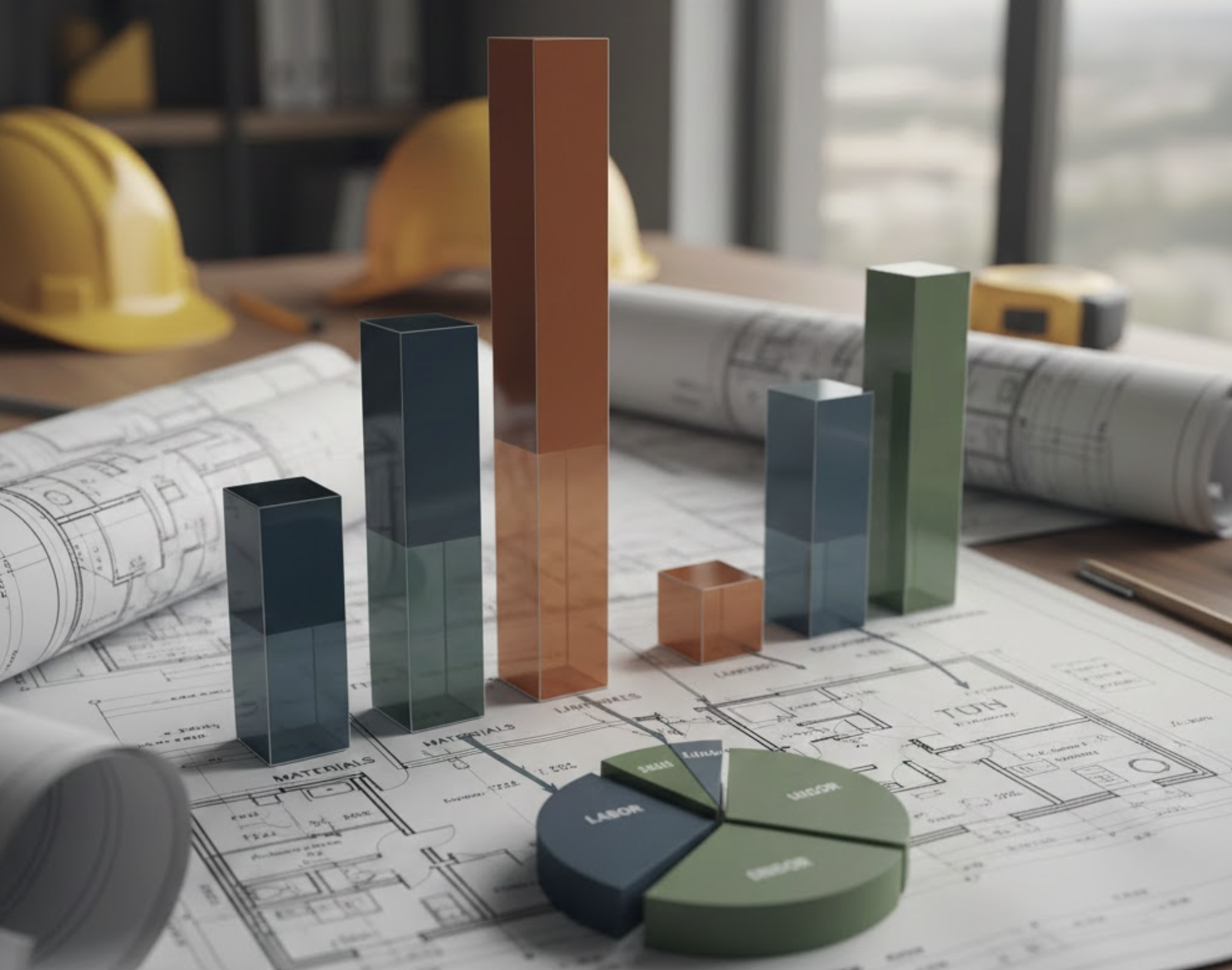

Construction project management software has redefined budget control—what once relied on scattered spreadsheets and slow updates now runs through integrated, automation-driven platforms. Today, efficient budget control means proactive cost management, real-time analytics, AI-driven insights, and reduced exposure to overruns. As construction risk management grows more complex, AI-powered project management tools offer a level of visibility and responsiveness that legacy methods can’t match. Platforms like Zepth Core make it easier than ever to control costs, protect margins, and maintain a common data environment for construction.
Why Controlling Construction Budgets Is Harder Than It Looks
Budget control in construction is a constant battle. Projects stretch across long timelines, with volatile prices and shifting scopes—leaving static spreadsheets outdated almost as soon as they’re created. Even modest disruptions—unexpected material price hikes, schedule slips, or change orders—can wipe out thin margins almost overnight. Most teams are forced to juggle budgets, contracts, and invoices using fragmented emails, tangled spreadsheets, and outdated tools. This makes it almost impossible to get a real-time picture of true costs, opening the door to surprises and missed opportunities for savings.
Manual workflows only worsen the challenge. Entering and tracking data by hand introduces delays, errors, and makes it difficult to spot cost issues quickly. Different project stakeholders often see “their own” versions of the numbers, muddying collaboration instead of clarifying it. This is why so many construction projects suffer from undetected overruns. As one might ask, “Why do so many construction projects go over budget?” The answer typically lies in lack of real-time data, siloed workflows, and poor communication—all of which construction management software directly addresses.
How Construction Management Software Centralizes Budget Control
At its best, construction project management software creates a single source of truth for project finances. Platforms like Zepth Core bring together budgets, commitments, change orders, actual spend, and invoices into an intuitive real-time dashboard. With real-time construction project data at their fingertips, stakeholders—from the jobsite to the head office—can track costs as they happen, not weeks after the fact.
This level of visibility transforms how projects are managed. The system automates expense tracking and reporting, minimizing lags and manual mistakes. You get configurable reports on job costs, cash flow, and profitability—helping project managers zero in on high-cost activities and chronic overrun categories. With Zepth’s Insights & Analytics module, teams unlock construction analytics and insights that were previously hidden in spreadsheets and email threads. Simply put, better data = fast, proactive decision-making.
- Jobsite Management tools: Link real-time production, resource allocation, and site activity to cost centers for instant budget impacts.
- Daily and Progress Reports: Automate field-to-finance communication so every dollar spent is tracked, categorized, and visible.
- Construction document management: Ensure all contracts and change orders are version-controlled, approved, and tied instantly to the correct budget lines.
- Zepth360: Provide next-level context by visually connecting work progress to spend for better on-site accountability.
For those wondering, “How does real-time tracking prevent cost overruns in construction?”—it’s all about catching deviations the moment they emerge, before small issues turn into major budget threats. Construction project tracking software with real-time dashboards turns reactive firefighting into forward-looking project control.
From Estimates to Execution: How Software Reduces Early Errors
Accurate estimating is the foundation of effective construction cost control. Management software leverages historical project data and structured cost libraries to drive more precise estimates. With Zepth Core, estimate-building engines and customizable templates let teams structure costs by trade or phase—reducing the risk of overlooked expenses. Once an estimate is approved, it flows seamlessly into the active project budget, preserving cost codes and setup granularity—no more double handling or costly transcription errors.
Markups and expected margin targets are embedded, ensuring consistency across bids and realistic goals on every project. This approach minimizes surprise shortfalls and sets a clear, up-front baseline for financial performance. Users frequently ask, “What’s the best way to improve accuracy when estimating construction project costs?”—the answer is combining historical data, standardized cost codes, and estimating engines within a unified platform. Tools like Zepth Core make this process simple, moving projects from bidding to budget with accuracy and speed.
Continuous Budget Tracking, Forecasting & Variance Management
Effective budget control doesn’t end when construction starts. The best solutions for construction lifecycle management software enable continuous tracking at the line-item level. With Zepth’s Project Cost Control module, project managers can drill down to scope, code, or vendor—immediately spotting which trades or packages are driving overruns or savings. Budget vs. actual tools highlight variances in real time, allowing teams to dig in and course-correct well before project end.
Advanced AI construction analytics and forecasting models estimate “cost to complete” and final outcome based on current burn rates and commitments. Automated alerts flag budget lines nearing thresholds, so leaders can review scope, negotiate with subs, or re-sequence work before risks escalate. For those curious, “What is variance analysis and why is it important for construction budgets?”—variance analysis compares planned vs. actual spend by line-item, enabling managers to detect and address unplanned expenditures right away.
Zepth also makes it easy to adjust monthly forecasts and assumptions as field conditions or market prices change, supporting dynamic risk mitigation in construction. The payoff? Variance detection leads to timely interventions, not costly, end-of-project write-offs.
Managing Change Orders, Contracts, and Financial Integration
Uncontrolled change orders are a leading cause of cost overruns. Construction submittal software and budget control tools integrate change events, proposed and approved orders directly into financial workflows. Zepth Core’s Document Management suite makes sure every change, purchase order, subcontract, and owner contract is logged and aligned to the live budget. Anticipated but not-yet-approved exposure is tracked in the system, enabling finance teams to see risk for unbilled work and respond.
Automated flows connect site instructions, materials inspections, and contract admin to relevant cost lines, reducing errors and omissions. Seamless integration with accounting and payroll ensures that every dollar paid in the field is captured in project financials. Advanced AI document management software keeps all records secure, accessible, and up to date, with audit trails backing every transaction. For finance leaders, this means fast, accurate month-end closes and a trustworthy picture of true job costs—unlocking the power of construction financial management tools.
And with cloud-based construction management and mobile access, teams and management stay in sync wherever they are. Zepth Core’s Mail, RFIs, and Submittals modules form a common data environment for construction projects, minimizing communication silos that breed confusion and overspend.
Cash Flow, Funding Control, and the Future of Project Financials
Beyond line-item tracking, construction management software delivers cash flow control and funding visualization. Zepth lets project managers map inflows and outflows across the construction lifecycle, so teams can time billings, payments, and procurement in line with available liquidity. This real-time perspective on the project’s finances means shortfalls or funding risks can be anticipated and mitigated—long before they become critical. Construction forecasting tools, bolstered by AI in construction, are only growing smarter, helping organizations make better decisions and maintain solvent operations.
As contractors pursue digital transformation, expect even deeper integration between AI tools for construction, digital twins in construction, and BIM integration—feeding live data into financial dashboards that continuously refine forecasts and identify risks. Smart construction management tools, like those in the Zepth ecosystem, are leading this innovation wave, delivering the automation and accuracy modern projects demand.
Why Zepth Core Is Setting the Standard in Smart Budget Control
Zepth Core isn’t just another construction cost control software—it’s an AI-powered construction management platform designed for proactive, data-driven project financials. With modules spanning everything from jobsite management to document control, risk management, and reporting, it forms the technological backbone for today’s most successful builders. Whether you’re seeking construction compliance software, advanced project budgeting tools for construction, or real-time analytics for large programs and portfolios, Zepth delivers a complete solution.
With tighter integration, real-time insights, and seamless collaboration from the field to the boardroom, Zepth is helping the construction industry move beyond outdated, error-prone spreadsheets and manual workflows—empowering teams to minimize overruns, forecast accurately, and protect project margin every step of the way.