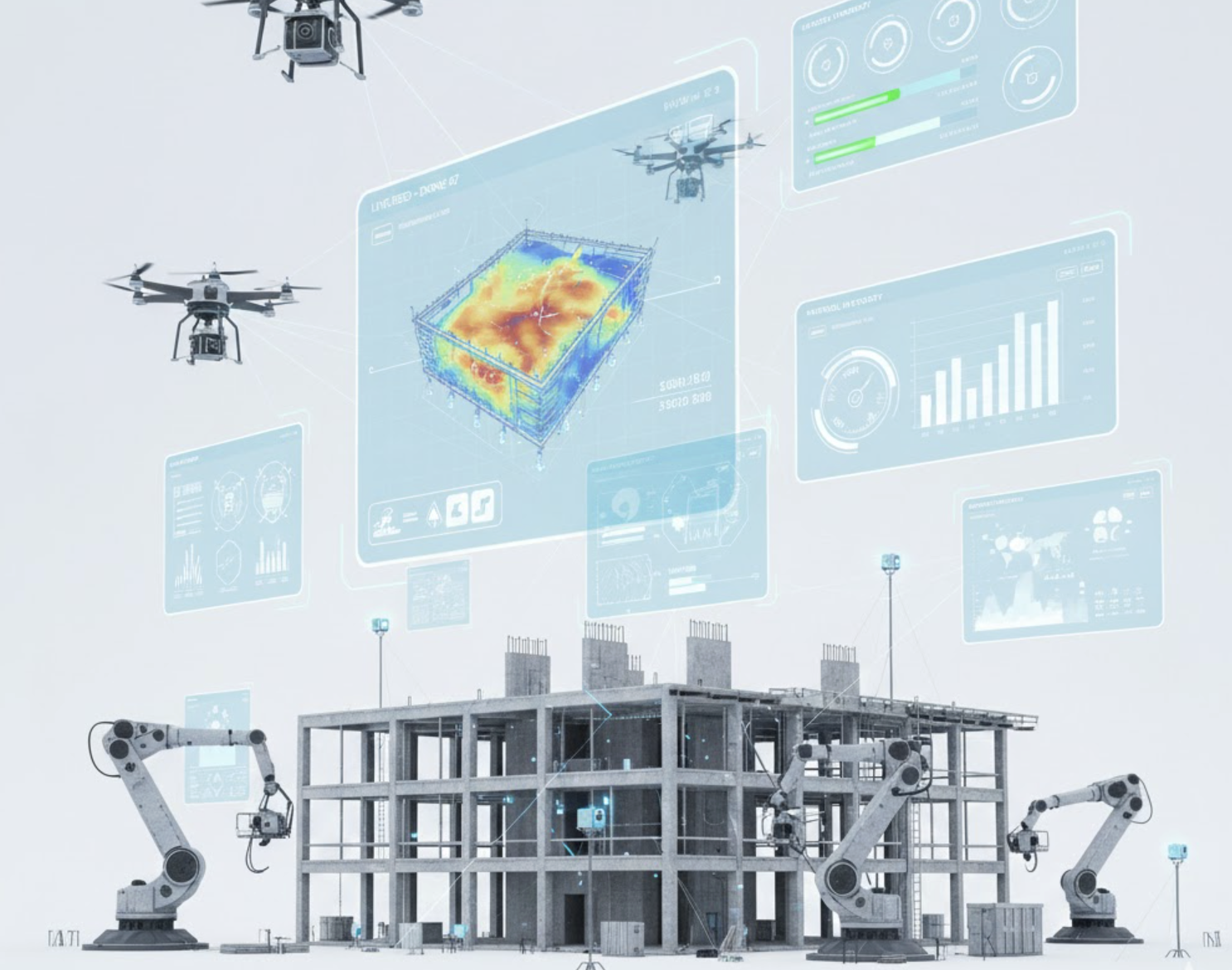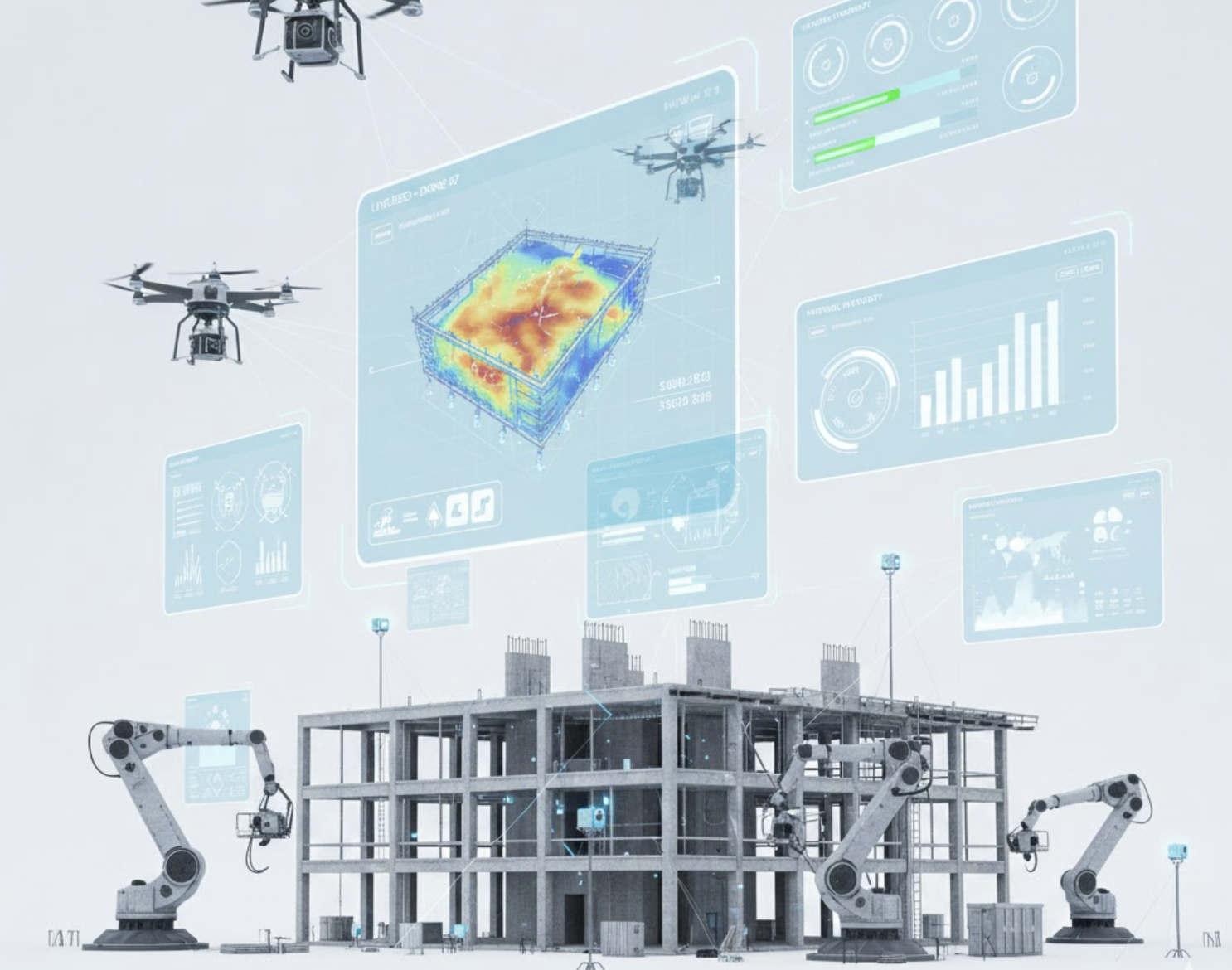

Construction project management software continues to evolve, but a persistent disconnect remains: field progress updates rarely synchronize with financial forecasts in real time. As deadlines tighten and complexity increases, closing this gap is no longer optional. Projects demand a seamless flow between boots-on-the-ground realities and boardroom financial strategies. With AI-powered project management, platforms such as Zepth Core are leading this transformation—bridging field progress and financial forecasting into a single version of the truth.
Harnessing Real-Time Jobsite Data for Financial Precision
Jobsite management tools must capture the full pulse of daily construction activities. Inspections, daily reports, incident logs, quality checks, and resource allocation all produce crucial data. Yet, when this information lives in silos—in spreadsheets or disconnected apps—the resulting lag disrupts cost control, risk forecasting, and project decision-making. That’s where cloud-based construction management platforms reimagine the workflow.
Zepth Core integrates modules including Inspections, Snag List, Non-Conformance, and Daily Reports to establish a unified data stream. Each inspection or snag instantly updates overall project status, feeding a common data environment for construction—one accessible to both field and office teams. This real-time integration is essential for modern construction project tracking software and supports BIM integration for greater transparency. AI-driven construction management platforms further amplify this capability by automating trend analysis and flagging anomalies as they arise.
How does real-time field data improve construction financial forecasting?
Real-time field data empowers project managers to detect budget slippages and resource delays early, improving financial accuracy. Automated comparisons between actual site performance and the projected schedule let teams adjust forecasts immediately, reducing nasty end-of-project surprises.
From Site Activity to Financial Clarity: The Power of Unified Data
The unpredictability of construction projects underscores the necessity of a single, reliable data ecosystem. Too often, financial forecasting tools only receive periodic data dumps—by which time cost overruns or schedule deviations may already have spiraled. By integrating jobsite management tools with construction financial management software and cost control modules, platforms like Zepth Core provide proactive, not reactive, insights:
- Direct linkage between field activity and budget tracking: When a delay or rework event is logged in the field, its budgetary impact is reflected instantly.
- Automated financial reports: Daily and weekly reports pull data straight from site logs for up-to-date, AI-powered project forecasting.
- Centralized non-conformance and HSE compliance tracking: Risk events and safety violations trigger immediate cost/risk reviews within the same platform.
This integration is vital for AI tools for construction, as uninterrupted data allows algorithms to deliver smarter analytics and actionable insights. Construction analytics and insights generated from Zepth Core’s ecosystem inform stakeholders—owners, contractors, and financiers—so they can make risk-informed decisions, not just educated guesses.
Risk Mitigation and Data-Driven Decision Making
Construction risk management flourishes when project teams have immediate, granular visibility into what’s happening on site. Zepth Core’s risk management modules—Risk Register, Mitigation Plans, and Risk Reporting—form the backbone of a risk-informed culture. When linked seamlessly with site reports and authority approvals, these modules help teams identify, quantify, and plan for risks dynamically.
Modern AI construction platforms layer machine learning models atop this unified data stream. The result is AI risk management in construction: predictive models highlight emerging risks, forecast safety trends, and propose risk mitigation strategies—well before a threat can disrupt delivery or finances. If you wonder, “How do digital platforms streamline risk mitigation in construction?” the answer comes down to constant, automated risk monitoring and rapid response planning based on real-time data, all delivered within a single digital ecosystem like Zepth.
What tools are available to monitor construction project budgets in real time?
Integrated project budgeting tools for construction, such as Zepth Core’s Project Cost Control, centralize financial data from the jobsite and procurement workflows. These tools operate alongside scheduling and resource tracking features, offering automated notifications when costs exceed thresholds and producing up-to-date budget snapshots.
Driving Industry Change: AI, Analytics, and Sustainable Project Success
The construction industry’s digital transformation depends on platforms that automate, connect, and contextualize every action along the project lifecycle. Sustainable construction management, for instance, hinges on transparent materials tracking, precise procurement, and instant auditing for compliance—not just at project completion, but as work unfolds. Zepth Core’s unified modules—Material Inspection, Document Register, Construction submittal software, Transmittals, and Specifications—remove manual handoffs and enforce accountability.
As more stakeholders demand cloud-based construction management, platforms are rapidly embedding AI-powered project management and construction tech innovation into their core workflows. These innovations span:
- AI document management software to automate approvals and maintain version control
- Real-time insights into project status and cost forecasting
- Smart construction management tools to optimize scheduling and resource allocation
- AI construction automation for routine data capture, reporting, and compliance checks
Digital twins in construction—virtual replicas of the physical project—are now integrating field updates and financials into dynamic BI dashboards. The combination of visual 360-degree progress tracking (Zepth360) and robust document management ensures all stakeholders operate from the same, most current blueprint. This holistic approach is central to the mission of a common data environment for construction.
How does AI in construction impact sustainability goals?
AI in construction improves sustainability by analyzing real-time material usage, forecasting energy consumption, and identifying opportunities to reduce waste across project stages. Automated compliance monitoring ensures projects meet green building codes, further advancing sustainable construction management.
Zepth Core: Closing the Loop Between Progress and Prediction
By anchoring real-time field data, robust document control, financial tracking, and AI-driven insights in a single cloud-based environment, Zepth Core bridges the traditional gap between project progress and financial forecasting. The impact is clear:
- Faster, more accurate jobsite reporting shortens feedback loops.
- Automated cost and risk analysis empowers proactive, not reactive, decisions.
- Intelligent workflows free up teams to focus on innovation and execution.
- Data-driven compliance and quality assurance elevate project success rates.
With growing adoption of construction lifecycle management software, the expectation now centers on real-time, actionable intelligence driving project outcomes. In this climate, solutions like Zepth Core empower construction organizations to synchronize every field activity with financial forecasting, ensure tighter compliance, optimize procurement, and innovate toward the next generation of smart, resilient infrastructure.