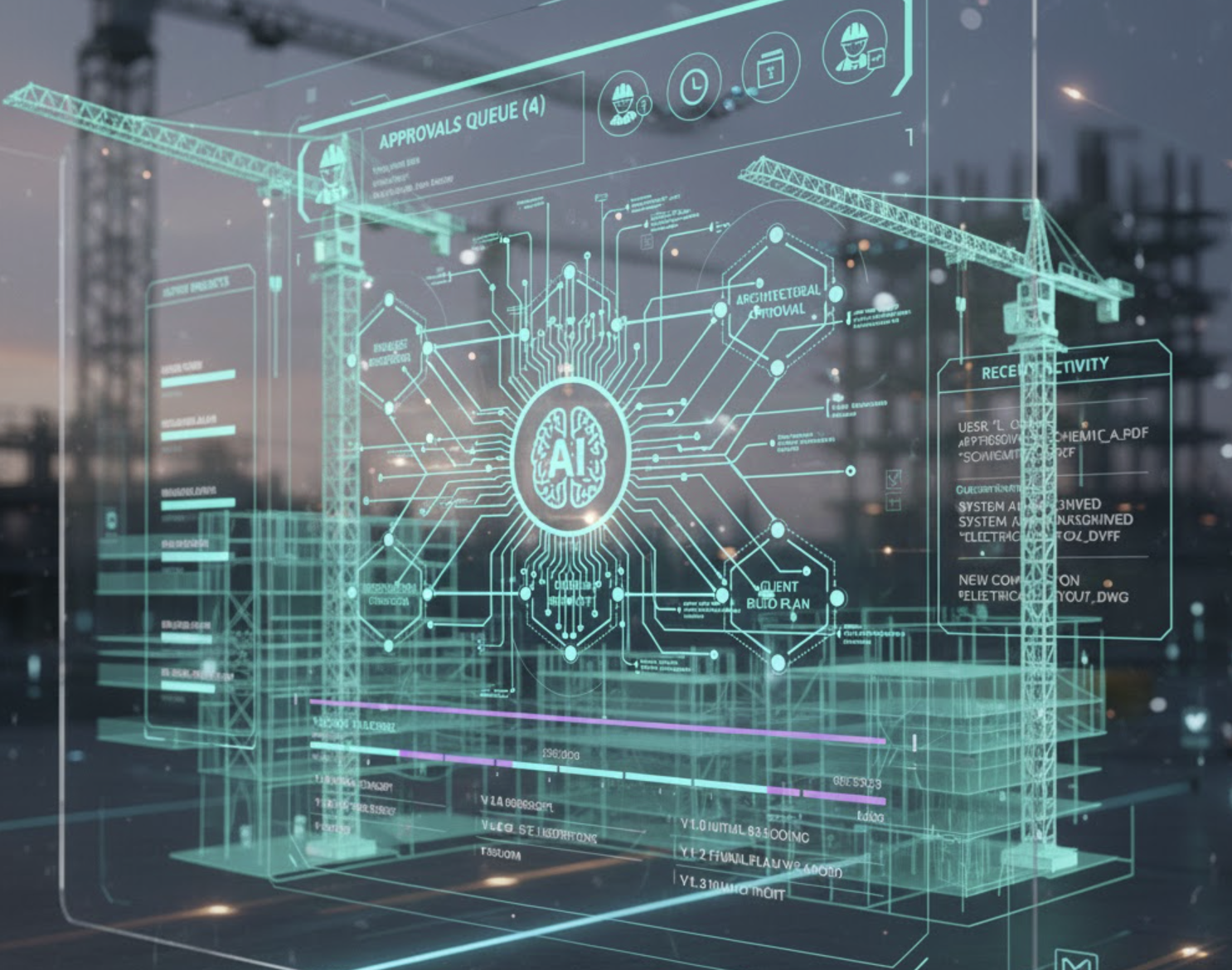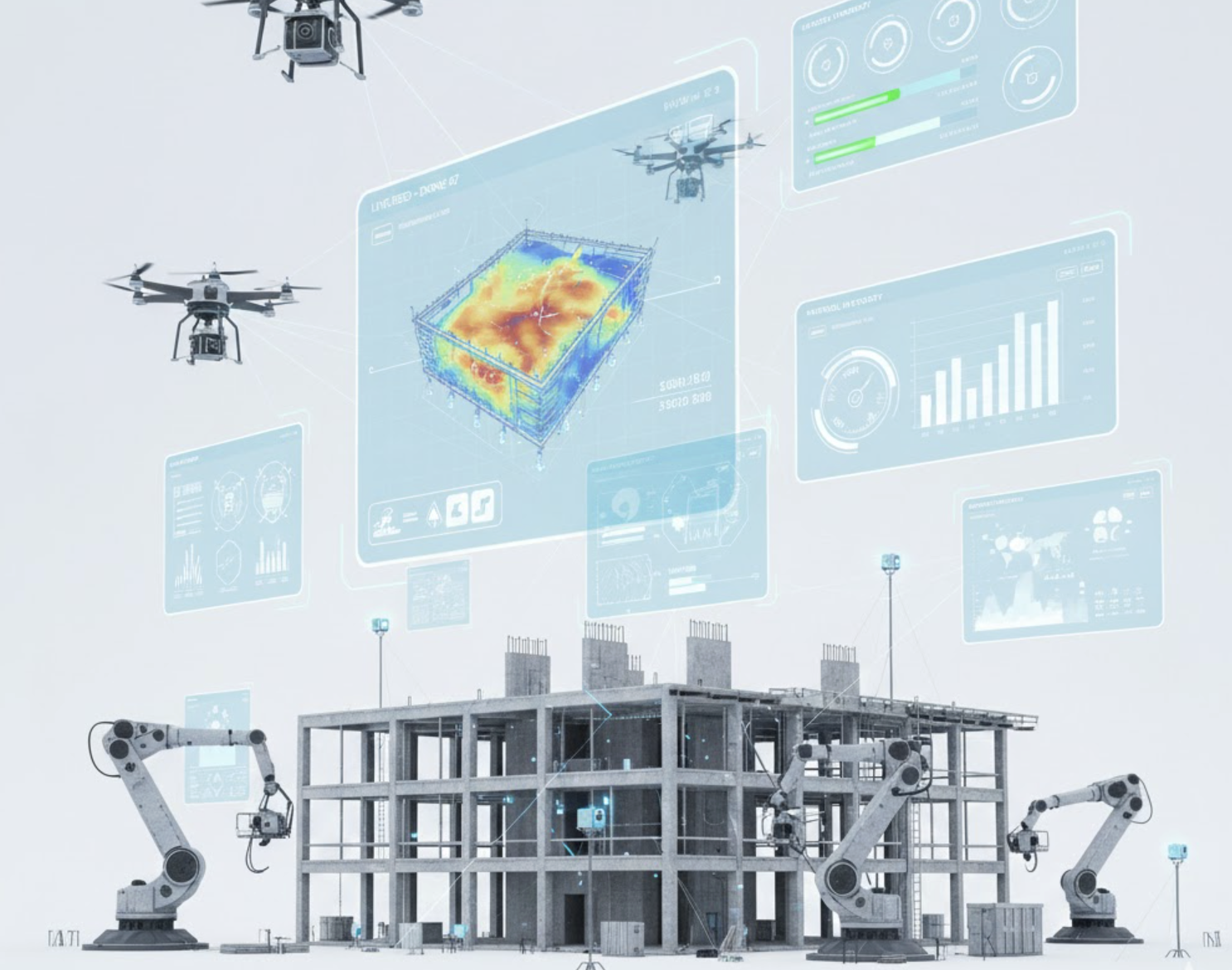

AI-driven change order analytics are changing how construction projects manage risk and control costs, providing enterprise procurement platforms with the intelligence and efficiency needed to thrive in competitive environments. By combining a robust digital procurement solution with advanced analytics, Zepth Flow positions organizations to proactively address challenges and achieve transparent, collaborative procurement workflows throughout the change order process.
Understanding Change Orders: The Crucial Pain Point
In the built world, change orders represent formal contract modifications—often necessary due to material price escalations, project design clarifications, unforeseen site conditions, or supply chain delays. These changes, if not closely managed, can threaten not only profitability but also schedule commitments and client relationships. Across the industry, traditional, manual change order management methods create several pain points: document version confusion, laborious cross-references, missing data, and slow approvals. Unsurprisingly, construction profit margins, often below 7%, are acutely sensitive to uncontrolled change order processes.
Manual change order review multiplies risk for missed discrepancies, overlooked costs, and inconsistent communication among stakeholders. Without an integrated procurement workflow automation system, disputes, delays, and budget overruns are more likely to occur. For industry leaders, implementing an AI procurement platform is no longer optional—it’s becoming critical for project assurance.
How AI Transforms Change Order Analytics
Artificial intelligence revolutionizes change order processing by automating document analysis, surfacing actionable data, and aligning teams for faster, smarter decisions. AI-powered change order analytics instantly extract and compare data from change order requests with original contract terms, identifying scope deviations, hidden costs, timeline changes, and even conflicting contract clauses. What once required hours of manual review is now processed in moments, with higher accuracy and zero overlook.
Let’s examine how these AI-driven procurement automation tools benefit your supply chain at each step:
- Automatically flag key modifications and scope changes, streamlining the tender management platform workflow
- Identify pricing inconsistencies or cost overruns before approval, supporting cost reduction in supply chain
- Deliver rapid, data-driven timeline impact assessments for proactive project planning
- Enable side-by-side document comparisons, reducing risks associated with misinterpretation
Predictive procurement analytics and insights make it possible for project and procurement teams to anticipate triggers—such as weather delays or market price jumps—by leveraging historical and real-time data. This foresight transforms change order management from reactive problem-solving into strategic risk mitigation.
Question: What is the main advantage of using AI in processing change orders?
Answer: The primary advantage is automation—AI rapidly extracts critical details, compares them with contract requirements, flags inconsistencies, and predicts risks. This enhances accuracy, speeds up approval cycles, and supports smarter decision-making, reducing manual workload and potential for error.
Key Benefits of AI-Driven Change Order Analytics
Advanced enterprise sourcing software, like Zepth Flow, harnesses AI to deliver significant business benefits. Here’s how automated analytics address both immediate and long-term needs for project-centric organizations:
Risk Mitigation
AI-powered compliance software continuously analyzes incoming data streams, flagging risks early. Automatic logging of contract versions, change justifications, and audit trails creates a transparent, unified record. This single source of truth is invaluable for dispute prevention and supports robust contract lifecycle management software standards.
Cost Control
Profitability hinges on cost discipline. AI ensures all markups and pricing follow contract terms, benchmarks against market rates, and eliminates duplicates or non-contractual changes. The system also enforces payment and process adherence, foundational for reliable procurement lifecycle management.
Streamlined Approvals and Workflows
Procurement workflow automation routes change requests to the correct decision makers—automatically, based on pre-set rules and historical data. Stakeholders collaborate in real-time via cloud-based procurement platform interfaces, accelerating approvals and ensuring that remote or distributed teams never become bottlenecks.
Transparency and Dispute Prevention
Every stakeholder—including owners, contractors, architects, and subcontractors—accesses identical, up-to-the-minute data. Transparent workflows powered by digital procurement solutions leave no ambiguity; the decisions, rationale, and supporting documentation for each change are captured, promoting trust and accountability.
AI Applications Across Change Order Management
AI’s flexibility allows it to tackle change order challenges across documentation, validation, compliance, and forecasting:
Change Order Documentation and Justification
AI translates complex site findings and scope changes into clear, professional justifications. Rather than relying on email chains or incomplete field notes, AI compiles change orders that precisely articulate why the work is needed, how it aligns with contract requirements, and the cost/schedule impacts. This is especially critical for projects requiring regulatory or client approvals, where documentation detail must meet strict standards.
Unit Rate and Subcontract Validation
Project and procurement managers juggle dozens—or hundreds—of subcontracts and active change orders. Manually validating every unit rate, exclusion, or scope clause is labor-intensive and subject to error. AI-driven procurement automation tools rapidly extract and cross-check each change order line item, flagging discrepancies or unauthorized changes. The result is a supplier performance management system that increases accuracy and efficiency across the board.
Contract Compliance and Policy Analysis
Public works or highly regulated projects require rigorous adherence to policy. AI-powered contract management not only checks compliance but also ensures every change order follows protocol, is properly documented, and aligns with all relevant clauses and statutory requirements. This level of assurance dramatically reduces the risk of downstream legal disputes or lost revenue from non-compliance.
Consider a common question in digital procurement:
Question: How can change order management software help with compliance?
Answer: Change order software automates contract clause checks, ensures every request includes required backup, and helps maintain a full audit trail. This minimizes the risk of missed steps or overlooked documentation, improving regulatory and contractual compliance with far less manual effort.
Zepth Flow: Procurement In Motion for Risk-Proof Change Orders
Modern enterprise procurement platforms like Zepth Flow illustrate the transformative impact of a connected, AI-driven procurement management software ecosystem. Zepth Flow delivers:
- Vendor Management: An integrated vendor management system centralizes onboarding, compliance checks, and performance monitoring—ensuring each supplier in your ecosystem is reliable and meets regulatory standards.
- Bid Management: Standardized, auditable tenders are issued, governed, and tracked from a single platform, accelerating cycles and maintaining full transparency.
- Bid Evaluation: Side-by-side comparisons using AI supplier evaluation tools eliminate bias and support smarter, data-driven supplier selection for change orders and base contracts alike.
- Contract Award to Change Order Management: Structured approval controls convert winning bids into contracts or purchase orders, and every subsequent change order is tracked with full visibility of linked costs, time impacts, and scope.
Procurement data intelligence within Zepth Flow streamlines spend analytics in procurement, applying smart sourcing and evaluation to both routine and extraordinary project changes. Real-time procurement analytics thus empower you to spot trends, prevent cost overruns, and continuously improve supplier relationships, all while meeting ambitious procurement transformation strategy objectives.
Additionally, cloud-based and mobile-first access through Zepth’s ecosystem (notably Zepth Bldz for SMBs) means that even teams in the field have instant access to up-to-date change order statuses and procurement data. This ensures that best practices extend beyond head offices—driving transparency and efficiency across the entire supply chain.
Relevant to industry trends, many professionals now wonder:
Question: What role does AI play in reducing construction project delays?
Answer: AI quickly identifies and predicts delay factors by analyzing vast project datasets, including weather, labor, equipment, and supply chain issues. It provides early warnings and actionable insights so teams can address risks proactively, reducing project overruns and costly delays.
Looking Forward: AI as the Core of Smart Procurement Solutions
As the global market for AI in construction expands, organizations that invest in AI-powered procurement workflow automation will realize lasting value—the ability to forecast risks earlier, contain costs, and improve stakeholder alignment. Platforms like Zepth Flow combine the strengths of digital tendering software, contract lifecycle management, and smart procurement solutions into a collaborative procurement ecosystem that is resilient to the complexities of modern projects. By unifying procurement, contract, and supply chain management into a single, intelligent platform, enterprises future-proof their operations and foster sustainable procurement management practices.
AI-driven change order analytics are no longer future technology—they’re a best practice for organizations seeking to mitigate risk and secure their competitive edge in the built world. The time to transform your procurement strategy with AI is now.