
In modern construction, safety no longer hinges on reactive measures alone. Today, construction project management software equipped with AI-driven insights, like Zepth Core, transforms near-miss incidents—those growing pains every project faces but often ignores—into powerful, predictive safety signals. Converting these close calls into valuable risk data streamlines construction risk management and elevates jobsite safety culture, offering unprecedented protection for projects, people, and profits.
The Untapped Value of Near-Miss Reporting in Construction
Near-miss incidents, by definition, don’t result in injury or damage, but their occurrence signals weak spots in safety protocols. Historically, crews would verbally note or disregard these events, missing out on a goldmine of actionable data. But with jobsite management tools and construction document management, teams now have a structured way to capture, document, and analyze near-misses as they happen.
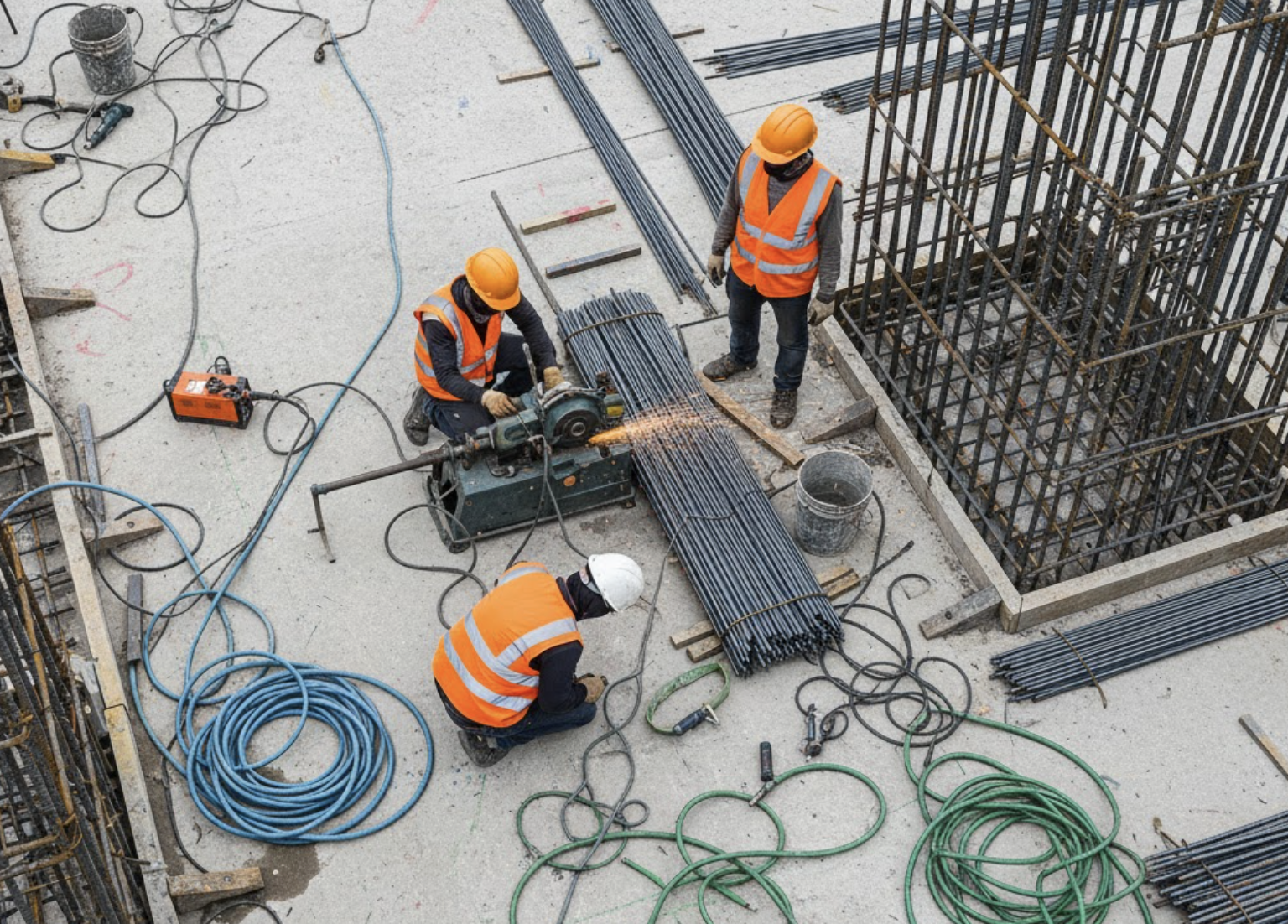
What is a near-miss in construction? Simply put, a near-miss is any unplanned event at a jobsite that does not cause injury, property damage, or interruption—but had the potential to do so. For instance, a dropped tool narrowly missing a worker or equipment malfunction that stops just short of a failure both fit the definition. Why should near-misses be reported? Reporting near-misses uncovers underlying risks, reveals system weaknesses, and supports proactive risk mitigation—essential for compliance and enhanced site safety.
Platforms like Zepth Core simplify this process with modules for Incident Reporting, HSE Compliance, and Safety Violation tracking, ensuring every near-miss becomes part of the data ecosystem. With cloud-based construction management tools, records remain traceable and ready for instant analysis, laying the groundwork for powerful predictive modeling.
From Data to Decision: Harnessing AI in Construction Safety Management
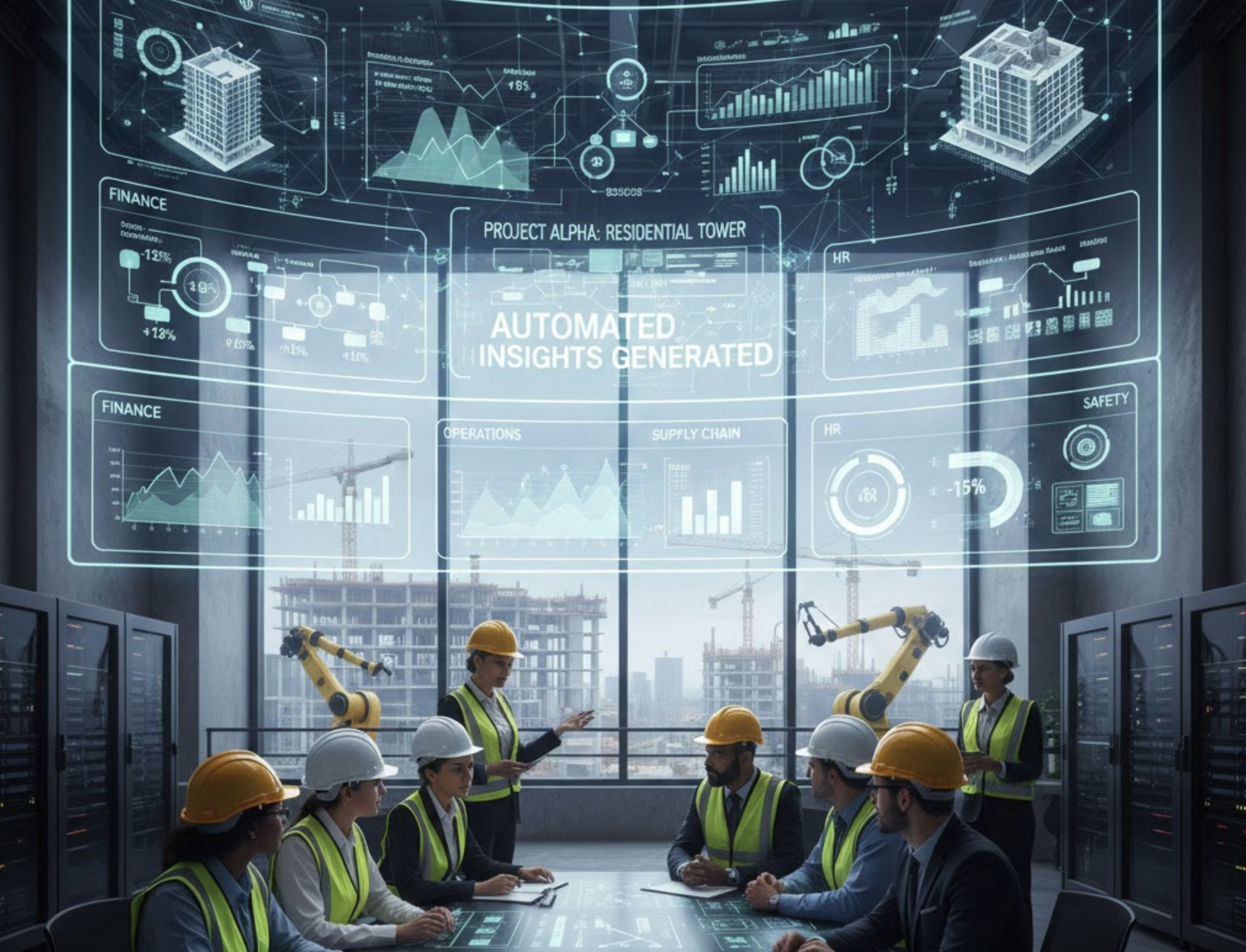
As digital adoption accelerates in the construction industry, AI-powered project management is redrawing the landscape of risk detection. By aggregating data from daily reports, incident logs, safety observations, and snag lists, modern platforms can apply machine learning to detect correlation patterns that humans might overlook. AI-driven construction analytics and insights do not just report on what happened—they predict what might happen next.
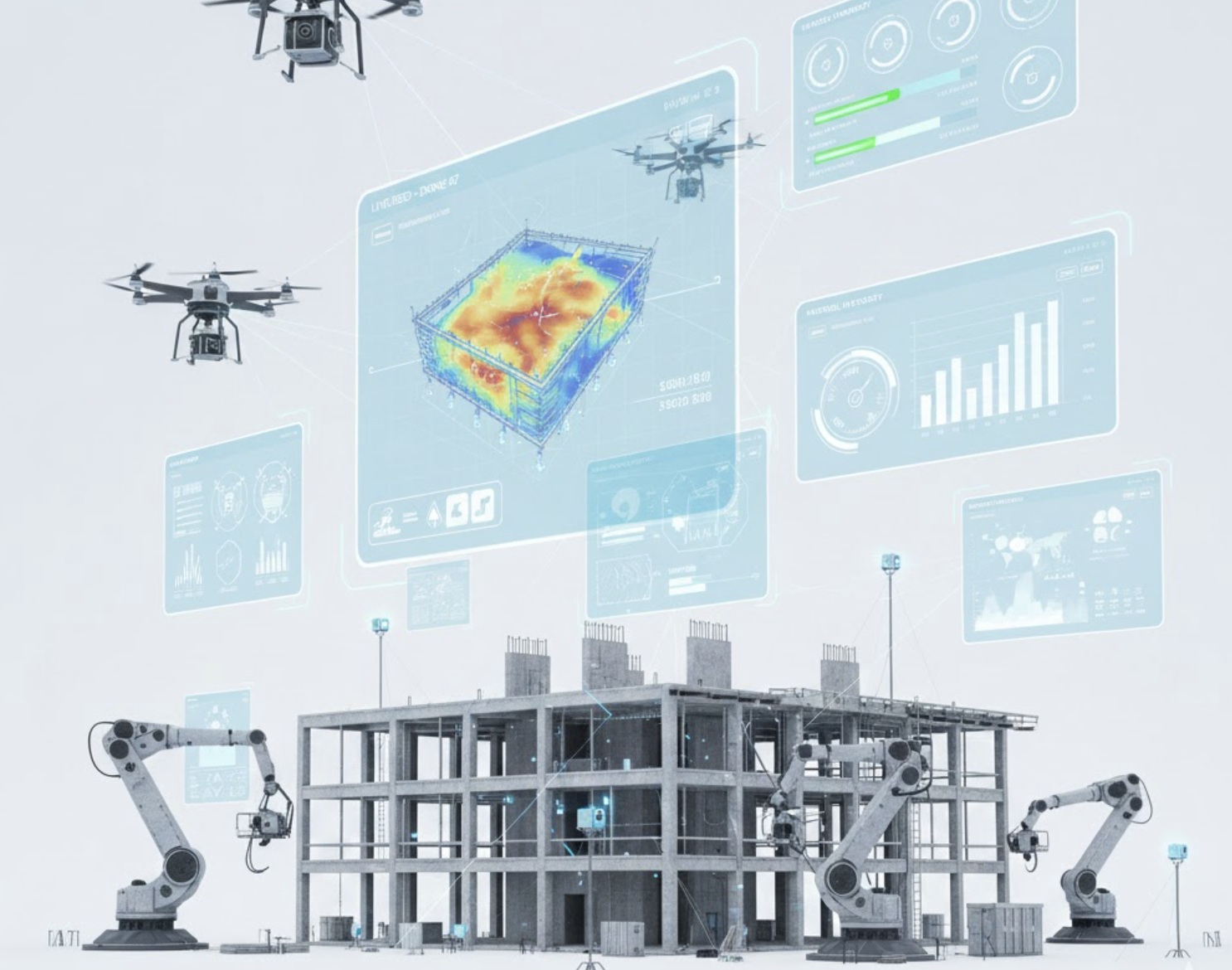
For example, if several near-misses are flagged around scaffolding zones, the system can trigger automated risk mitigation plans before a real accident occurs, using AI tools for construction to adjust workflows, alert teams, and revise HSE compliance checklists. Zepth Core’s smart modules, like Zepth360 for visual inspections and its Non-Conformance tracker, help connect the dots across project sites for a common data environment, driving smarter decision-making.
Key advantages of this AI-driven approach include:
- Automated capture and digitization of near-miss records from multiple modules
- Pattern recognition linking near-misses to risk factors such as weather, materials, subcontractor activity, or project phase
- Real-time analytics delivered to dashboards for on-the-fly decision-making
- AI-powered recommendations for immediate and long-term safety interventions
- Enhanced construction cost control software outcomes through reduced incident-related delays or claims
When teams ask, How can you use AI for construction site safety?, the answer lies in leveraging these combined datasets to move risk management from reactive response to predictive prevention. AI-integrated construction platforms can study historical near-miss data to forecast high-risk periods, identify frequently violated safety protocols, and automate alerts for critical site actions.
Real-World Applications: Zepth Core in Predictive Safety
Zepth Core’s integrated ecosystem goes beyond standard compliance checks to help firms create a feedback loop for continuous safety improvement. Its Incident Reporting module doesn’t work in isolation—instead, it interacts seamlessly with Daily Reports, Snag List, Risk Register, and Mitigation Plans. This interoperability ensures every piece of risk data, whether a minor trip hazard or a near-miss during crane operations, feeds into the project’s broader safety picture, supporting comprehensive construction lifecycle management software workflows.
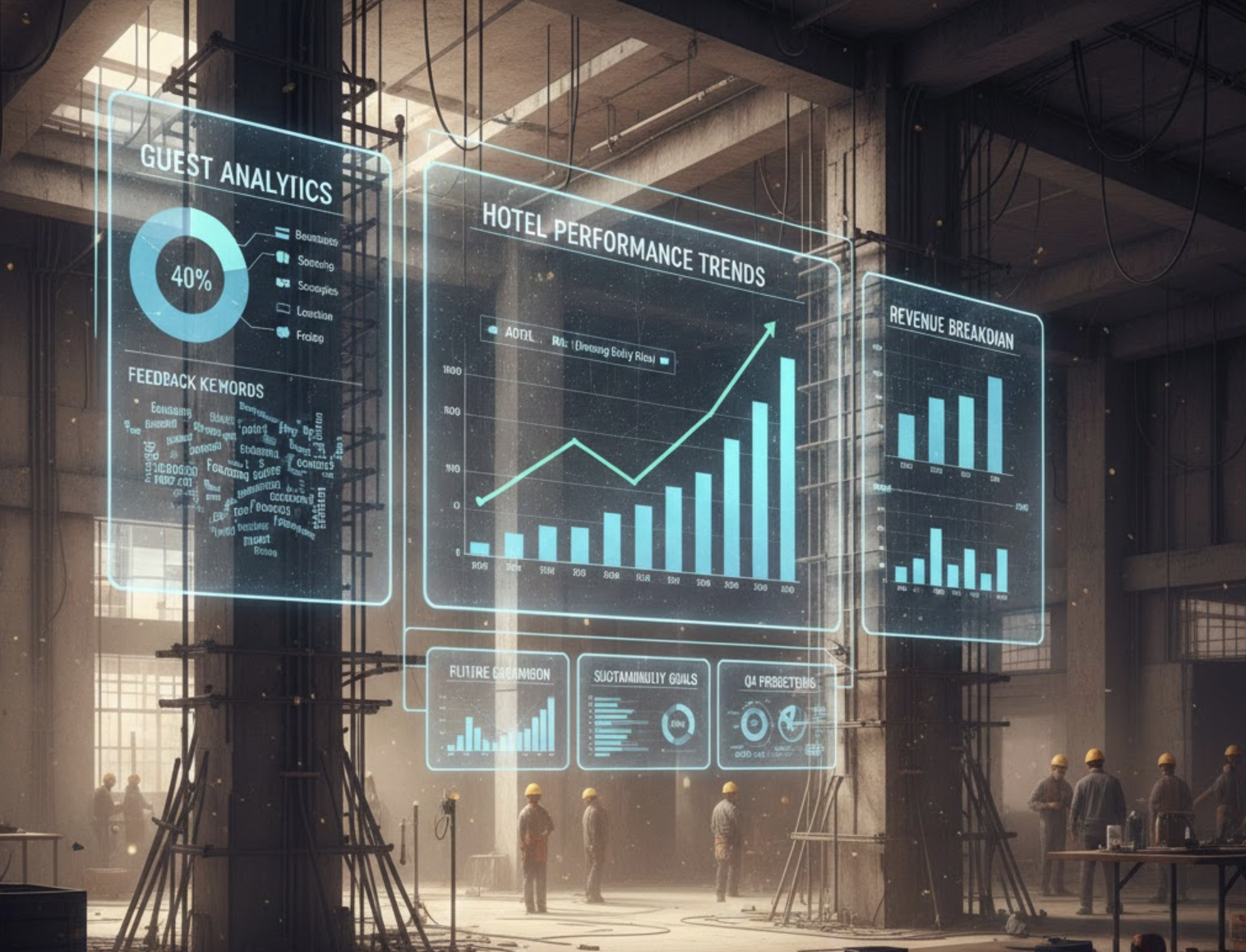
By using Zepth’s Risk Reporting and real-time construction forecasting tools, teams gain access to dashboards that highlight risk clusters and emerging trends across jobsites. This empowers safety managers to allocate resources, schedule targeted training, or make corrective design tweaks before hazards escalate. The unique Tasks and Analytics module then turns these insights into actionable programs, ensuring no signal is ignored.
Consider a question often raised by safety leads: What are the most effective ways to analyze construction safety data? The answer involves capturing structured data at every touchpoint (incidents, observations, daily activity logs), layering on AI-powered analytics, and visualizing the findings through dynamic dashboards. Platforms like Zepth Core accomplish this effortlessly, especially with BIM integration and digital twins supporting context-rich site analysis.
Enhancing Safety Culture: Empowerment Through Smart Construction Management Tools
Worksite safety is not only about avoiding injuries—it’s about building a culture where every worker feels responsible and empowered. AI construction automation features in jobsite management software distribute the burden of safety monitoring from a handful of managers to the entire crew. With mobile-friendly modules for incident capture, site observations, and daily site condition updates, Zepth Bldz ensures even SMBs benefit from smart reporting capabilities. Zepth Core, designed for enterprise deployments, supports collaboration between various teams by providing a single source of safety truth via the Document Register and real-time task assignment.
Leadership benefits, too, by using construction project tracking software to monitor the pulse of every active site. The system’s ability to analyze recurring near-miss patterns helps uncover systemic risks, test interventions, and automate the compliance documentation needed for regulatory reviews. This democratization of data encourages team participation, where workers are not just sources of data but stakeholders in the journey toward zero harm. For those considering what makes software vital for jobsite risk management, the answer is clear: real-time connectivity, AI-backed insights, and process automation all working in tandem to create safer, more predictable outcomes.
Future-Proofing Construction Safety: The Road Ahead
The construction industry stands on the cusp of a digital revolution. As sites become more complex and schedules tighter, near-misses will always exist. The critical difference now lies in how firms use modern AI construction platforms to transform these incidents into forces for positive change. With robust AI document management software and cohesive reporting modules, Zepth Core exemplifies how data, AI, and field expertise come together to shape construction tech innovation. The path forward is clear: AI risk management in construction not only minimizes incident frequency but also builds resilience and trust among crews, clients, and communities.
To sum up, near-misses once considered trivial now become the most valuable opportunities for organizational learning and continuous safety improvement. By embedding sophisticated analytics, automated workflows, and smart reporting into the very DNA of your project management platform, you reduce surprises, improve compliance, and set the stage for the next generation of safe, sustainable construction. As jobsite data continues to grow, those leading with digital-first solutions like Zepth Core will turn every close call into a triumph of predictive insight and operational excellence.