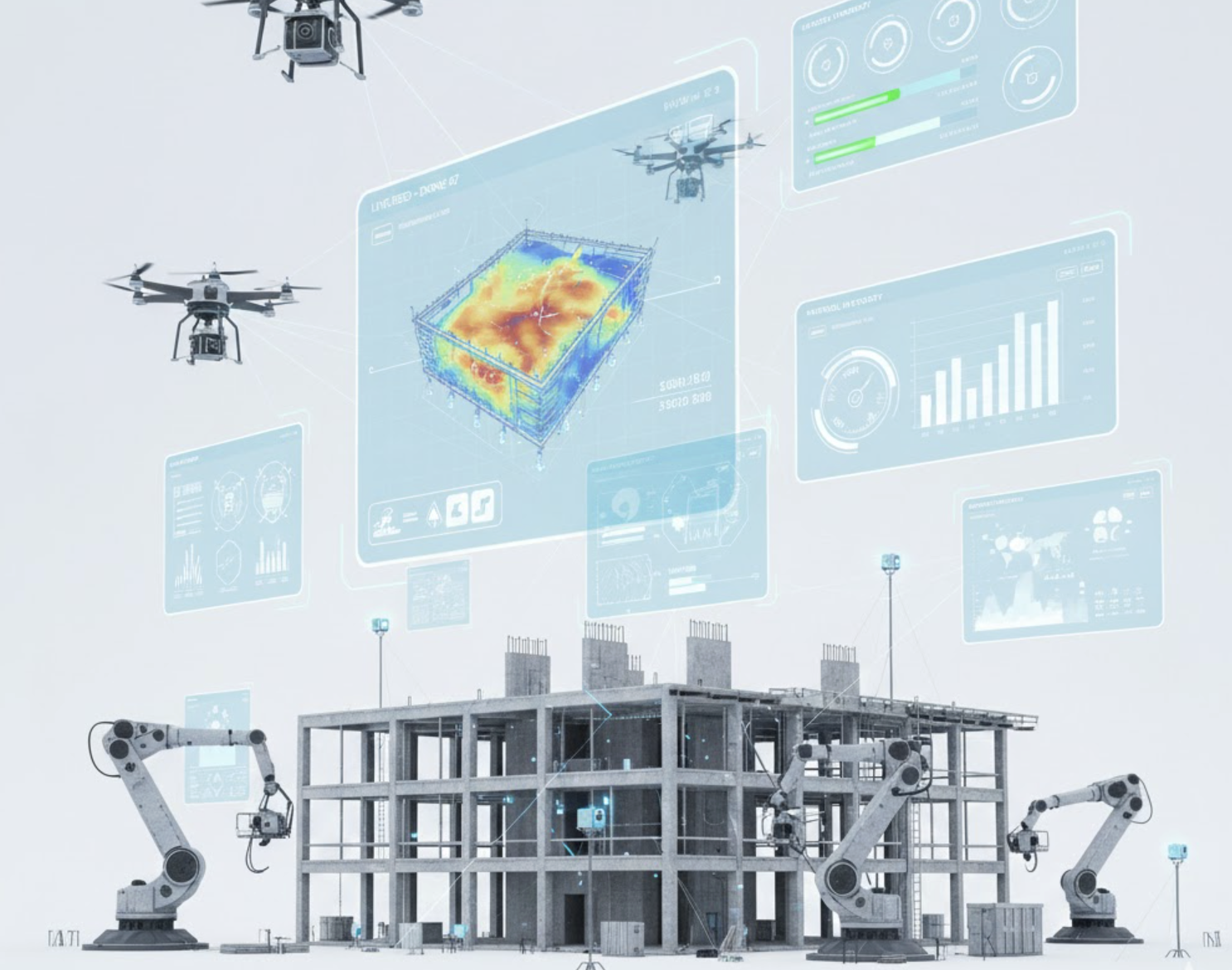

Effective construction project management software is the backbone of successful projects in today’s rapidly evolving built world. A core component shaping this success is the live risk register—a dynamic, collaborative hub for tracking, mitigating, and communicating project risks in real time. By standardizing risk management processes and ensuring up-to-date visibility for stakeholders, live risk registers empower teams to control uncertainty, maintain compliance, and deliver projects on time and within budget. As digital transformation accelerates across the industry, tools like Zepth Core’s AI-driven construction risk management platform redefine how teams approach jobsite management, construction document management, and construction financial management tools.
Unlocking the Power of the Live Risk Register
What makes a live risk register so essential in today’s construction tech ecosystem? Unlike static spreadsheets or ad hoc updates, a live risk register serves as a real-time repository, accessible to every approved team member across the project lifecycle. Every new risk identified, every mitigation plan enacted, and every status change updates instantly, providing a single source of truth for project leadership and ground teams.
This is where Zepth Core stands out. Its robust Risk Register module transforms traditional workflows into collaborative, AI-powered project management. The Risk Register module centralizes risk identification and classification, ensuring that threats to cost, schedule, safety, and quality are logged and categorized as soon as they arise. Whether a contractor flags a safety issue through jobsite management tools or AI in construction analytics pinpoints a material delay, the risk register records it, alerting decision-makers before minor issues balloon into project jeopardy.
Standardization: The Silent Force Behind Success
Why is standardization in construction risk management so valuable? Every project—whether a commercial complex, public works venture, or multifamily development—faces its own unique blend of uncertainties. The key challenge for organizations with multiple projects is ensuring each team applies proven best practices consistently, no matter the geographic location, complexity, or scale.
Standardized risk registers address this directly by mandating uniform data entry, risk scoring methodologies, and mitigation tracking processes. This uniformity enables:
- Consistent Compliance: With construction compliance software, every risk related to regulatory requirements is tracked with the same rigor and documentation, helping organizations meet HSE (Health, Safety, and Environment) standards across all jobsites.
- Sharable Insights: Centralized, real-time construction project data lets teams benchmark risk responses and outcomes. Project managers can easily answer questions like, “What are common construction risks?” or “How should I manage compliance risks?” and apply enterprise knowledge to each site.
- Informed Forecasting: Aggregated risk data used within construction forecasting tools and AI construction platforms hone predictive models—anticipating which risks are most likely based on project type, location, or phase, allowing proactive budgeting with advanced project budgeting tools for construction.
- Facilitated Audits: Auditors benefit from a traceable, common data environment for construction, with every mitigation action and status change automatically logged, supporting both internal controls and regulatory inspections.
This foundation in standardized processes not only protects projects, but also sparks innovation—fueling digital twins in construction, BIM (Building Information Modeling) integration, and scalable smart construction management tools that elevate project delivery industry-wide.
Going Beyond Spreadsheets: Live Risk Registers in Action
Traditional risk management relied on static documents, emails, or disconnected tools, leading to delays and missed threats. Now, live risk registers are fundamental to construction project tracking software and AI construction automation. With Zepth Core, updates to risks are broadcast instantly; risks move from identification to mitigation plan assignment in a single, streamlined workflow, ensuring no risk goes unnoticed or unmanaged.
The Zepth Core risk management suite includes:
- Risk Register: Centralizes all risks, allowing instant assignment of owners, deadlines, and severity levels.
- Mitigation Plans: Documents and tracks response strategies—such as contingency procurement, schedule adjustments, or safety retraining sessions—while linking directly to affected project modules, such as jobsite management tools or construction document management.
- Risk Reporting: Provides AI-powered dashboards and historical analytics, revealing patterns across projects and ensuring managers stay ahead of emerging threats with actionable construction analytics and insights.
Imagine encountering a question such as, “Why is risk management important in construction?” A live, transparent risk register doesn’t just provide an answer—it visually demonstrates how proactive, data-driven risk prevention upholds productivity, compliance, and safety, every day on every jobsite.
Integrating AI, Compliance, and Real-Time Insights
The next frontier is AI tools for construction and real-time analytics embedded throughout your construction lifecycle management software. Zepth Anly, for example, leverages AI-driven construction management to provide predictive alerts, forecast potential delays, and surface systemic risks months before impacting project outcomes. By connecting Zepth Core’s live risk register with modules like Project Financials and Document Management, organizations unlock smarter construction financial tracking software, project cost control, and construction submittal software for end-to-end oversight.
A frequently asked question is, “How does AI help construction project risk management?” AI in construction processes massive amounts of project data, identifying subtle correlations between site conditions, incident reports, and non-conformances. This empowers teams to act, rather than react, and ensures that decision-making is grounded in data, not guesswork. Additionally, cloud-based construction management platforms like Zepth Core deliver secure, up-to-the-minute access to risk information across all project locations, making remote management and collaboration seamless.
Key integrations and advantages include:
- BIM integration for spatial risk analysis and visual tracking
- Direct links between risk items, construction document management, and submittals for auditability
- Automated incident reporting and HSE compliance workflows that update risk registers in real time
- Comprehensive financial risk correlation with project cost control software
This interconnected system assures that risk management is not an isolated task but an embedded, collaborative process across the construction value chain.
From Jobsite Management to Portfolio-Level Excellence
Standardizing projects with live risk registers fuels step-change improvements at both the project and portfolio level. When every project maintains a live, AI-enhanced risk register, leadership teams gain panoramic insight—comparing risk profiles, outcomes, and lessons learned across the entire enterprise. This macro view enables smarter resource allocation, future project planning, and consistent application of best practices. With the Zepth Core platform, users benefit from seamless integration between modules such as Jobsite Management for daily observations, Safety Violation tracking, Document Register for compliance records, and Authority Approval logs within a single common data environment for construction.
Modern construction firms are also responding to the demand for sustainable construction management by linking risk data with environmental performance metrics, ensuring every project not only delivers profitably but also responsibly.
Ultimately, the move to live, standardized risk registers is about more than compliance or digital recordkeeping—it is about enabling high-performance teams, reducing claims, accelerating project handover, and building a foundation for continuous improvement via AI-powered project management. For organizations dedicated to excellence and innovation, platforms like Zepth Core illuminate the path forward.