
In an era where efficiency, data accuracy, and real-time collaboration define project success, smart construction management tools increasingly shape the future of the built environment. As 2025 approaches, next-generation construction project management software is evolving rapidly—integrating AI, cloud platforms, and powerful analytics to meet the demands of complex, multi-stakeholder projects. Choosing the right platform has never been more crucial. In this article, we’ll explore what features and benchmarks define the best-in-class digital ecosystem for construction, and how Zepth Core leads in enabling AI-powered project management, risk reduction, and operational transparency.
Critical Criteria for Smart Construction Management Tools in 2025
When evaluating construction project tracking software for the coming year, firms must look far beyond simple task lists or scheduling dashboards. The modern construction site thrives on integration, predictive insights, and data-driven workflows. Project success hinges on real-time operational visibility, collaboration between distributed teams, and seamless digital information flow. Here are some of the defining characteristics—and why they matter:
- Real-time data capture and collaboration: Every stakeholder must access current project data on any device, anywhere. Cloud-based platforms offering common data environments (CDE) streamline collaboration and minimise errors resulting from version confusion.
- Comprehensive document management: Drawing registers, submittal workflows, RFIs, and version-controlled specifications need centralisation for auditability and compliance. Robust construction document management capabilities should be non-negotiable.
- Integrated risk management: With the growing complexity and scale of projects, AI risk management in construction tools are invaluable for identifying trends, categorizing exposures, and enabling proactive mitigation.
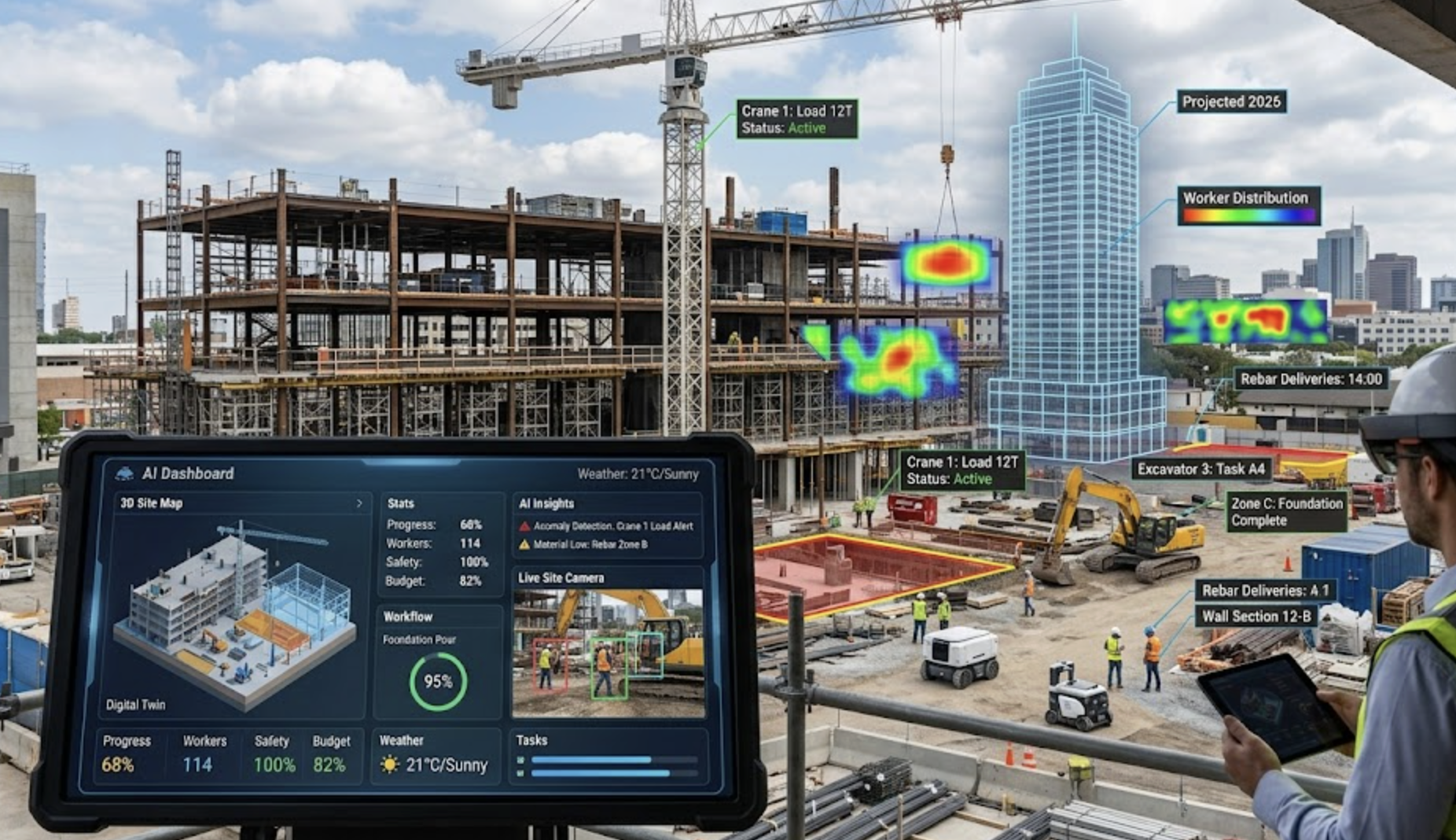
- Automated insights and analytics: Smart dashboards, powered by AI construction automation, surface trends in resource allocation, performance slippage, safety incidents, and cost variance.
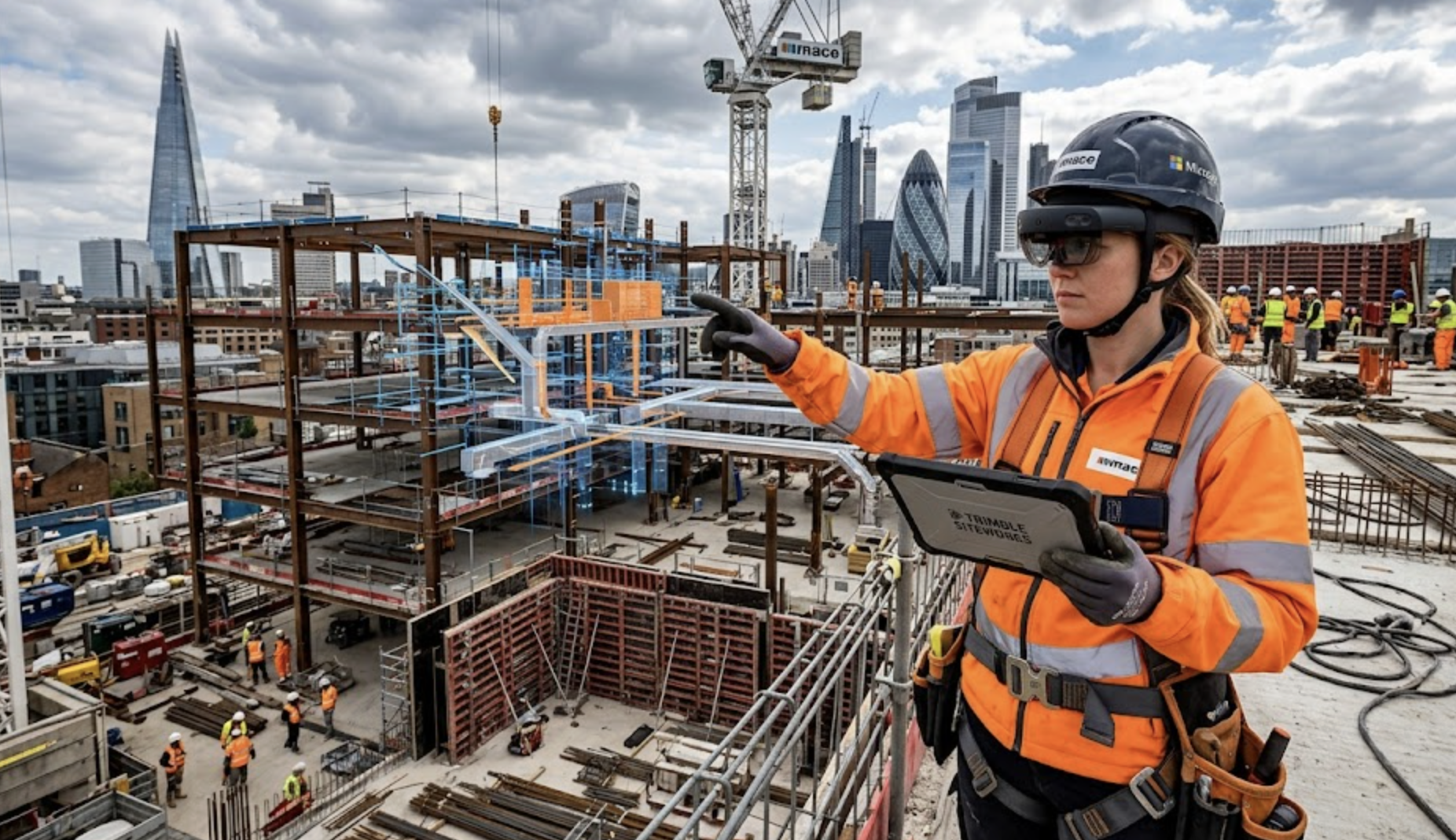
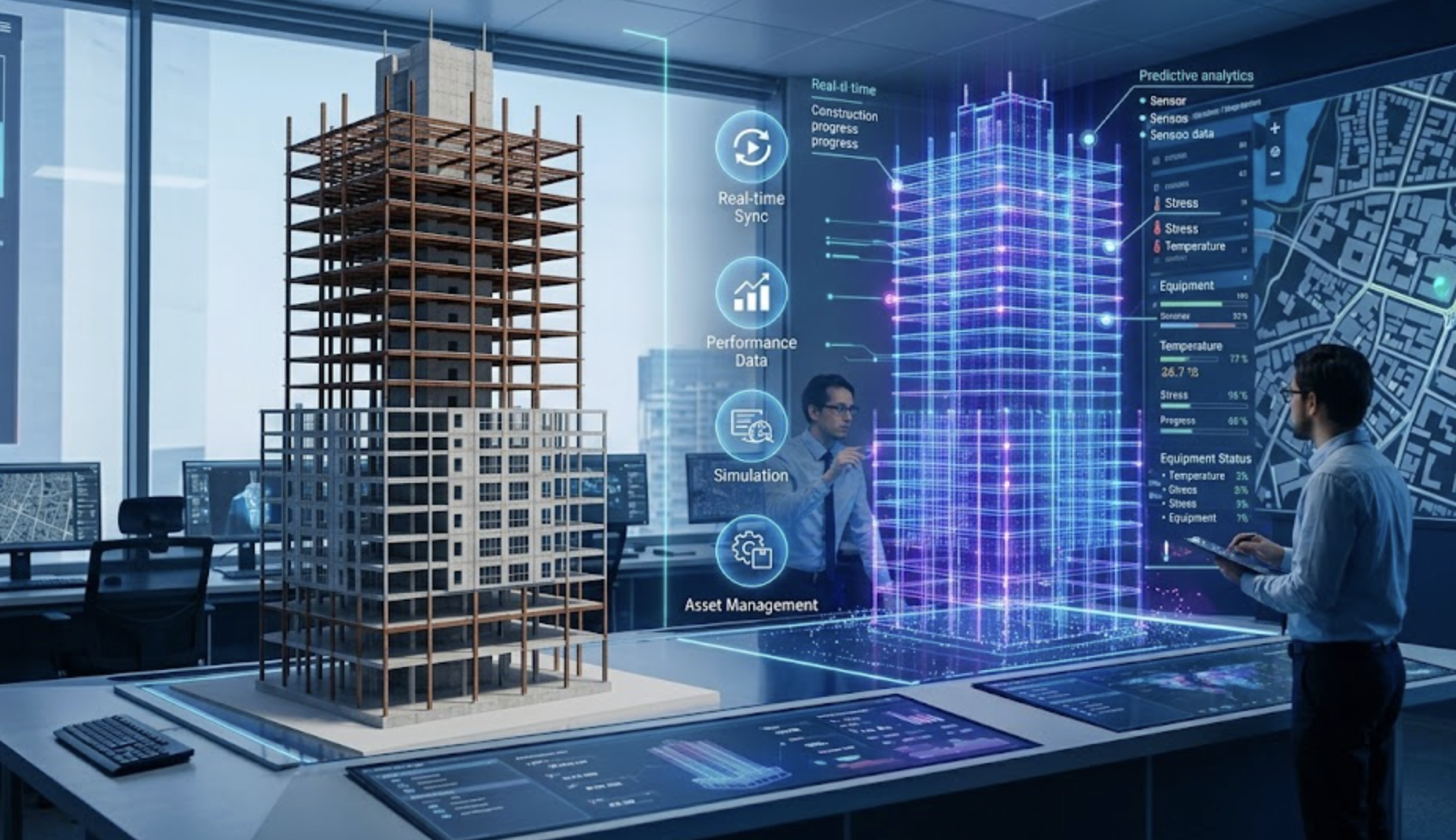
- BIM and Digital Twin integration: The ability to visualize project status using BIM or even real-time 3D/360-degree models signals true digital maturity.
For builders aiming at operational excellence, the next generation of AI construction platforms must not only digitize existing processes but also actively drive innovation—ushering in construction industry digital transformation at scale.
Elevating Jobsite Management with AI and Mobile
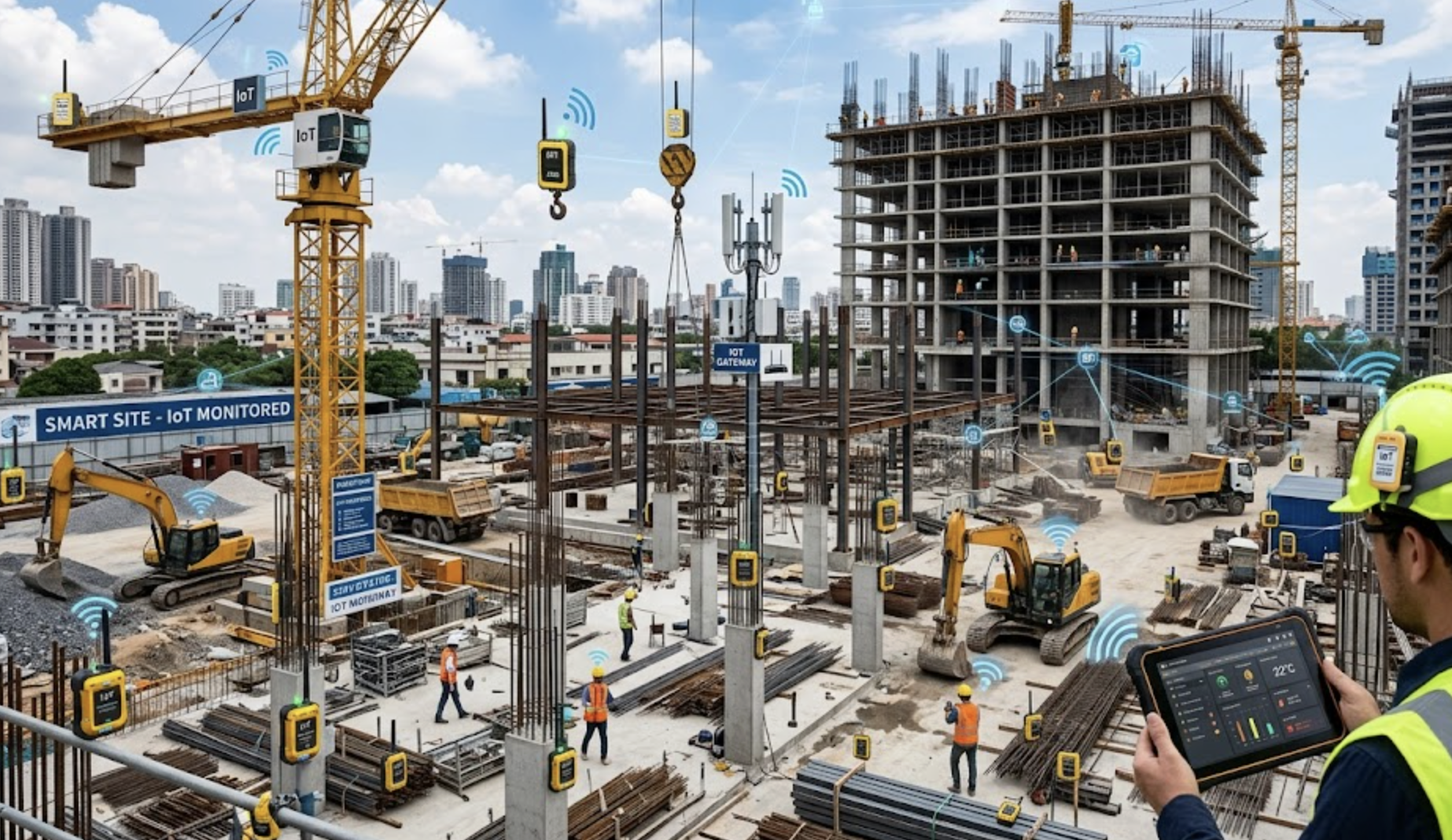
In the field, day-to-day operations set the rhythm of project progress. Jobsite management tools now go beyond digital checklists or static logs. With platforms like Zepth Core, AI-driven data capture and workflow orchestration transform manual, error-prone processes into intelligent and auditable digital trails. For example, modules like Inspections and Snag List allow teams to streamline quality control, automatically assigning and tracking remediation tasks based on real-time site input.
Platform intelligence extends to HSE Compliance and Incident Reporting. Automated reminders ensure teams stay on top of compliance protocols, while comprehensive documentation supports robust, actionable responses to on-site events. Daily and Progress Reports, enhanced by Zepth360’s photo, video, and 360-degree capture, replace guesswork with ground-truth visual data—directly linked to project models or geographic locations for ultimate clarity. Many users wonder, “What does smart jobsite management include?” The answer is simple: it combines real-time data capture, visual updates, and automated workflows—so that project leaders always have eyes on progress, compliance, safety, and quality in one unified dashboard.
Document Management: The Backbone of Digital Construction
Effective construction document management is vital to prevent rework, avoid delays, and maintain accountability. Zepth Core’s Document Register centralizes control, offering a detailed index of all project documents—including drawings, contracts, and technical specifications—backed by version history and full auditability. Communication modules, like Mail and Transmittals, keep correspondence transparent and retrievable. RFIs and Submittals benefit from clear, automated approval flows, bolstering collaboration and minimising missed deadlines.
Many construction professionals ask, “Why is document control crucial in digital construction projects?” The answer lies in risk control and quality assurance. With secure, accessible records, teams can quickly respond to authority requests, defend decisions, and stay aligned with evolving project requirements. Modern AI document management software leverages metadata, automated reminders, and integrated workflows to further reduce human error and boost productivity, reinforcing the platform’s role in true construction lifecycle management software.
Financial and Risk Management: Building with Certainty
Cost overruns, missed milestones, and unmanaged risks remain the industry’s greatest threats. In 2025, construction financial management tools must integrate seamlessly with procurement, scheduling, and resource allocation systems. Zepth Core’s Project Cost Control solution provides a holistic overview of budgets, actuals, and potential variances—enabling early, data-informed interventions before issues become costly crises.
Risk management, once relegated to post-mortems, is now a dynamic, real-time practice. AI-powered Risk Registers, Mitigation Plans, and Risk Reporting dashboards predict and highlight exposures based on historical and project-specific data, automating much of the heavy lifting. For those wondering, “How do AI tools support risk management in construction?” The answer is: They identify trends, quantify risks, trigger alerts, and suggest mitigation steps—turning subjectivity into science. This approach not only increases resilience but also enhances compliance through audit-ready, digital records.
The Future of Construction Analytics, Integration, and Sustainability
Smart construction management goes beyond immediacy—it’s about optimising outcomes over the project’s lifespan. Construction analytics and insights modules, like the bespoke Insights & Analytics within Zepth Core, distill vast datasets into actionable KPIs, supporting continuous improvement and confident reporting to stakeholders. Integration with BIM and emerging digital twins supports predictive simulation (e.g., for energy, logistics, or structural performance), a critical component for sustainable construction management in the age of ESG mandates.
Looking forward, leaders should ask, “What features will matter most in smart construction management in 2025 and beyond?” Successful platforms will be cloud-based for anytime, anywhere access, mobile-first for on-site usability, powered by real-time AI for forecasting and automation, deeply integrated with design models, and flexible enough to adapt to evolving standards and client needs.
Zepth Core exemplifies this future—delivering enterprise-scale solutions across jobsite, document, risk, and financial management, all orchestrated by modular AI-driven workflows, ensuring clients stay ahead in a fast-changing industry.
Key Takeaways for Selecting Smart Construction Management Tools
To thrive in 2025 and beyond, construction leaders should invest in tools that unify team communication, automate compliance, drive proactive risk management, and leverage AI for deeper insight:
- Centralize operations with a common data environment for construction
- Digitize manual workflows using AI-powered project management
- Choose solutions with best-in-class document and submittal management capabilities
- Integrate financial tracking, budgeting, and forecasting tools
- Ensure mobile and BIM/digital twin compatibility for field-to-office synergy
Platforms like Zepth Core, engineered for both enterprise and site-level users, represent the blueprint for the next wave of smart construction management tools. As technology innovation accelerates, construction teams empowered by AI, cloud, analytics, and integrated automation will rise above industry challenges, delivering projects on schedule, on budget, and with unprecedented transparency.