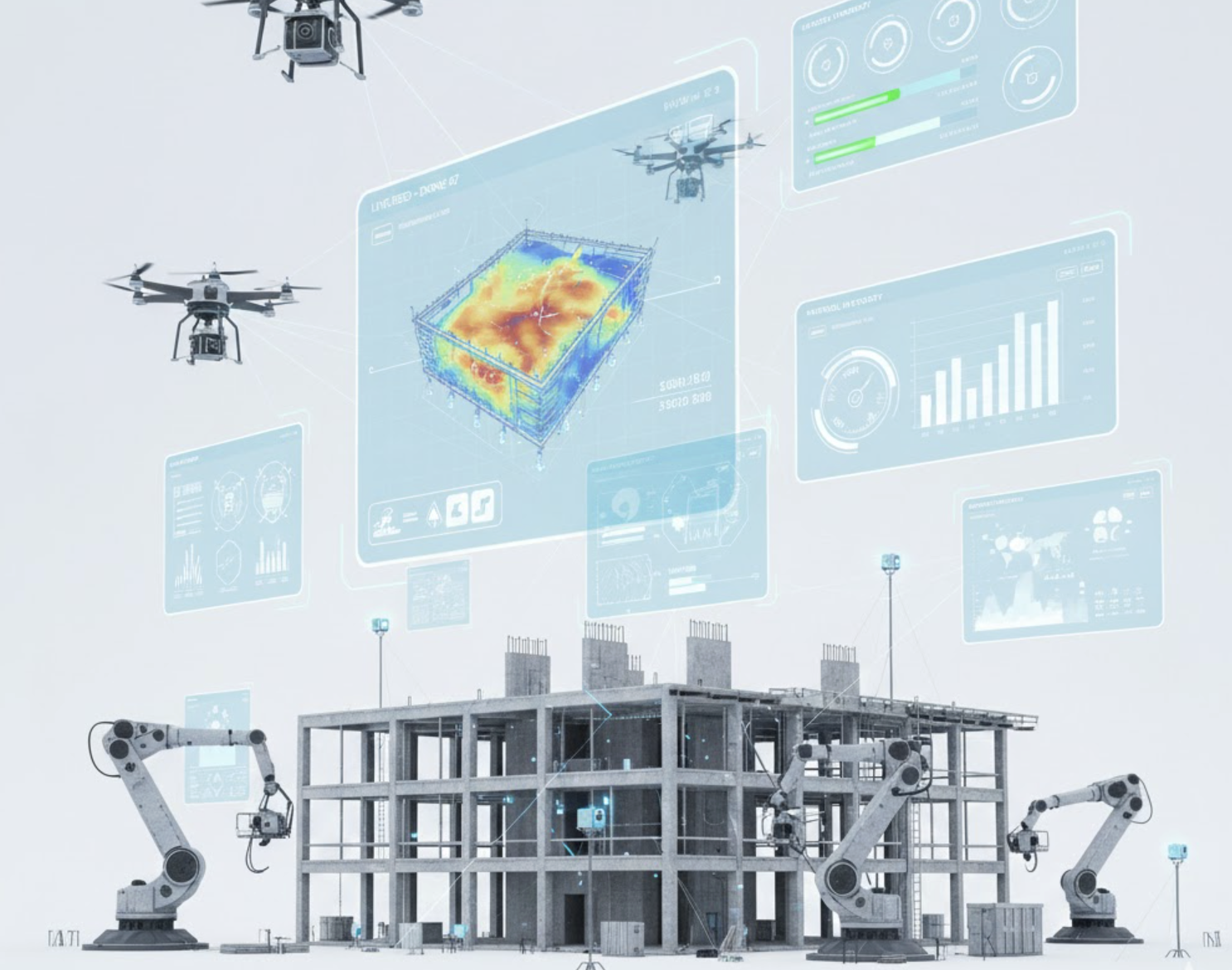

Automated financial reporting is shaping a new era for construction project management software. Construction leaders, aiming to drive predictable outcomes and maximize gains, are pivoting to tools that deliver fast and accurate insights into financial performance. Automating reporting unlocks clear ROI by slashing manual effort, minimizing costly errors, and keeping projects aligned with both budgets and business goals. As the construction industry embraces AI in construction and digital transformation, solutions like Zepth Core define the benchmark for modern construction financial management tools.
The Cost of Manual Financial Reporting in Construction
The traditional approach to construction financial reporting often relied on spreadsheets, siloed data, and time-consuming reconciliations. Information lagged behind reality, and even diligent teams encountered data entry errors or lost records. These inefficiencies led to budget overruns, missed opportunities for cost recovery, and reduced confidence in forecasts. The risk wasn’t only financial; missing critical compliance deadlines or failing to catch errors early put entire projects at risk.
What is the purpose of automated financial reporting in construction projects? It’s to ensure accuracy, cut delays, and empower decision-makers with actionable, real-time data. By automating repetitive finance-related tasks, firms can deploy their skilled staff where it matters most: managing projects and addressing higher-level challenges, not wrestling with spreadsheets.
What Does Automated Financial Reporting Deliver?
Automated financial reporting, as powered by platforms like Zepth Core, enables organizations to:
- Accelerate project cost control: Integrate financial data from procurement, labor, and change orders for instant visibility into expenditures, burn rates, and pending costs.
- Reduce reporting cycle times: Generate up-to-date cost reports, forecasts, and compliance submissions at the click of a button.
- Boost data accuracy: Minimize manual input and enable validation rules that detect anomalies and flag potential risks early on.
- Promote financial collaboration: Share live dashboards and visual reports across teams and stakeholders, ensuring everyone works from the same source of truth.
- Support construction risk management: Link budgets and forecasts directly to project risks so mitigation plans and contingency are continuously informed by the latest data.
This transformative capability is increasingly in demand—for instance, many ask: How do automated analytics and reporting tools improve the efficiency of construction project management? The chief answers are transparency, speed, and lower costs across the project lifecycle.
The Zepth Core Advantage—Integrated Financial Control With Analytics
Zepth Core stands apart for its deep integration of financial controls with construction analytics and insights. Its project cost control module links all financial activities—budgeting, contract management, change tracking, and expenditure approvals—within the same ecosystem that governs project tasks and documentation. This provides a real-time, connected view across both jobsite activities and financial health, a crucial enabler of construction cost control software ROI.
Beyond traditional financial tracking, Zepth Core incorporates:
- Risk Register and Mitigation Plans: Embed risk identification and response directly within financial reporting workflows, so fiscal planning naturally adapts to evolving project threats.
- Insights & Analytics Dashboards: Leverage AI-driven construction management to generate predictive reports, trend analyses, and actionable alerts—highlighting variances and root causes before they impact profitability.
- Automated Authority Approvals and Compliance Reporting: Ensure adherence to statutory guidelines and avoid last-minute penalties or approval delays.
- Common Data Environment for Construction: Maintain consistency and secure recordkeeping across cost, contracts, RFIs, and submittals—eliminating data silos that restrict visibility and slow audits.
Many construction executives want to know: What are the essential reports included in modern automated construction financial reporting? Examples include budget versus actuals, committed cost analysis, earned value progress, risk and contingency summaries, and automated compliance submissions to governing authorities. Zepth Core delivers these reports by design, removing typical hurdles so teams focus on decision-making instead of data wrangling.
Driving Digital Transformation Through AI and Automation
Digital transformation and AI construction automation have moved from buzzwords to essential strategies. Smart AI-powered project management solutions now read, classify, and analyze financial documents. They alert teams to trends in schedule adherence versus cost performance and identify areas where resource overruns threaten delivery. Zepth Core’s integration of advanced analytics and AI further improves project agility and supports early intervention when risk indicators rise.
The shift to cloud-based, real-time tools means that jobsite and office teams view the same numbers instantly. Zepth Core’s seamless document management, robust audit trails, and real-time dashboards ensure stakeholders—from finance controllers to project managers—base their strategies on up-to-the-minute facts, not estimates or backward-looking summaries. In turn, this fosters a culture of proactive oversight, prompt course correction, and continuous learning from project data.
Additional benefits include:
- Improved compliance through automated audit logs and permission-based document sharing.
- Greater accuracy for project budgeting tools, as every change order or scope shift is immediately reflected.
- Seamless export to ERP or external reporting systems, boosting integration across enterprise workflows.
Questions frequently arise: How can AI tools for construction improve cost forecasting accuracy? The answer lies in automated data analysis, which quickly uncovers discrepancies, forecasts overruns, and pinpoints patterns—helping leaders react faster and with greater confidence.
Amplifying ROI With Smart Construction Management Tools
Calculating the ROI of automated financial reporting means assessing more than direct labor savings. True value comes from improved schedule adherence, reduced claims, fewer disputes, and ongoing compliance. Integrating digital solutions like Zepth Core reduces the risk of missed deadlines or budget blowouts thanks to its advanced construction project tracking software and AI risk management in construction capabilities.
With Zepth Core, organizations can leverage:
- Real-time construction project data for cost, risk, and deliverables tracking
- Forecasting tools that update as jobsite conditions change
- Centralized document and contract tracking, ensuring every payment application and compliance submission is visible and auditable
- BIM (Building Information Modeling) integration and support for digital twins in construction for deeper analytics and lifecycle management
- Simple, mobile interfaces for both office and field teams—bridging the gap between strategy and execution
Why do construction companies need automated cost control software? Ultimately, automated applications provide real-time, actionable insights, reduce the chance of error, and support sustained profitability in a highly competitive environment. With comprehensive construction compliance software, firms can focus on optimizing operations, addressing risks proactively, and delivering value to clients.
The Future of Construction Financial Management—A Unified, Data-Driven Approach
As construction projects grow in complexity and scope, the cost of misaligned data, reporting errors, and compliance missteps increases exponentially. Automated financial reporting platforms like Zepth Core serve as the foundation for both compliance and efficiency, underpinned by robust construction lifecycle management software. By unifying cost control, risk mitigation, documentation, and analytics, these smart construction management tools move teams from manual firefighting to strategic stewardship of resources, schedules, and margins.
Forward-thinking organizations that invest in digital transformation—and use the power of AI, automation, and integrated data—set themselves apart with more resilient, profitable, and proactive operations. Zepth Core exemplifies this shift, bringing clarity, speed, and accuracy to the forefront of construction project management and financial strategy.