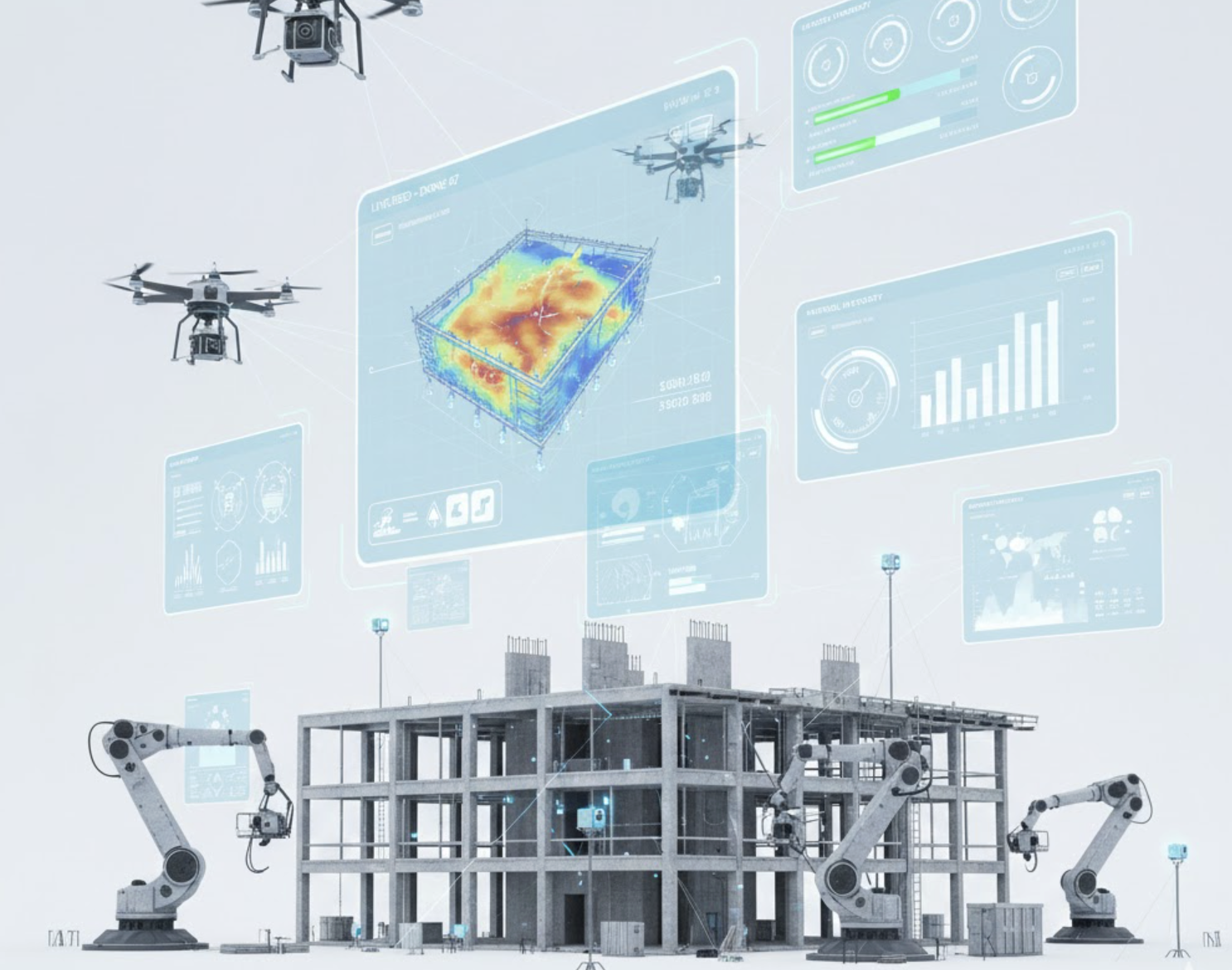

Hotel management software and powerful AI in hospitality are transforming how the UAE’s built environment approaches asset performance tracking. As the region’s appetite for cutting-edge hotels, mixed-use developments, and sustainable cities accelerates, so does the importance of efficient, data-driven hotel asset management platforms—not just for hospitality but for every sector with capital-intensive assets. This comprehensive guide explores why asset performance tracking is at a crossroads in the UAE and how next-generation solutions like Zepth Edge are reshaping portfolio management, financial oversight, and operational reliability for owners and operators across the Emirates.
Asset Performance in the UAE: An Imperative for Growth and Reputation
The UAE is world-renowned for ambitious infrastructure projects, mega malls, luxury hotels, and continually evolving cityscapes. Construction’s share of GDP fluctuates around 8–10%, shaped by ever-bigger investments in real estate, transport, social amenities, and energy infrastructure. As a result, asset performance is no optional extra—it’s a core business concern. Whether managing the lifespan of modern towers in Dubai, fleets of facility equipment, or the intricate systems behind sustainable hotels and resorts, poor asset reliability or breakdowns can cause costly downtime, reputational hits, and compliance headaches.
With national programs like UAE Vision 2030 and Net Zero 2050 demanding resilient, energy-optimized operations, asset lifecycle management must now deliver more than basic functionality. It’s about achieving smart, connected, and environmentally responsible performance from build, through operation, to renewal or disposal. Hotel owners and facility operators face a pivotal question: What is the best way to track and optimize asset performance from the ground up?
For those new to this discussion, a common query is, “What are the key metrics used in hotel asset management?” Decisions now hinge on real-time financial KPIs (like revenue per available room and asset ROI), occupancy rates, energy usage, and compliance analytics—all captured and analyzed for each stage of the asset lifecycle.
Understanding Asset Performance Tracking: Beyond Construction
At its heart, asset performance tracking means the systematic monitoring and analysis of equipment, buildings, and systems to ensure they deliver on productivity, reliability, cost, and regulatory mandates. In the UAE’s context, this spans a dazzling array of assets:
- Construction equipment (cranes, batch plants, generators)
- Permanent hotel and building systems (HVAC, elevators, lighting, fire safety)
- Infrastructure assets (roads, tunnels, bridges, utilities)
- Industrial, energy, and process plants (desalination, power, renewables)
Performance is measured by metrics such as asset availability, uptime, maintenance ratios, total cost of ownership, return on assets (ROA), and energy intensity. Increasingly, operators must also meet environmental, social, and governance (ESG) targets—like emissions per asset and compliance with local green building codes.
For many hotel management teams, a pressing question arises: “How does digital transformation improve hotel asset tracking and financial control?” Integrated, cloud-based hotel operations management platforms bridge departmental silos, offering real-time dashboards, advanced analytics, and AI-powered automation—routine tasks and predictive maintenance are handled seamlessly, while empowering managers to make proactive, data-driven decisions.
Traditional Practices and Their Shortcomings
Despite the UAE’s leadership in smart cities and digital innovation, traditional asset tracking often falls short. Data is scattered across spreadsheets, standalone modules, or even paper logs—complicating integration between construction, procurement, finance, and facilities management. This fragmentation leads to:
- Low visibility: No unified platform or true version of record for asset performance.
- Reactive maintenance: Issues addressed only after failures disrupt operations, especially prevalent in smaller projects.
- Incomplete handovers: Critical asset data lost or poorly documented post-construction, raising lifecycle costs and creating compliance risks.
- Manual, delayed reporting: Laborious, late compilation of downtime or utilization, hindering root-cause analysis and agile responses.
These challenges underscore a major pain point: asset management can’t be reduced to construction alone. It’s a continuous thread—from procurement, commissioning, and operations, through to intelligent renewal and compliance assurance.
Why the UAE Needs a Rethink: Drivers for Modern Asset Performance Management
Several macro trends converge in the UAE, making change inevitable. Environmental mandates encourage smarter energy use, real-time monitoring, and retrofitting for green compliance. Intense cost pressures—rising material and labor expenses, liquidated damages tied to system downtimes—demand that every dirham of CAPEX and OPEX delivers maximum value. And as the market pivots to performance-based and PPP contracts, quantifiable, transparent asset data becomes non-negotiable for contractual compliance and SLA-driven payments.
Digitization is no longer a buzzword: government mandates insist on building information modeling (BIM), data integration, and open, platform-based ecosystems. For example, Dubai Smart City KPIs now extend beyond public-facing systems to demand comprehensive asset lifecycle tracking in all municipal and private infrastructure. Mobile-ready tools and AI in hospitality empower teams, reducing the risk of knowledge gaps or turnover disrupting asset oversight.
This rapid evolution raises another relevant question: “How can hotels achieve sustainable asset management while remaining profitable?” The answer lies in deploying smart hotel management tools that leverage IoT, AI analytics, and portfolio-wide benchmarking—optimizing both energy efficiency and asset utilization, while maintaining strict financial controls and transparent reporting.
Modernizing Asset Performance Tracking: Integrated Digital Platforms and Zepth Edge
Today’s best-in-class approaches rely on unified, data-driven platforms—moving far beyond standalone spreadsheets or legacy ERP modules. Solutions like Zepth Edge provide a single source of truth, connecting project management, procurement, quality, finance, and operational dashboards across every asset in a portfolio. By capturing data from design through construction, commissioning, and facility operations, Zepth’s ecosystem ensures that asset histories, QA/QC inspections, and maintenance insights are never lost in handovers.
Key features of Zepth Edge that drive results for UAE hotel owners and operators include:
- Comprehensive Financial Overview: Real-time insights into profit, revenue, and expenses at both property and portfolio levels, allowing dynamic fiscal control.
- Occupancy & Utilization Analytics: In-depth tracking helps identify underutilized assets and recommend resource reallocation for maximum revenue yield.
- CAPEX & OPEX Control: Structured approval workflows, integrated hotel CAPEX control software, and budgeting tools lower costs and reduce unauthorized spend—delivering up to 30% efficiency gains.
- Asset Register & Lifecycle Management: Complete visibility of all assets, including location, condition, and lifecycle histories, enabling efficient maintenance planning, asset disposal, and compliance tracking.
- MIS & AI-driven Reporting: Automated, cloud-based hospitality management system synthesizes financial, operational, and asset performance data in real time, supporting smarter, faster decisions across portfolios.
- Service Quality Management: Measure guest satisfaction and operational KPIs to reliably deliver high-standard, personalized experiences.
For hospitality leaders seeking to advance hotel lifecycle optimization and portfolio foresight, Zepth Edge’s connected platform is the competitive edge, integrating AI hotel automation platform features and data-rich collaboration across every stakeholder.
Emerging Innovations: IoT, BIM, and AI in UAE Asset Management
The convergence of IoT, BIM/digital twins, and machine learning is fueling a future in which asset health, performance trends, and predictive maintenance are tracked and optimized automatically. Advanced platforms now support:
- Real-time IoT monitoring of temperature, energy use, equipment condition, and utilization—reducing unplanned downtime and anticipating failures before they become costly issues.
- BIM integration for visual asset tracking, scenario modeling, and seamless handover of as-built data, test/commissioning results, and O&M manuals.
- AI-driven benchmarking and analytics for smarter budget forecasting, vendor evaluation, and risk-based asset prioritization, especially across large mixed-use or hotel portfolios.
As regulations tighten and city-scale digital twins evolve, expect performance metrics and compliance data to become mandatory for future handover packages, incentives, and green financing eligibility. Hotels and commercial buildings piloting semi-autonomous operations, AI-optimized HVAC, and centralized OPEX control will be best-positioned for profitability and sustainability.
Best Practices for Effective Asset Performance Tracking in UAE
Successfully rethinking asset management involves several critical best practices, each supported by modern platforms like Zepth Edge:
- Clear, standard KPIs: Consistently track uptime, financial ROI, compliance, and ESG goals across all properties and asset types.
- Early and complete data capture: Procure assets with full digital specs, warranties, and service histories; maintain traceable records through installation, testing, and handover.
- Strategic digitization: Prioritize IoT and analytics investments for high-value, high-impact assets such as chillers, elevators, or central plant systems.
- Collaborative project teams: Unify construction, asset, FM, and IT groups around common platforms and responsibilities—eliminating silos, ensuring accountability, and enabling live portfolio performance monitoring.
- Continuous improvement: Regularly analyze performance data and feedback, updating operational standards and training to ensure ongoing gains in efficiency and reliability.
Digital transformation in hospitality isn’t just about installing sensors or automating workflows. It’s about embedding a culture of evidence-based decision-making, financial discipline, and regulatory readiness. As market conditions and technologies evolve, leveraging smart hotel management tools like Zepth Edge removes the guesswork, reduces lifecycle costs, and increases both sustainability and guest satisfaction.
Zepth Edge: Enabling the Next Generation of Asset Management in the UAE
While not a full-featured CMMS, Zepth Edge stands out as an AI-driven hotel management and construction platform, powering asset performance tracking throughout the entire asset lifecycle:
- Centralized documentation (RFIs, design changes, QA/QC)
- Custom checklists for installation, testing, and defect management
- Integrated financial tracking and compliance tools
- Collaboration backbones for complex, multi-stakeholder UAE projects
- MI dashboards and AI analytics for asset reliability and portfolio benchmarking
For facility owners, developers, and hotel operators striving for sustainable asset management, Zepth Edge offers real-time control, AI-led operational intelligence, and the digital resilience required to remain ahead of the curve in a competitive and regulated market.
Are real-time hospitality data analytics and portfolio performance really possible in a single cloud-based platform? With platforms like Zepth Edge, the answer is yes. Whether optimizing CAPEX spending, tracking asset health, or benchmarking service quality across an extensive property portfolio, the intelligence edge is now within reach.
Looking Forward: The Future of Asset Performance in UAE
The pace of digital transformation continues to accelerate. We anticipate city-wide digital twins, standardized performance data for all major asset classes, and growing incentives for verified sustainable operations. Seamless integration between construction management, BIM, and FM/CMMS platforms will enable a truly connected, lifecycle-centric view—closing the gaps between design, delivery, operation, and renewal. With technology like Zepth Edge at the core, UAE’s asset-intensive sectors will continue to lead globally in performance, compliance, and guest experience.
Ultimately, the region’s future growth will hinge not simply on building bigger, but building smarter—redefining what’s possible through data, AI, and next-generation hotel asset management platforms. For UAE stakeholders, the time to rethink and reshape asset performance tracking is now.