
Construction project management software has changed how the industry deals with project stress and delivers outcomes. With billions invested every year and pressure building on timelines, resources, and safety, stress often seems baked into the DNA of construction. But stress doesn’t have to be inevitable. By shifting the focus onto proactive mitigation planning through smart use of digital platforms—like Zepth Core—teams can transform reactive firefighting into confident, data-driven decision-making. In this article, we’ll explore how advanced jobsite management tools, construction risk management modules, and AI in construction pave the way for not just smoother projects, but a healthier, more collaborative work culture.
The Stress Equation in Modern Construction
Project stress in construction can be as persistent as concrete dust: budgets get stretched, change orders multiply, compliance shifts, and every delay brings a ripple effect. Sometimes, project managers ask, “How do you reduce risk and stress in construction?” The answer lies in proactively addressing potential pain points before they escalate. There are three key triggers that amplify stress on the jobsite:
- Unpredictable risks—unsafe conditions, material supply delays, or last-minute regulatory changes.
- Poor visibility—fragmented project data, manual tracking, and lack of real-time updates.
- Reactive management—responding to incidents only after they disrupt progress.
An effective mitigation plan factors in these realities but empowers teams with the right technology, such as construction analytics and insights modules, to convert uncertainty into opportunity. This is central to any comprehensive construction project tracking software.
Proactive Mitigation Planning: The Core of Stress Reduction
Successful risk mitigation in construction doesn’t just mean filling out a risk register at kickoff. It’s a living process. Modern platforms, like Zepth Core, embed continuous risk monitoring, documentation, and AI-driven construction management into daily workflows. By doing so, project leaders can identify exposures, evaluate risk impact, and deploy mitigation plans in time to prevent escalation.
Some questions arise for teams exploring technology: What is a proactive mitigation plan in construction? It’s a systematic approach where risk identification, assessment, and treatment is ongoing, not a one-off event. Using digital construction lifecycle management software, managers track risks as they evolve—adjust strategies quickly using real-time construction project data, and ensure every stakeholder is in sync through a common data environment for construction.
Zepth Core leads with robust modules that drive this shift. The Risk Register provides a unified space for logging and classifying risks, while Mitigation Plans allow collaborative, step-by-step action items tied to specific exposures. Risk Reporting then synthesizes all this input into actionable insights, supporting smart, timely decisions. These aren’t just static records. AI analytics sift signals from noise, surface trends, and suggest prioritized actions, directly reducing the uncertainty that breeds stress.
Using AI-Powered Construction Tools to Stay Ahead
AI in construction isn’t just an industry buzzword—it’s a practical force-multiplier. With Zepth Core’s integration of AI-powered project management, teams can forecast risk impact, simulate scenarios, and even automate notifications. Imagine AI tools for construction that proactively alert you to scheduling bottlenecks, budget overruns, or compliance gaps, so the team can act before stress spikes.
Take the Incident Reporting module as an example. A structured, automated workflow allows for instant capture of on-site events. Coupled with Non-Conformance and Safety Violation modules, projects leverage construction compliance software and smart notification systems to ensure that corrective and preventive actions are assigned, tracked, and closed without falling through the cracks.
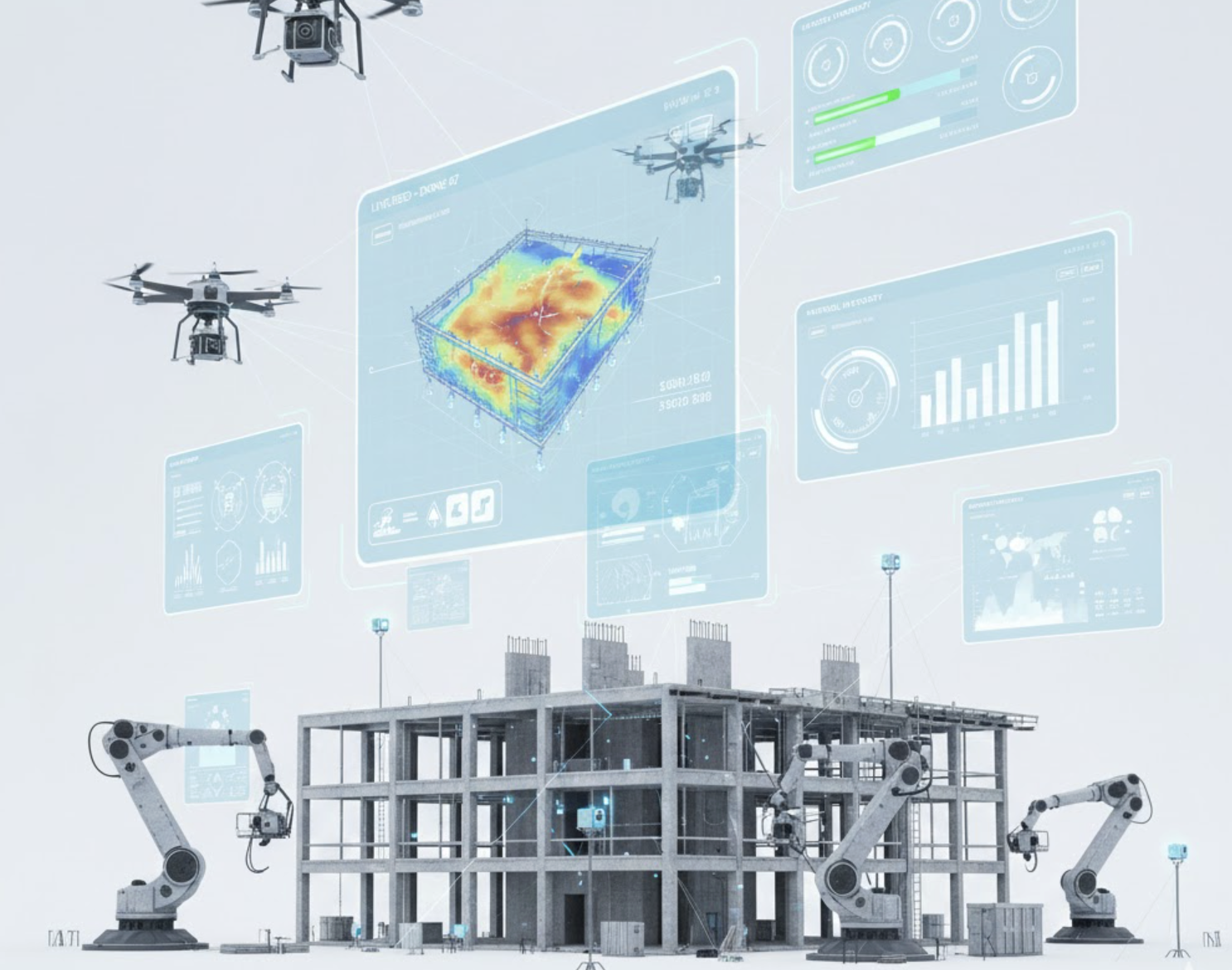
BIM (Building Information Modeling) integration, another standout feature of digital twins in construction, brings further clarity and foresight to risk visualization. With Zepth360 and its visual reporting interface, stakeholders virtually walk the site, review issues spatially, and validate mitigation progress—making complex risk status simple and accessible for everyone from project owners to subcontractors.
Data-Driven Planning and Financial Stability
Mitigation planning extends well beyond physical risks. Another common question: How do you control project costs and stress in complex construction environments? The answer is anchored in real-time financial visibility and smart construction financial management tools. Zepth Core’s Project Cost Control and Construction Financial Tracking Software modules allow teams to monitor budget shifts, approve expenditures, and forecast overruns before they derail project objectives.
The beauty of a connected system is that risk insights, jobsite observations, and document trails feed directly into construction forecasting tools. This makes budget adjustments proactive and evidence-based. AI construction automation can highlight deviation patterns, automate approvals through RFI Management and Submittals, and connect budgeting decisions with real-world changes on site. The synergy between construction cost control software and risk management delivers stability—even as scope and complexity grow.
With modules like Material Inspection, Progress Reports, and Task Management, Zepth Core establishes a robust foundation for construction tech innovation. Teams benefit from having all aspects of quality, schedule, and cost united in a cloud-based construction management environment. This digital backbone is essential for sustainable construction management and the long-term health of projects and teams alike.
Collaboration, Compliance, and a Common Data Environment
Stress often creeps in when teams operate in silos or communication breaks down. How does Zepth Core reduce project stress by keeping everyone aligned? The answer lies in its document management features—like Document Register, Submittals, Transmittals, RFI Management, and Minutes of Meeting—which create a seamless, traceable knowledge base. This ensures decisions, designs, and adjustments are visible and actionable.
Compliance demands, from HSE regulations to authority approvals, are handled through automated workflows within HSE Compliance and Authority Approval modules. Construction compliance software ensures that statutory checklists, certificates, and audit trails are managed with minimal manual effort. Each document, approval, and status update gets linked to the broader project context, reducing the “what did we miss?” anxiety that keeps managers up at night.
Above all, Zepth Core enables the common data environment for construction—making information accessible, current, and secure no matter where the team is located. This streamlined collaboration supports informed, collective responses to evolving risk and opportunity, reinforcing a lower-stress, performance-driven project culture.
Transforming Project Delivery Culture
By weaving together construction analytics, AI construction platforms, and intuitive jobsite management tools, Zepth Core is redefining what it means to manage project stress. From jobsite to boardroom, the culture shifts away from crisis response toward strategic prevention and resilience.
As digital transformation continues, the most successful firms will be those that empower their teams through smart construction management tools, invest in AI-driven construction management, and prioritize risk mitigation as an ongoing, integrated process. The result? Projects delivered on time and in budget, safety enhanced, and—perhaps most importantly—people who feel confident as they build the future.