
The pursuit of operational excellence in hotels hinges on how effectively hotels unify finance and operations. Leading hotels no longer view financial control and day-to-day operations as separate silos; instead, they are tightly interwoven through the power of advanced hotel management software, automated workflows, and real-time analytics. Bridging these domains is central to profitability, sustainable growth, and consistently positive guest experiences in today’s competitive hospitality landscape. This integration—amplified by technologies like AI in hospitality—defines excellence for multi-property operators and asset owners globally.
The Imperative: Why Bridging Finance and Operations is Mission-Critical
Hospitality businesses face unique pressures—labor costs consuming up to 50% of operating expenses, fluctuating revenue streams (from volatile RevPAR to shifting demand patterns), and ever-tight budgets. To succeed, finance and operations must act in concert. Yet the norm remains legacy silos: disconnected PMS, POS, and accounting systems that create data blind spots, reporting delays, and compliance headaches. It is common for larger brands to contend with over 50 system integrations, each a potential point of failure. These obstacles translate into guest service inconsistency and margin leaks that operators can no longer afford in a data-driven world.
Simply put, operational excellence is no longer a theoretical ideal. It’s a strategic imperative—where owners and leaders prioritize not just financial oversight but also the integration of commercial strategy, asset management, and guest satisfaction as unified performance goals. A foundational step is aligning every stakeholder around live, actionable metrics. What is operational excellence in the hotel industry? In practice, it means consistently delivering high guest satisfaction at optimal cost, responding rapidly to shifts in demand or expense, and enabling every department—rooms, F&B, events—to act on shared, real-time intelligence.
Core Concepts: Finance–Operations Integration for Next-Gen Hospitality
System Integration & Single Source of Truth
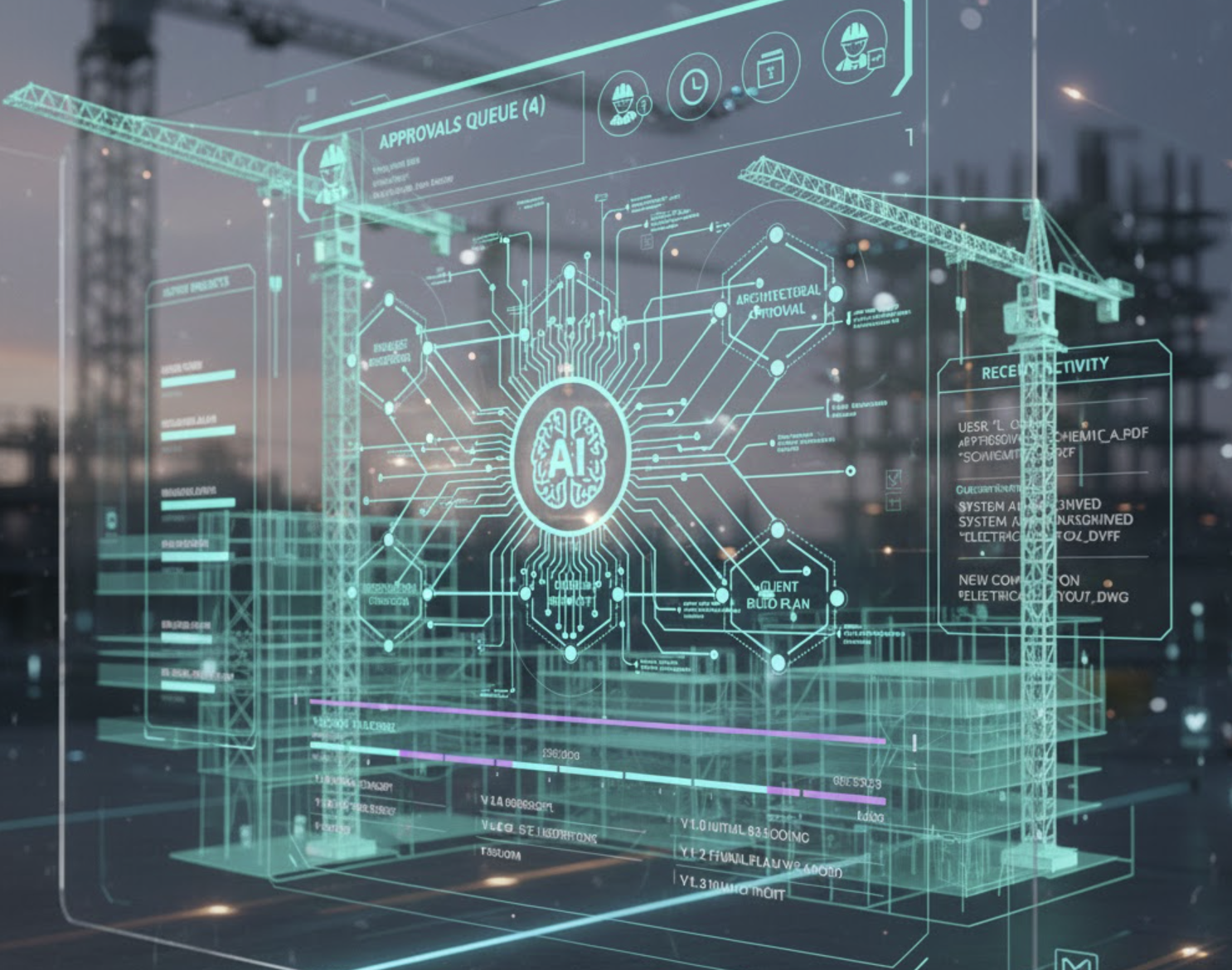
Modern hotel asset management platforms anchor operational excellence by creating a single source of truth. This means data flows unobstructed: from bookings and F&B checks to payroll and procurement, seamlessly captured and mapped into financial KPIs. No longer do hoteliers need to duplicate entries or navigate spreadsheets across a maze of systems. Best-in-class platforms such as Zepth Edge unify PMS, POS, accounting, payroll, inventory, and business intelligence (BI) within one ecosystem. The result is centralized, consistent reporting where all data is reconciled and visible for every property and department.
- Eliminates manual reconciliations and human error
- Centralizes reporting—financial, operational, and asset-level analytics
- Reduces staff training time with standardized workflows
- Improves compliance and supports robust audit trails
This holistic integration is the heart of solutions like Zepth Edge, the AI-powered hospitality management platform that transforms disparate operations into a coordinated, intelligent command center.
Real-Time Financial and Operational Intelligence
Integrated platforms deliver real-time dashboards that blend financial and operational insights—revenue, occupancy, labor cost per occupied room, ADR, RevPAR, and F&B margins—into a single pane of glass. Operators and owners gain instant clarity across the portfolio. This empowers precise, on-the-fly decisions on staffing, inventory, and pricing. For example, same-day scheduling changes become possible as forecasted demand and on-the-books data surface instantly, allowing labor costs to adjust proactively rather than reactively. Guest satisfaction, cost efficiencies, and profit improvement all flow from these connected insights.
Why does real-time analytics matter in hospitality? Because it lets hotels detect and address margin erosion, overstaffing, or supply chain issues before they impact profits. In a question a hotelier might ask, how can AI improve hotel operational management? The answer: AI-driven hotel management systems leverage predictive analytics to forecast demand, optimize staffing and inventory, and deliver recommendations that maximize both guest experience and profitability—minute by minute.
Key Levers of Operational Excellence: Where Finance and Ops Intersect
Automation of Finance–Ops Workflows
Efficiency gains hinge on automating the repetitive, manual transactions that once consumed back-office teams. In the optimal hotel portfolio management system or AI hotel automation platform, daily revenue imports, invoice processing, payroll allocations, inventory adjustments, and reconciliations run with minimal human intervention. Solutions like Zepth Edge use AI and OCR to automate invoice capture and AP workflow, enforce approval hierarchies, and generate USALI-compliant financial reports—speeding month-end closings and keeping audit trails airtight.
By freeing up finance and operations staff from paperwork and data entry, hotels redirect resources toward high-value tasks: yield management, forecasting, and guest engagement. Hospitality industry digital transformation is about exactly this kind of smart orchestration—where talent focuses on growth and efficiency, not basic admin.
Labor Optimization: Balancing Cost with Service
Labor is the largest controllable hotel cost, and the bridge between finance and operations success. Advanced hotel OPEX management tools bring together historical data, forward-booking forecasts, POS activity, and wage rates to build optimized schedules that flex with demand. Zepth Edge‘s labor analytics surface overtime risk, pinpoint understaffing, and calculate productivity metrics—like hours per occupied room or average covers per labor hour. The result? Hotels achieve lower labor costs without sacrificing guest satisfaction by always matching staff levels precisely to real-time needs rather than monthly estimates.
It’s common to wonder, how can technology reduce hotel operational costs? Smart hotel management tools automate scheduling, highlight gaps, and optimize productivity so managers stay ahead of cost overruns and service challenges.
Inventory, Procurement & Cost of Goods
Integrated hotel procurement management systems like Zepth Flow allow purchasing, inventory, and accounting to speak the same language. Automated three-way matching synchronizes purchase orders, deliveries, and invoices so stock levels and food costs are always accurate. Cost-of-sales analytics at the outlet and package level guide decisions on recipe standardization, supplier selection, and par level management—not by hunch, but by data. This cuts both waste and risk, fusing finance and operations into a seamless procurement backbone for the brand.
Revenue Management: Tying Sales to True Profit
For hotels, profit doesn’t stop at RevPAR. The enterprise need is to understand net profitability—GOPPAR and NOI—by channel, offer, or customer segment. Integration across revenue management and financial systems (enabled by platforms like Zepth Edge) surfaces the true profit impact of every decision. This lets teams steer demand to the highest-margin channels, balance rate discounts with ancillary sales, and ensure that every F&B promotion or event covers its costs with room to spare. Crucially, it keeps all departments aligned with the bigger business outcome: profitable growth, not just top-line wins.
Compliance, Controls & Risk Mitigation
Integrated command centers like Zepth Edge reinforce compliance with the USALI standard and local regulatory demands as built-in features—not afterthoughts. Automated workflows secure sensitive transactions, enforce segregation of duties, and provide robust audit trails for cash, discounts, purchasing, and payroll. With manual intervention minimized, risks of fraud or clerical error are sharply reduced. Cloud-based management locks critical data away from spreadsheets and shadow IT, boosting both cyber and operational security for complex portfolios.
Best Practices for Bridging Finance and Operations: The Zepth Edge Approach
Unified Technology & Data Architecture
The foundation for operational excellence is a holistic, API-driven integration strategy—not temporary point solutions. Hoteliers should break away from patchwork file exports or manual data uploads. Modern platforms enable direct connections between PMS, POS, accounting, HR, and asset management, radically improving transparency and speed.
Zepth Edge realizes this approach with a modular suite that includes:
- Financial Overview: Real-time profit, revenue, and expense dashboards—property by property, or across the entire portfolio.
- Occupancy & Utilization: Identify underperforming assets and peak demand cycles to maximize returns and guest volume.
- Service Quality: Overlay operational efficiency with guest satisfaction metrics to sustain high standards and drive loyalty.
- Budget & CAPEX Management: Digital approval workflows bring order and traceability to both everyday spending and long-term investments.
- Asset Register & Disposal: Centralized, audit-ready asset data to manage the entire lifecycle from acquisition to end-of-life—supporting sustainability and financial control.
- MIS Reporting: Instant management information system (MIS) reports, blending financial and operational analytics for executive decision-making.
Cloud-based, intelligent, and mobile-enabled, Zepth Edge gives forward-thinking hotels the bionic edge to outperform competitors—no matter how complex their portfolios become.
Driving Sustainable Success with Operational Intelligence
Sustainable hotel management requires hotels to look beyond transactional efficiency. It demands active, portfolio-wide stewardship of energy usage, resource allocation, and lifecycle optimization—which is easily tracked with tools like asset lifecycle management for hotels and actionable cost-per-room-night analytics. Modern AI asset management software not only digitizes these processes but helps hotels continually reduce waste, extend asset life, and make greener choices for the environment and the bottom line.
Another frequently asked question: What is the role of real-time analytics in hospitality management? Real-time data analytics empower all stakeholders to act decisively—whether it’s to adjust inventory for a sudden surge in demand, initiate immediate repairs to prevent asset breakdowns, or optimize the allocation of capital for renovations. This agility leads to higher asset reliability, fewer operational surprises, and a culture of proactive management that defines the modern hospitality brand.
Conclusion: Next-Gen Excellence Depends on Integration
In the new age of hospitality, the gap between finance and operations cannot be an afterthought. The most successful organizations wield integrated, AI-driven platforms that provide live, actionable insights for every stakeholder—from property teams to the C-suite. Bridging these traditionally separate worlds boosts efficiency, sharpens compliance, and empowers hotels to deliver exceptional guest experiences while optimizing costs and maximizing returns.
Zepth Edge stands at the forefront of this transformation—a connected command center delivering AI-driven performance dashboards, real-time data, and next-generation cloud-based hospitality management system technology. By unifying finance and operations in one seamless platform, hotels gain the intelligence, agility, and control required to lead in a hyper-competitive market. The intelligence edge is not just an advantage—it’s now the industry baseline for operational excellence.