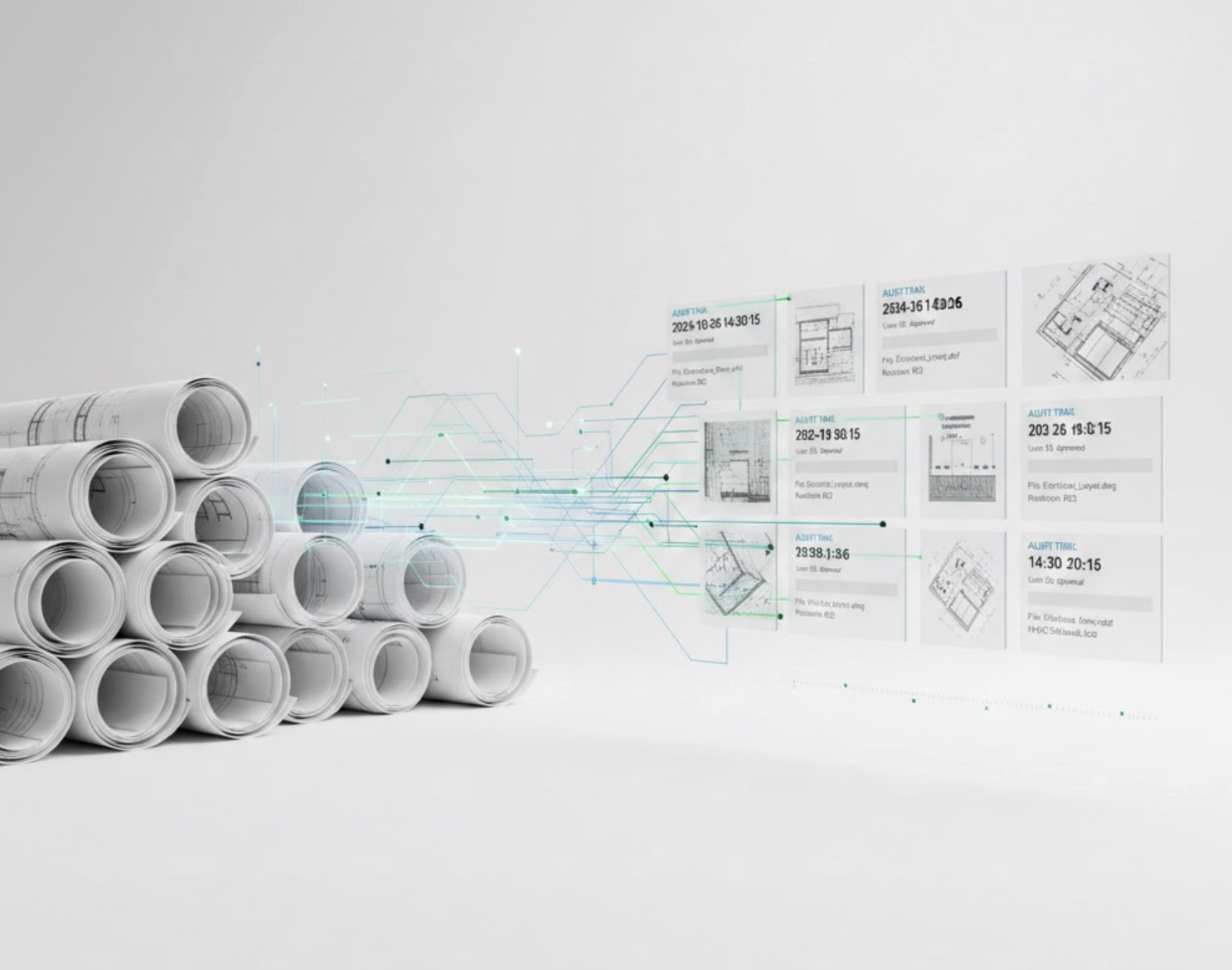

Linking documents to QA/QC processes is the backbone of effective construction project management software, accelerating quality assurance and control on today’s complex job sites. As construction projects grow in scale and scope, seamless document linking—from drawings to RFIs to inspection reports—directly impacts how efficiently teams resolve issues, uphold compliance, and maintain project momentum. Integrated platforms like Zepth Core have innovated this workflow, connecting every piece of information within a unified, digital ecosystem and unlocking the power of smart document management. This innovation streamlines QA/QC, supports productive collaboration, and brings unprecedented transparency to the construction lifecycle.
The Value of Document Linking in Construction QA/QC
Typical construction sites bustle with activity, where dozens of stakeholders—from site crews to architects to project owners—exchange and review thousands of documents. Here, construction document management can either drive clarity or create confusion. When QA/QC staff cannot instantly access the right drawings, inspection records, or previous correspondence, resolution of defects stalls and risks multiply. Linked documents serve as the connective tissue across a project’s data, leveraging construction submittal software and common data environments for construction to provide:
- Traceability: Each snag, non-conformance, or safety violation links directly to its supporting documents, strengthening audit trails and responsibility chains.
- Contextual clarity: Attachments to inspection requests or incident reports ensure decisions are based on complete, up-to-date information—reducing costly guesswork.
- Faster issue resolution: Field teams upload photos, videos, and 360-degree walkthroughs (via tools like Zepth360), tying them to specific checklist items or locations for rapid review.
- Reduced disputes: Direct links to specifications, contracts, and RFIs support clear, defensible QA/QC outcomes, lowering rework and claims.
Questions often arise like, “How can linking documents improve QA/QC in construction?” The answer is simple: Seamlessly linked documents remove ambiguity, enabling immediate verification and real-time decision-making at every stage.
How Zepth Core Supercharges QA/QC with Smart Document Linking
The Zepth Core platform reimagines QA/QC by embedding advanced jobsite management tools and AI-powered project management capabilities into every phase. With modules dedicated to Inspections, Snag Lists, Non-Conformance, Material Inspection, and more, Zepth allows teams to instantly attach or reference critical documents without switching tools or losing version control. This centralized ecosystem means:
• When a site inspector flags an issue, they can link drawings, material submittals, or authority approvals instantly—right from a tablet or smartphone.
• QA/QC managers reviewing non-conformance items have direct access to all supporting documentation, correspondence, and change orders, supporting data-driven resolutions.
• Photographic evidence captured by Zepth360 is visible to stakeholders along with related checklists and specifications, allowing for coordinated corrective actions.
One user might ask: “What is the benefit of using a centralized construction document management system?” The benefit lies in uncompromised access—teams collaborate with confidence, knowing everyone is working from a single source of truth, essential for real-time construction project data and robust compliance workflows.
Driving Project Performance with Integrated Insights and Analytics
The impact of document linking extends well beyond QA/QC. Tightly integrated construction analytics and insights empower teams to identify bottlenecks and see at a glance where issues recur—enabling proactive risk mitigation in construction. Zepth’s Insights & Analytics module transforms everyday project interactions into actionable dashboards and reports, fusing inspection data, non-conformance frequency, and even resolution turnaround times. This level of visibility makes it easier than ever to apply AI tools for construction to forecast trends, automate repetitive tasks, and allocate resources where they’ll have the greatest impact.
Typical questions in the industry—such as, “How does AI improve construction risk management?”—find practical answers in these platforms. AI-driven engines built into a solution like Zepth automatically flag potential quality or compliance risks, correlate past incidents, and prompt mitigation measures. This technological leap creates a feedback loop: Linked documents feed predictive models, and those insights, in turn, inform on-the-ground QA/QC actions.
Enabling Proactive Compliance, Cost Control, and Digital Transformation
Today’s construction sector faces rising demand for sustainable compliance, precise cost management, and accelerated schedules. Construction compliance software increasingly relies on linking documents—combining site instructions, approved materials logs, and statutory submissions in a digital format that ensures nothing goes missing. Zepth Core’s modules for Authority Approval, RFI Management, and Task Management power up this digital transformation, replacing time-consuming manual tracking with AI construction automation and real-time document syncing.
On the financial front, construction financial tracking software benefits enormously from unified documentation. Cost control teams easily substantiate expenditure and resolve claims when each payment application, contract variation, and supporting invoice is directly referenceable from the cost control dashboard. The synergy between integrated document management, project budgeting tools for construction, and automated audit trails makes compliance audits and stakeholder reporting painless and precise.
This seamless flow is vital for organizations pursuing sustainable construction management strategies and for those integrating new BIM (Building Information Modeling) methodologies. As industry adoption of cloud-based construction management, digital twins in construction, and smart construction management tools accelerates, linked documents provide the backbone for full construction lifecycle management software—unifying planning, design, delivery, and asset management workflows under one digital roof.
Unlocking the Future of Quality and Collaboration on Construction Sites
Linking documents within advanced construction management software like Zepth Core isn’t just a best practice—it’s quickly becoming an industry standard for delivering transparent, efficient, and high-quality built assets. By automating the connection of every inspection, RFI, submittal, and non-conformance to its source data, platform users drive down errors, accelerate decisions, and enable heroes on the front lines of construction to focus on what matters: building better, faster, and safer.
For project leaders asking, “How do I select the best construction project tracking software for my firm?”—prioritize platforms with robust document linking capabilities, AI-powered workflows, real-time analytics, and mobile-ready interfaces. Zepth Core’s comprehensive approach to construction project tracking software and document management delivers exactly that, amplifying accountability, reducing risk, and fueling the digital transformation of construction worldwide.