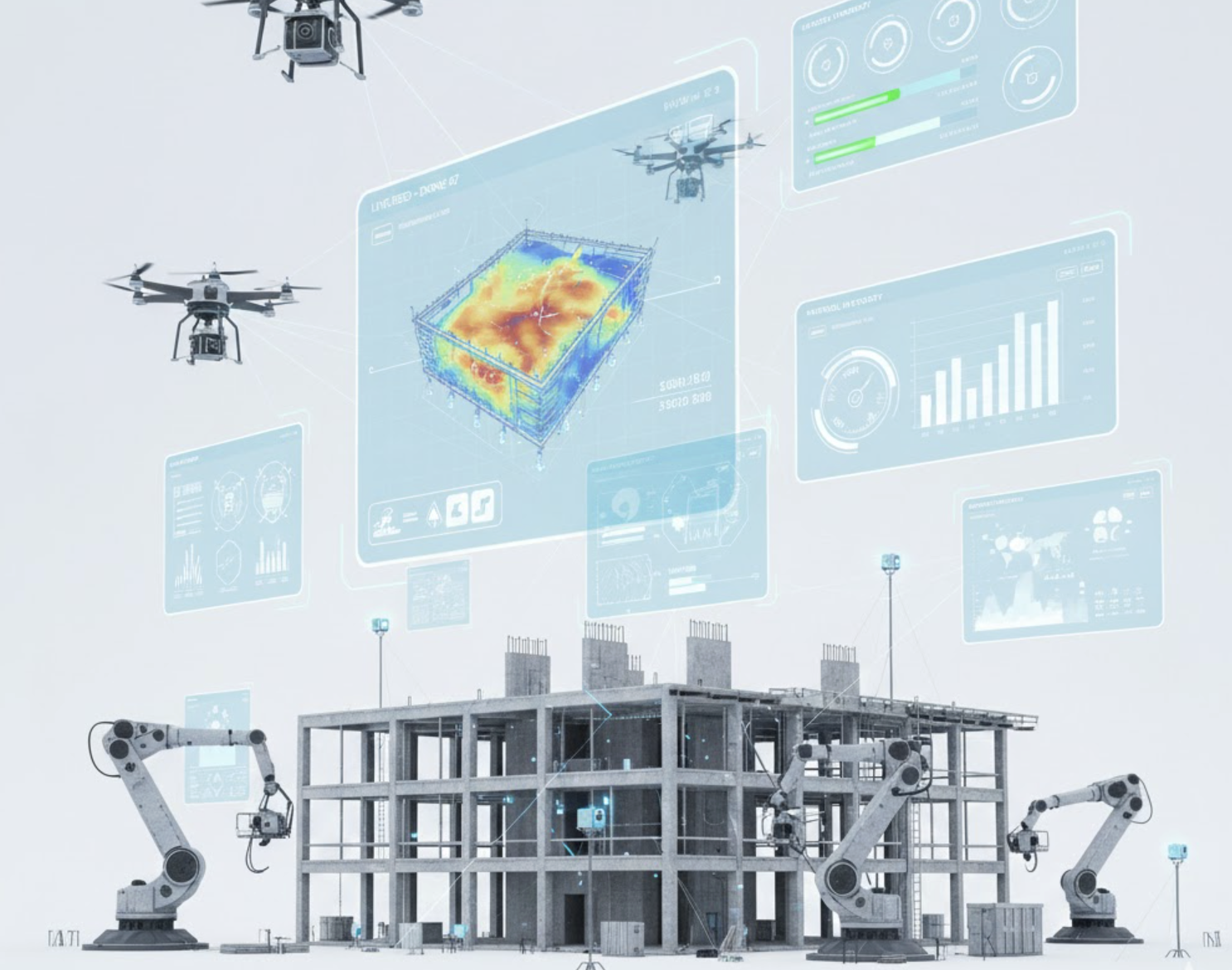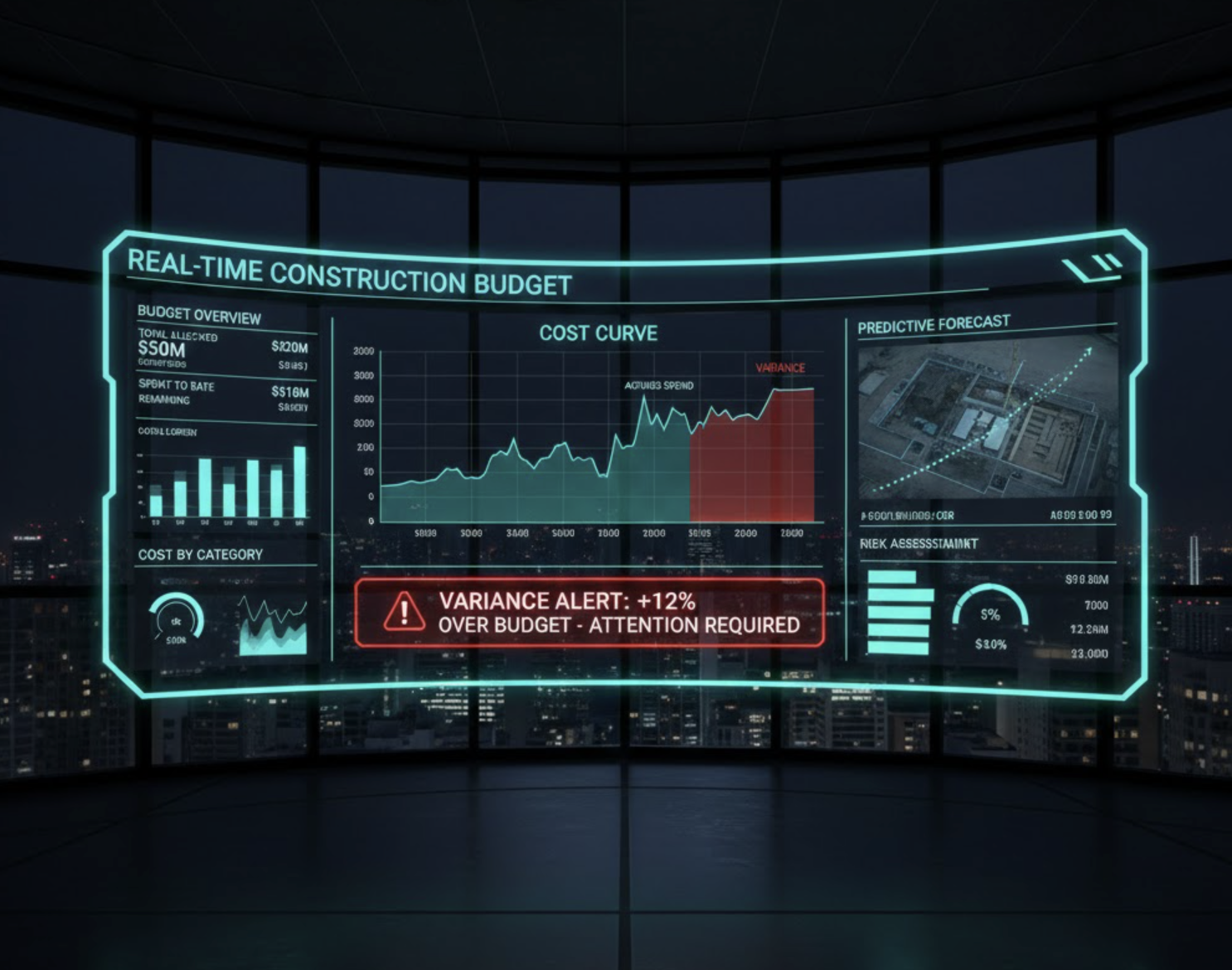

For construction project managers, cost control sits at the very heart of effective project management. Relying on advanced construction project management software is now essential—not only for staying within budget, but also for forecasting risk, ensuring profitability, and maintaining client trust. In today’s digital era, platforms like Zepth Core bring together AI-powered project management, robust financial oversight, and construction analytics to provide an ecosystem where cost control becomes embedded in every project phase.
Why Cost Control in Construction Matters
Managing project finances goes far beyond simply watching the bottom line. In the construction industry, cost overruns can quickly erode profit margins, disrupt schedules, and damage reputations. Strong cost control practices, supported by construction financial management tools and real-time data, ensure projects remain viable, owners get the value they expect, and contractors protect their interests.
Effective cost control strategies achieve several critical goals:
- Maintain project profitability. By keeping spending within approved budgets, contractors avoid losses and set a foundation for future business.
- Minimize financial risk. Addressing risks early helps prevent cash flow issues, unplanned claims, or emergency funding requests.
- Improve schedule performance. Many timeline delays stem from cost and scope disputes. Proactive oversight reduces missed deadlines.
- Increase transparency and trust. Using construction analytics and insights, project stakeholders stay informed, engaged, and confident in delivery.
Many construction firms ask: Why is cost control so critical in construction projects? The simple answer is that construction typically involves complex scopes, variable site conditions, and fluctuating market prices. Without stringent cost control, these variables can quickly spiral, leading to overruns and disputes. Leveraging a cloud-based construction management platform empowers teams to counter these risks with data-driven oversight.
The Project Manager’s Role: Leading Cost Control from Start to Finish
For project managers, cost control is an ongoing discipline that spans planning, execution, and closeout. At the planning stage, the PM must translate the client’s vision into a realistic budget, using detailed estimations and historical benchmarks. Tools like Zepth Core enable capturing early assumptions, logging requirements, and establishing a common data environment for construction, providing single-source clarity across the team.
As design and procurement decisions unfold, PMs rely on project tracking software to ensure every choice remains aligned with budgetary goals. During the build phase, they monitor costs in real time, leveraging AI construction automation and field-data capture to flag emerging risks. If, for example, material prices spike or unforeseen site conditions arise, they initiate rapid, informed communication among stakeholders—often via platforms that integrate construction document management and automated alerts for potential overruns.
The project manager must also serve as the communication hub, bringing together owners, designers, contractors, and suppliers. This collaborative approach is especially powerful when supported by digital platforms that provide structured approval workflows, transparent records, and construction submittal software capabilities that reduce delays and support smooth project delivery.
Key Processes for Cost Control: Integration and Oversight
Cost control is most effective when fully integrated into core project management processes, each of which can be digitized and enhanced with advanced software:
- Scope Management: Avoid scope creep by defining clear requirements, maintaining rigorous change-order workflows, and tracking all updates within a centralized system.
- Time Management: Build schedules that allow efficient sequencing of work, minimizing costly delays. By tying jobsite management tools to the project’s critical path, rework and idle time can be drastically reduced.
- Risk Management: Identify potential cost drivers early—whether market fluctuations, design gaps, or site-specific challenges. Utilize AI risk management in construction to allocate contingencies and proactively develop mitigation plans.
- Procurement and Contracts: Select contract forms and pricing mechanisms that balance risk. Automated approval chains and secure document tracking—features intrinsic to AI document management software—ensure all commitments are recorded and analyzed for cost impact.
Common user questions include: How do construction cost control software solutions support risk mitigation? The answer lies in digital transparency: by centralizing cost data and linking it to risks, so managers see the full picture and act quickly when risks threaten the budget.
Practical Strategies and Tools: Enabling Cost Control Excellence
Embedding cost control into daily routines requires practical tools and habits. The best construction project management software enables PMs to:
- Draft detailed, realistic estimates and budgets at inception—drawing on BIM (Building Information Modeling) integration and historical cost libraries.
- Define a robust cost breakdown structure to track spend by trade, section, or work package—using coding systems unique to your organizational needs.
- Monitor real-time field progress and expenses via smart mobile apps or site capture—modules like Zepth360, or the Daily Reports feature, feed live data for fast corrective action.
- Automate regular cost reporting and forecasting, comparing planned vs. actuals to catch trends before they escalate.
- Enforce rigorous approval workflows for all RFIs, change orders, and material buys, so every new commitment is transparently costed and logged.
- Implement value engineering reviews to seek cost savings that do not compromise design intent or quality—supported by collaborative digital tools.
Zepth Core stands out in this landscape by offering a full suite of interconnected modules: Project Cost Control for budgeting and expenditure tracking, Risk Register and Mitigation Plans for dynamic risk oversight, and Insights & Analytics bringing AI-driven reporting to managerial fingertips. With features like automated document logs, digital submittal tracking, and dedicated portals for incident and non-conformance reporting, it enables holistic compliance and real-time cost monitoring.
Many managers are curious: What’s the best way to track construction costs on a daily basis? Field capture modules—like those in Zepth Core’s Daily Reports and Zepth360—let teams update time sheets, install rates, and material consumption as work happens. This immediate feedback is crucial for preventing overruns before they become embedded problems.
Making Cost Control a Best-Practice Habit: Daily Actions for PMs
Turning cost control from a monthly chore into a routine part of daily project management improves results and reduces surprises. Leading project managers do the following:
- Review cost and schedule trends every week, not just at milestones.
- Ensure every approval—RFI, change order, or PO—is reviewed for direct cost impact before moving forward.
- Maintain thorough documentation, so if disputes arise, all claims can be resolved efficiently and fairly.
- Engage site teams and subcontractors by inviting cost-saving ideas from those closest to the work—collaborative input often uncovers hidden inefficiencies.
- Integrate lessons learned from each project into future estimating and oversight routines, closing the feedback loop for continuous improvement.
Zepth Core helps lock these habits into daily workflows. Its centralized Document Register makes critical documentation easily searchable and shareable. The Task Management module assigns, tracks, and prioritizes action items, ensuring nothing falls through the cracks. This holistic approach is further augmented with rich, AI-powered dashboards for construction analytics and insights, supporting smarter, faster decision-making.
One frequently asked question: Can construction analytics provide actionable insights into project cost control? Absolutely. AI-driven dashboards in modern platforms, such as Zepth Core’s Insights & Analytics, can reveal patterns of spending, highlight early risks, and flag areas for efficiency—unlocking value that wouldn’t be evident in traditional static reports.
Driving Industry Change: The Future of Construction Cost Control
The construction industry is undergoing digital transformation—with AI-powered project management, smart automation, and real-time dashboards now setting new benchmarks for performance. Construction tech innovation is making sustainable construction management and digital twins more accessible, while cloud-based platforms create a unified view across geographically dispersed teams. Software like Zepth Core, built around centralized construction document management, automated alerts, and proactive risk mitigation, positions responsibility for cost control at the forefront of every project—empowering teams to deliver value, keep clients satisfied, and sustain profitability.
Whether managing landmark towers or fast-track retail concepts, making cost control a pillar of your construction lifecycle management ensures competitive advantage. The future belongs to project managers who embrace technology, enable their teams with smart tools, and foster a disciplined, data-driven approach to every dollar spent. With Zepth Core, real-time financial tracking, documentation workflows, and integrated risk management are no longer aspirations—they are everyday realities supporting project success.