
Hotel CAPEX optimization sits at the heart of asset growth, guest satisfaction, and financial discipline in the hospitality industry. After a period of deferred maintenance, spiking construction costs, and rapidly evolving guest expectations, global hotel owners face unprecedented capital project pressures. Overspending no longer means just blown budgets—it impedes returns, threatens compliance, and diminishes future asset value. Fortunately, AI-powered hotel management, modern asset and financial platforms, and data-centric workflows now enable owners and operators to transform how they plan, execute, and audit capital projects. This guide explores the new stakes of hotel CAPEX management and how the right software—like Zepth Edge, a holistic hotel asset management platform—can help you stop overspending for good.
The High Stakes of Hotel CAPEX Today
CAPEX, or capital expenditure, involves investments in long-lived physical assets—think building upgrades, technology refreshes, FF&E replacements, and sustainability-driven retrofits. In the hotel world, annual CAPEX typically ranges from 3–5% of gross revenue for maintenance, with much higher outlays during repositioning or brand conversions. The pandemic’s wave of deferred maintenance, alongside 20–30% increases in construction material costs in some regions, has created a post-2023 CAPEX surge for many hotel portfolios. Meanwhile, wary lenders demand tighter budgeting and faster payback, and ESG regulations push for smarter, greener capital spends. Poor CAPEX management can lead to budget overruns of up to 45%, missed brand standards, lower RevPAR, and ultimately, assets that lose market relevance and value. But why do hotels so often overspend on capital projects?
What CAPEX Optimization Really Means for Hotels
To truly optimize capital spend, hotels need to maximize the ROI on every dollar while minimizing risks tied to cost overruns, schedule slips, or guest disruption. Hotel CAPEX optimization is built around these pillars:
- Strategic Alignment: CAPEX must directly support brand standards, asset strategy, and future market positioning.
- Portfolio-Level Planning: Planning across all properties to smooth spend, sequence investments, and capture procurement efficiencies.
- Project-Level Discipline: Accurate scoping, change management, and budgeting to prevent overruns.
- Lifecycle and TCO Thinking: Considering operational and replacement costs throughout the asset’s life—not just during acquisition or renovation.
- Data-Driven Decisions: Prioritizing using live hotel performance, maintenance records, and market benchmarking.
Modern platforms assist with this shift from simply spending to maintain, to strategically investing to uplift value, reduce ongoing costs, and future-proof assets. Zepth Edge supports this by enabling connected capital project planning, budgeting, and analytics, all within one command center. You may wonder, ‘How do hotels usually manage large capital projects?’ The answer: many still use spreadsheets and disjointed emails, which increases risk and makes ROI harder to achieve. Leading properties are moving to integrated hotel asset management platforms for efficiency and compliance.
Why Hotels Overspend on Capital Projects (and How to Fix It)
Seven factors stand out as drivers of overspending:
- Inadequate Project Scoping: Vague briefs or incomplete site surveys lead to costly surprises mid-project. Digital tools and central scope management platforms help clarify and lock down requirements early.
- Poor or Unrealistic Budgeting: Basing budgets on old cost data or underestimating needed contingencies often results in budget blowouts. AI-driven hospitality analytics and forecasting tools now make more accurate, real-time budgeting possible.
- Weak Procurement Strategies: Fragmented sourcing misses out on bulk savings and quality assurance. Centralized procurement modules on platforms like Zepth Flow improve price negotiation and vendor consistency.
- Change Orders and Scope Creep: Frequent scope shifts cause budget spikes. Structured digital change order management, such as Zepth’s automated approval workflows, builds discipline and audit readiness.
- Lack of Real-Time Controls and Visibility: Manual tracking creates blind spots and audit gaps. Live dashboards on a cloud-based hospitality management system bring errors and overruns into immediate focus.
- Poor Renovation Coordination with Hotel Operations: Misscheduled works or poorly phased projects disrupt revenue and guest satisfaction. Integrated calendar and milestone planning platforms can minimize such losses.
- No Post-Project Review: Lessons go uncaptured when there isn’t a structured closeout and analytics process. Project history tools, like those in Zepth, enable benchmarking for future improvements.
Zepth Edge’s end-to-end hotel CAPEX control software addresses each pain point by centralizing documentation, digitizing change management, enabling collaborative workflows, and tracking real-time costs and risks.
Building a Smarter CAPEX Plan: Portfolio to Project Level
Smarter investment requires blending tactical site-level planning and big-picture portfolio thinking—supported by structured data. Here’s how:
Multi-Year, Rolling Plans map replacement cycles for critical systems—guestroom soft goods (5–7 years), HVACs (15–20), elevators (20+)—and integrate upcoming brand PIPs and regulatory sustainability deadlines. Portfolio-level prioritization, using objective ROI and risk scoring models, compares projects by payback potential, compliance needs, and guest satisfaction outcomes. Scenario planning ensures each capital allocation matches current financing strategy, holding period, and market cycles. And by involving asset managers, engineers, and operators through cross-functional CAPEX committees, properties gain alignment and reduce costly disconnects between design, engineering, finance, and operations. Zepth provides an essential “single source of truth” by connecting project-level details to portfolio dashboards, helping asset managers see where performance lags and refine future CAPEX plans.
Property owners often ask, ‘What is the best way to plan hotel capital projects over several years?’ The key is using a dedicated hotel portfolio management system that structures all decisions, updates, and reviews digitally, ensuring longevity and transparency of planning across years and teams.
Execution Discipline: Procurement, Cost Control, and Change Management
Once plans are set, tight execution controls prevent overspending:
Front-End Planning starts with detailed assessments, digital audits, and scope freeze before tendering. Budgets should reflect current market rates and set realistic contingencies (typically 10–15% for renovations). Scope definition and version tracking with solutions like Zepth’s documentation modules help maintain project discipline and reduce costly late-stage changes.
Smarter Procurement leverages portfolio-scale purchasing power via centralized modules, evaluates vendors using rigorous, standardized templates, and builds value-engineered cost comparisons. Hotel OPEX management tools and contract management platforms align commitments, manage invoices, and automate contract variations for clear, auditable spending trails.
Real-Time Cost Control is achieved by tracking budget, committed spend, and forecast-at-completion in one dashboard. Change orders go through structured workflows, enabling rapid impact assessment and delegated digital approvals—practices enabled by Zepth’s automation engine.
Communication and Documentation are centralized, so teams always have access to the latest documents, RFIs, drawings, and site instructions, preventing errors and contractual disputes. Progress tracking and milestone alerts help catch slippage early.
For those wondering, ‘How can technology help in managing hotel budgets and finances?’ Modern hotel financial management software brings together live budget tracking, automation, and analytics, allowing smarter allocation, instant reconciling, and faster reporting—key for disciplined CAPEX execution.
Keeping Guests Happy While You Renovate
Phased scheduling—timing works for low-demand periods, isolating floors or wings, and using stack planning—protects operational revenue during construction. Digital platforms help by coordinating calendars, preventing high-guest-impact work during peak seasons, and tracking all change requests impacting guest experience. Communication plans keep guests and staff informed, while digital snag and punch-list management ensures smooth handover and defect resolution. Health, safety, and compliance are maintained through transparent risk logs and access controls, also streamlined via Zepth’s project workflow modules. The best hotel operations management platforms now directly connect project activities with property management and guest service systems, so interruptions are minimized, and service levels remain high throughout any major upgrade cycle.
Measuring ROI and Making Data-Driven CAPEX Decisions
Ultimately, capital projects must earn their keep. Link every CAPEX outlay back to improved RevPAR, uplifted ADR, lower maintenance, or ESG-driven cost savings. Financial modeling—using IRR, NPV, and payback—should drive project prioritization. Post-project, compare actual outcomes (costs, guest satisfaction, energy consumption) against benchmarks to refine future investments. Powerful AI asset management software and hospitality analytics and insights platforms like Zepth Edge now combine financial, operational, and guest data for fast ROI analysis, continuous improvement, and audit-ready compliance. High-ROI projects—such as energy-efficient HVAC, guestroom tech, or modular renovations—stand out clearly when tracked through connected reporting platforms.
New Tools and Trends Transforming Hotel CAPEX
Digital Construction & Project Management: Cloud-based platforms are replacing error-prone spreadsheets and emails, enabling instant visibility into cost and schedule and standardizing processes across properties—reducing risk, overruns, and rework. Platforms like Zepth bring document control, change management, and audit readiness to every project.
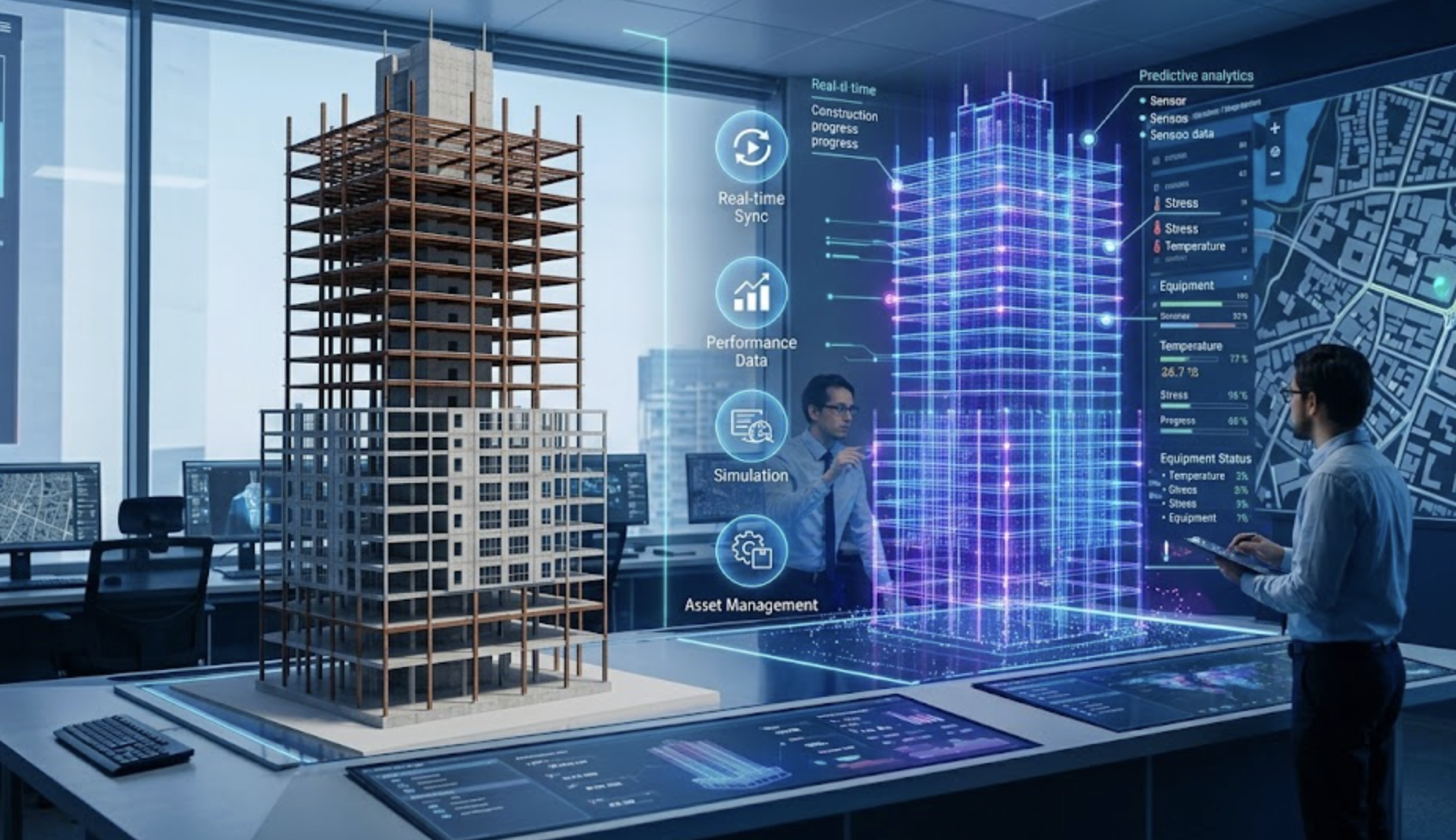
BIM and Digital Twins: While Zepth is not a BIM platform itself, it hosts all critical BIM drawings and model outputs, supports workflow management, and ensures all approvals and documentation are accessible and auditable.
ESG and Green CAPEX: Sustainability is now a core driver of hotel asset value, with regulations demanding greener projects and energy-efficient upgrades. Zepth tracks green investments, ESG progress, and supports financing or green certification reporting.
Modular and Offsite Construction: Prefabricated units and modular approaches reduce disruption and speed up delivery, but require advanced scheduling and logistics—both strengths of platforms like Zepth Edge.
Trends like AI-powered forecasting, IoT-driven maintenance planning, and fully digital CAPEX review cycles are becoming must-haves for top hotel groups looking to capture efficiencies and outpace the market.
How Zepth Helps Hotel Owners Stop Overspending on Capital Projects
As a dedicated hotel CAPEX optimization platform, Zepth Edge streamlines every phase of the capital project lifecycle for both owners and operators:
- Cost & Budget Management: Line-item setup, multi-level budgeting, and live tracking of commitments, invoices, and forecasts to completion.
- Change Order & Risk Control: Automated approval workflows, full history tracking, and real-time impact analysis for cost and schedule.
- Portfolio-Level Dashboards: Compare project and asset performance across brands, properties, and countries—identify trends, laggards, and spend optimization opportunities.
- Standardized Processes: Templates and best-practice workflows for every stage, ensuring auditability, compliance, and scalable project governance.
- Collaborative Documentation: Central control of all critical files—drawings, RFIs, submittals, approvals—with role-based access for internal and external stakeholders.
- Service Quality and Operations: Integrated tools let hotel teams manage service requests, track guest experience impact, and coordinate with capital project teams seamlessly.
This connected approach supports CAPEX efficiency, transparency, and continuous improvement—empowering smarter decisions, leaner capital deployment, and stronger hotel asset performance. Zepth Edge truly embodies the Intelligence Edge for hotels, putting owners and operators ahead in the digital transformation of hospitality asset management.
Conclusion: Turning CAPEX into a Strategic Advantage
Capital projects are not just about fixing what’s worn or broken—they are levers of competitive differentiation and long-term asset growth. With the right mix of data-driven planning, execution discipline, guest-focused coordination, and continuous review, hotel owners can turn CAPEX from a cost center into a strategic investment. AI-powered hospitality management platforms like Zepth Edge have made it possible to end the cycle of overspending and missed opportunities—enabling more sustainable, profitable, and guest-centric hotels. Investing in digital, integrated systems today ensures you capture CAPEX value tomorrow—putting you on the front foot, whatever market challenges or opportunities lie ahead.