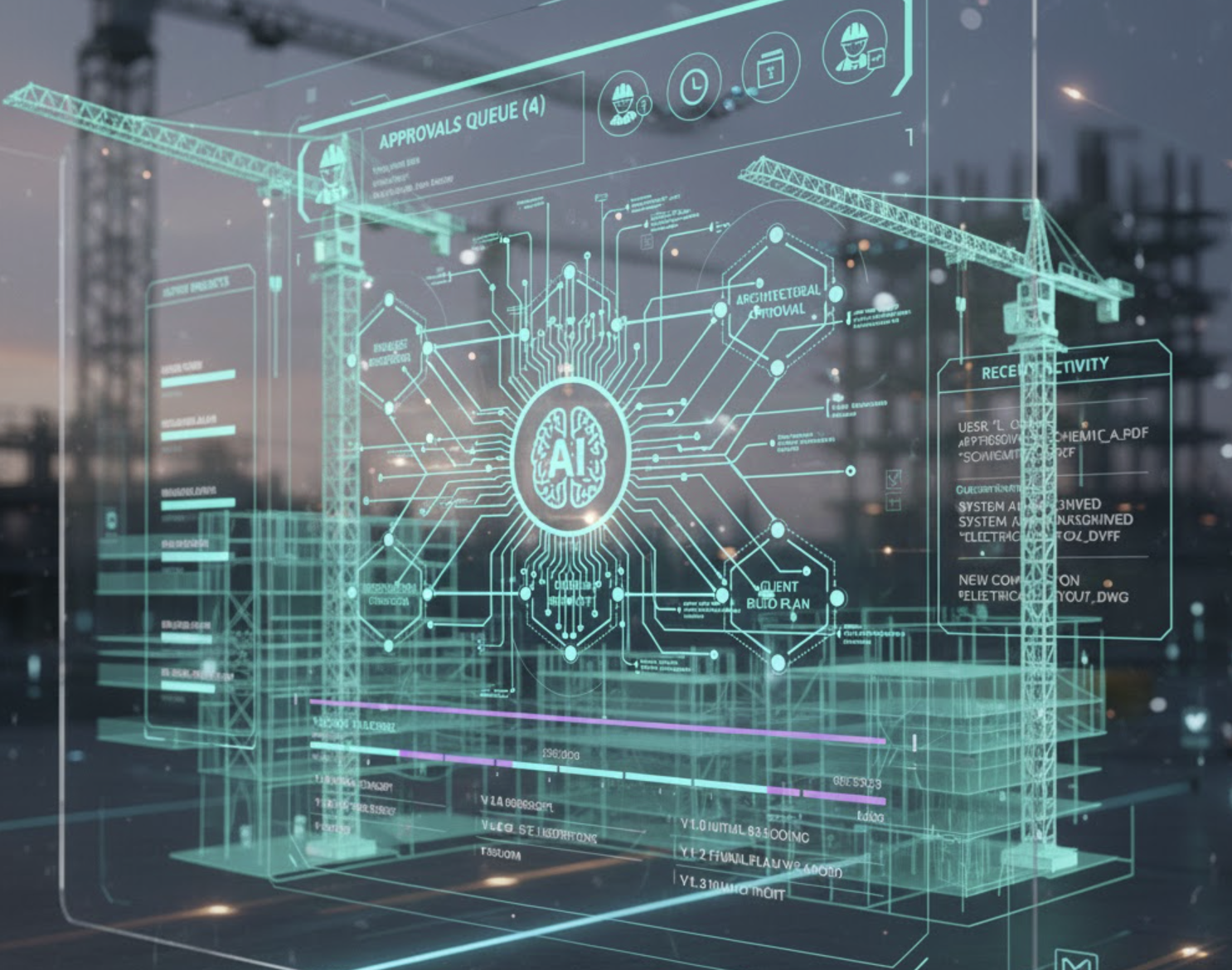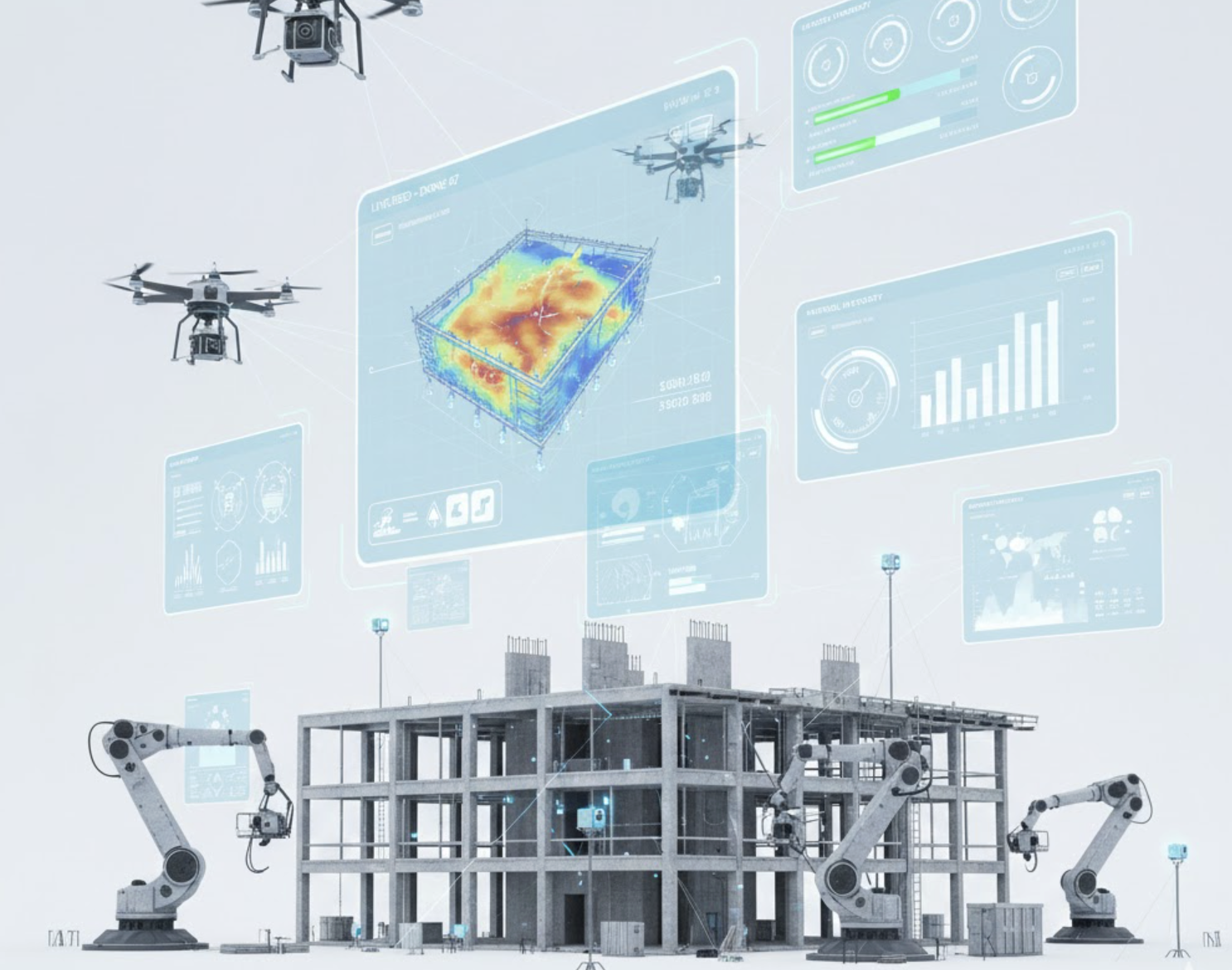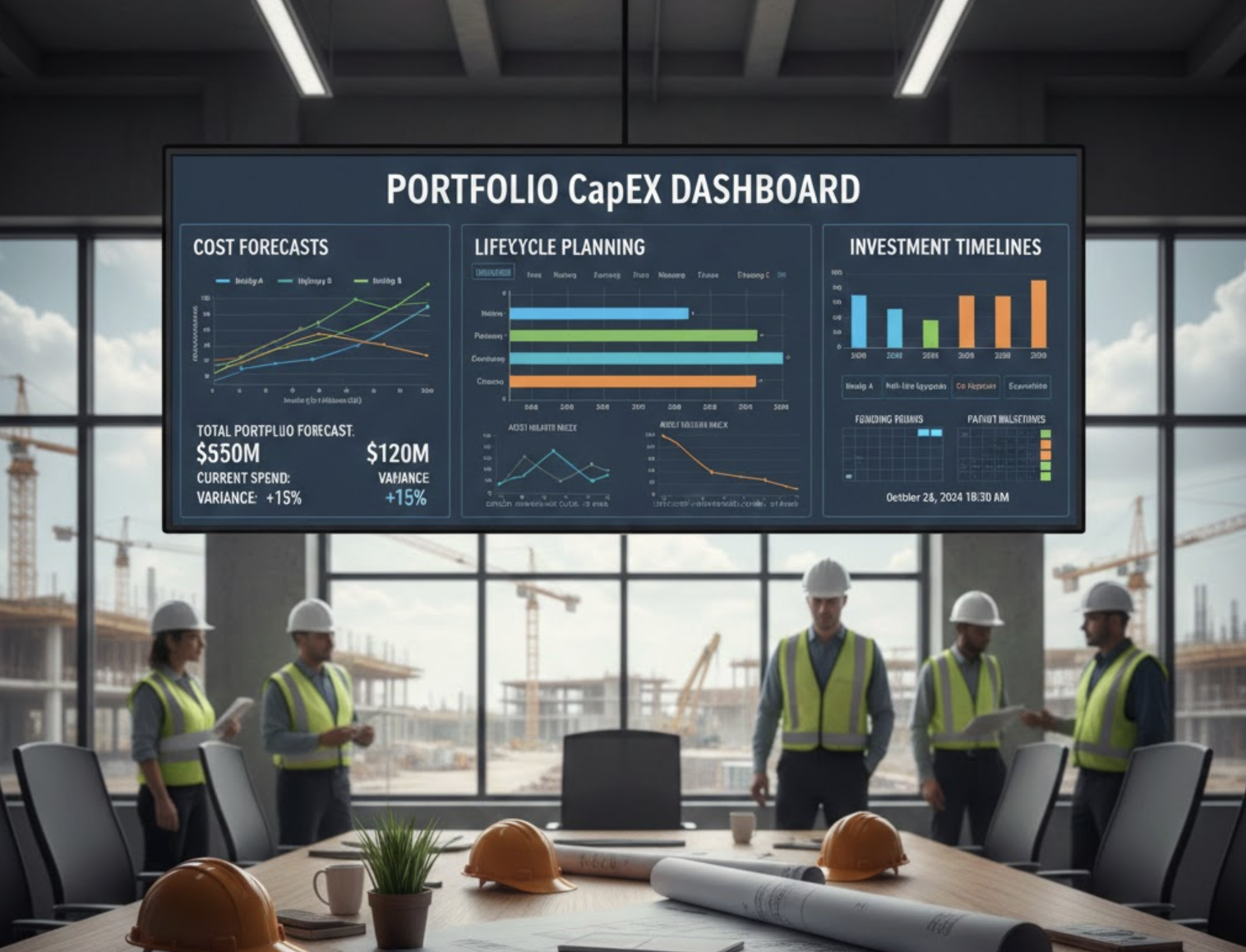

Forecasting hotel capital expenditures with analytics represents a next-generation approach to maintaining, improving, and future-proofing hospitality portfolios. By using a hotel asset management platform driven by data, operators and owners can intelligently allocate resources, protect asset value, and align expenditures with revenue streams. This approach, powered by hotel management software and AI-driven insights, redefines how hotels plan for major investments—anticipating what to invest in, when, and for how much. In today’s volatile hospitality environment, this is not just a competitive advantage, it is essential.
Understanding Hotel CapEx: The Foundation of Asset Strategy
In hospitality, capital expenditures (CapEx) refer to substantial investments in long-term assets—everything from guestroom refurbishments and lobby renovations to critical systems like HVAC, elevators, roofs, IT infrastructure, and energy upgrades. These investments differ from OPEX – routine operational expenses such as payroll, cleaning supplies, and utilities. For hoteliers, the long timeframes of CapEx cycles (often spanning 10–30 years) demand a careful and forward-thinking approach to capital planning. The stakes are high: timely CapEx preserves brand standards, enhances guest experiences, and defends asset value for ownership groups and investors.
CapEx forecasting matters for several strategic reasons. It not only keeps properties ahead of physical obsolescence, but it also prevents “CapEx cliffs”—periods when several large systems require simultaneous replacement, risking dramatic cash flow spikes. Accurate hotel CapEx forecasting builds investor and lender confidence through long-range planning, and aligns the timing of property upgrades with demand and revenue projections. This strategic alignment—using hotel budgeting and forecasting tools—ultimately drives more consistent returns, steadier guest satisfaction, and greater resilience across hotel portfolios.
Data Inputs: The Currency of Analytics-Driven CapEx Forecasting
The move to analytics-driven CapEx forecasting starts with comprehensive, high-quality data. Modern hotel management platforms like Zepth Edge leverage multiple data streams, structured into unified, actionable dashboards:
- Asset-Level Data: A digitally managed asset register is indispensable. It catalogs every major item—documenting the service or installation date, expected useful life, condition rating, maintenance and repair history, past and forecasted costs, and downtime records. Predictive AI tools can use this data to generate rolling forecasts, projecting replacement needs 10+ years into the future.
- Financial & Operational Data: Occupancy rates, average daily rate (ADR), revenue per available room (RevPAR), and operational expenditures like maintenance costs feed the analytics engine. By correlating CapEx timing and scale to financial cycles, hotels can maximize investment impact.
- Market and External Signals: Macroeconomic variables—such as inflation, construction cost indices, and interest rates—significantly affect CapEx projections. Seasonality, local demand, brand property improvement plan (PIP) cycles, and regulatory or sustainability requirements must also be factored into decision models.
- Guest and Experience Data: Linking guest feedback and satisfaction scores to tangible assets (e.g., persistent HVAC complaints or bathroom upgrade requests) pinpoints where CapEx will most improve experience and boost future revenues. Segment-specific standards refine prioritization—for example, luxury and premium segments typically require more frequent refreshes and upgrades than economy-class tourism facilities.
Many hoteliers ask: What is the best data structure for hotel asset management? The answer is a single-source-of-truth asset register, ideally integrated with the hotel’s property management system (PMS), revenue management system (RMS), and financial controls. This allows for truly data-driven hotel asset management, dramatically reducing errors and inefficiencies.
Analytics Techniques: How Modern Platforms Forecast CapEx
The predictive power of modern hotel financial management software stems from advanced analytics, machine learning, and AI orchestration. Platforms like Zepth Edge offer the following core capabilities:
Lifecycle-Based Replacement Modeling leverages each asset’s age, expected service life, and maintenance patterns to forecast when replacements or upgrades are needed. AI-powered hospitality management platforms like Zepth Edge use these inputs to dynamically update year-by-year replacement schedules and multi-year budget outlines. By layering inflation and cost escalation, owners avoid underbudgeting and avert unpleasant financial surprises years down the line.
Time-Series and Demand Forecasting models occupancy and revenue trends, integrating seasonality and event calendars to determine the optimal timing for renovations and guest-facing improvements. This approach maximizes revenue positioning and minimizes disruption—enabling hotels to upgrade during off-peak months while capitalizing on premium seasons after improvements are complete.
Another common query is: How can AI improve hotel CAPEX planning? Predictive analytics and machine learning offer deep insights into asset behavior and guest demand. For example, an AI hotel automation platform can detect patterns in maintenance costs and repair frequency, proactively flagging assets nearing the end of their economic life and recommending timely, cost-effective replacements before breakdowns occur.
Predictive Analytics & Scenario Planning allow hotels to compare multiple futures. Scenario analysis covers baseline versus aggressive growth, varying inflation rates, renovations in different time windows, and even leasing versus buying equipment. Such capabilities support not only detailed cost-benefit analysis but also risk management and opportunity identification across entire hotel portfolios.
Portfolio-level optimization is where the hotel portfolio management system excels. With centralized, cross-property benchmarking and real-time analytics, hotels can identify both underinvested properties and capital-draining assets, reallocating resources to earn higher returns and optimize portfolio-wide performance.
Hotel CapEx Forecasting in Action: Real-World Use Cases
Intelligent forecasting tools provide tangible benefits at every step of the capital planning process. Automated, long-range CapEx plans can be generated for every property, breaking down investments by asset, timing, and rationale. ESG projects and brand-driven PIPs can be seamlessly overlaid onto multi-year plans, ensuring operational compliance and sustainability targets are met without last-minute disruptions or emergency works.
One practical benefit of AI-powered hotel operations management platforms is replacing “run-to-failure” with proactive intervention. Platforms equipped with AI asset management software, like Zepth Edge, assess the tipping point at which maintenance and downtime costs exceed the expense of outright replacement, reducing unplanned outages and expensive emergency repairs. This is especially critical for large systems such as elevators, chillers, and HVAC units, often responsible for the highest unplanned costs if left unmanaged.
Another key value is aligning CapEx schedules with projected revenue and occupancy. By marrying demand forecasts with capital projects, hotels ensure renovations occur during low-demand windows and that enhanced assets are available for key revenue periods. This direct linkage drives maximal ROI while minimizing operational disruption—a feature embedded in smart hotel management tools like Zepth Edge’s occupancy and utilization modules.
An often-asked question is: What analytics tools can help with hotel budgeting and forecasting? Look for platforms with real-time hospitality data analytics, scenario modeling, integrated asset lifecycle management, and automated reporting. Zepth Edge, for example, consolidates financial and operational dashboards, guest insights, service quality metrics, and compliance reporting into a single, cloud-based hospitality management system, bringing transparency and efficiency to every facet of CapEx planning.
Zepth Edge: The Intelligence Edge for CapEx Success
The velocity, accuracy, and scope of CapEx forecasting rest on the strength of your management platform. With Zepth Edge, hotel owners and operators access a performance command center purpose-built for portfolio-wide visibility and control:
- Financial Overview provides real-time profit, revenue, and expense tracking for each property.
- CAPEX Management digitizes capital planning, project tracking, and approval workflows—streamlining execution and ensuring full audit trails.
- Budget Management tightly integrates OPEX and CAPEX budget control, using intelligent approval chains to prevent overruns and ensure compliance.
- Asset Register and Asset Disposal maintain complete asset lifecycle histories, optimizing capital allocation from acquisition through replacement and disposal.
- MIS Reporting synthesizes financial, operational, guest experience, and asset data into real-time insights for strategic decision-making.
- Portfolio Foresight and Portfolio Performance Monitoring offer advanced benchmarking and scenario modeling across every hotel, enabling precise, data-driven capital allocation and performance uplift.
What sets Zepth Edge apart is its emphasis on proactive intelligence, real-time analytics, and ecosystem connectivity. Hospitality teams no longer need to blend spreadsheets, guess at replacement cycles, or respond reactively to asset failures. Instead, with AI-driven hotel management, they gain prescriptive recommendations, automated alerts, and forecasting that is always current—improving CAPEX efficiency, controlling OPEX, and driving sustainable, profitable growth portfolio-wide.
Conclusion: Data-Driven Hotel CapEx – The Way Forward
The hospitality industry is undergoing digital transformation, propelled by cloud-based property management and next-generation hospitality platforms. Analytics, predictive AI, and integrated asset lifecycle management have become central pillars for future-focused owners. Ongoing investment in smart hotel management tools and AI in hospitality will separate leaders from laggards as costs rise and guest expectations increase.
Operators who master digital transformation in hospitality, leveraging platforms like Zepth Edge, ensure their CapEx decisions are never left to chance or guesswork. The result? Stronger asset reliability, higher portfolio returns, fewer costly surprises, and the ability to delight guests year after year—on time, on budget, with confidence founded in data.